Text description provided by the architects
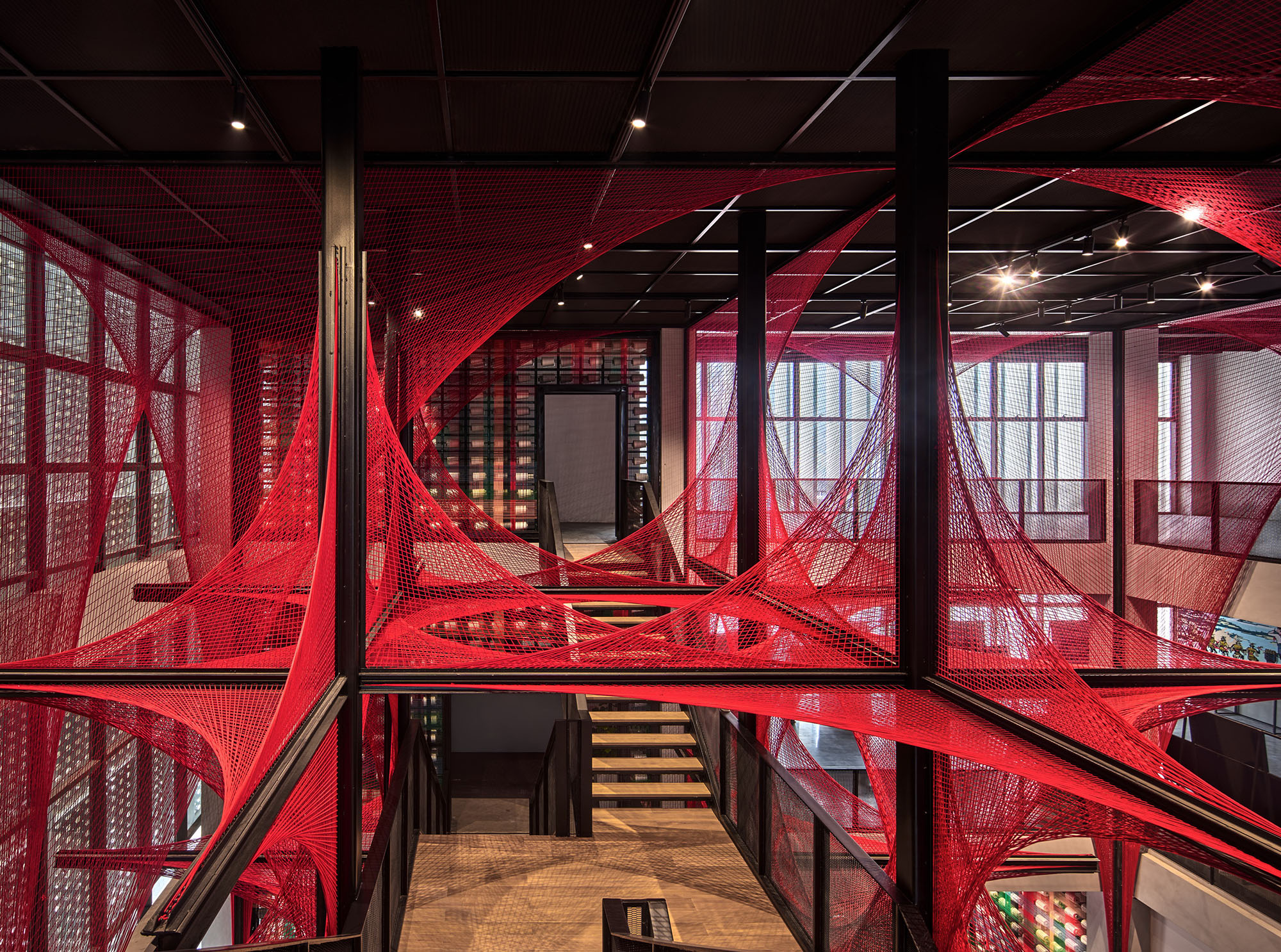
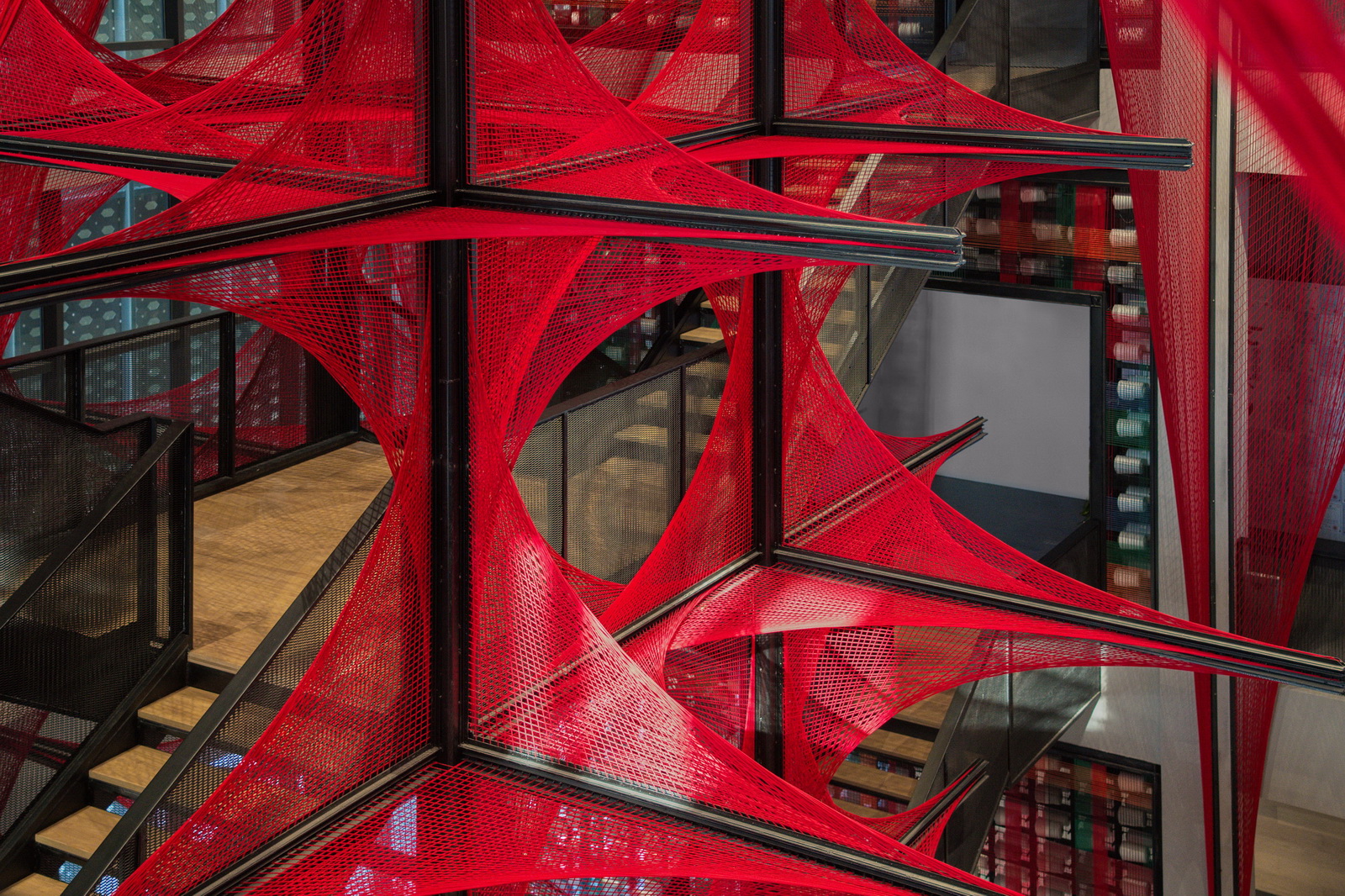
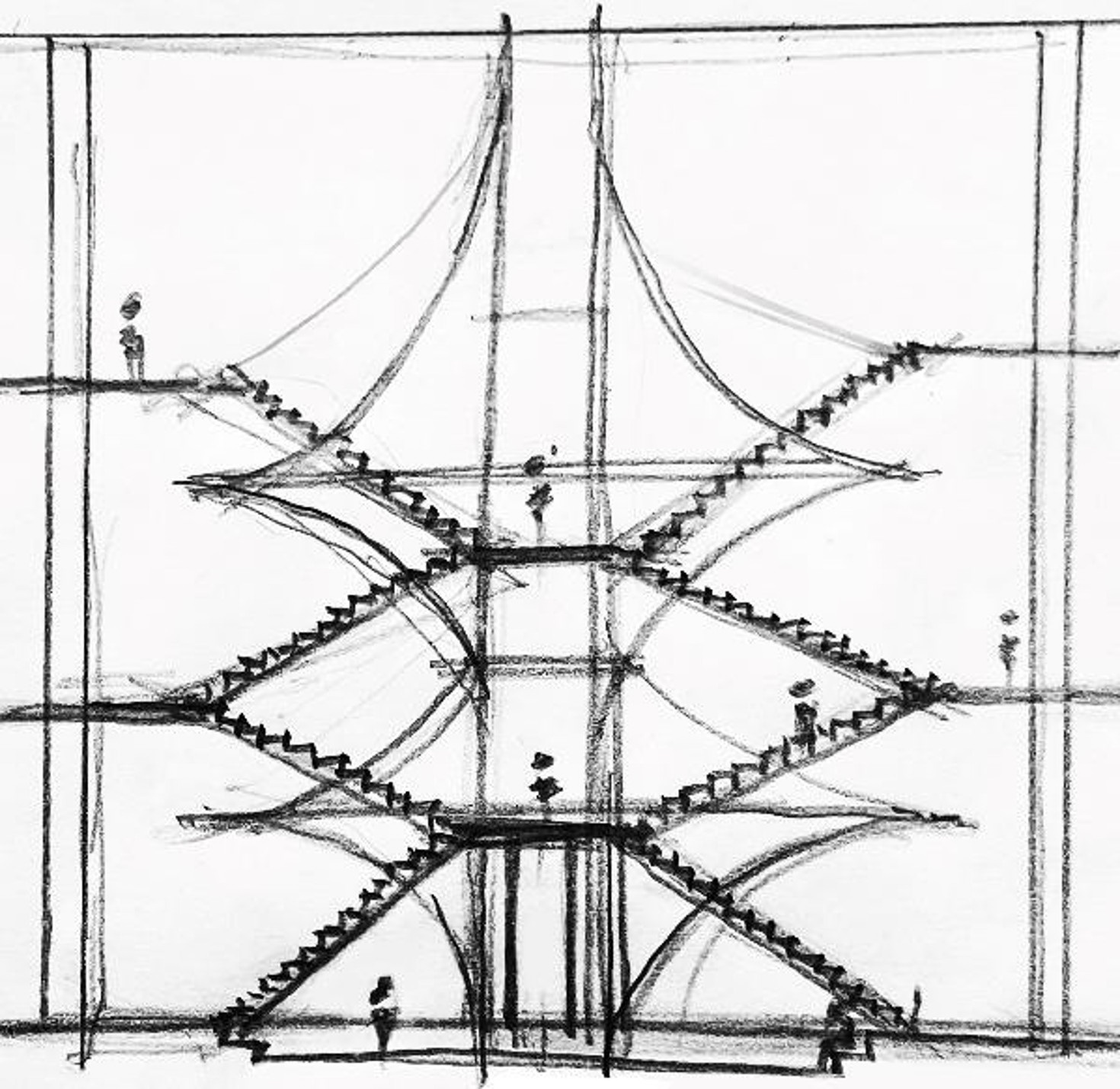
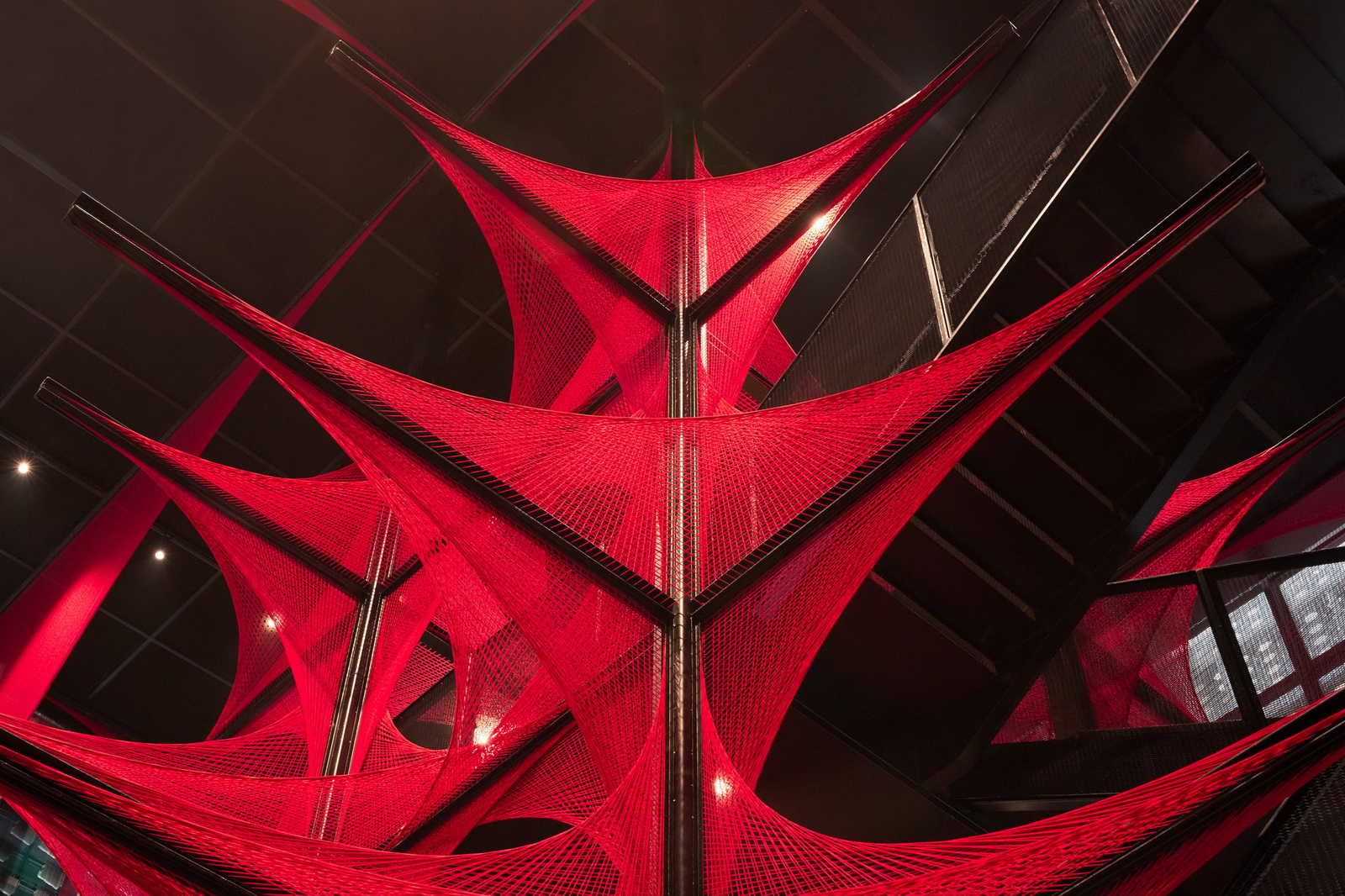
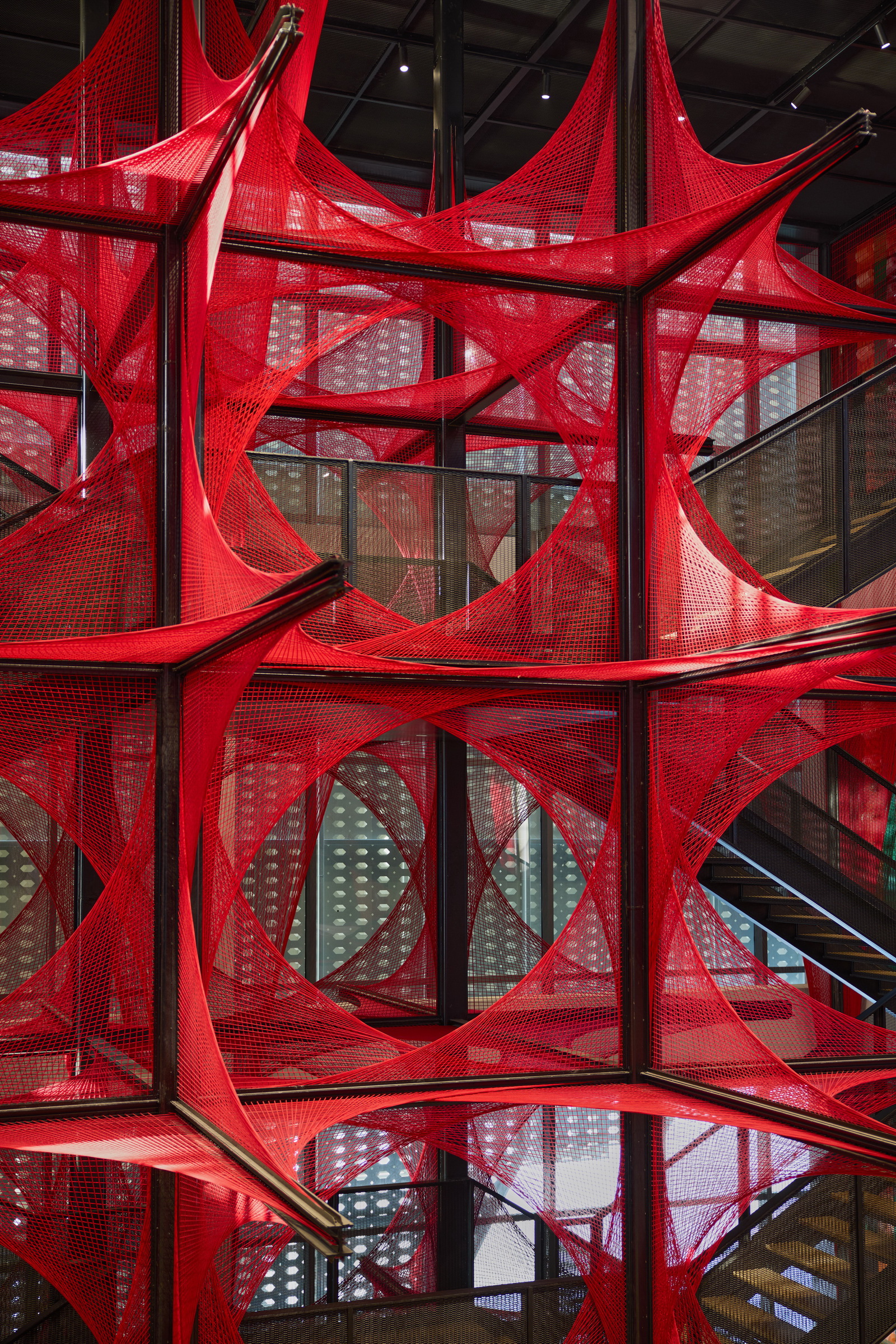
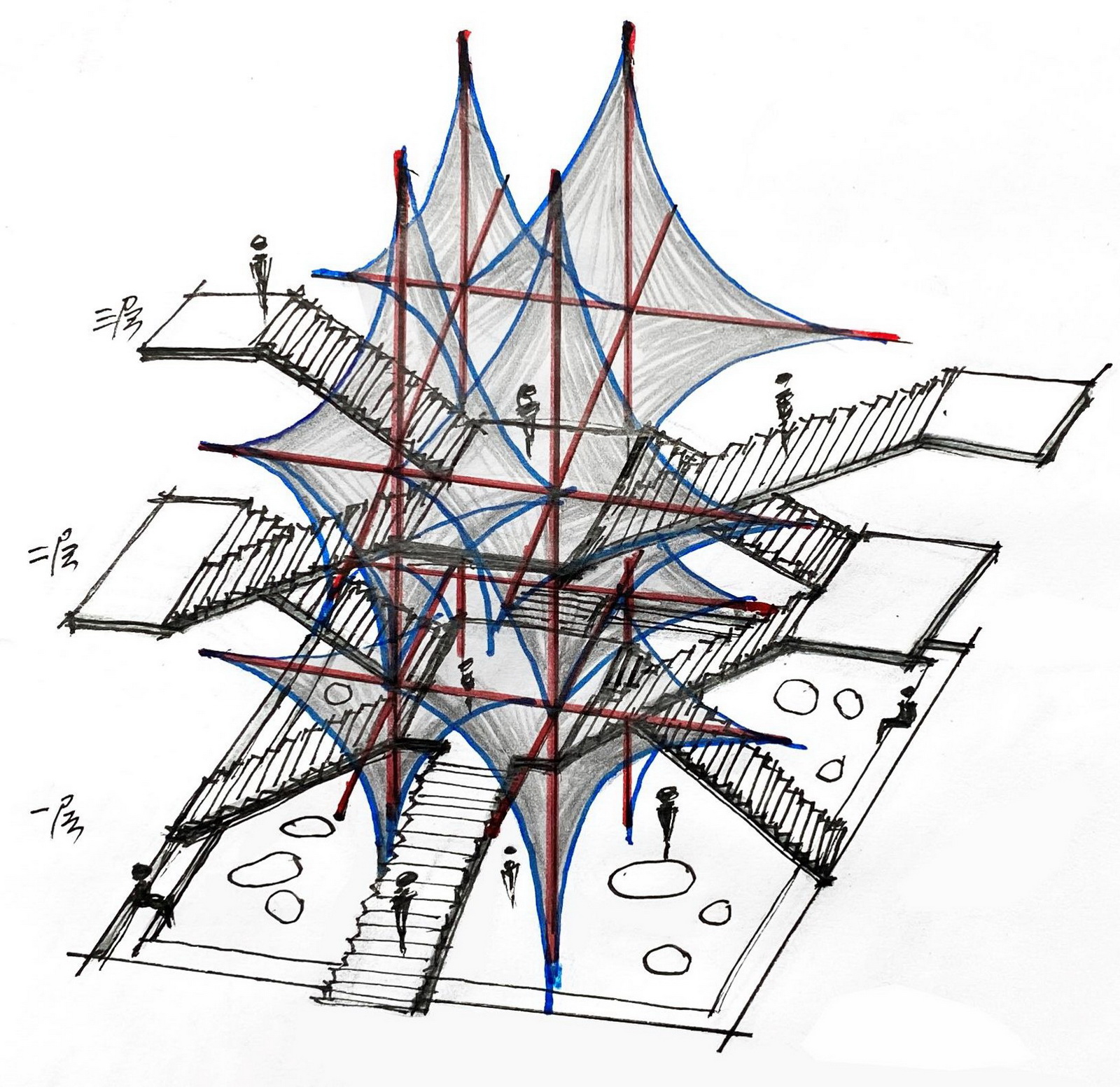
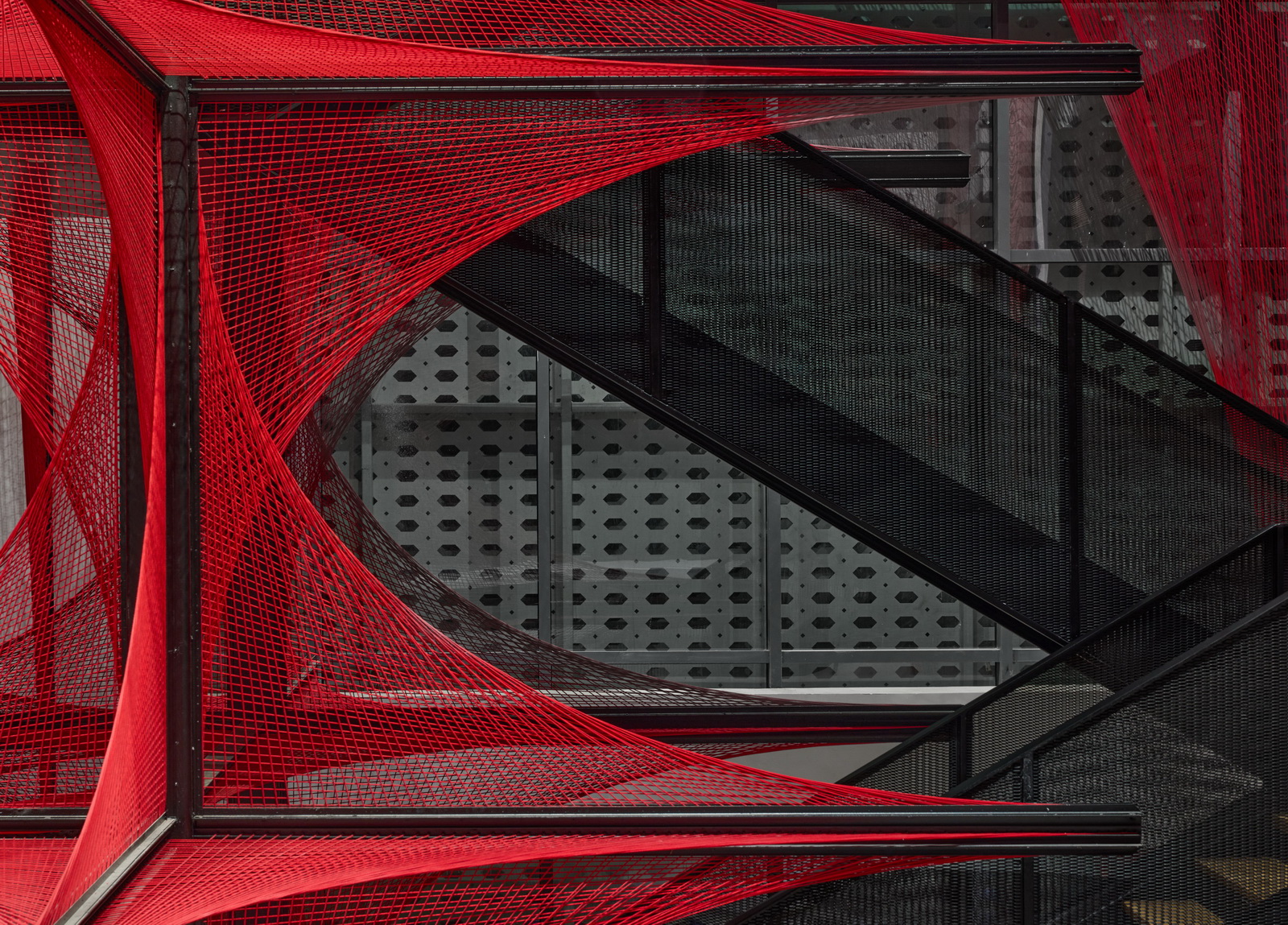
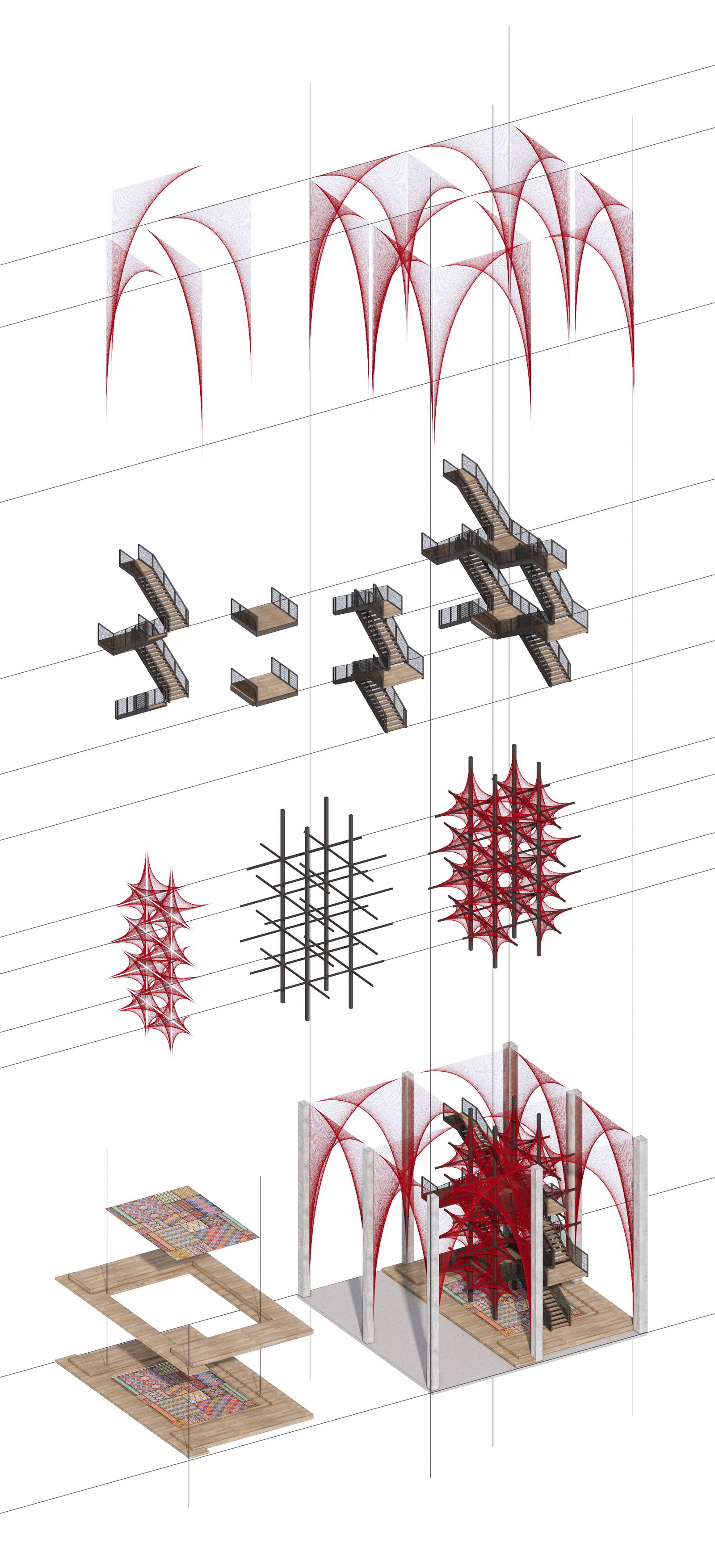
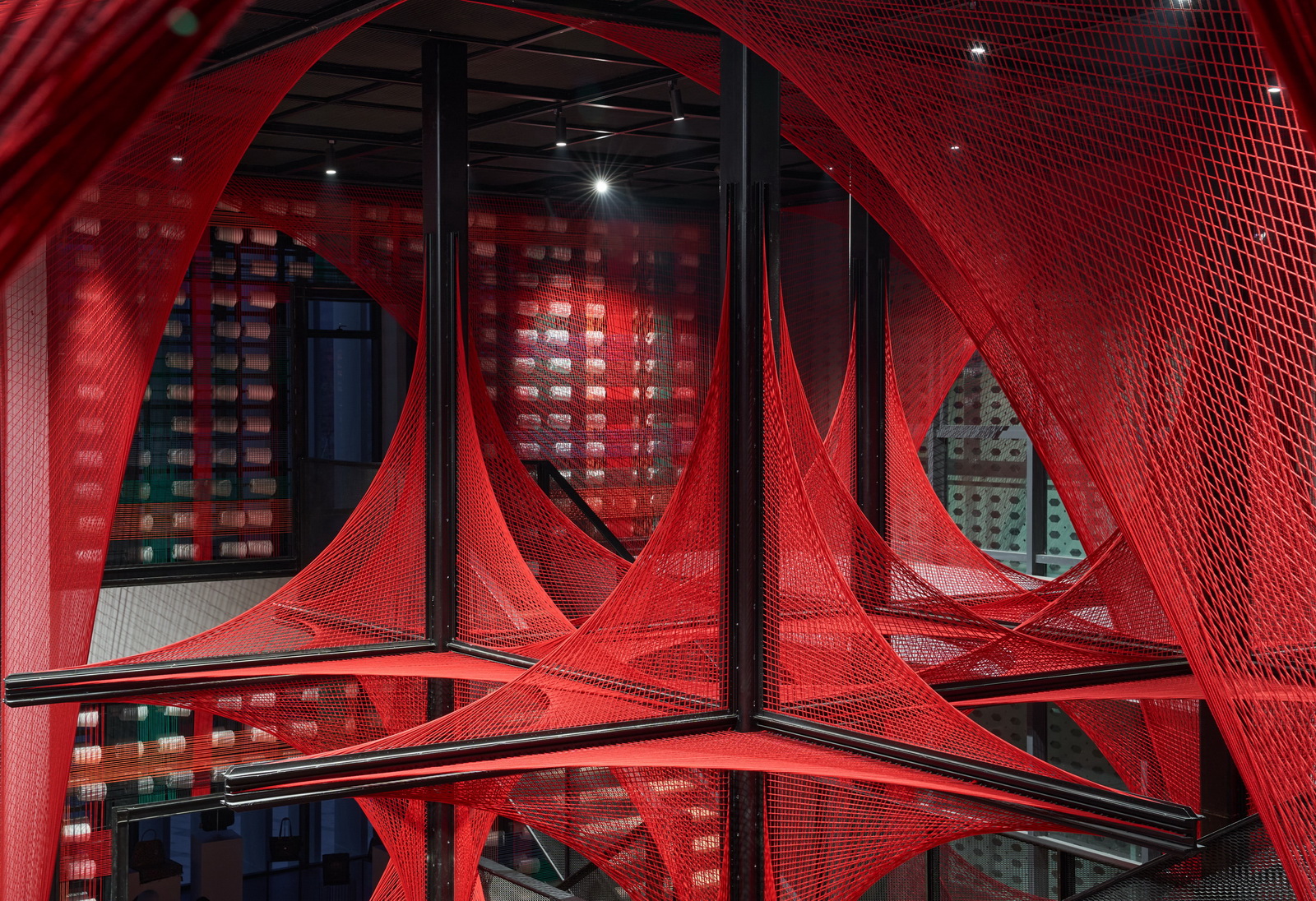
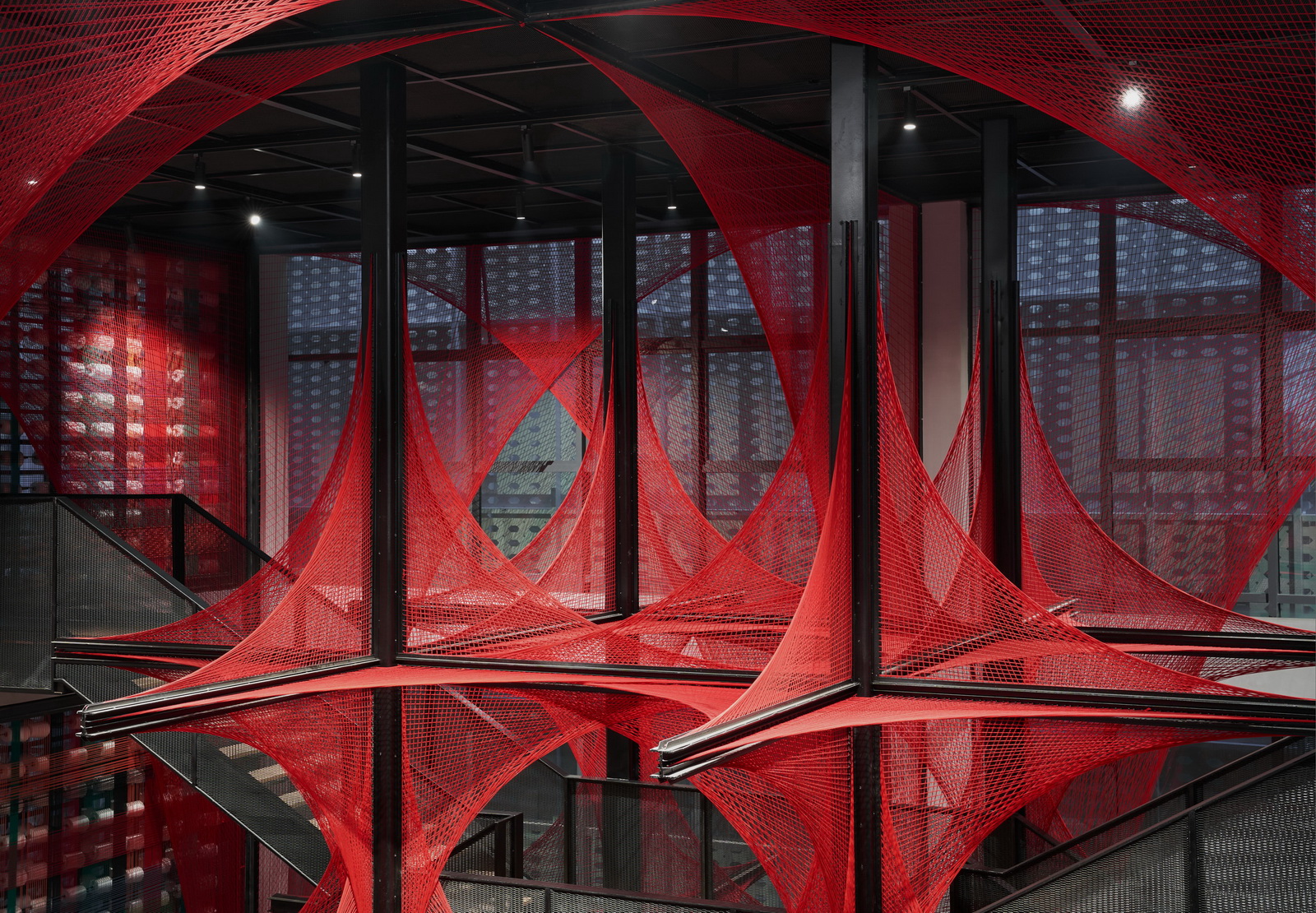
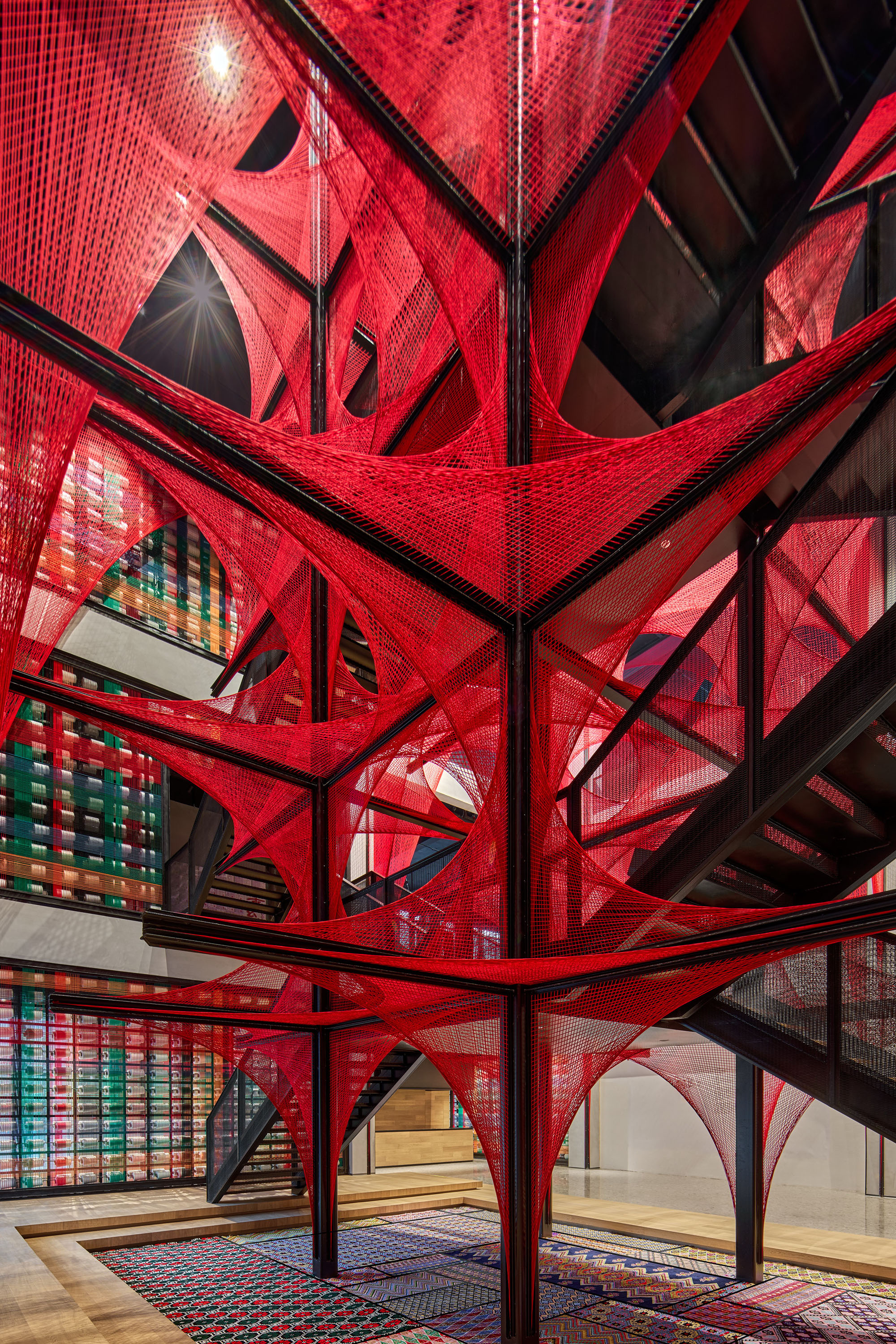
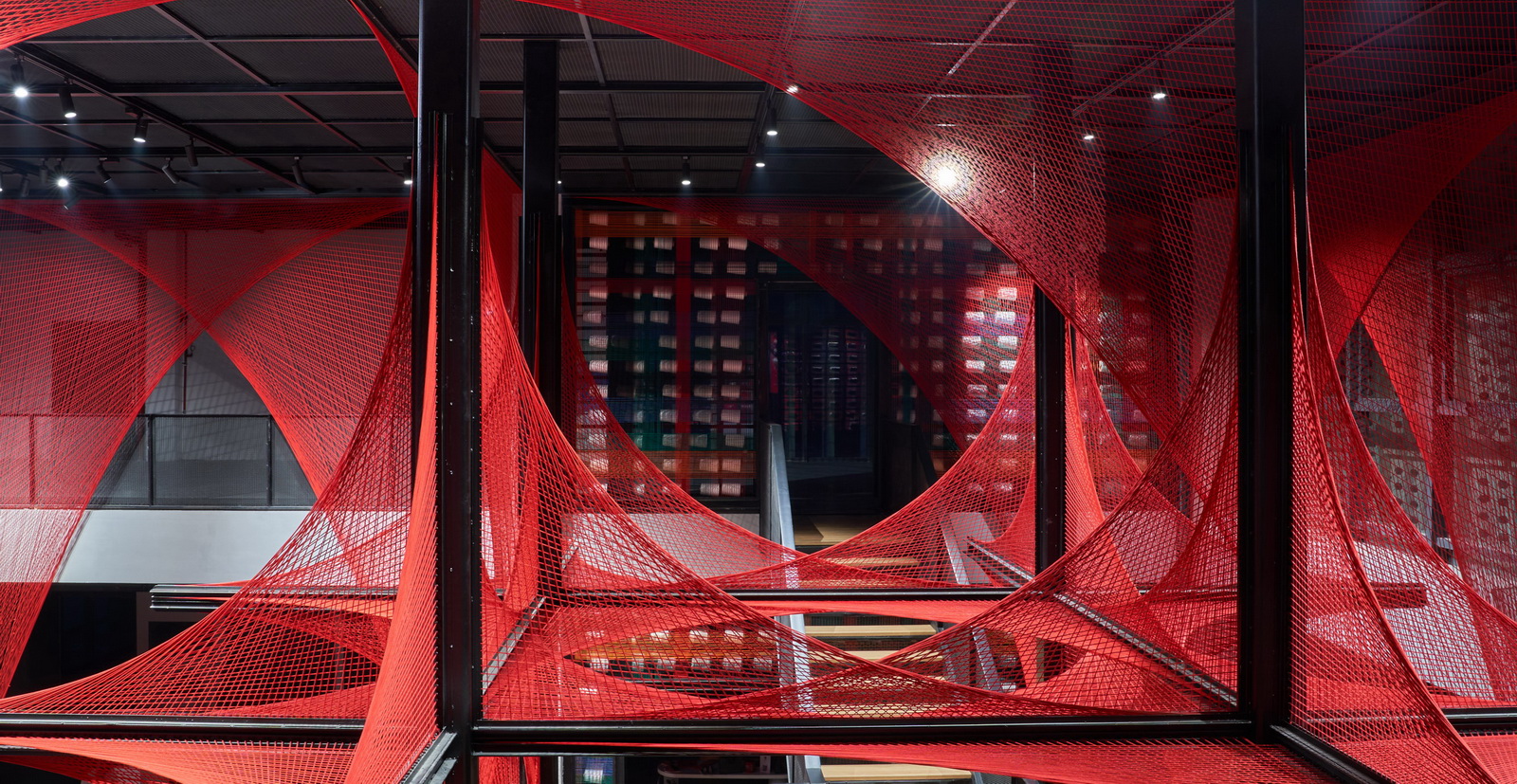
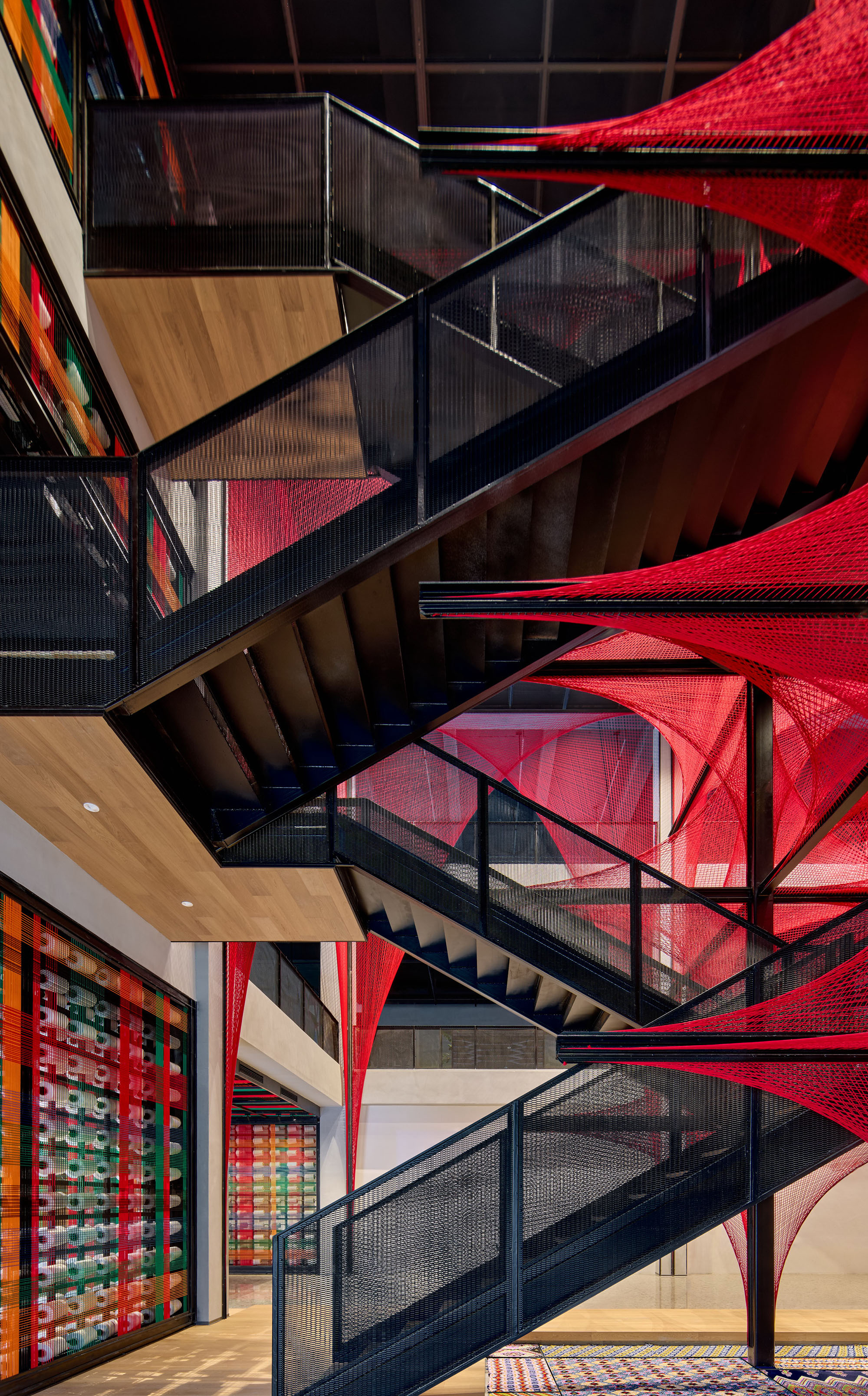
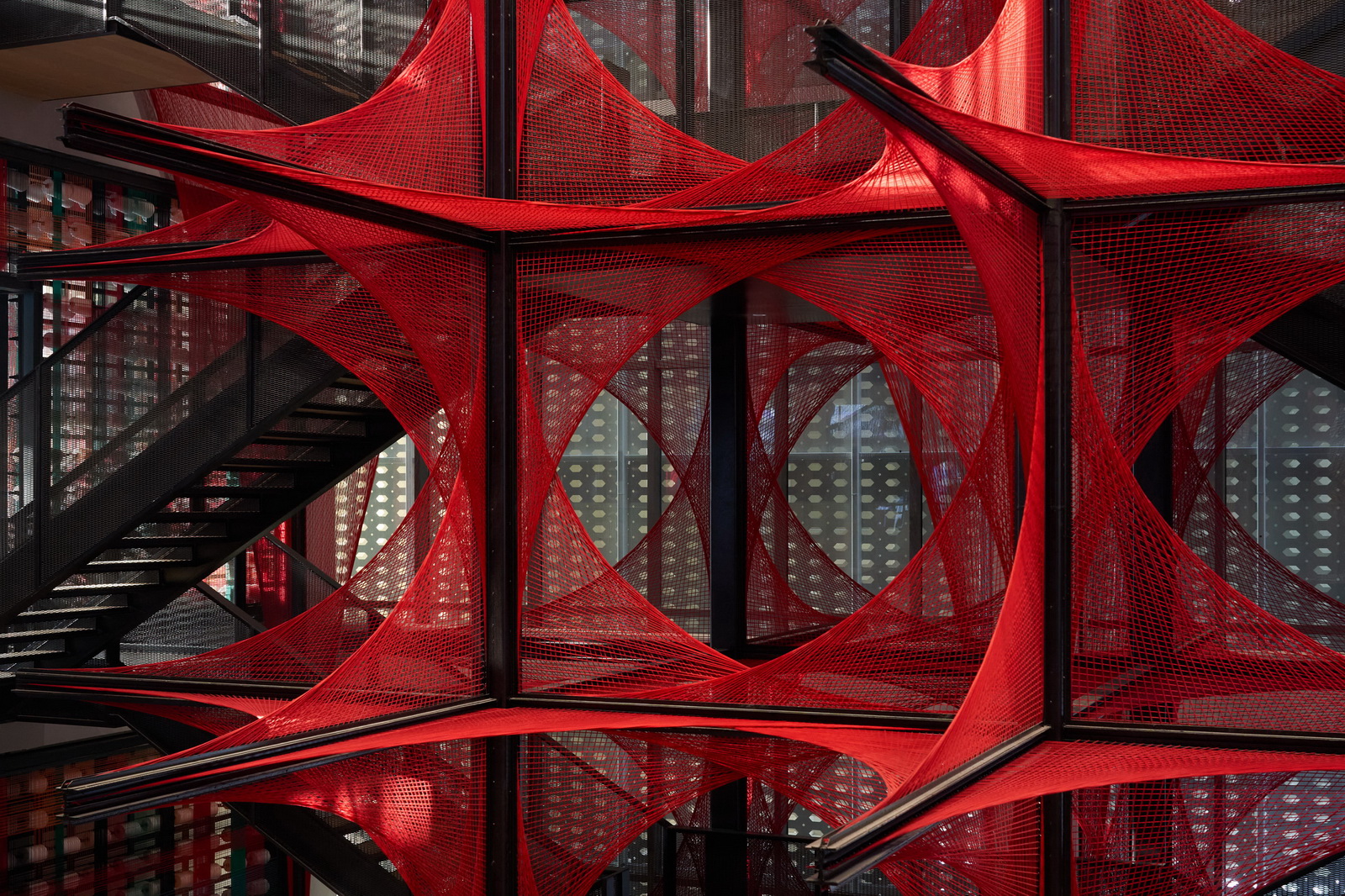
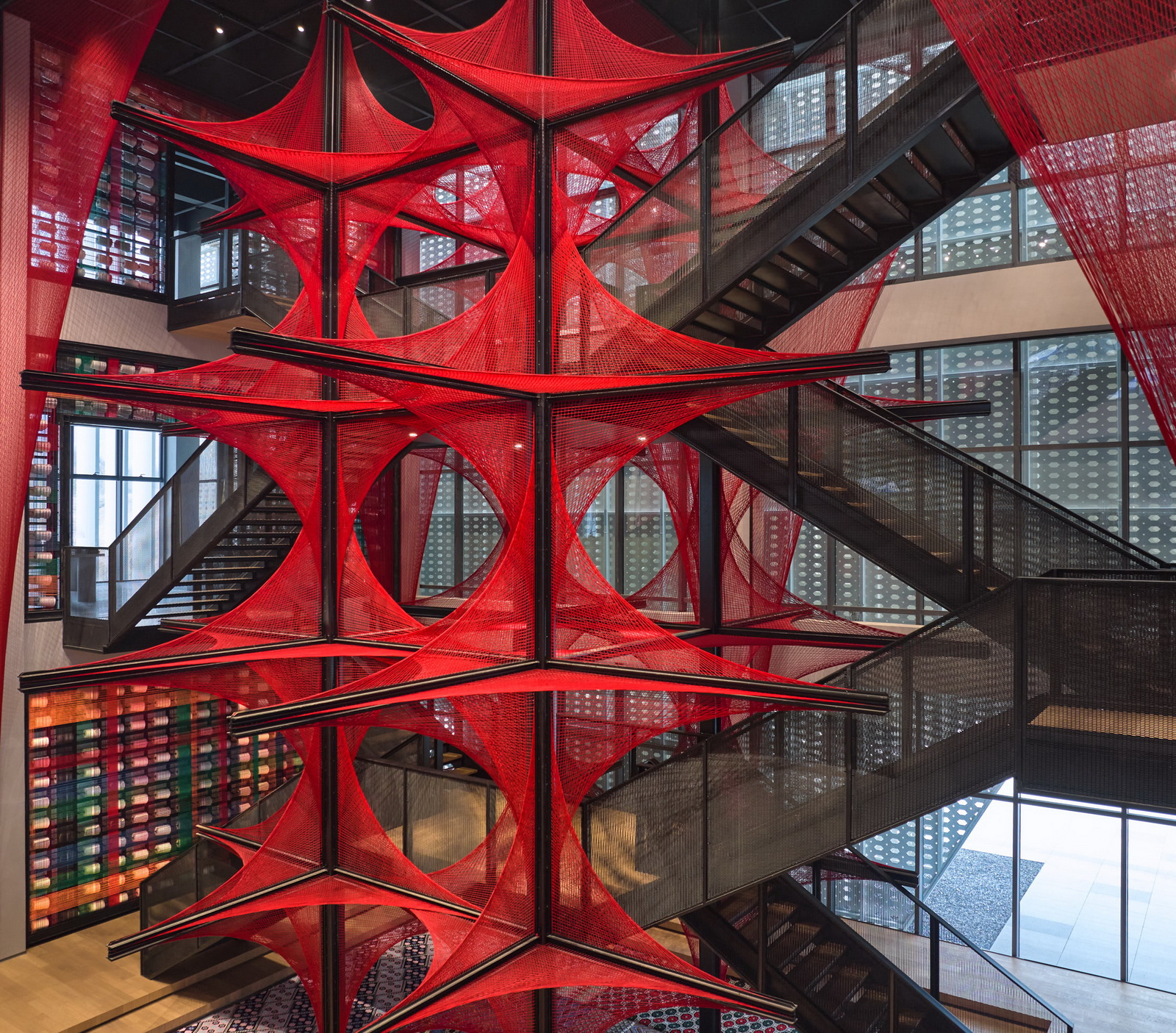
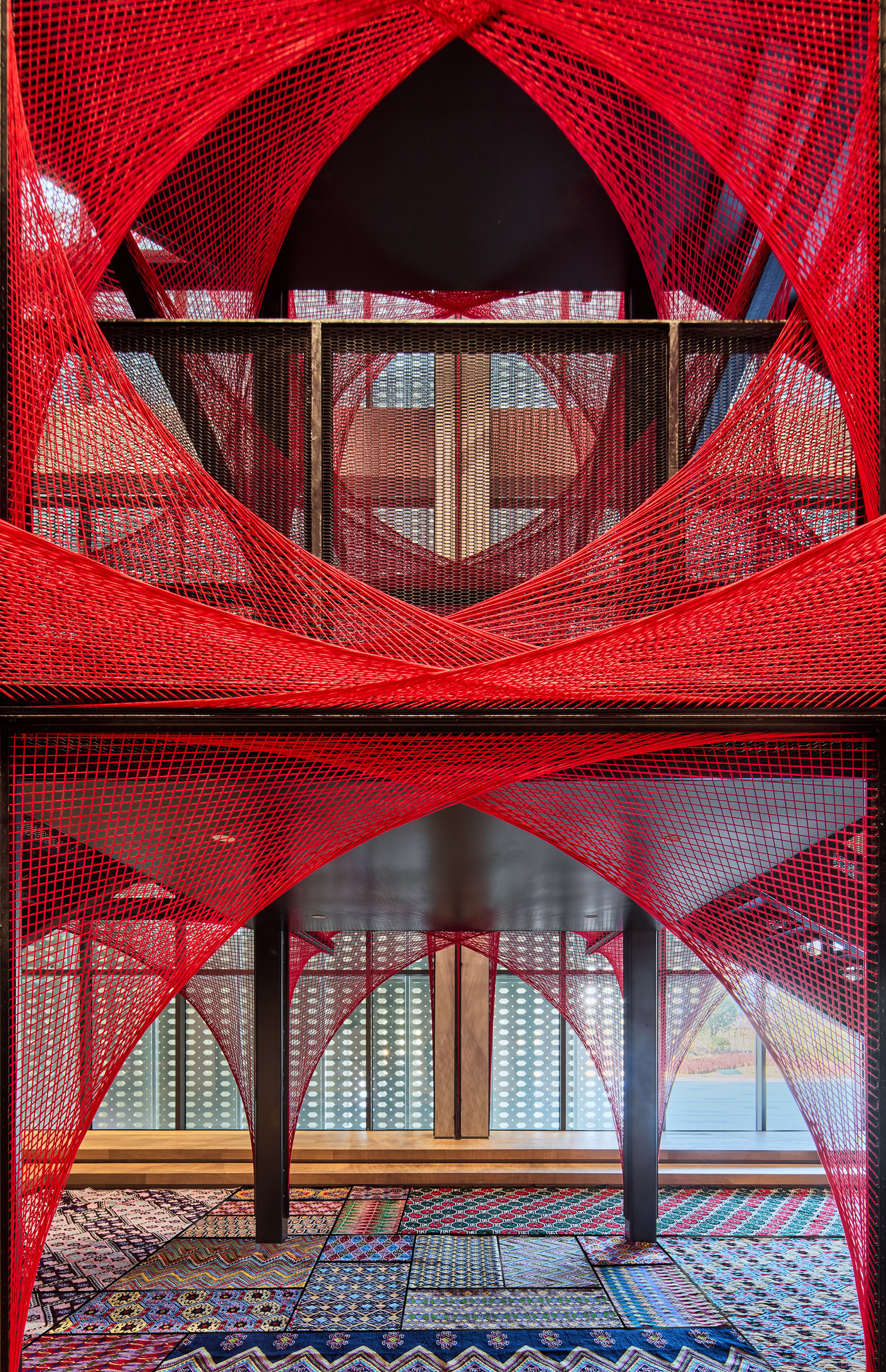
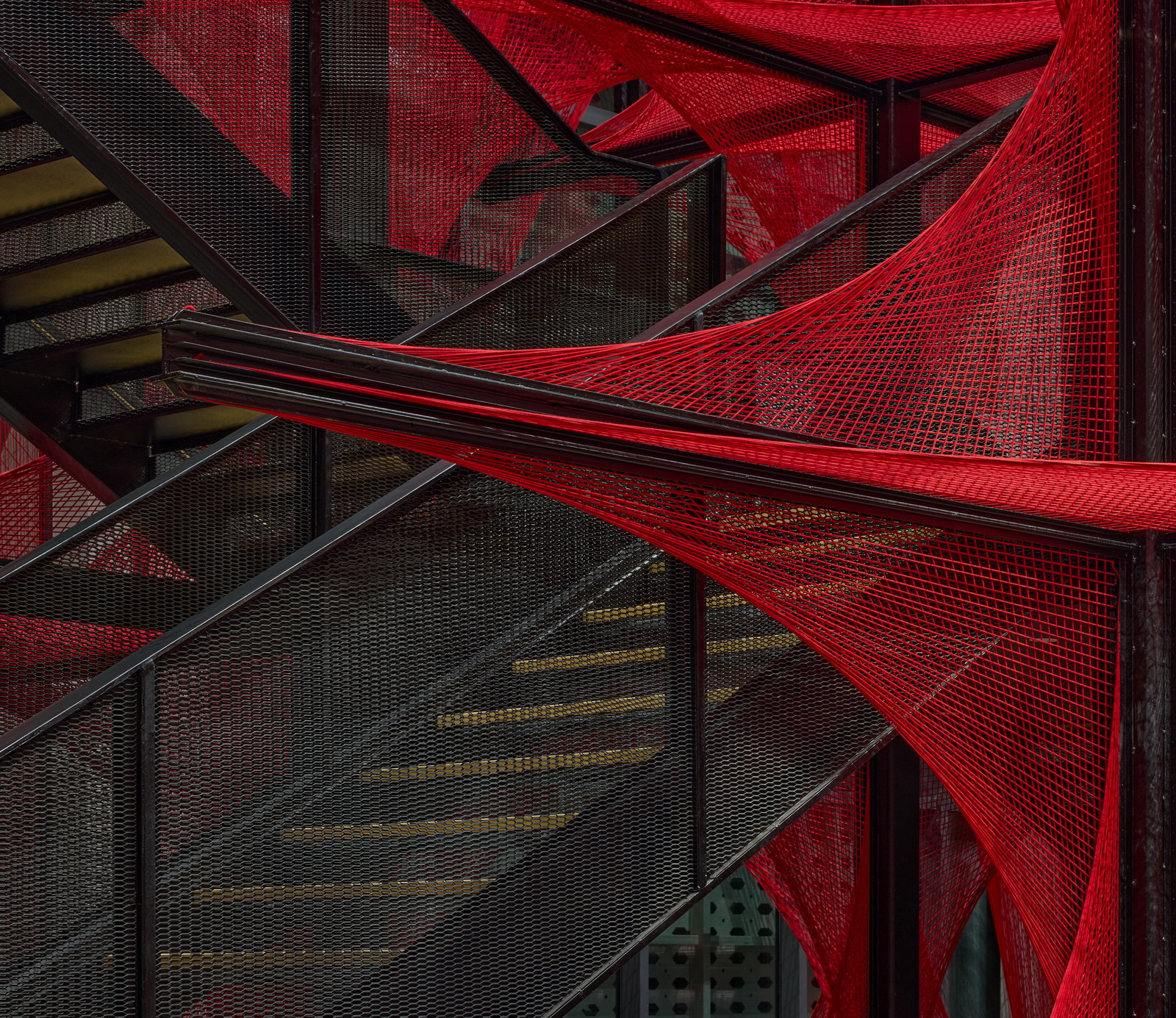
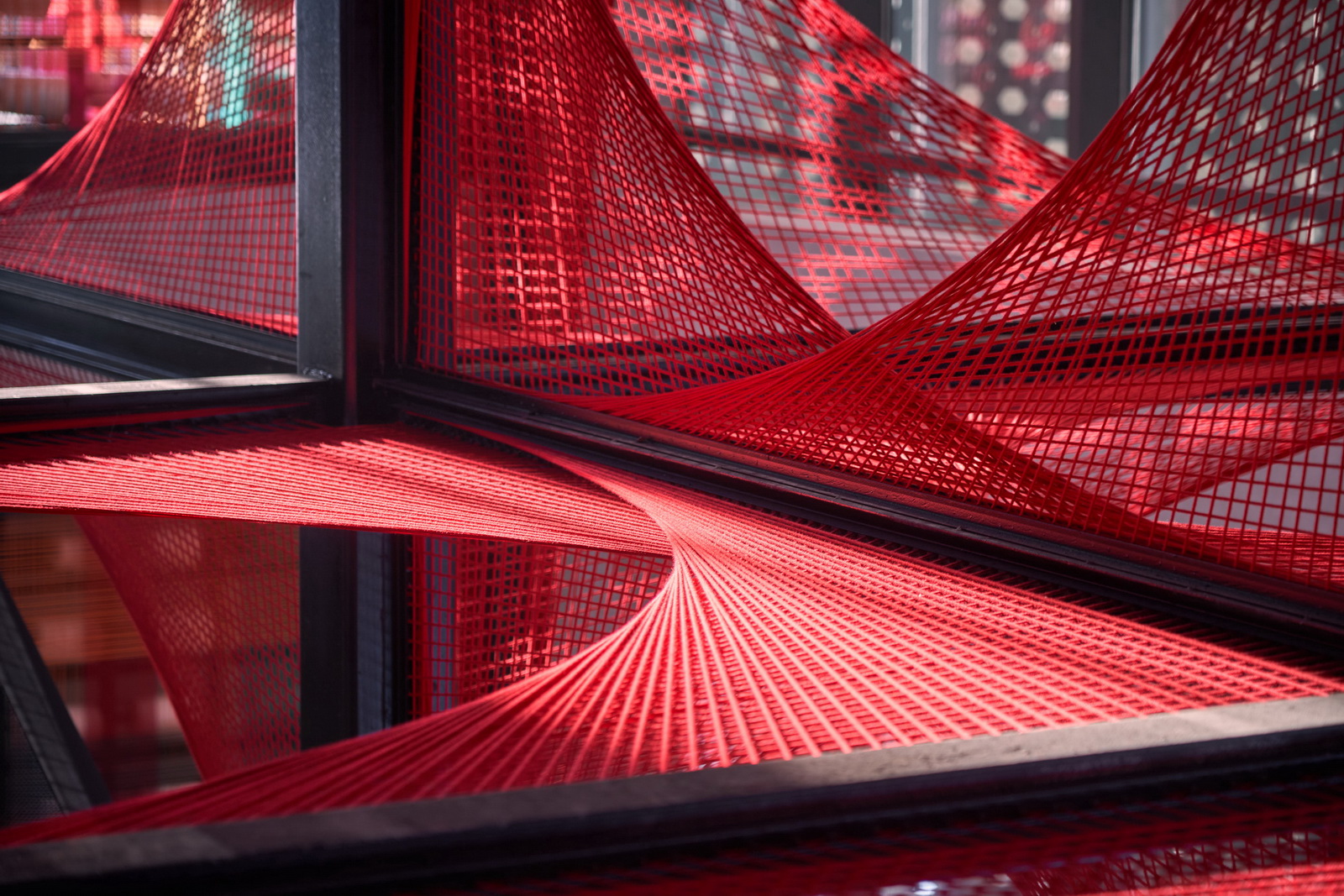
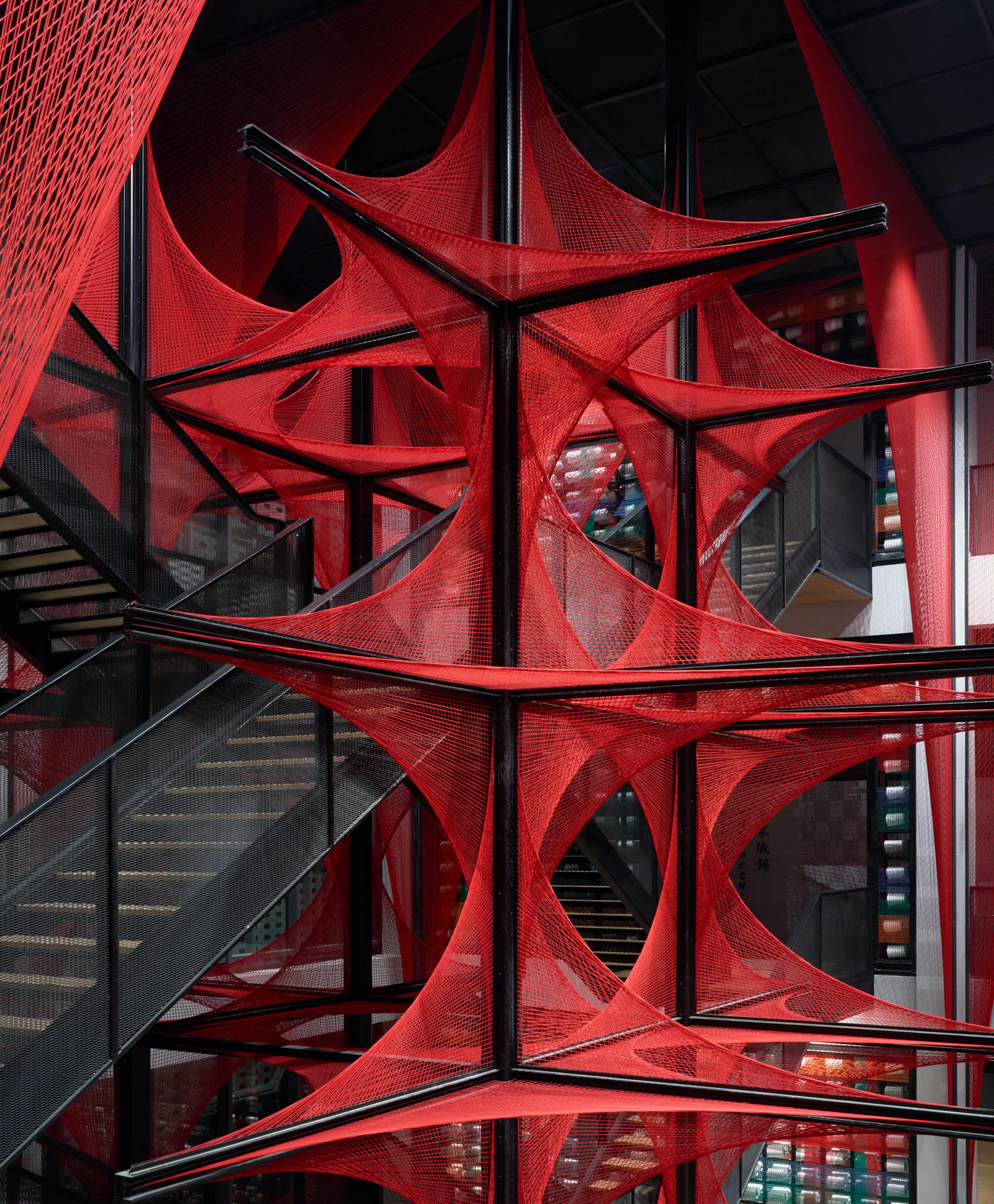
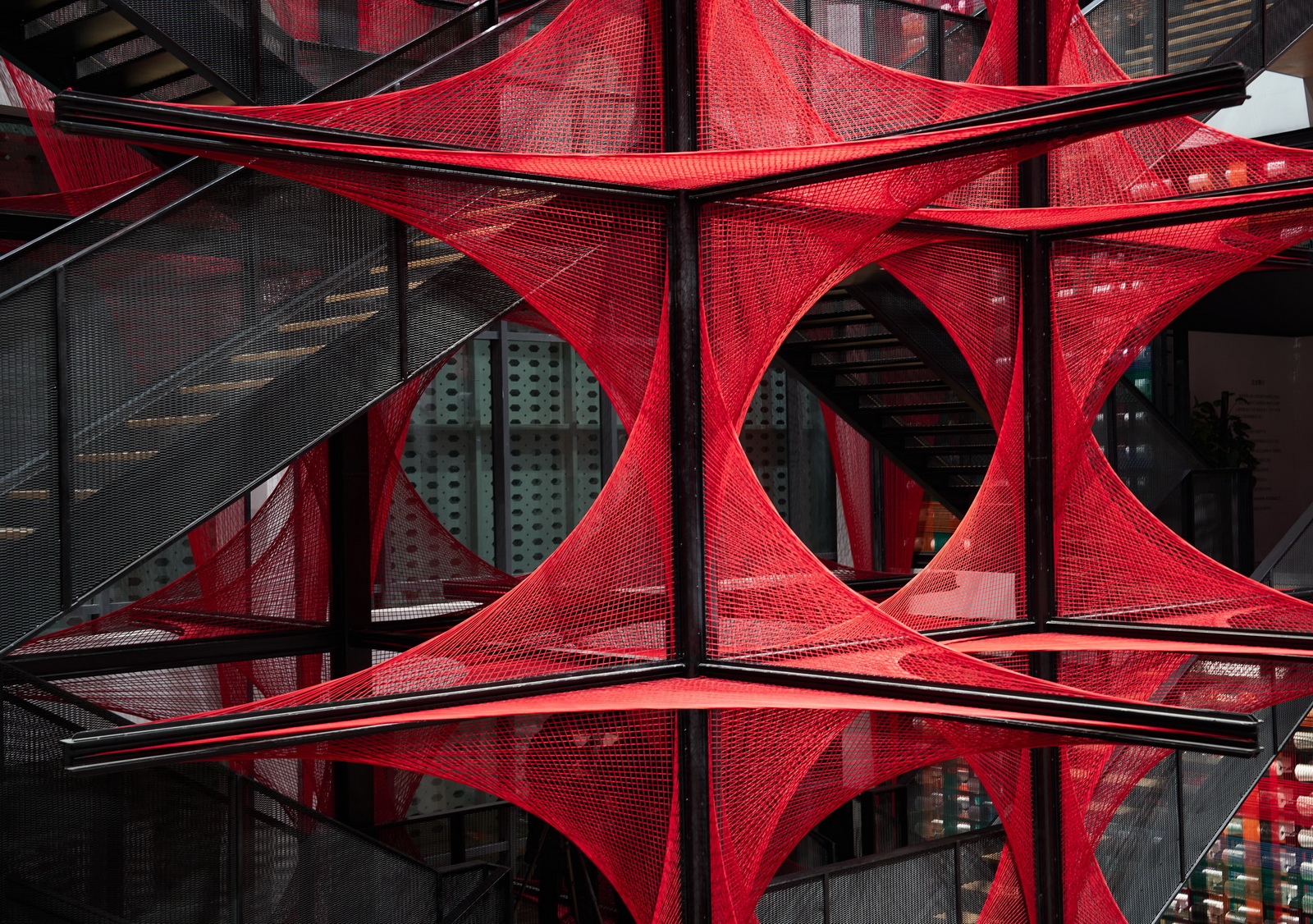
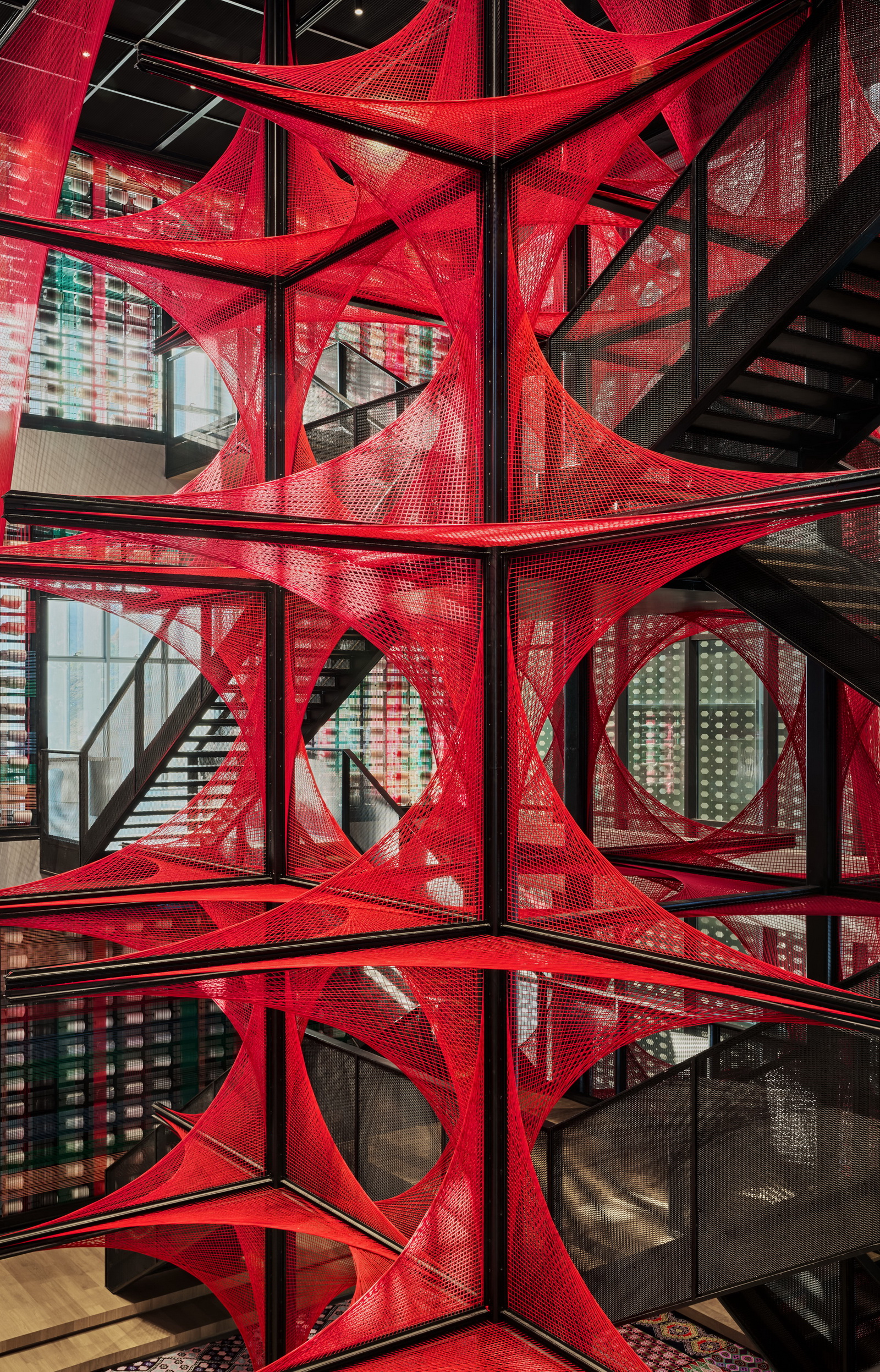
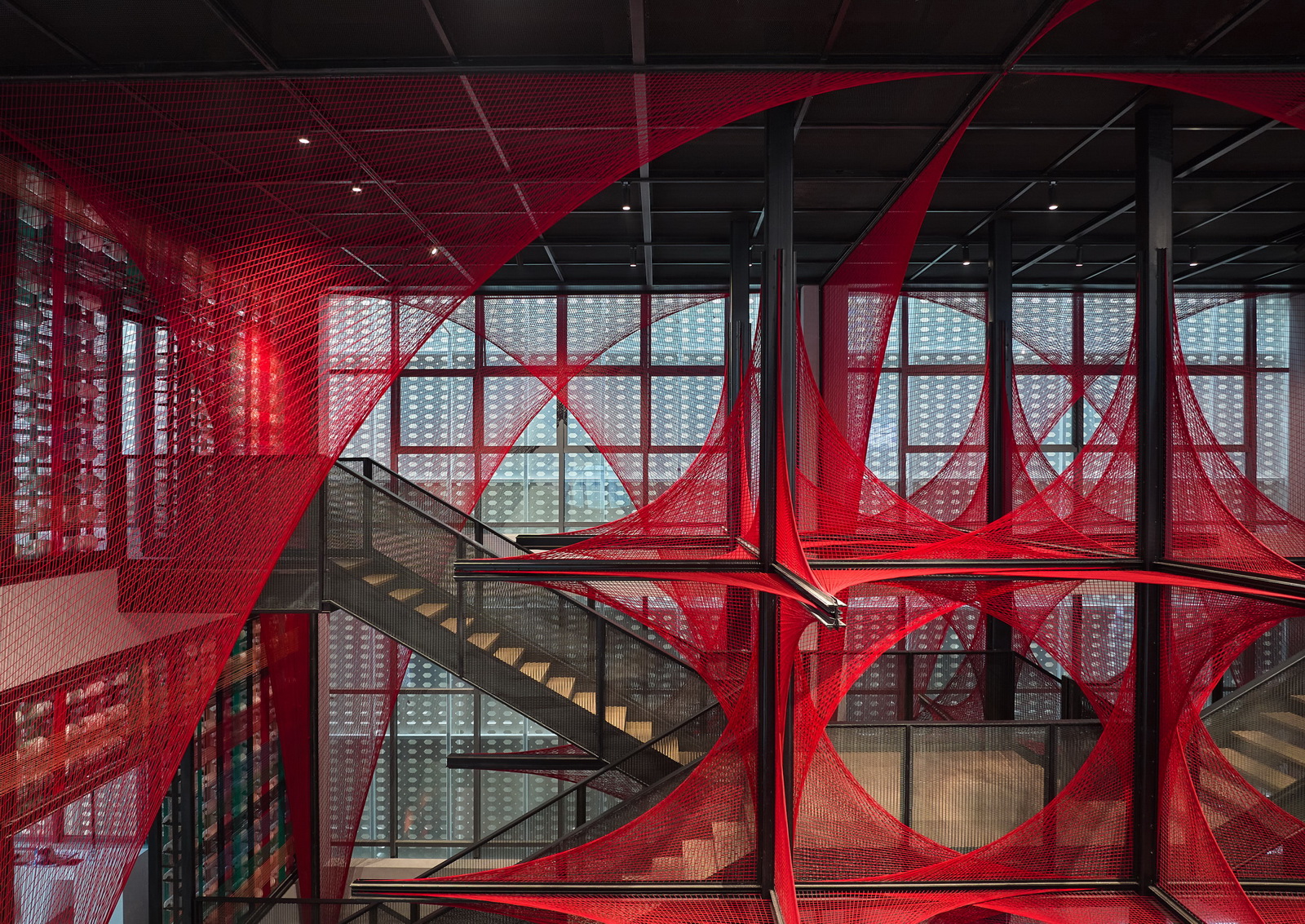
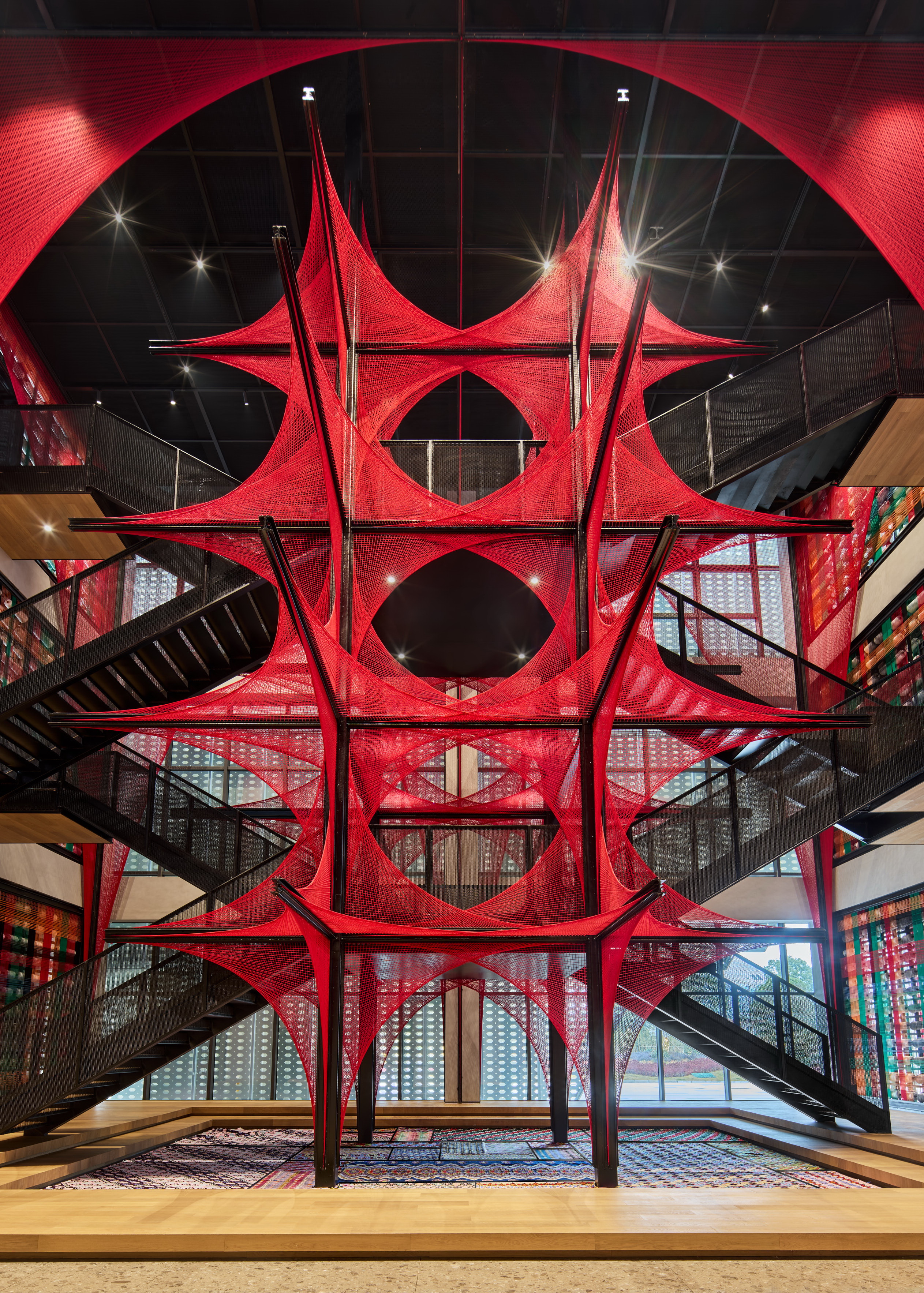
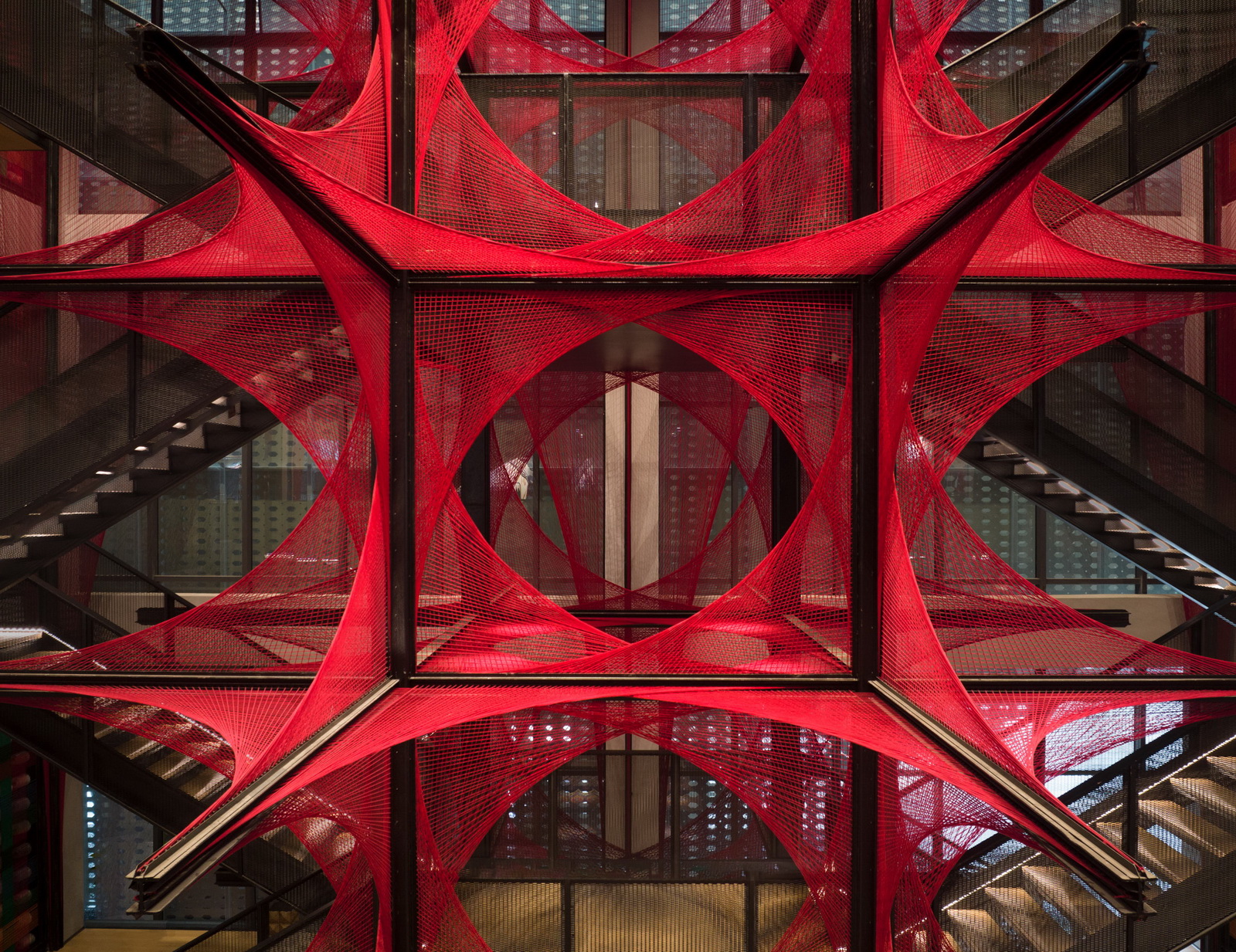
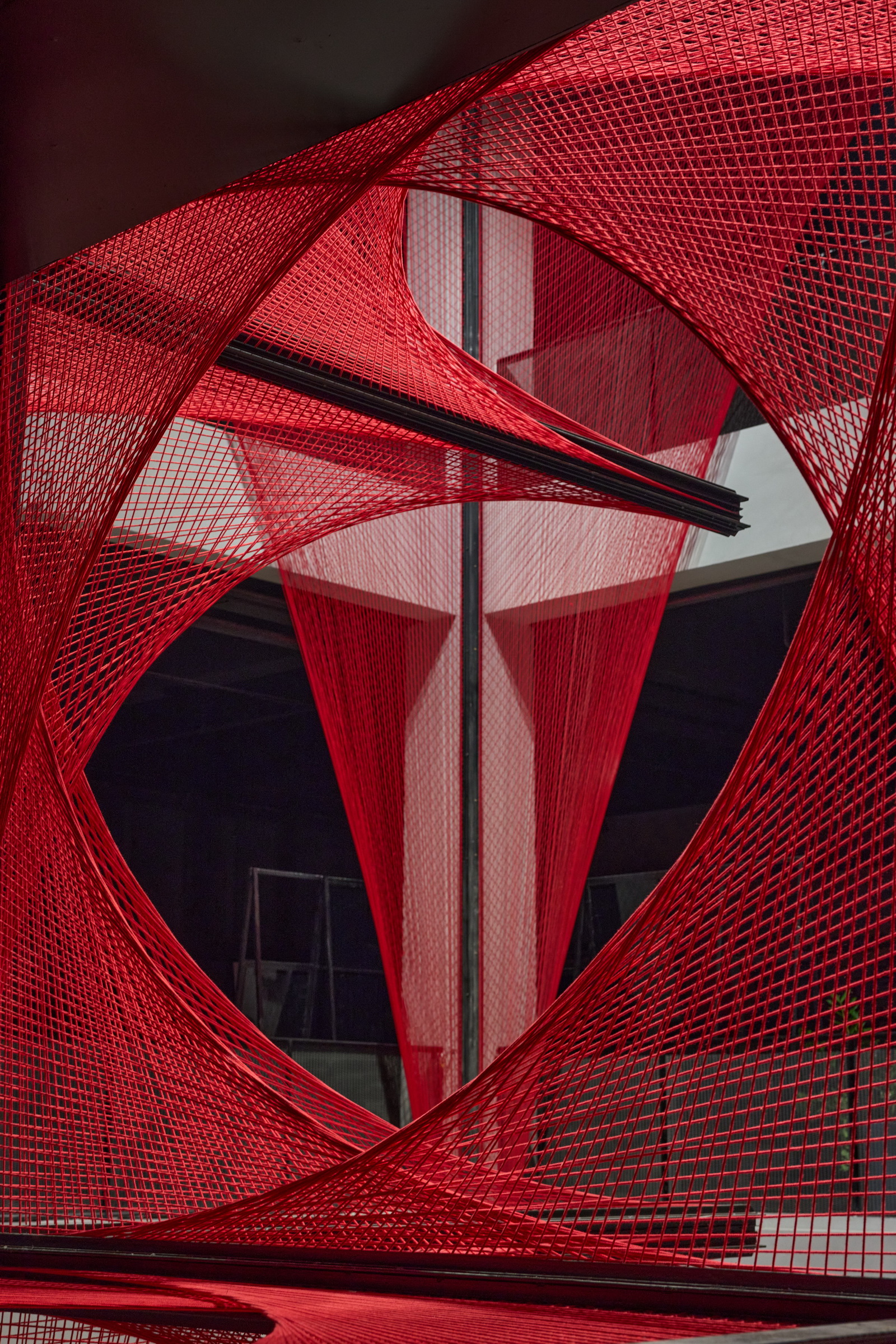
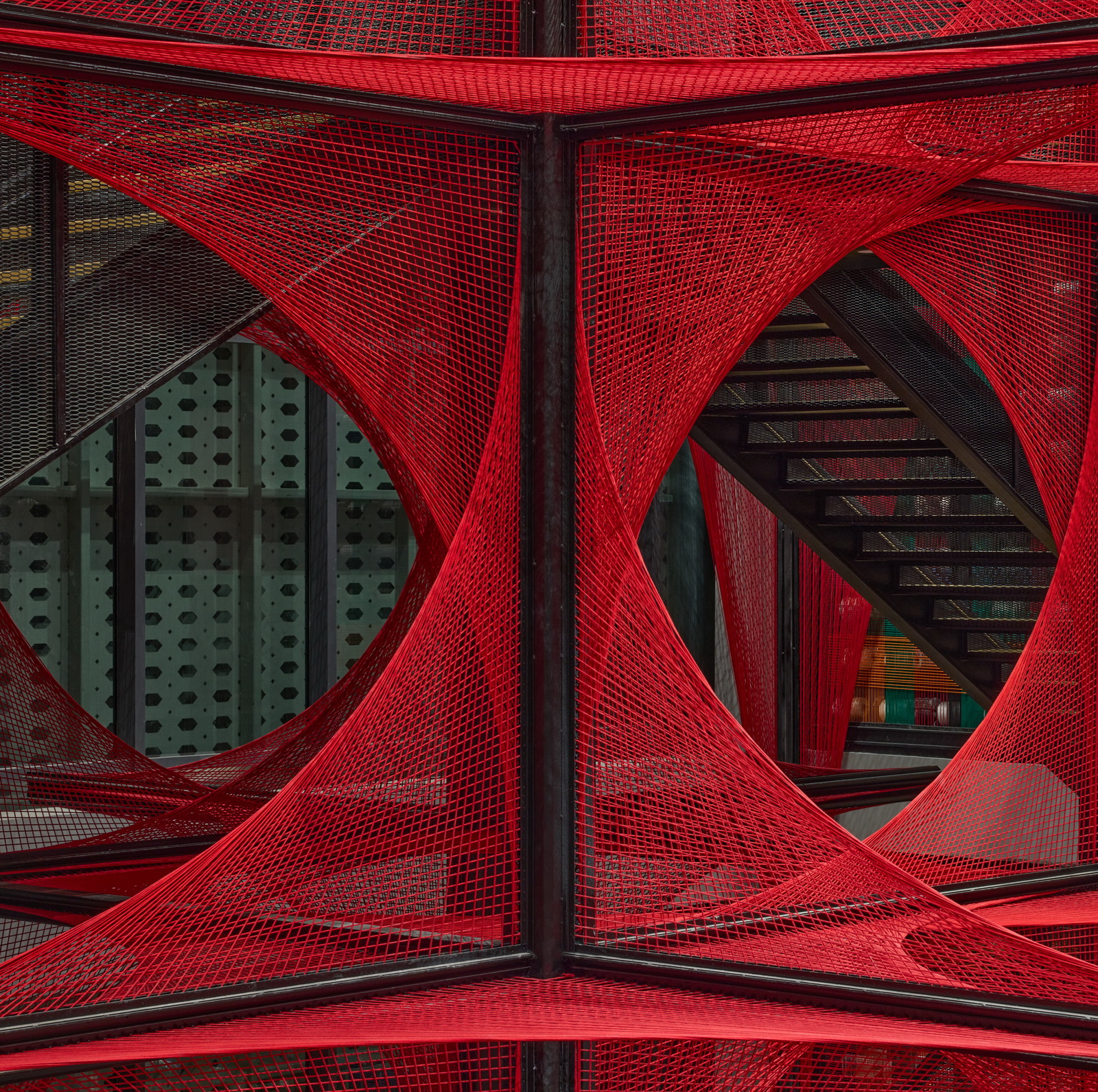
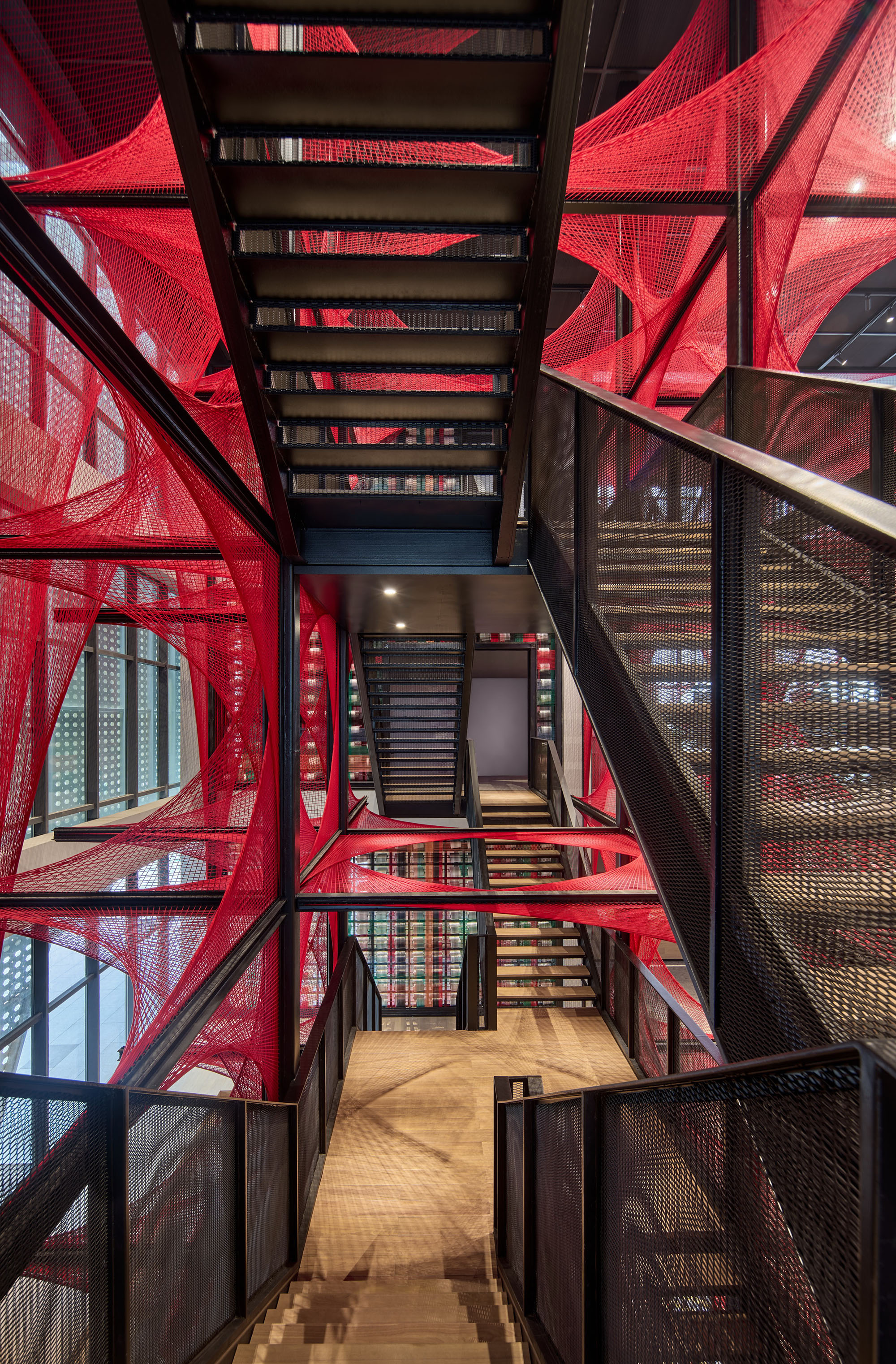
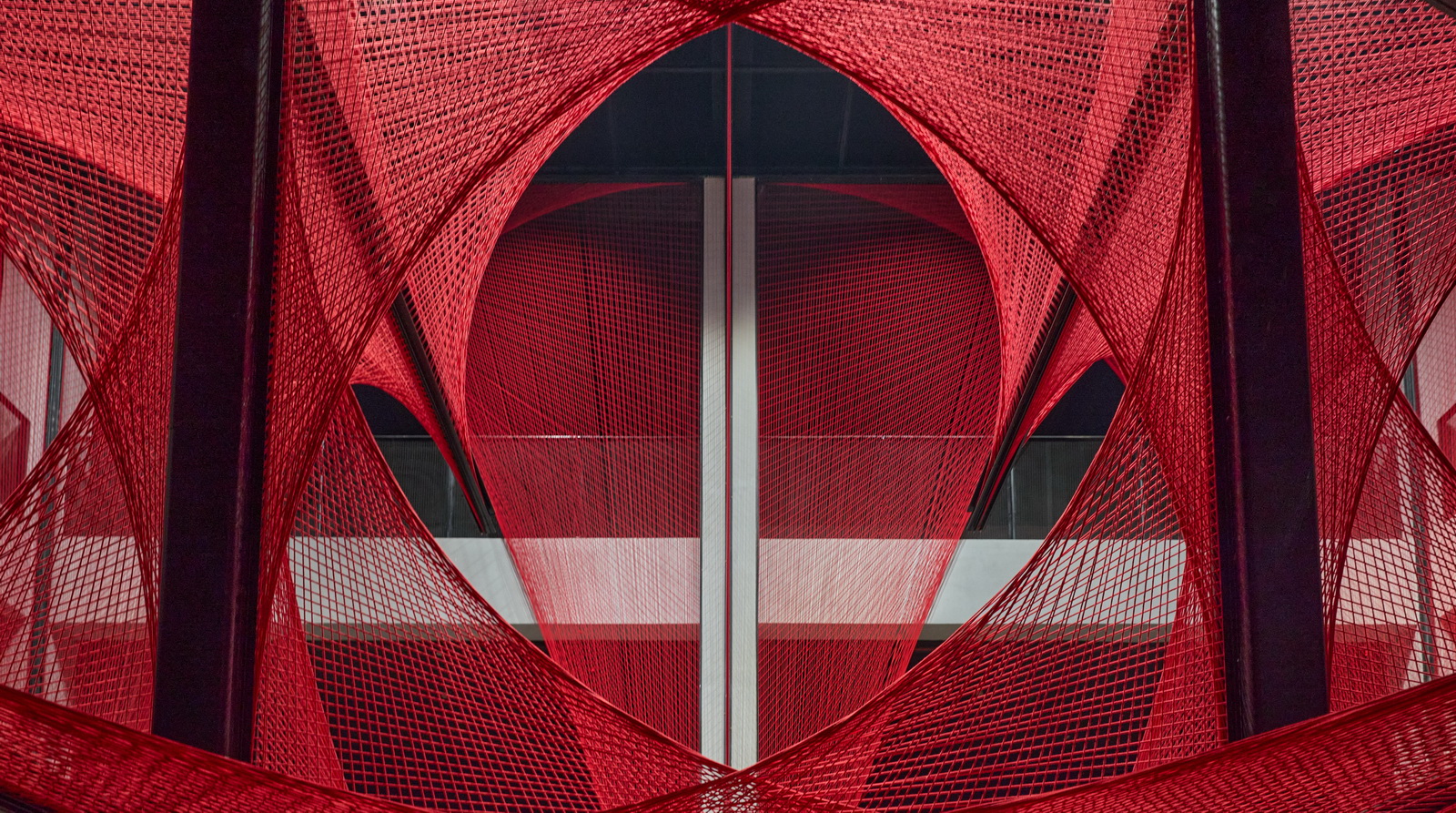
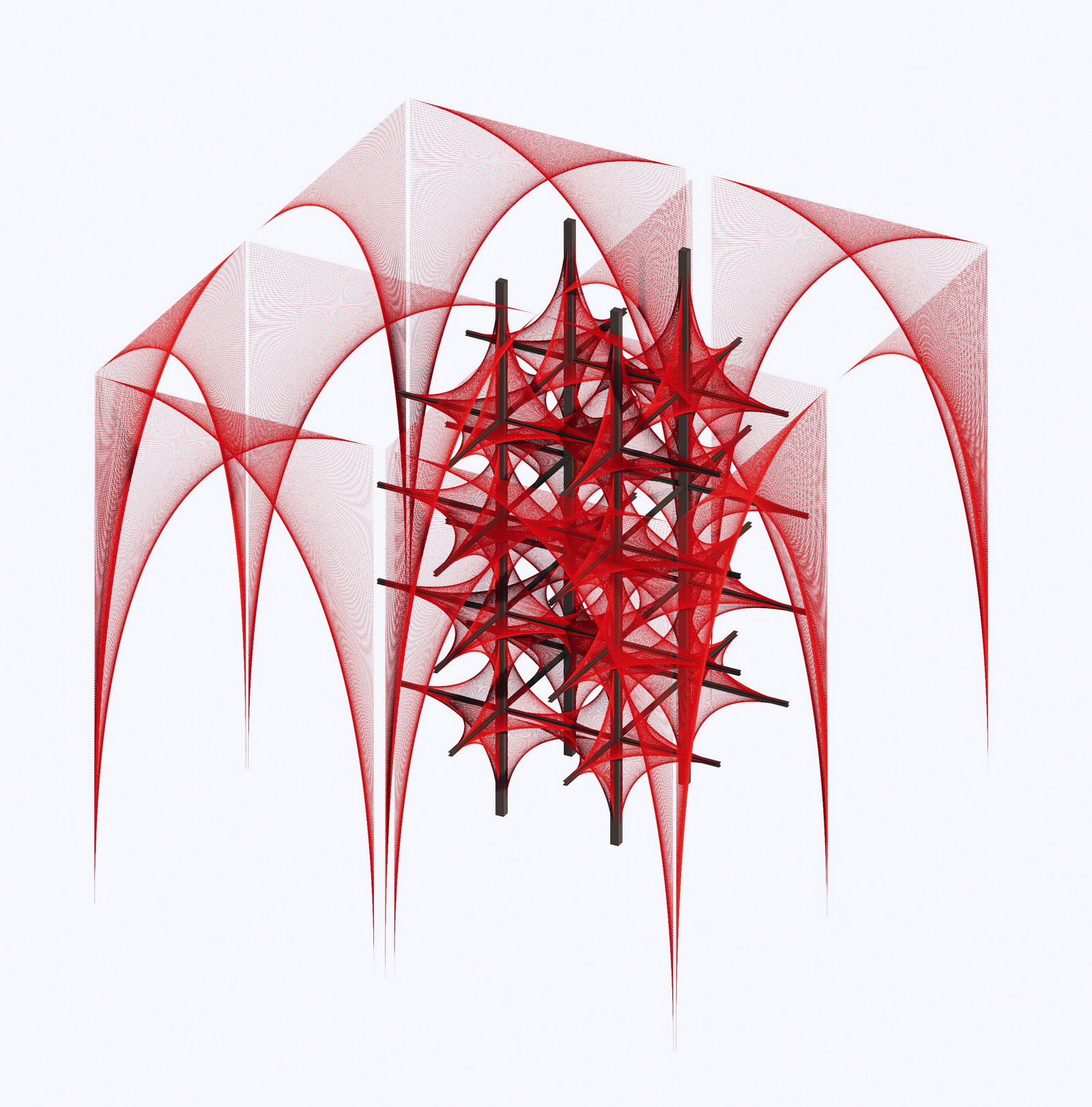
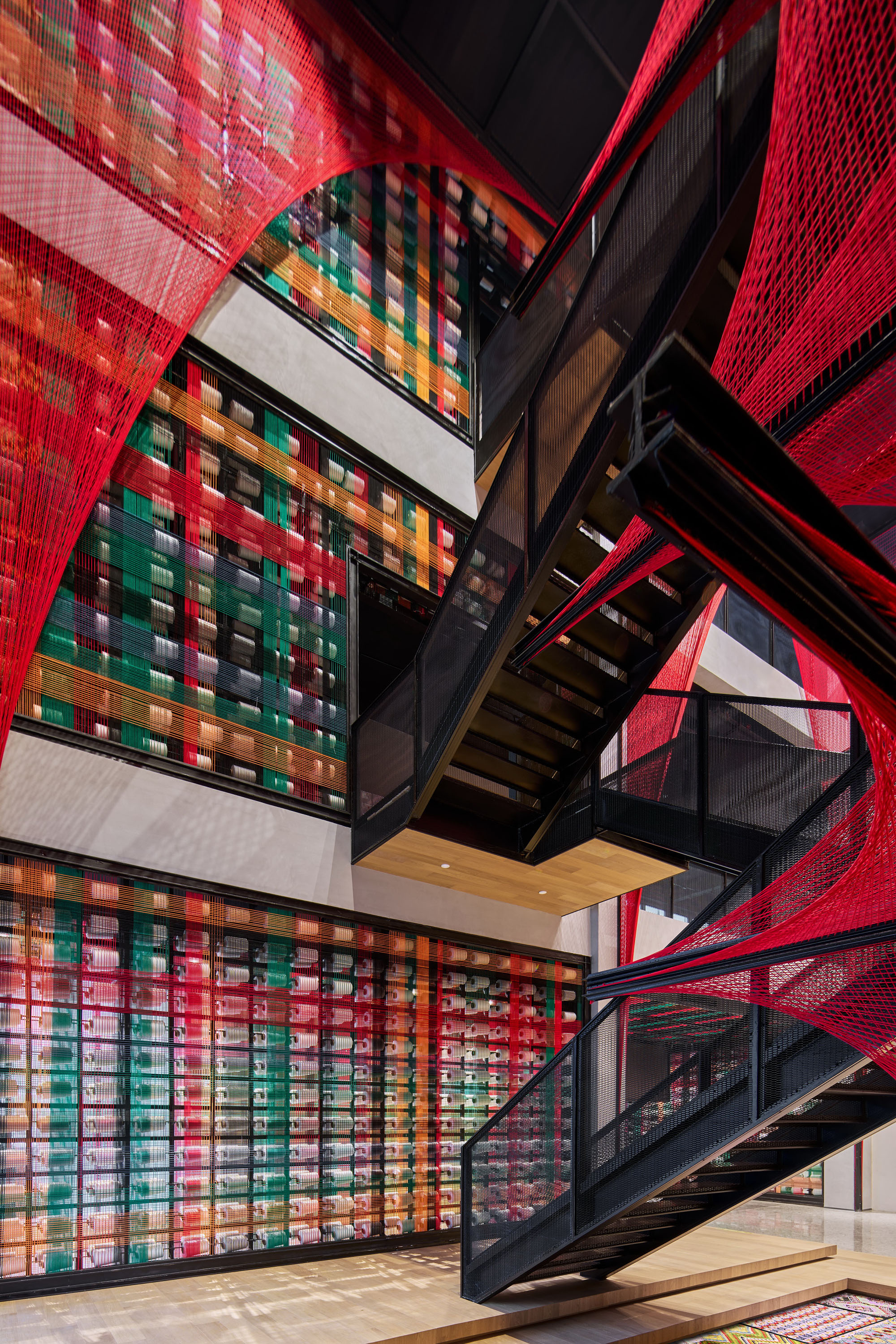
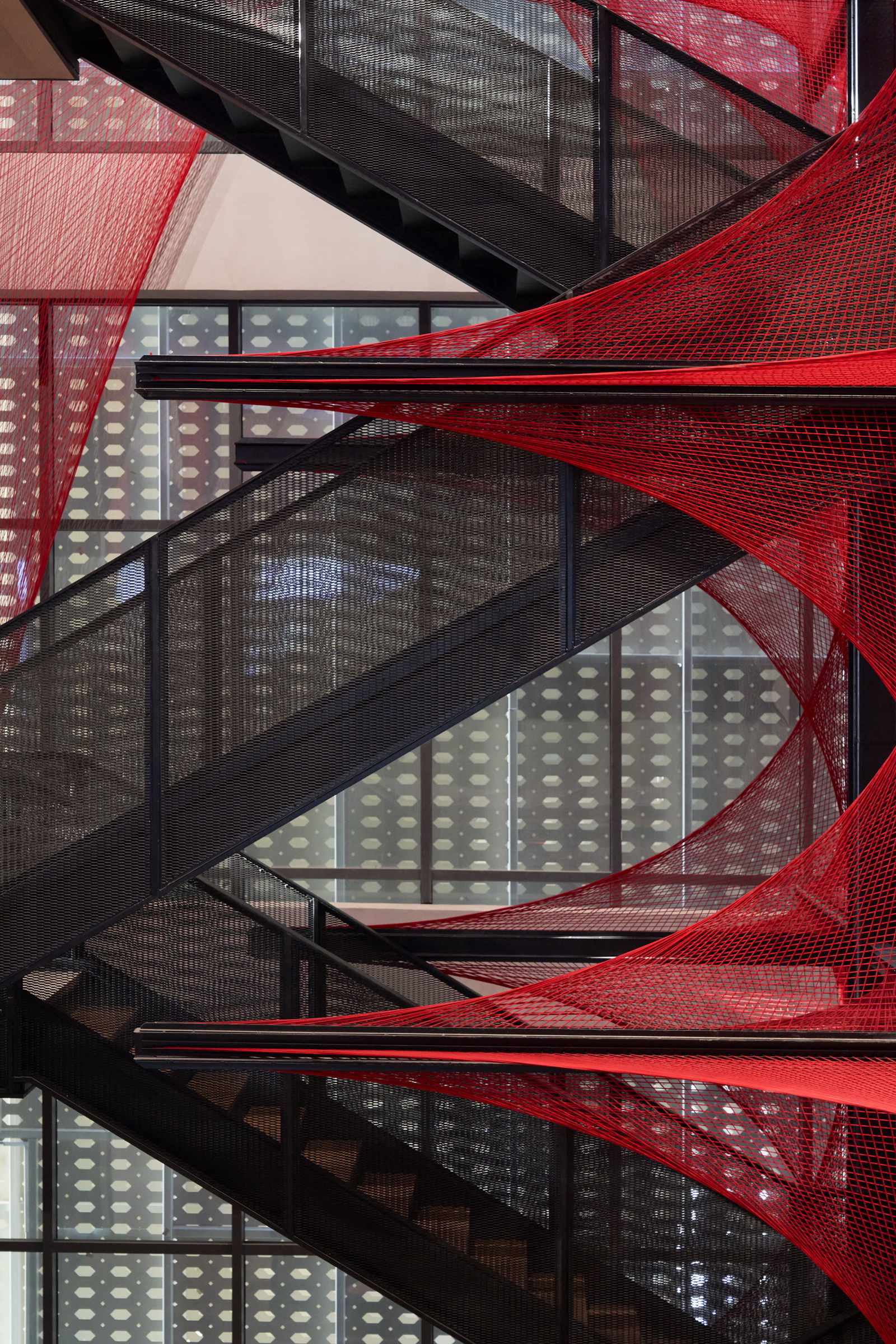
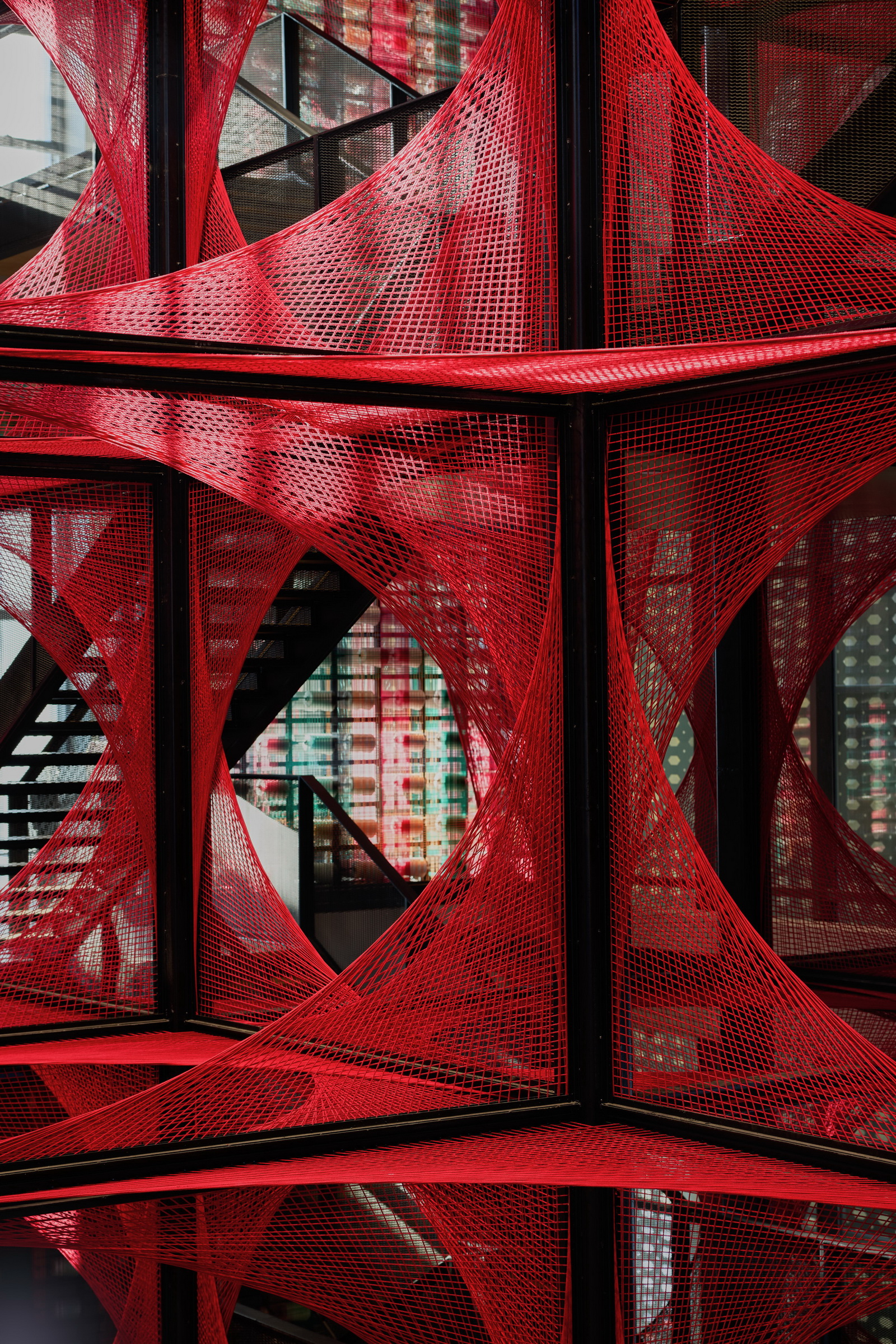
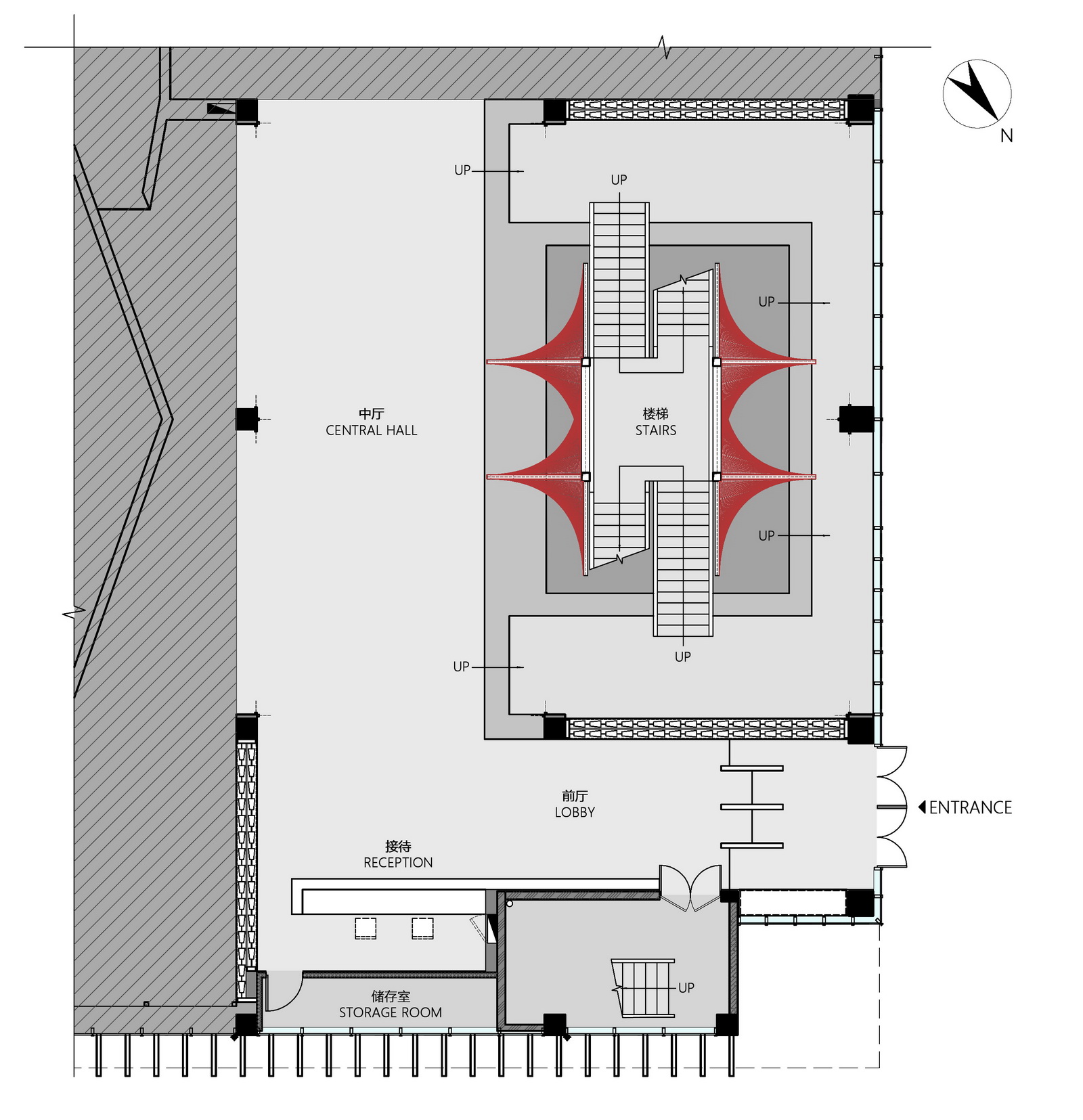
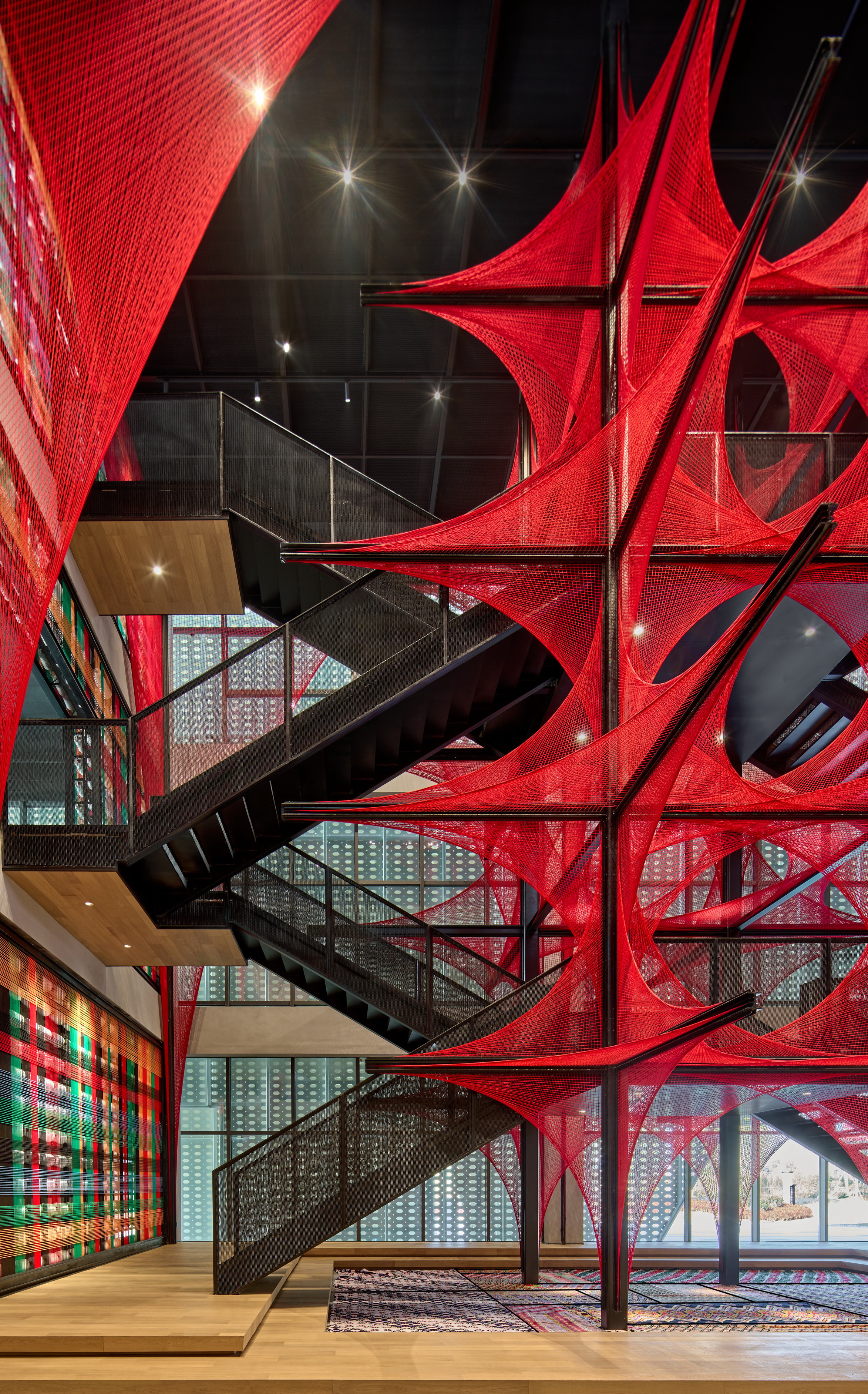
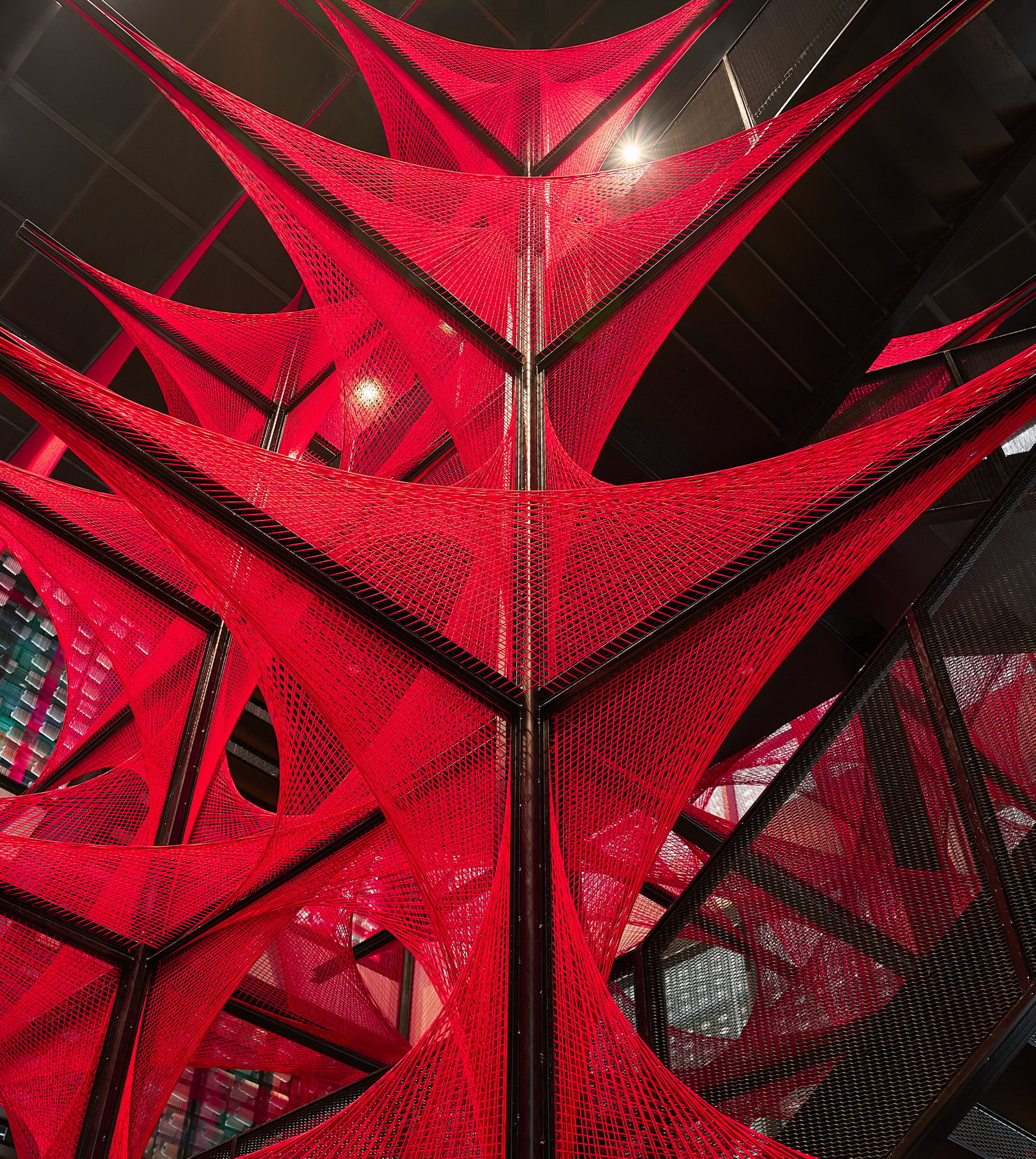
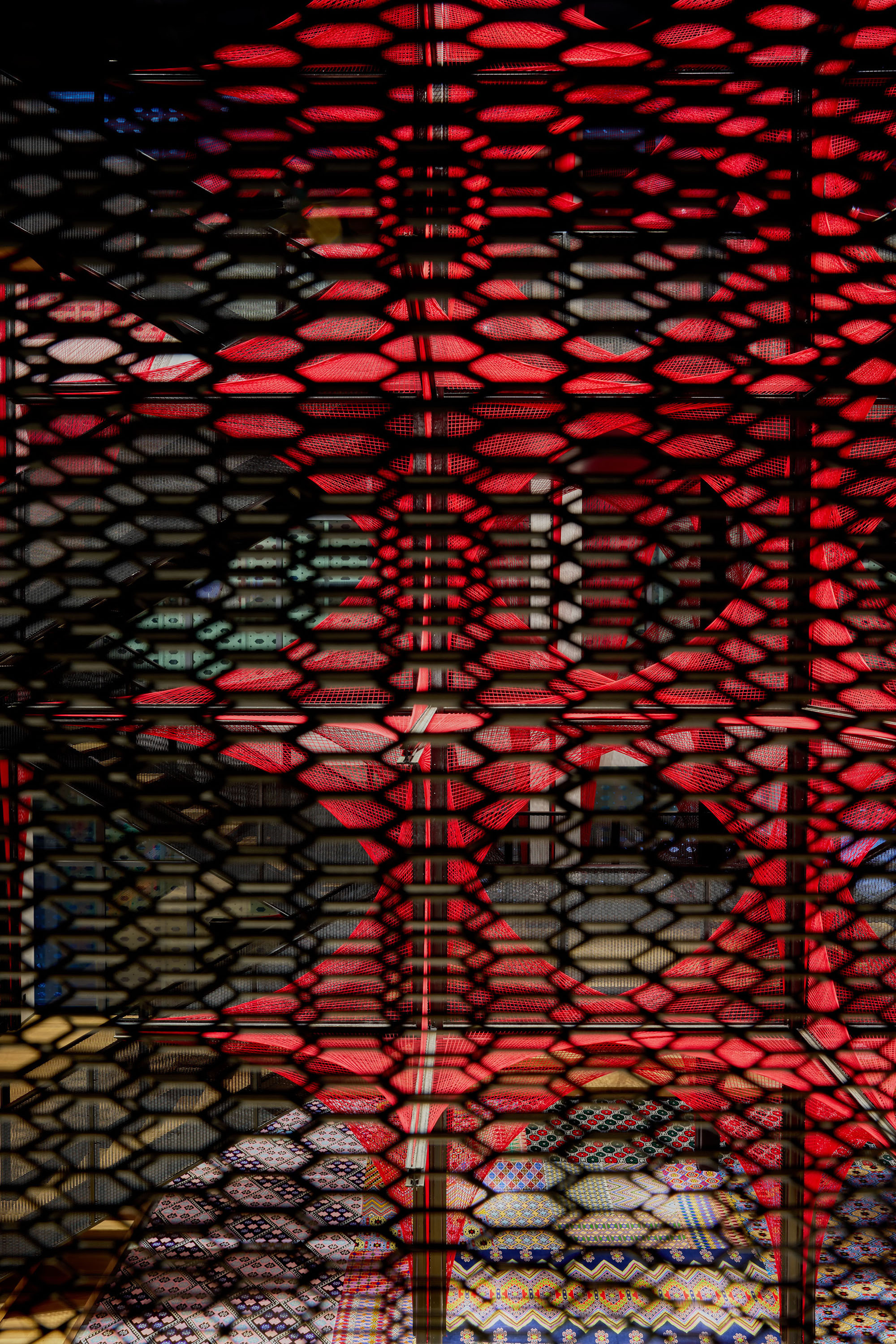
Culture is the super-genetic memory of humankind; it preserves everything from the past.—Yuri Borisov. The feeling that Xilan Kapu, or Tujia brocade, gives people is fully congruent with the temperament of the Tujia dialect—both come from the land and daily life, carrying the richness and dust of the earth. More consistently, if left without intervention, both are heading toward extinction. In 2022, the core space design and construction of the China Tujia Brocade Art Museum in Zhangjiajie, Hunan, was completed. The large central installation Flower of the Tujia—approximately eight meters wide, thirteen meters high, and eight meters deep—was woven from 150,000 meters of red brocade thread, leaping from the ground straight to the vault. Its power compels visitors to step closer and explore this thousand-year-old traditional craft. The China Tujia Brocade Art Museum takes the national intangible cultural heritage of Tujia brocade weaving as its industrial core. Zhangjiajie Guaiyimei Tujia Brocade commissioned YI+MU Space Design to complete the entire museum design, with the main space centered on the Flower of the Tujia installation completed in four months. This collaboration across Vancouver, Beijing, and Zhangjiajie was like a time-spanning brocade weaving pattern, slowly unfolding in full bloom. Xilan Kapu, or earth-flower bedding, carries the character Tujia before it to mark the Tujia ethnic identity of this folk craft. The museum brings this endangered textile tradition into contemporary architectural space, using the monumental scale of the brocade installation to make a quiet craft felt with renewed force.




 Editor's Pick
 Latest Design