Text description provided by the architects
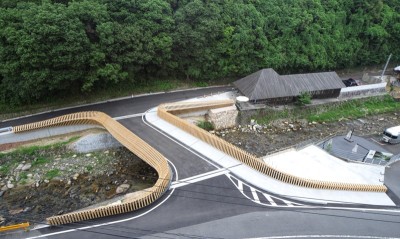
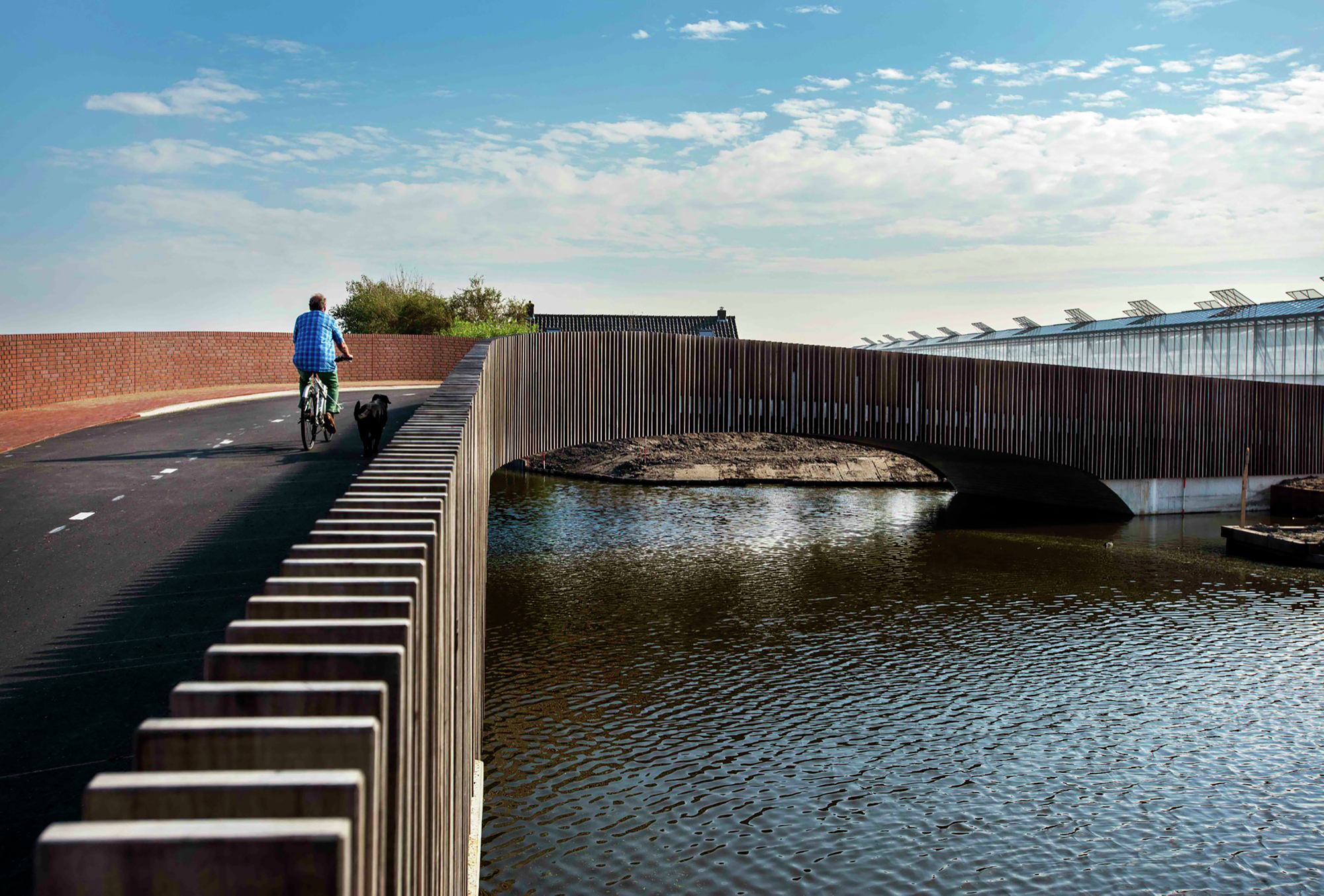
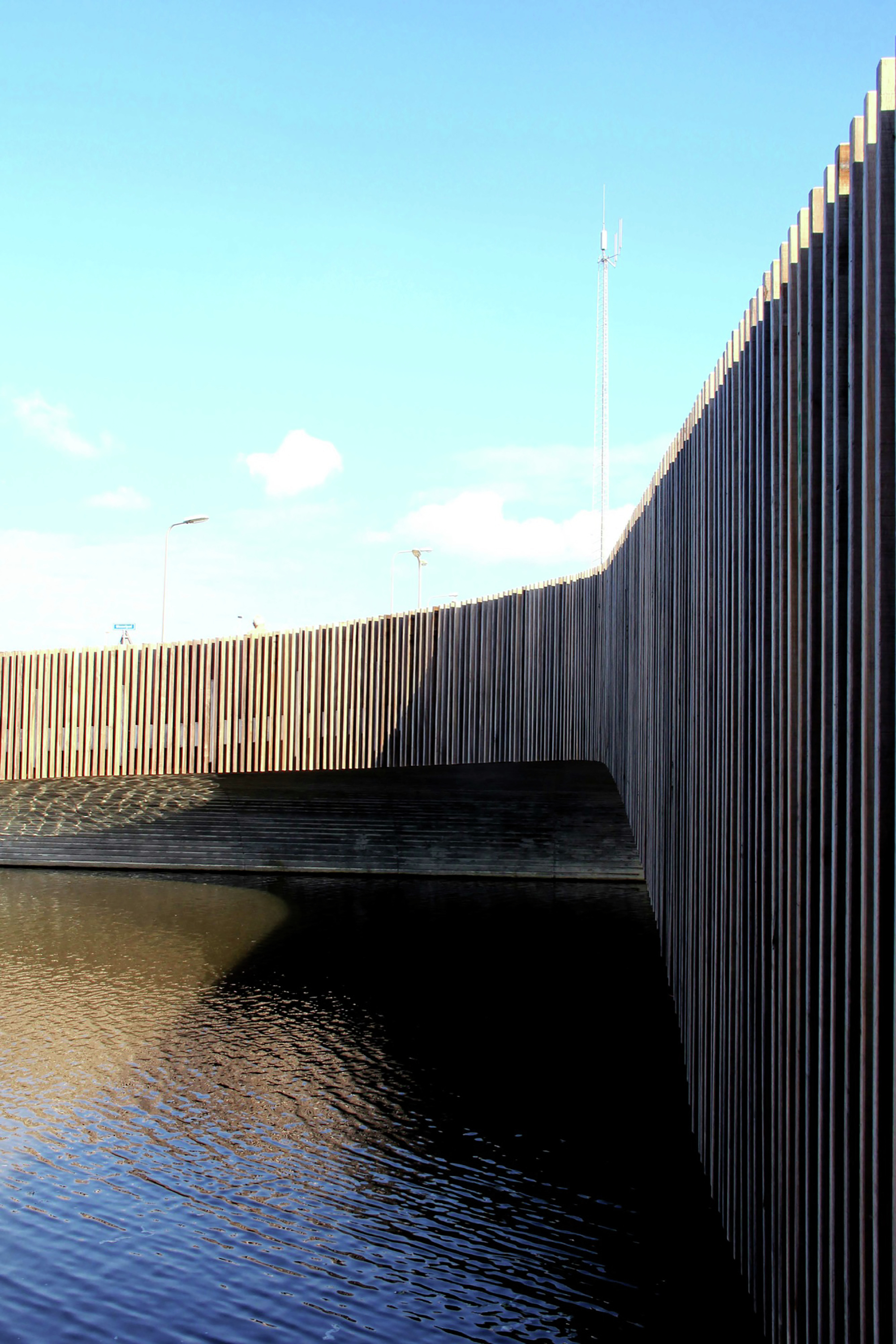
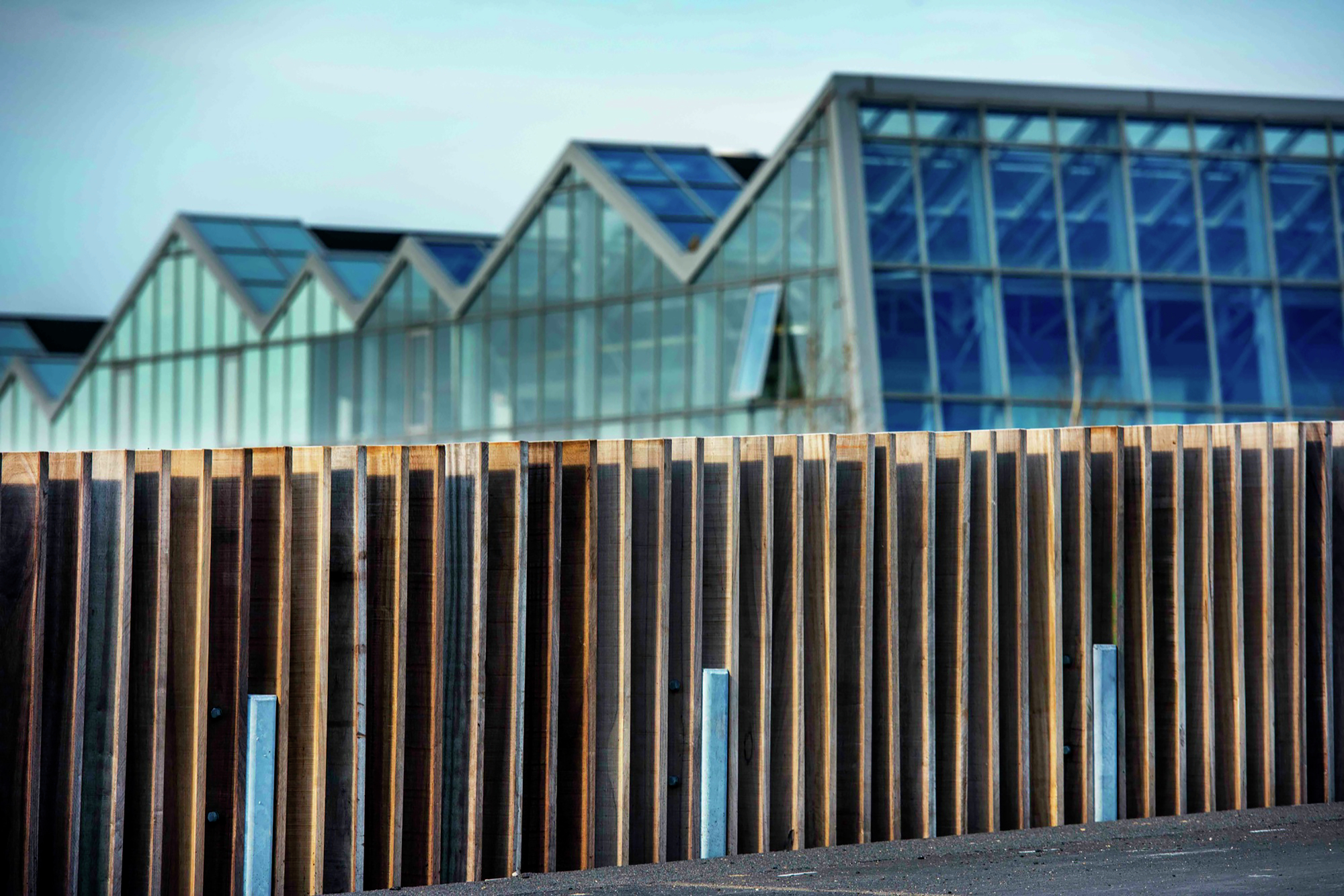
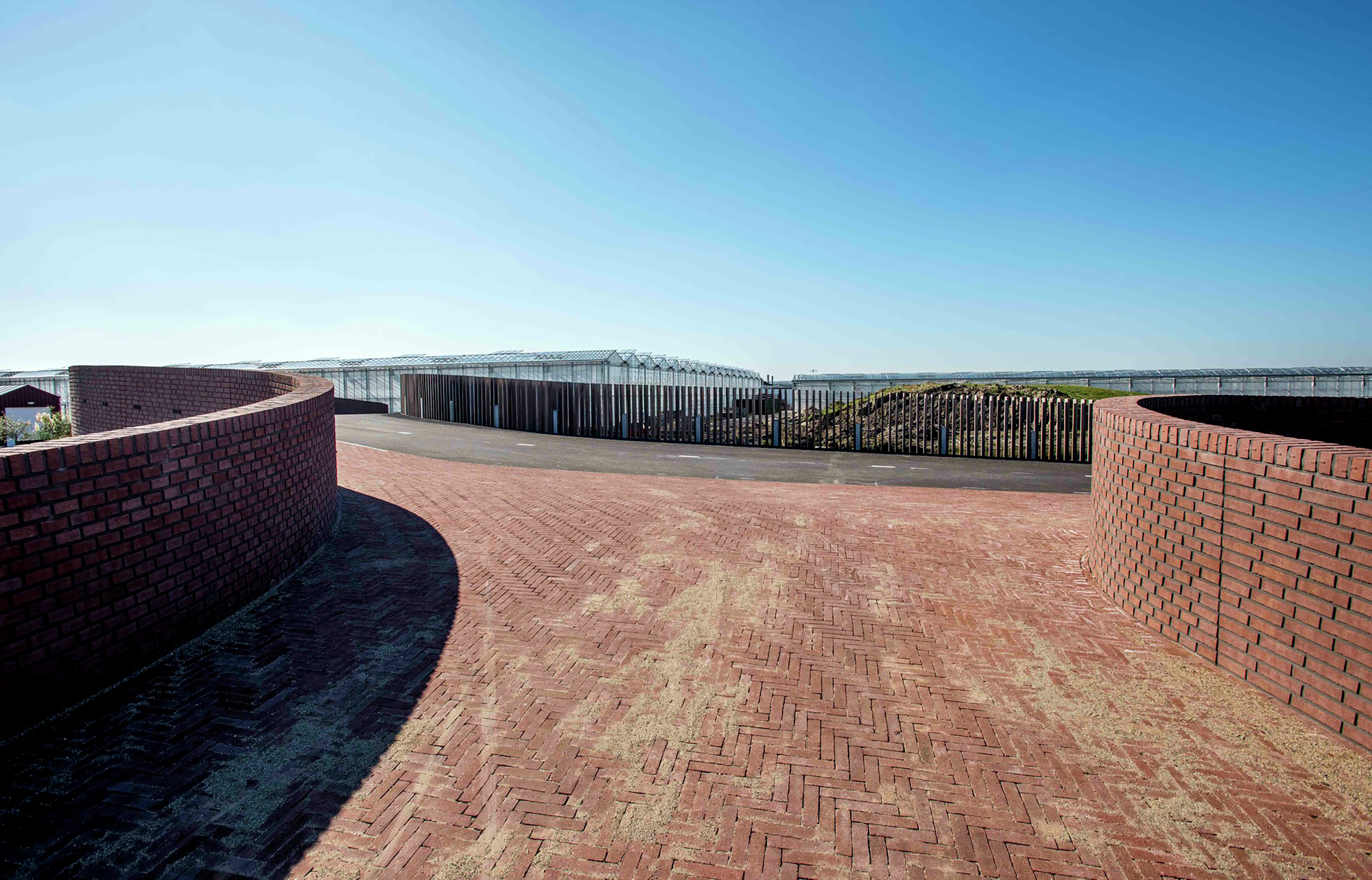
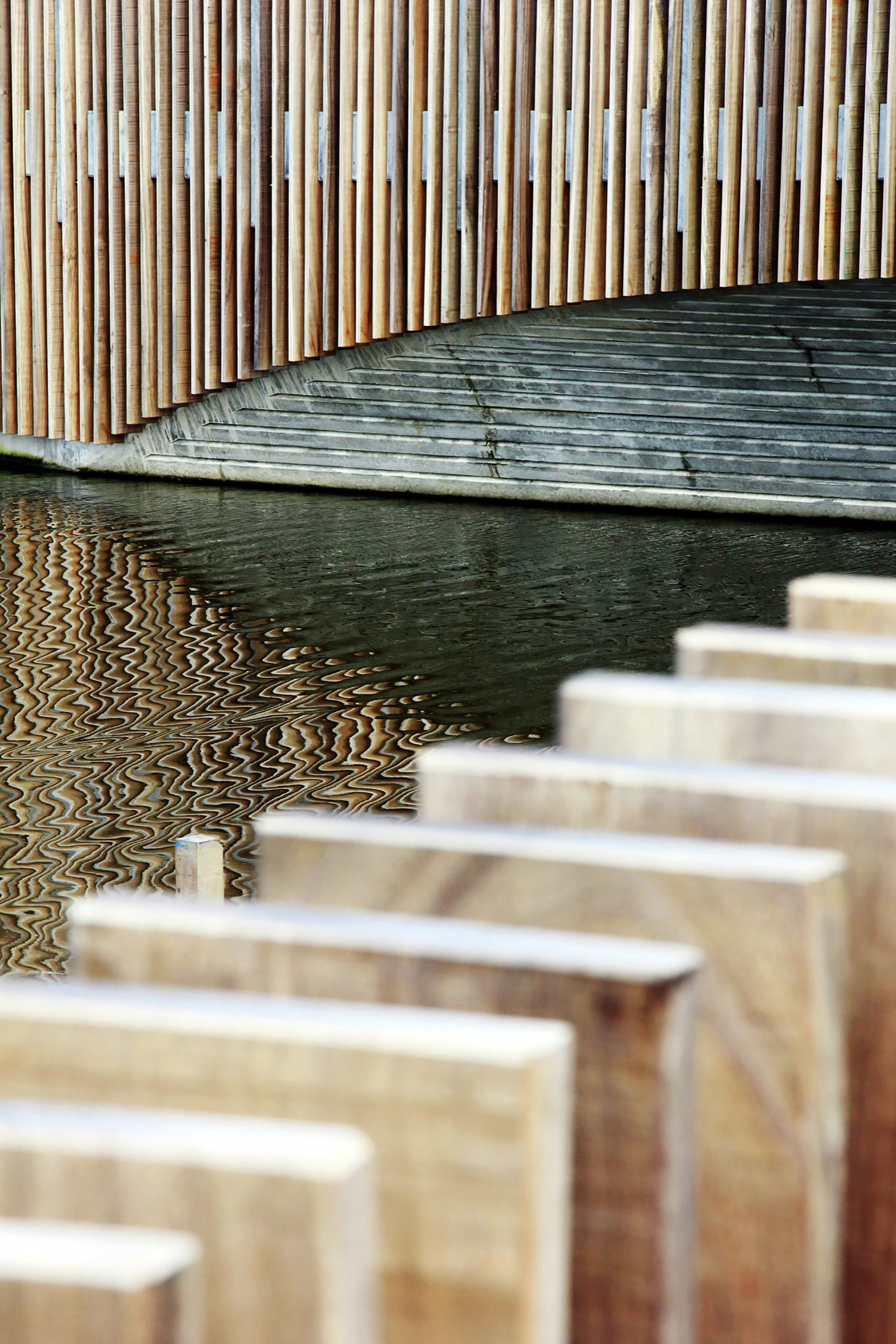
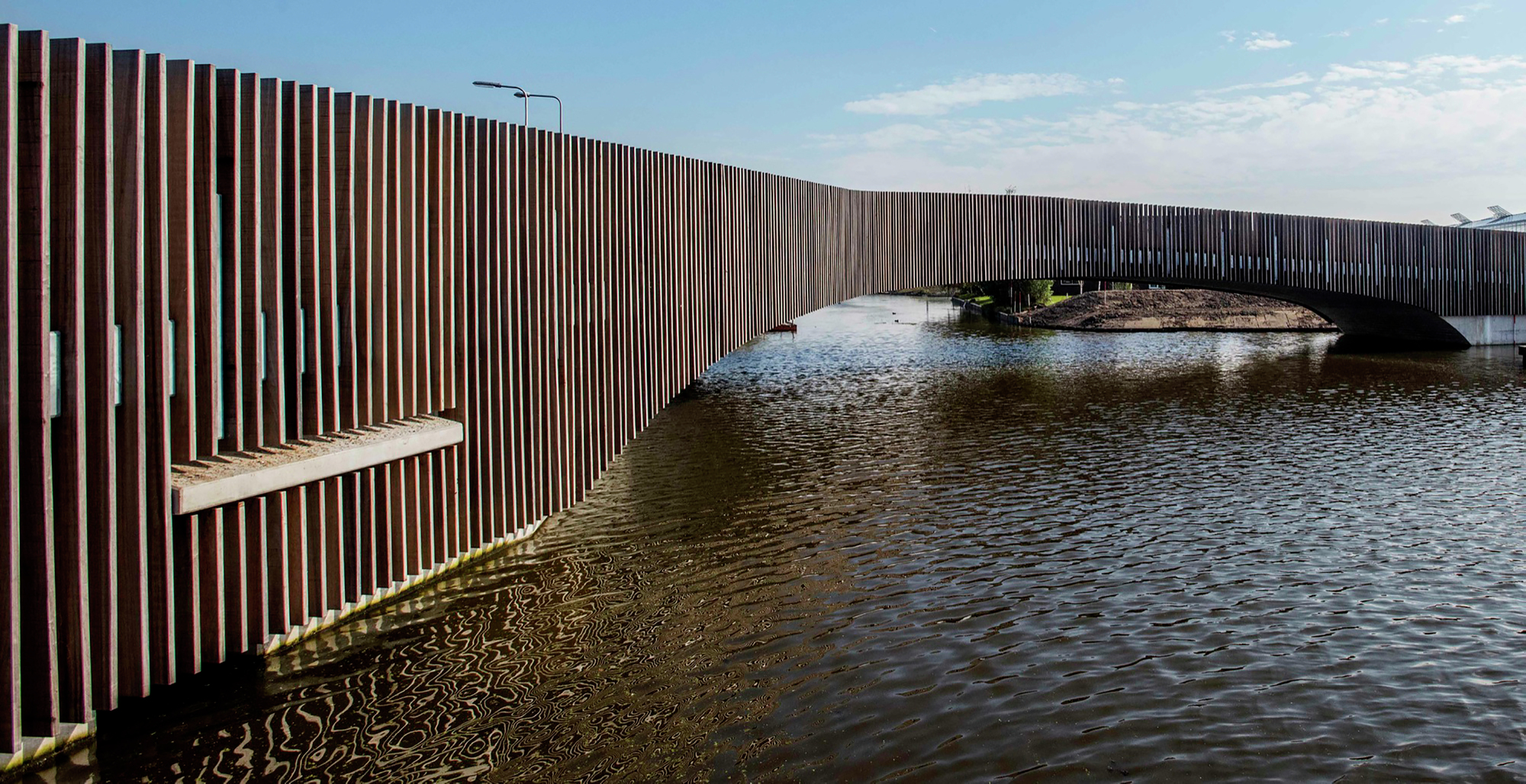
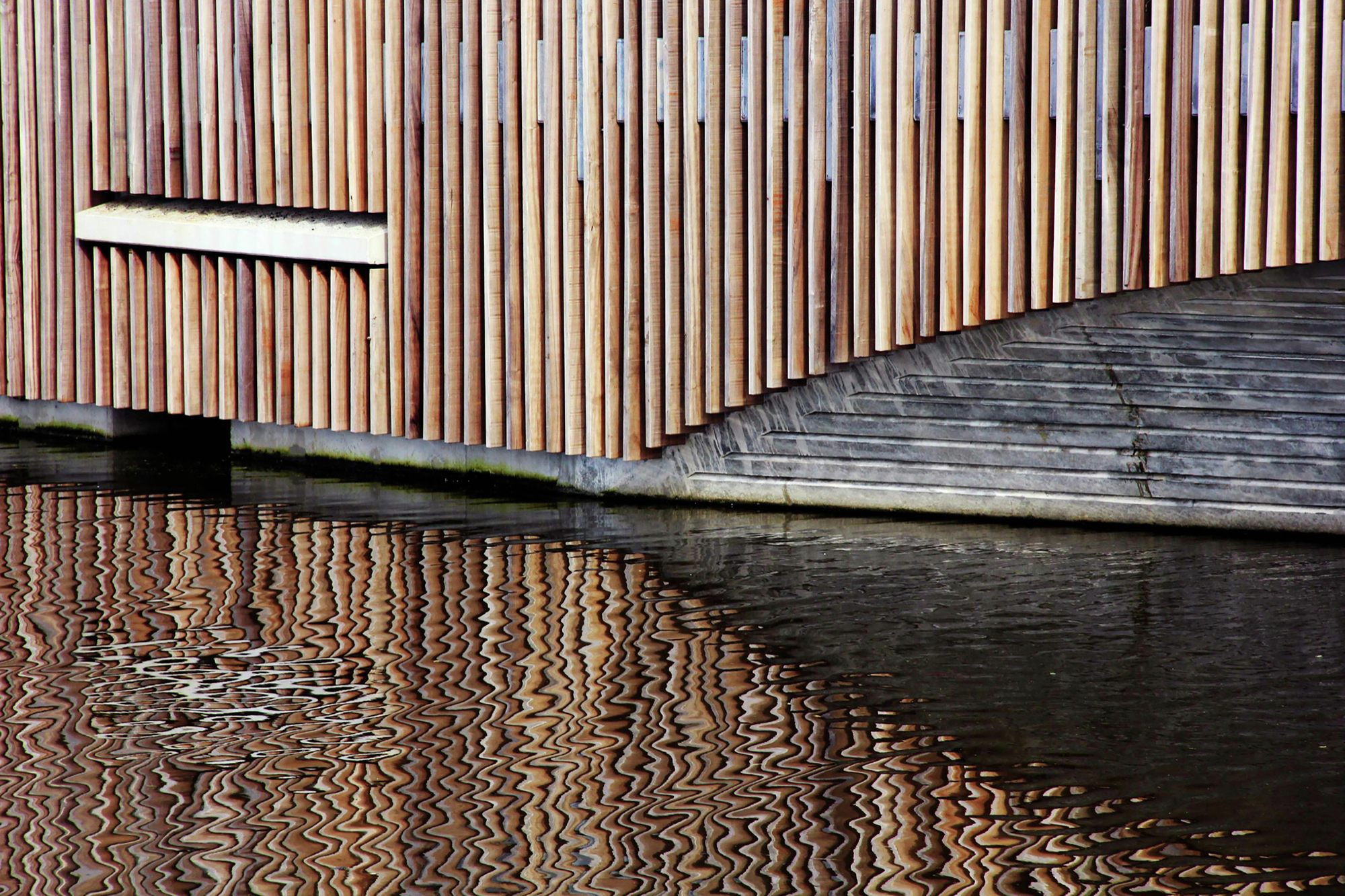
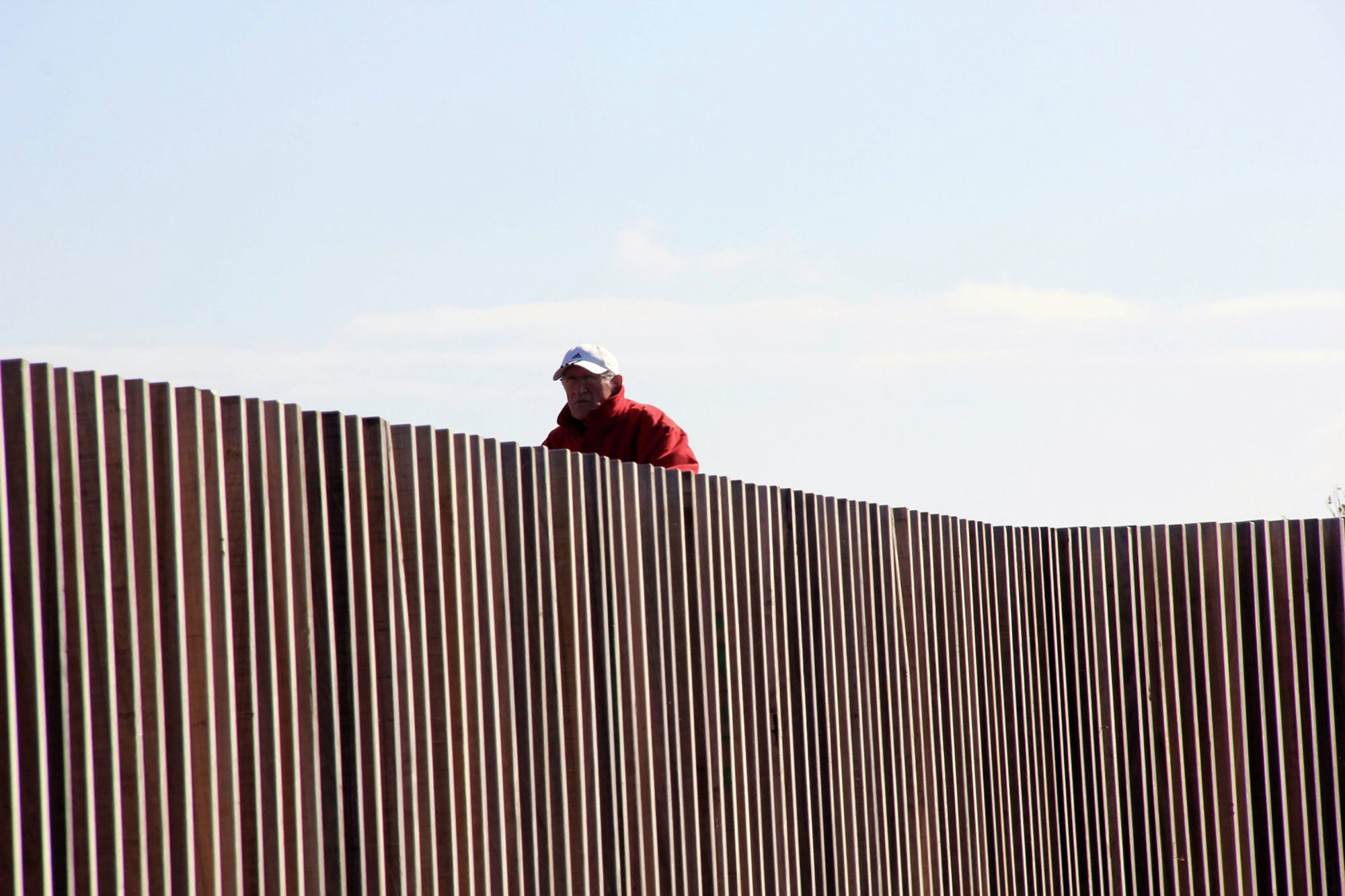
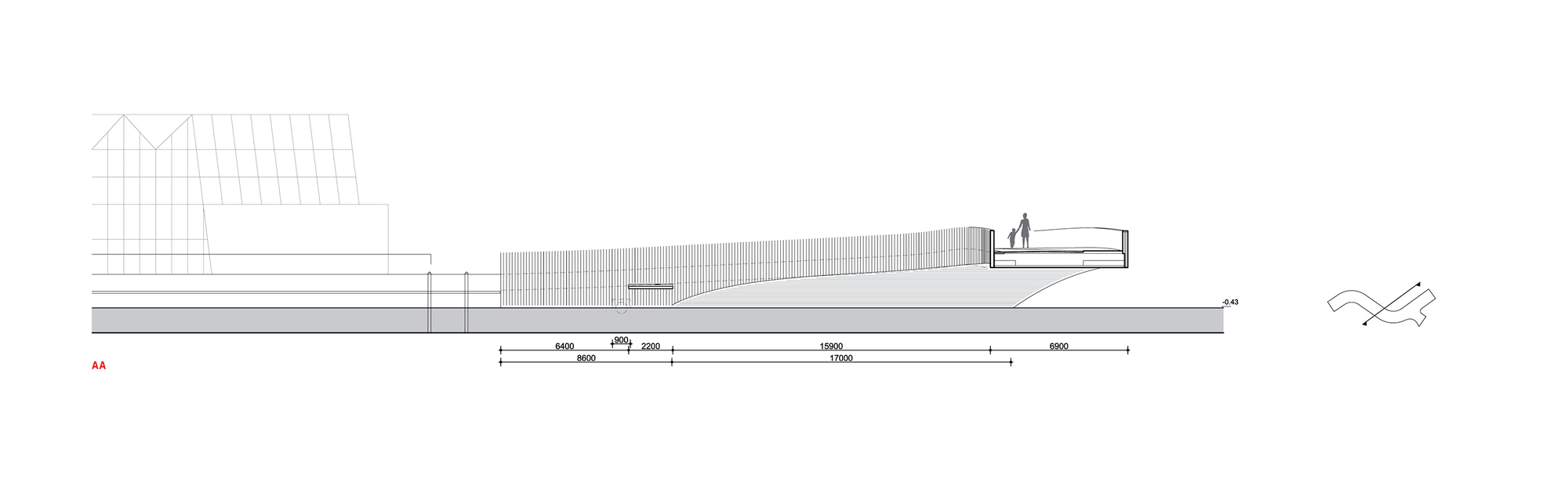
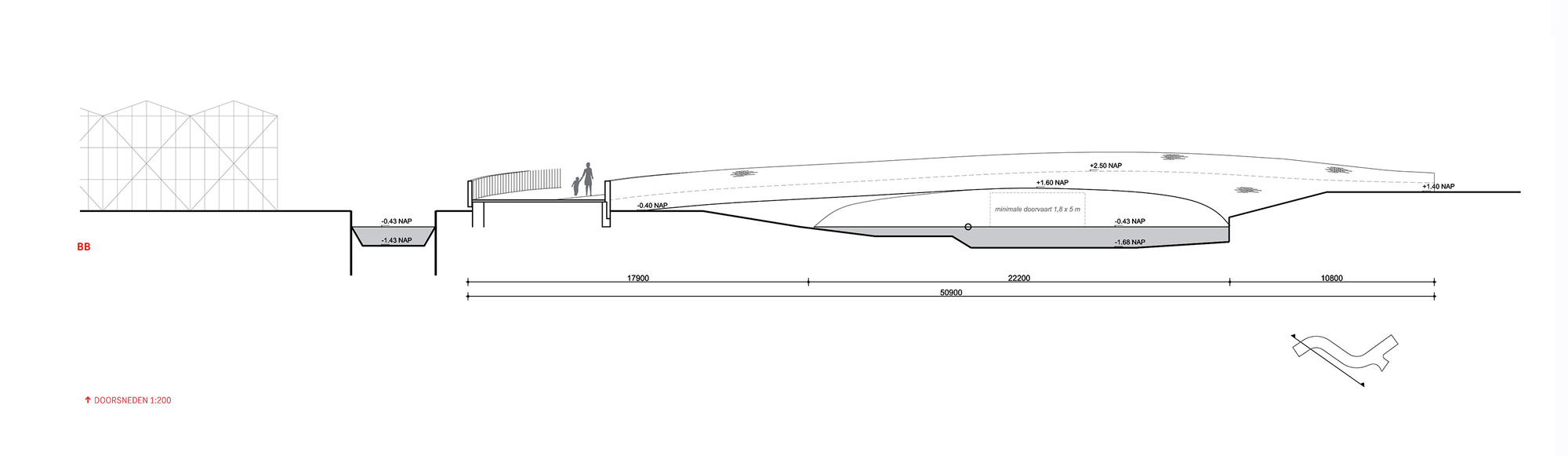
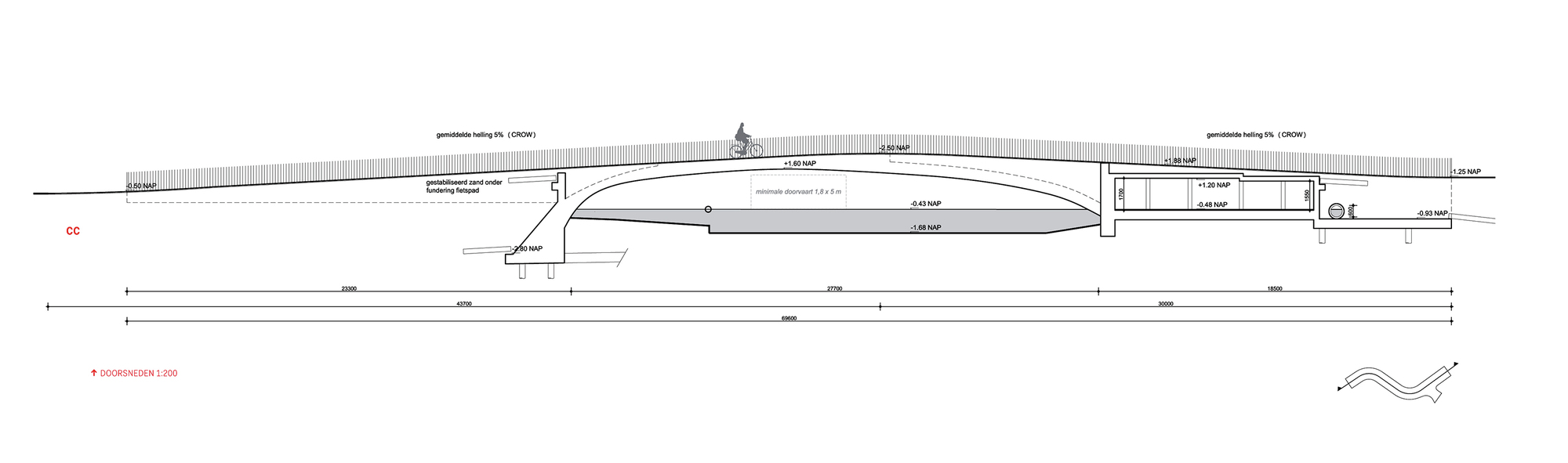
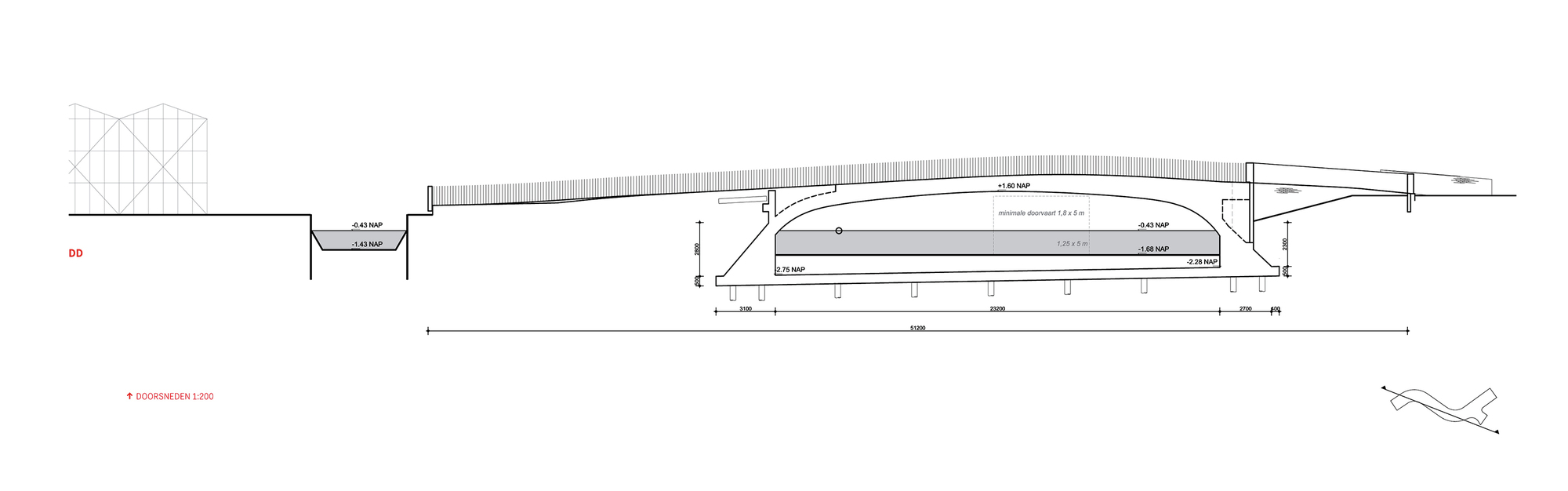
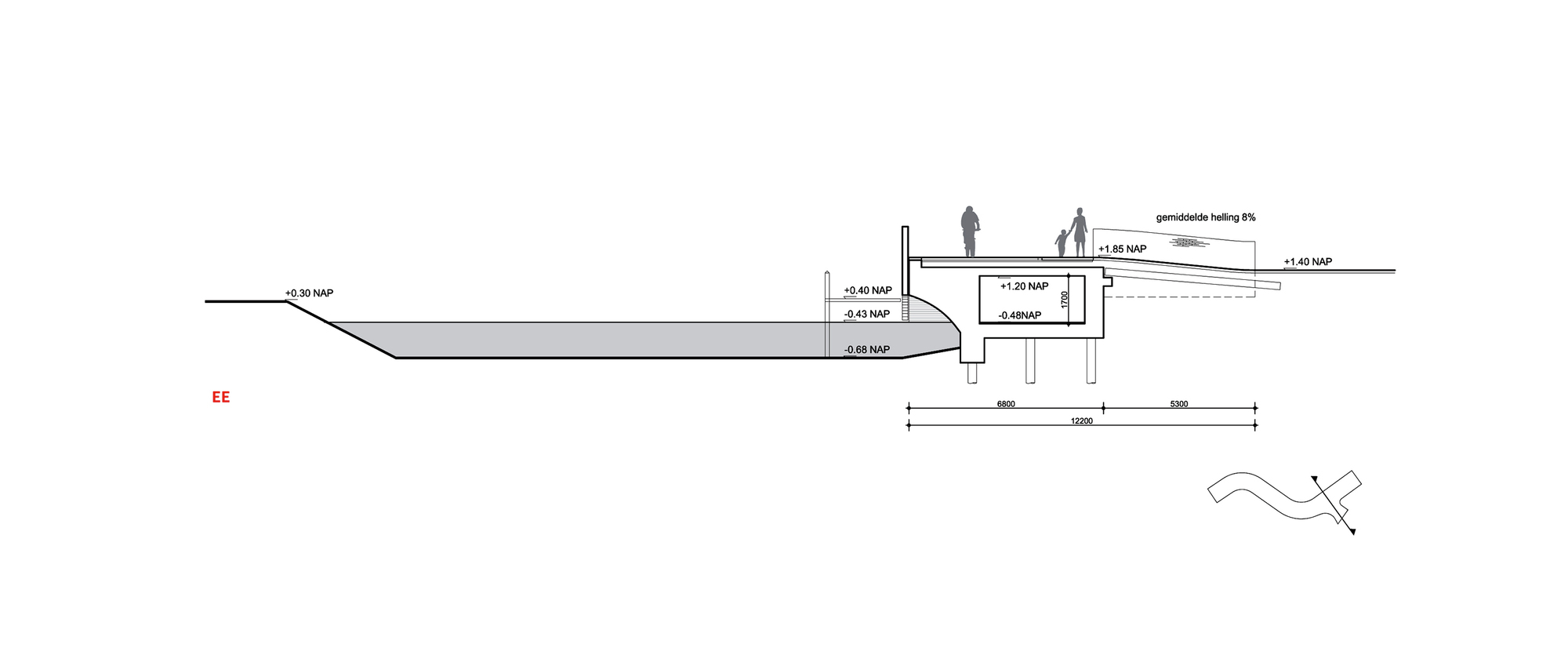
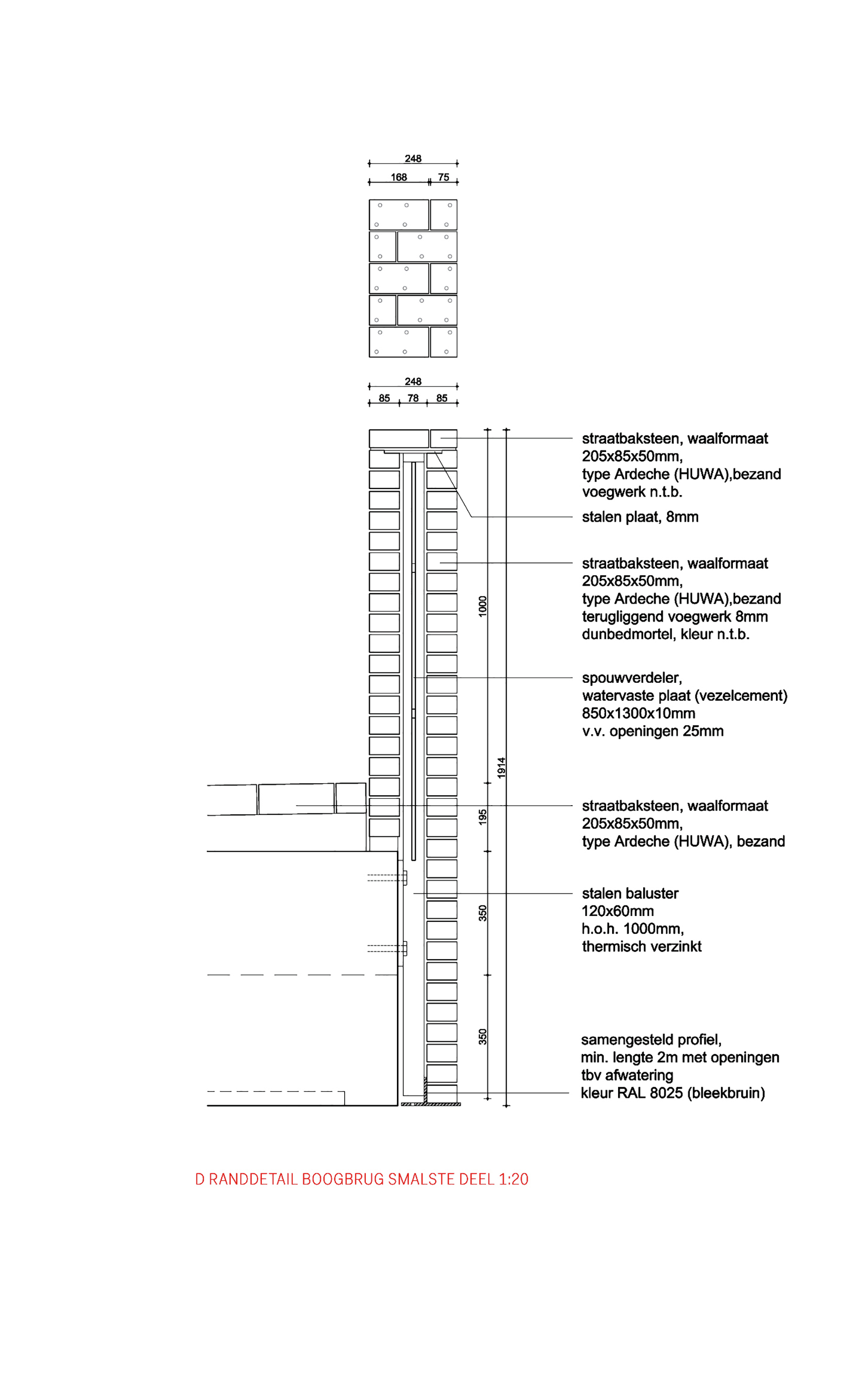
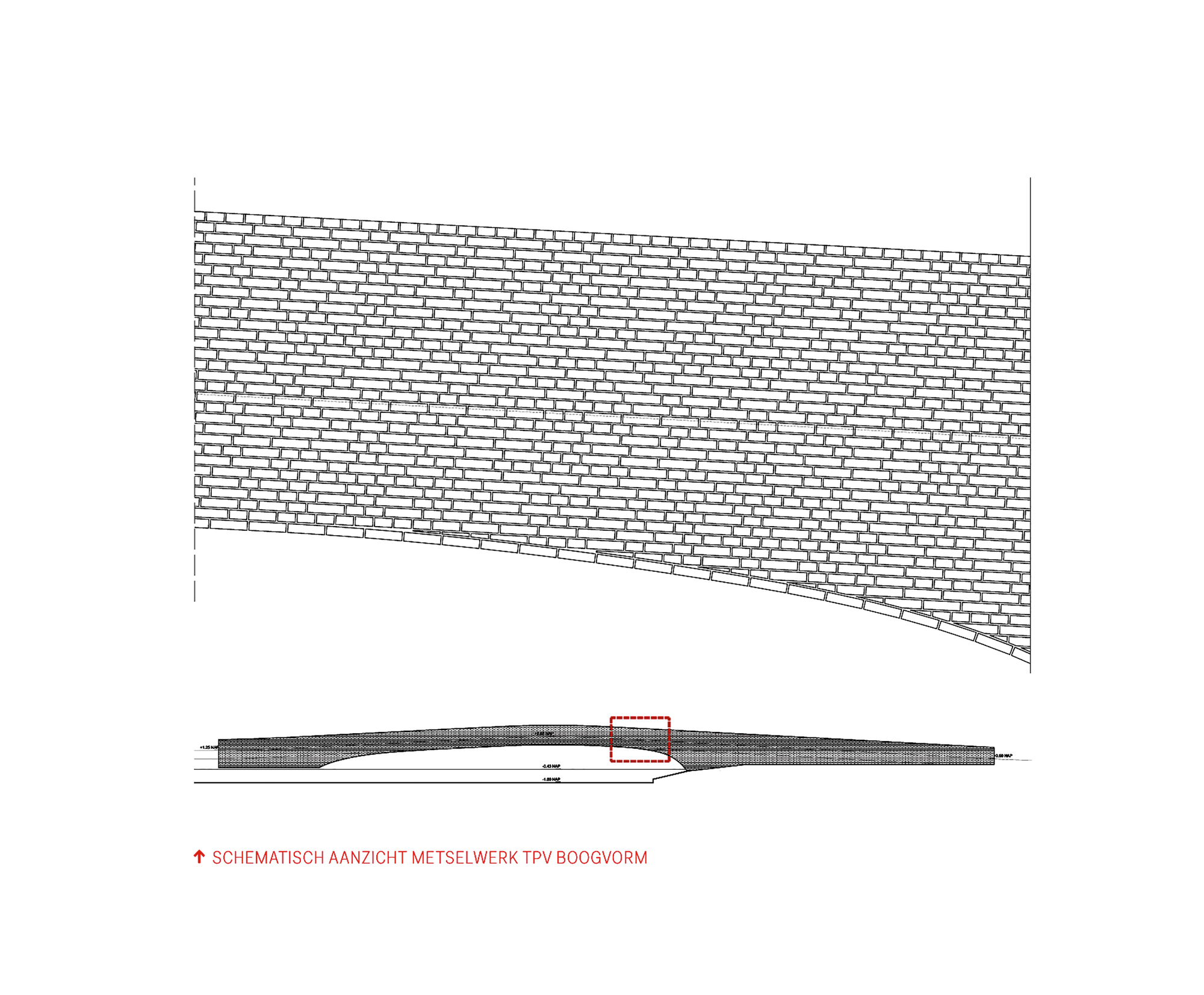
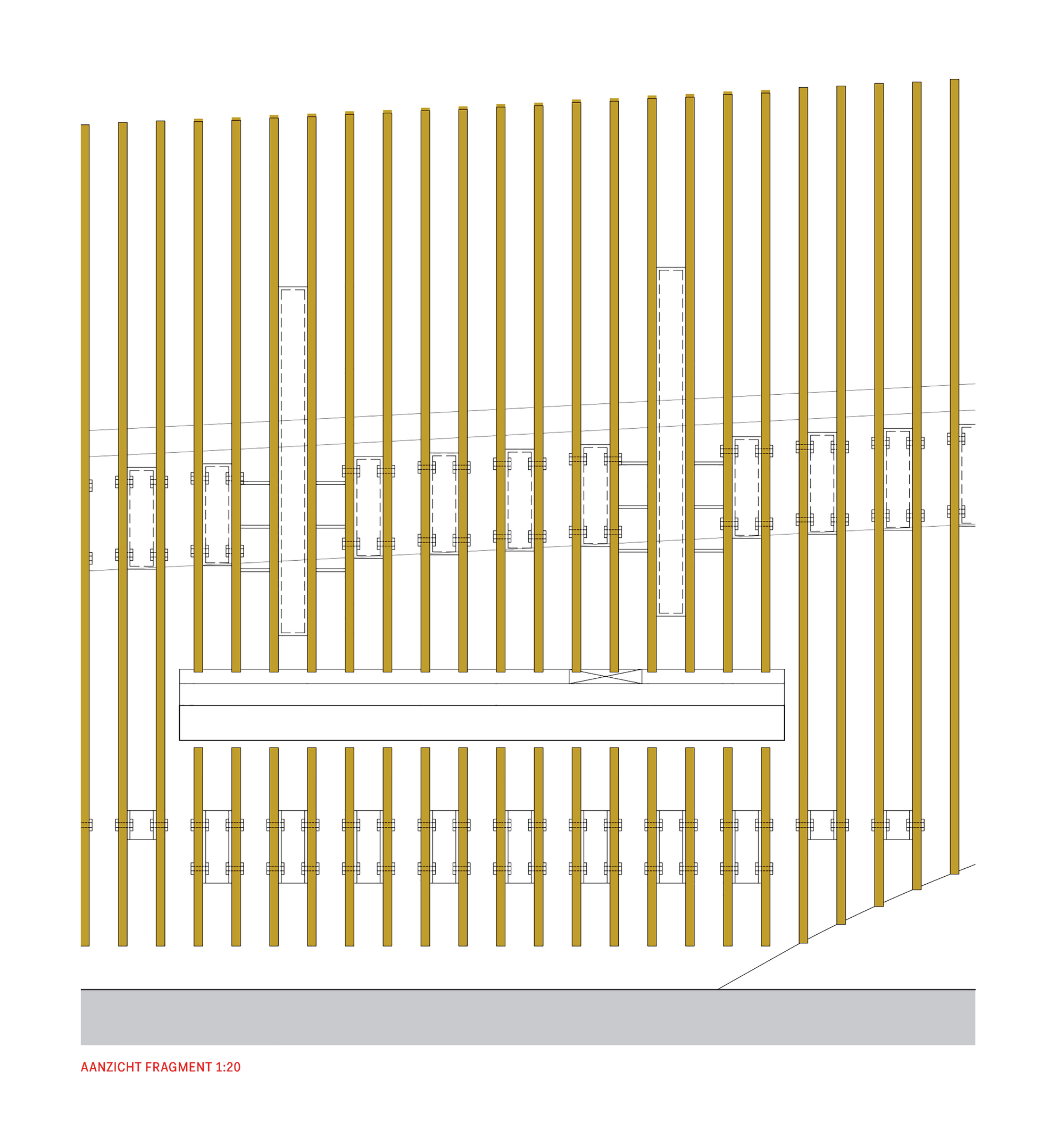
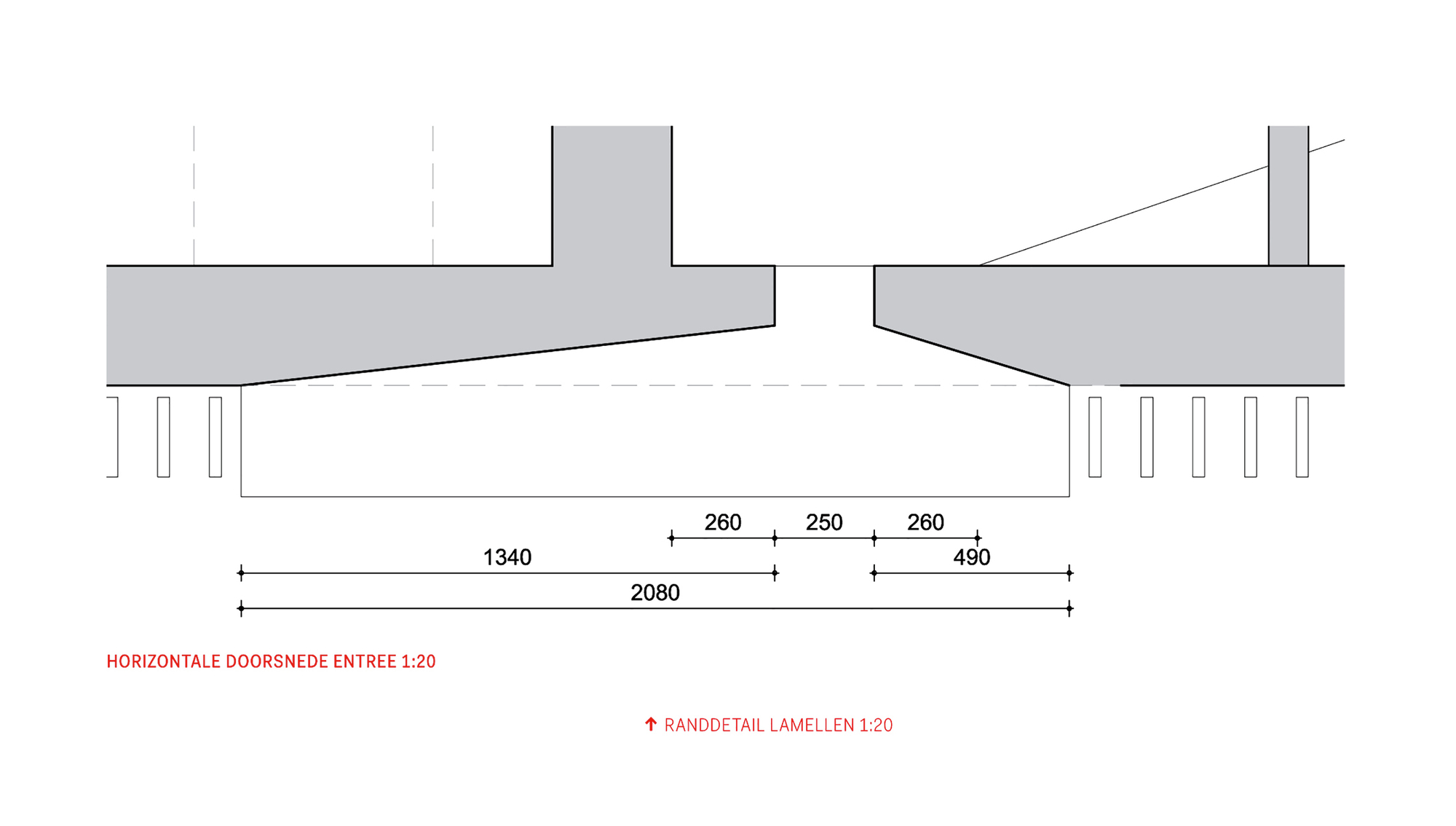
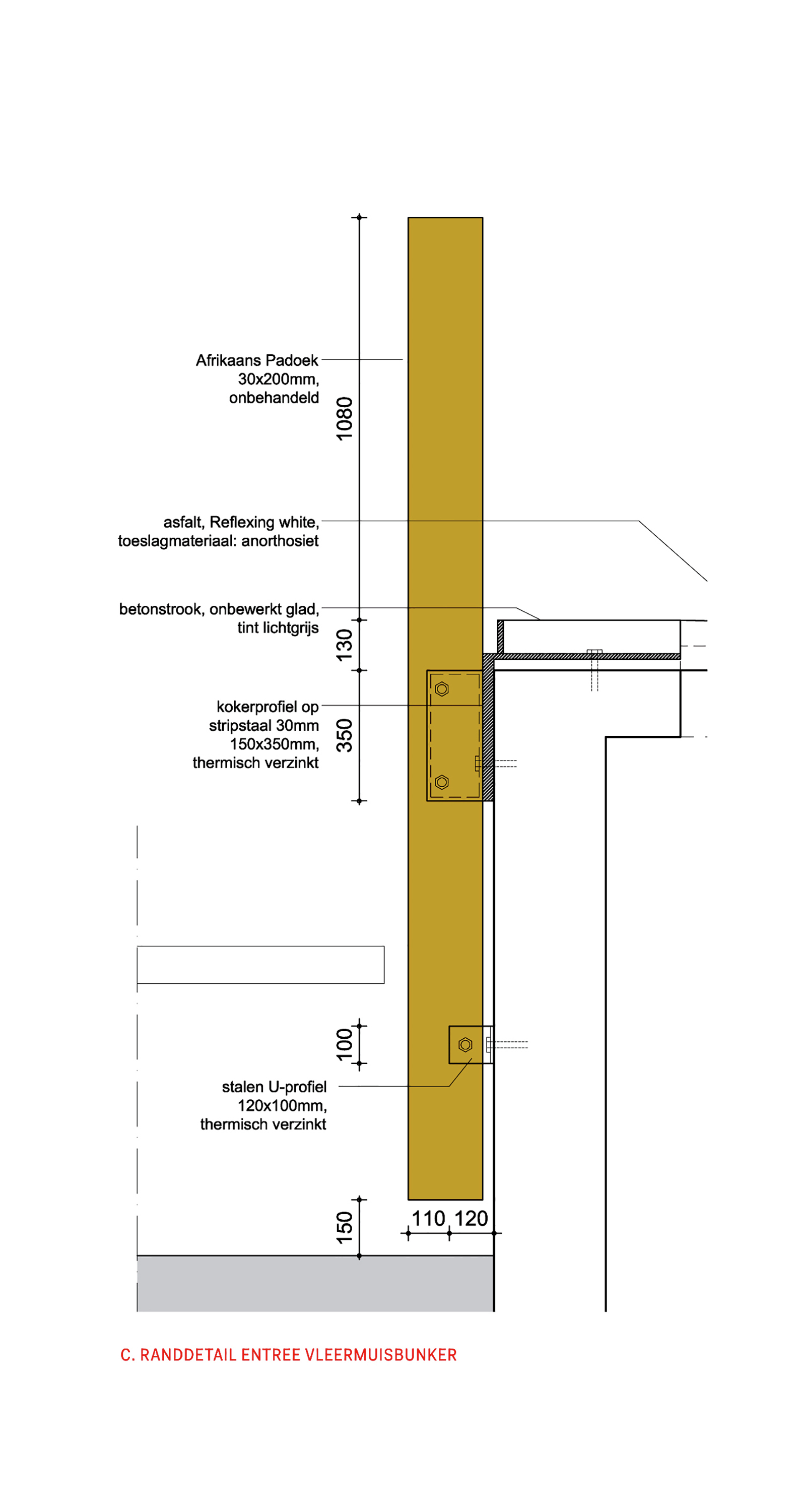
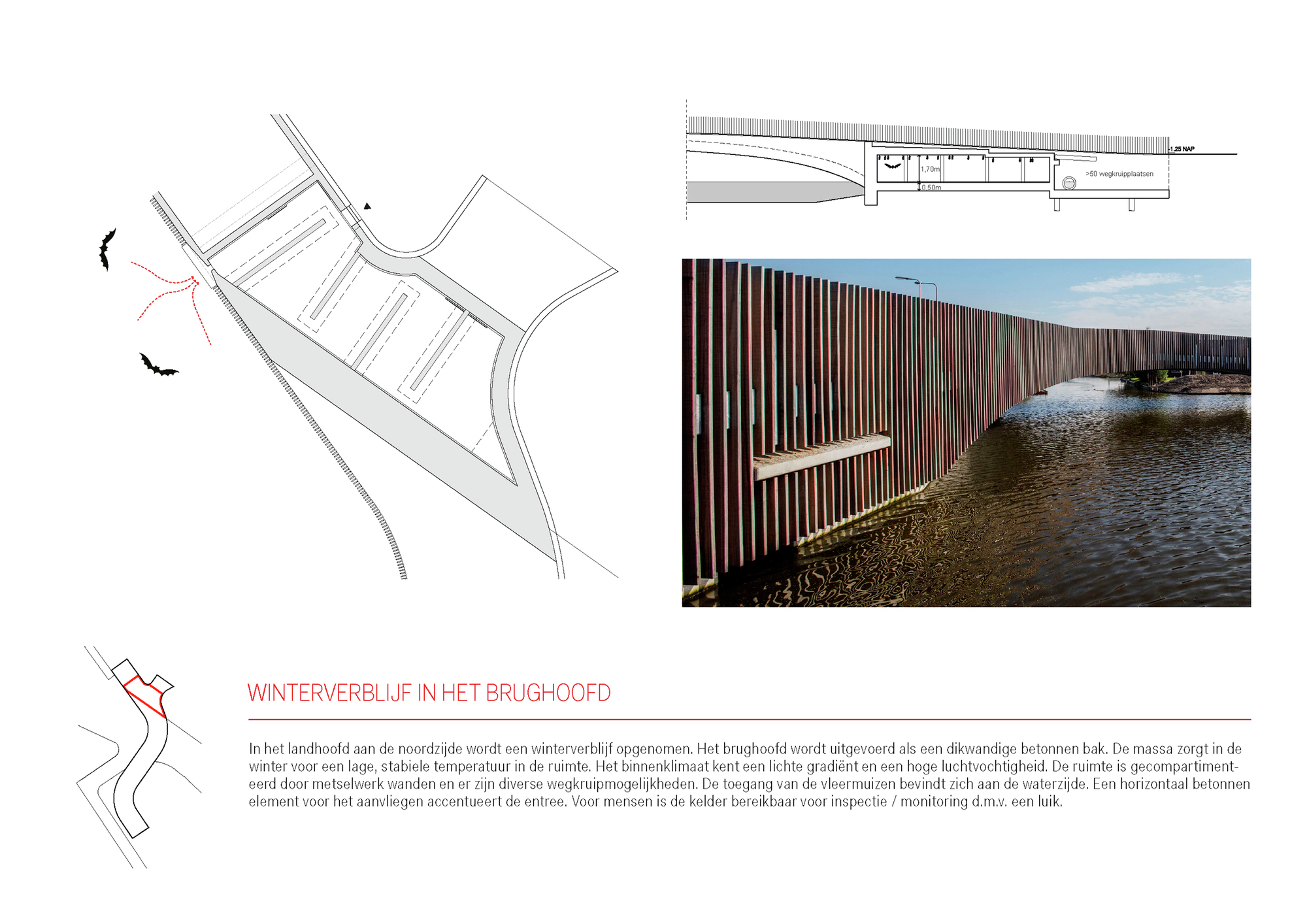
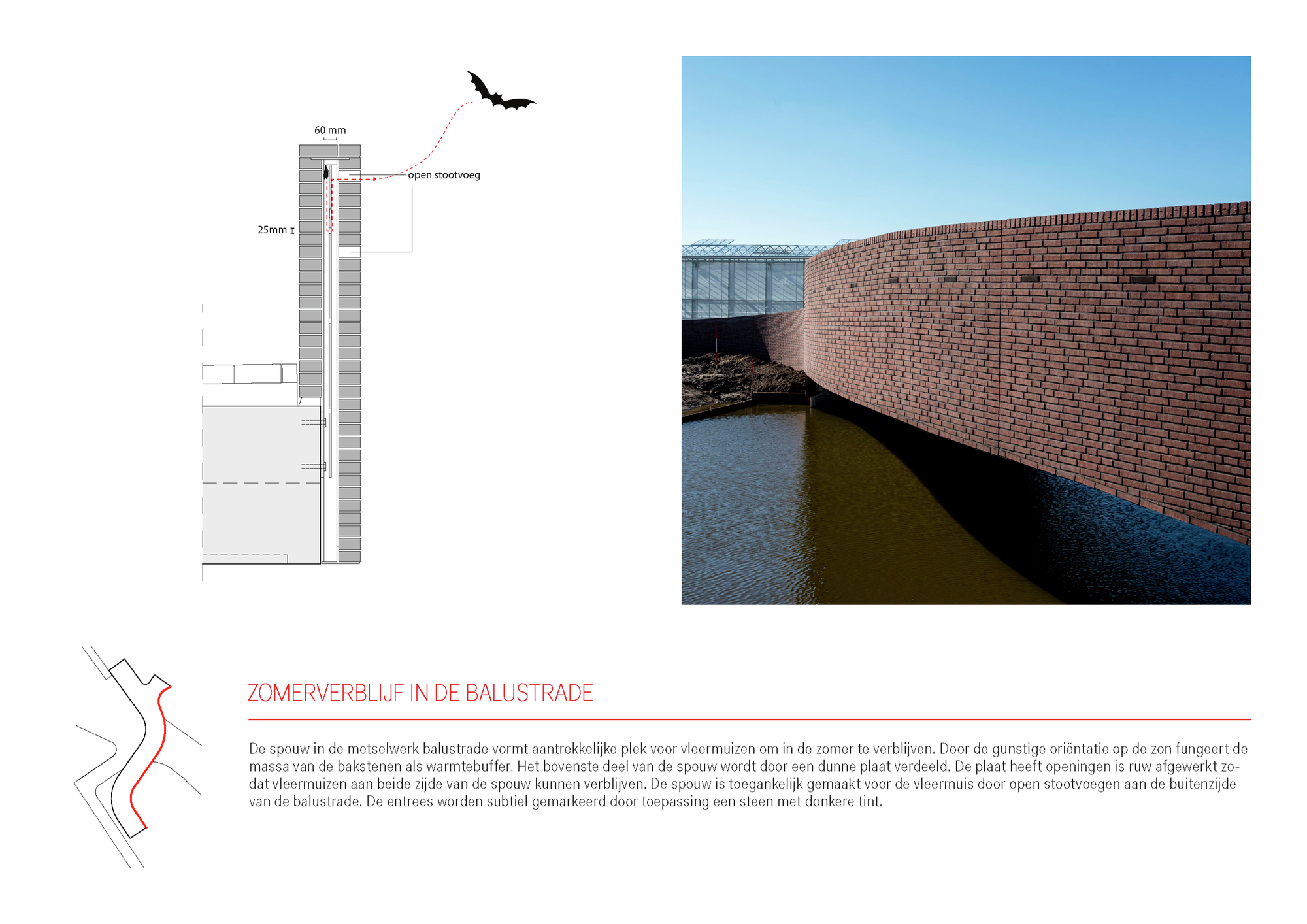
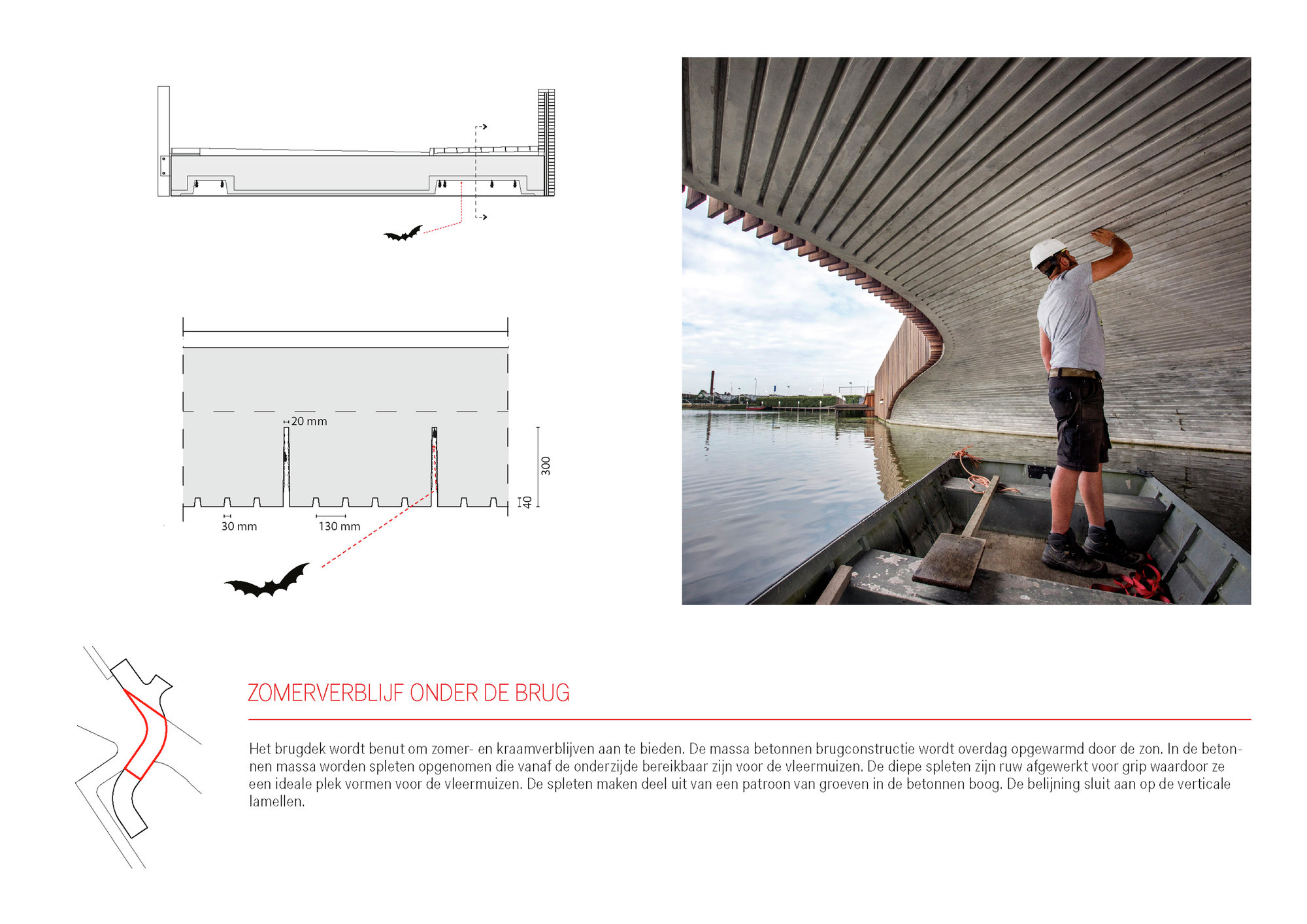
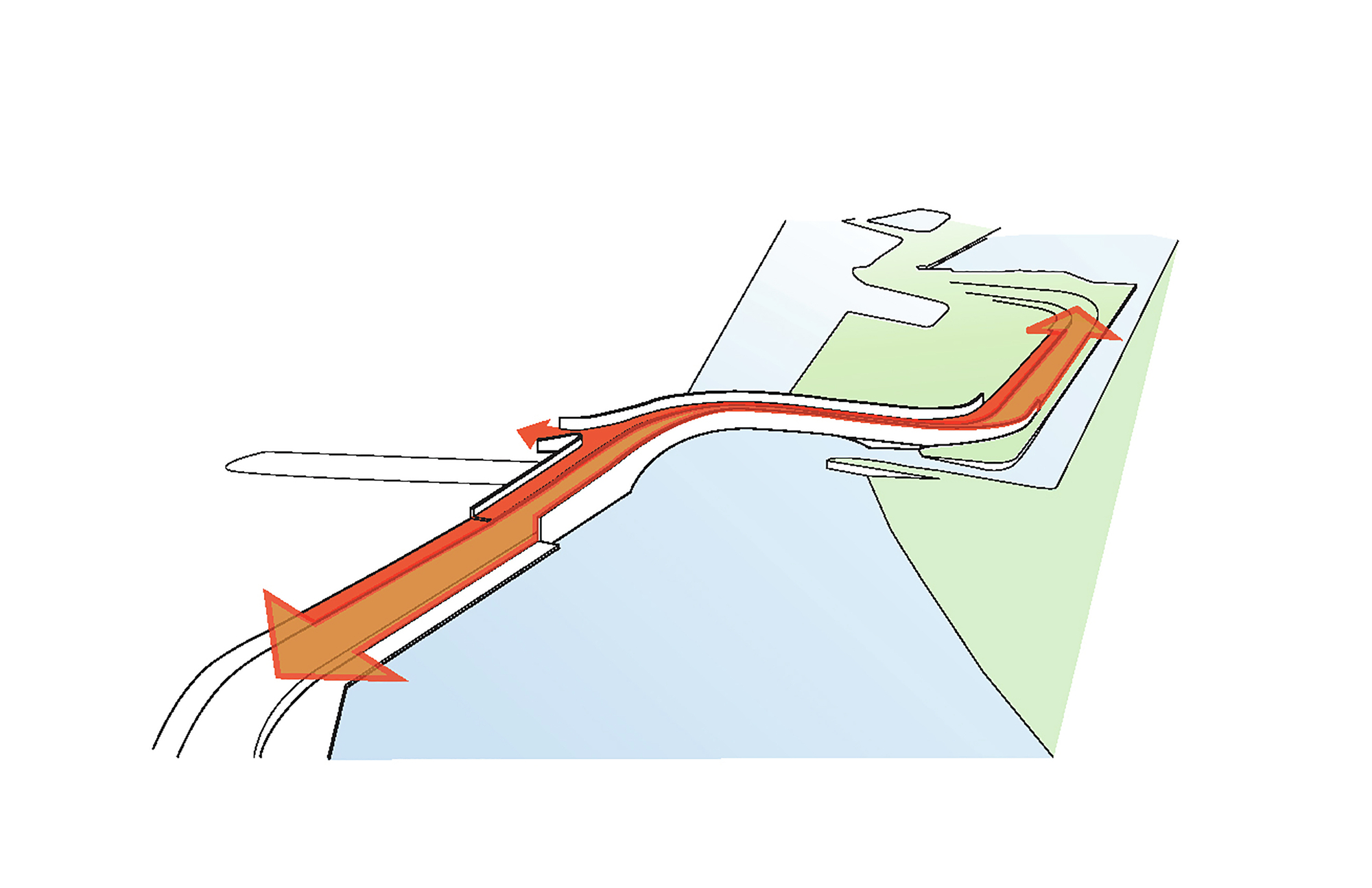
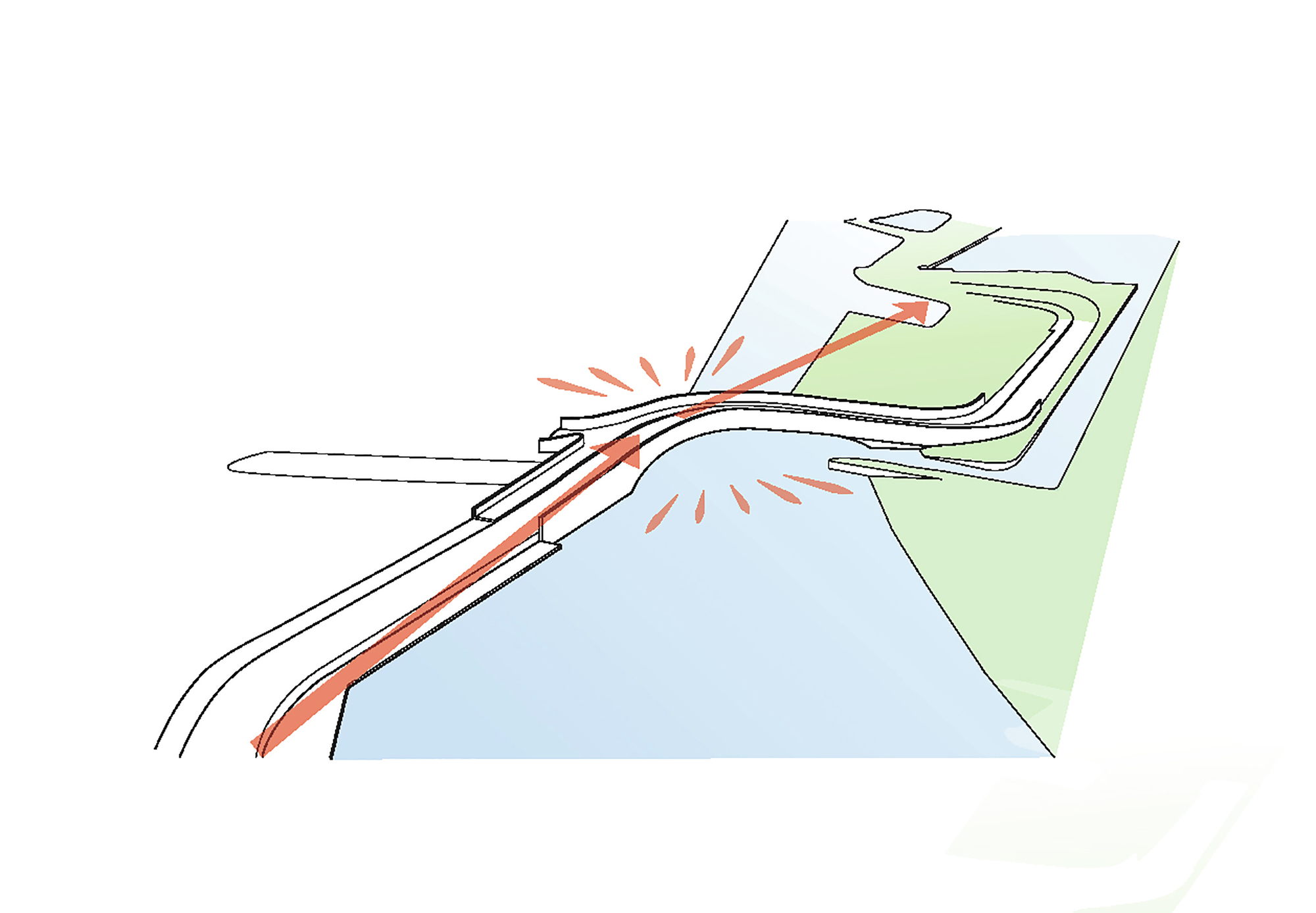
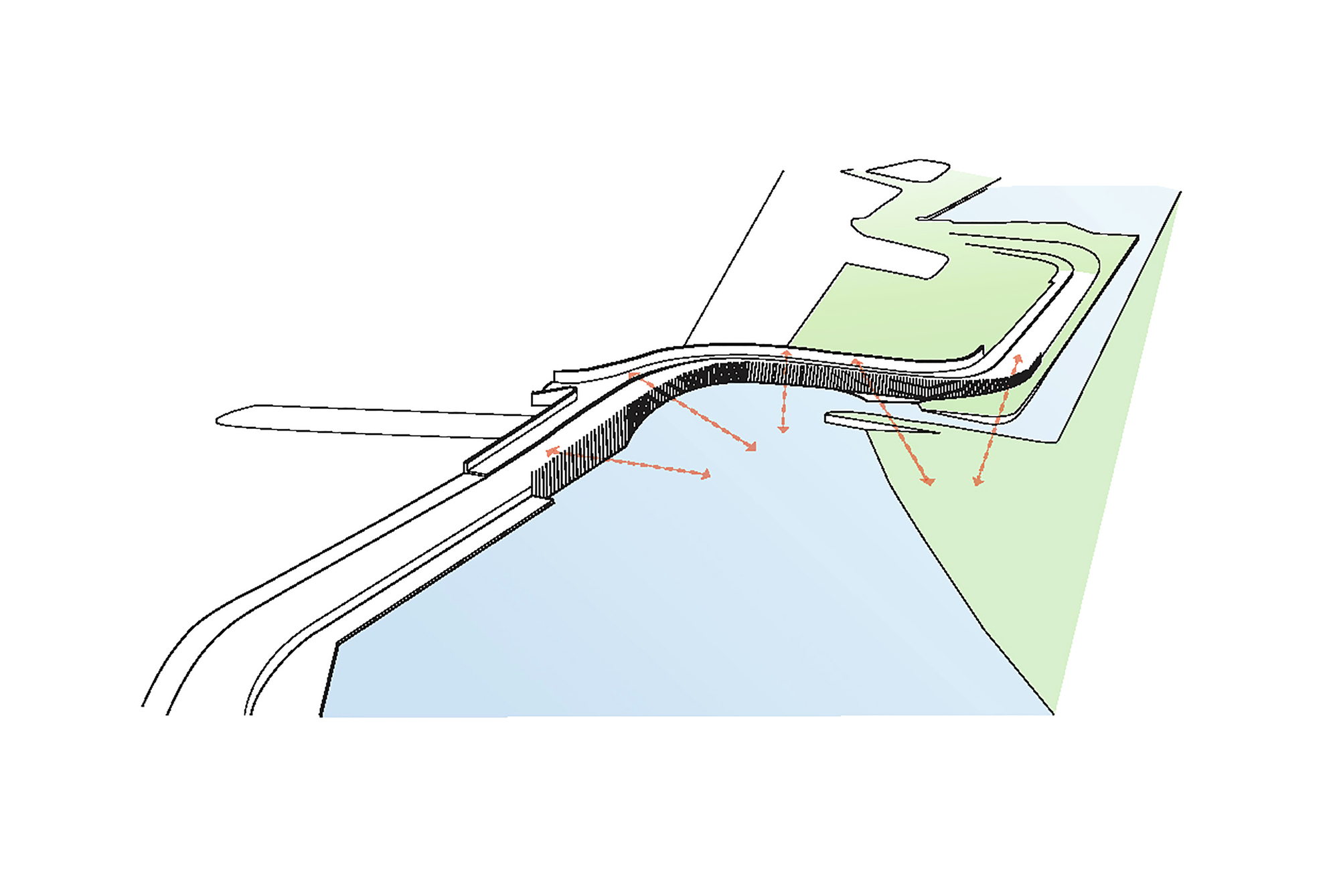
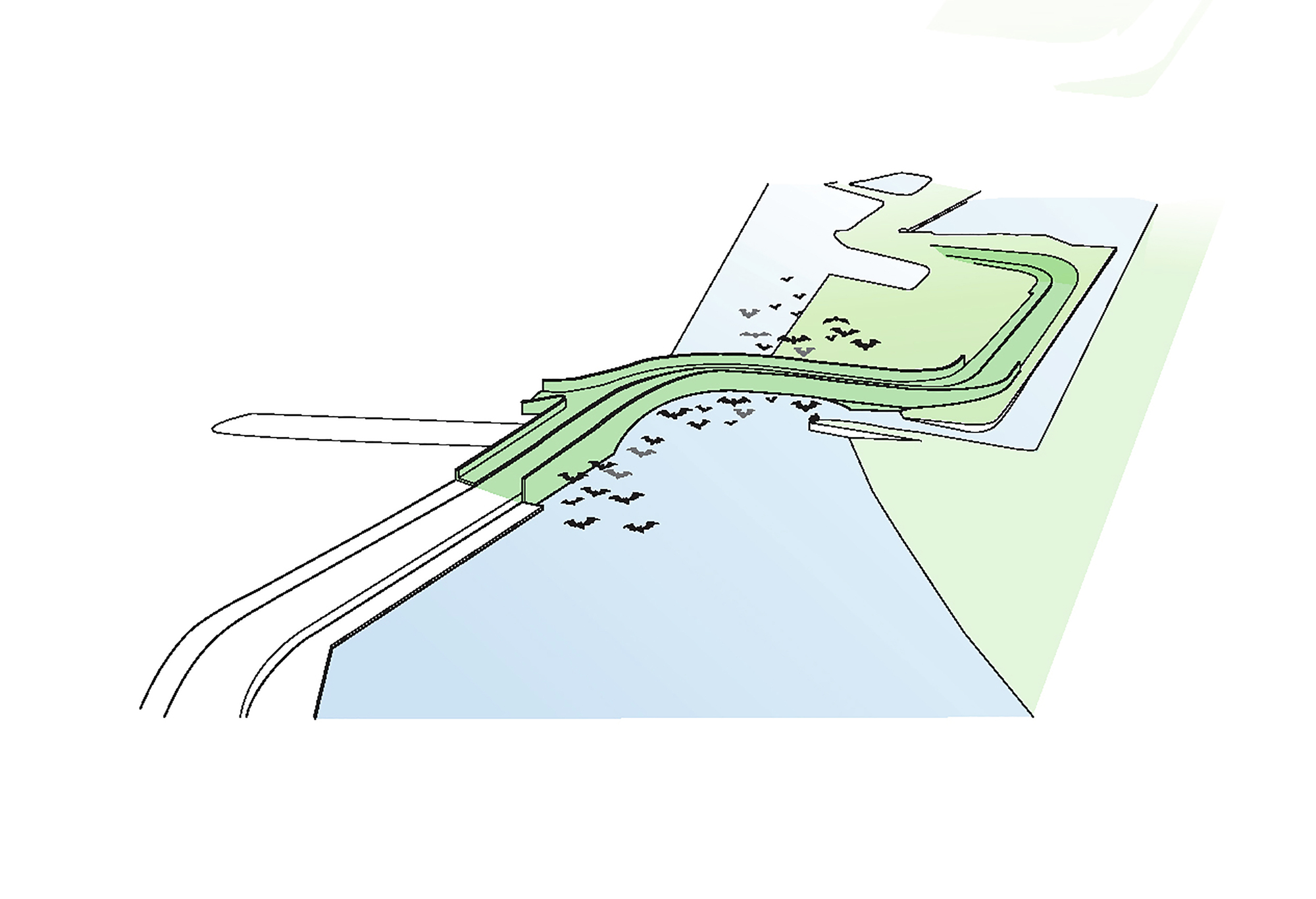
The Bat Bridge provides roosts for bats. The Vlotwateringbrug bridge, known as the Bat Bridge, opened to the public in early October. The bridge has three specific components that provide roosting places for several species of bats. The north abutment serves as a winter roost, while the structure of the bridge deck and brick parapet allows bats to rest in summer. The bridge was designed from the outset to create an ideal roosting environment for different bat species so that they can thrive. It is a successful case that serves nature at the same time, said Marcel Schillemans, bat expert of the Mammal Society. The bridge is built along the bats' flight route. For this purpose, the concrete structure of the bridge was optimised for bat use. The concrete provides a stable, suitable environment. Entrance slots are designed beneath the bridge, and the rough surface of the openings gives bats a grip. These slots are part of the concrete girder, cleverly using the structural section to create the roosts. The bridge spans the entire Vlotwatering waterway and has become a new landmark of the Poelzone area. At its highest point, there are clear, open views. The openings in the timber parapet form a natural embankment to the water. The concrete arch of the bridge is 25 metres long, and the S-shaped deck is supported by skewed arched load-bearing structures. The Bat Bridge has become a hallmark of the Poelzone, demonstrating how ordinary civic infrastructure can be designed as wildlife habitat without sacrificing its engineering function.
TEAM
Cost Consultant: Laan Bouwkostenadvies (Theo Laan); Design Team: Bart Reuser, Marijn Schenk, Michel Schreinemachers, Jurriaan Hillerström, Sylvia Hendriks, Luuc Sonke, Anne Hilgers, Anna Korzeniowska












 Editor's Pick
 Latest Design