Text description provided by the architects
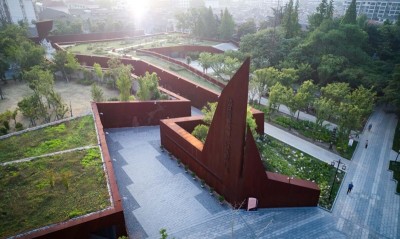
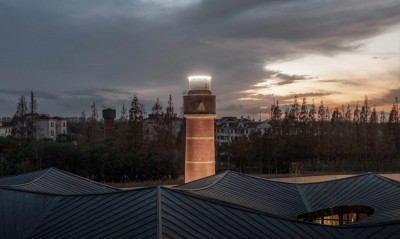
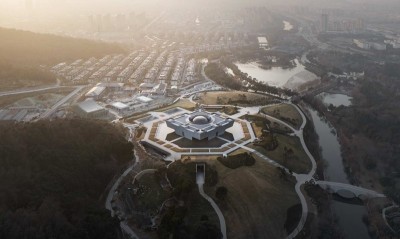
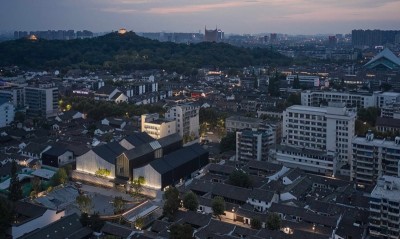
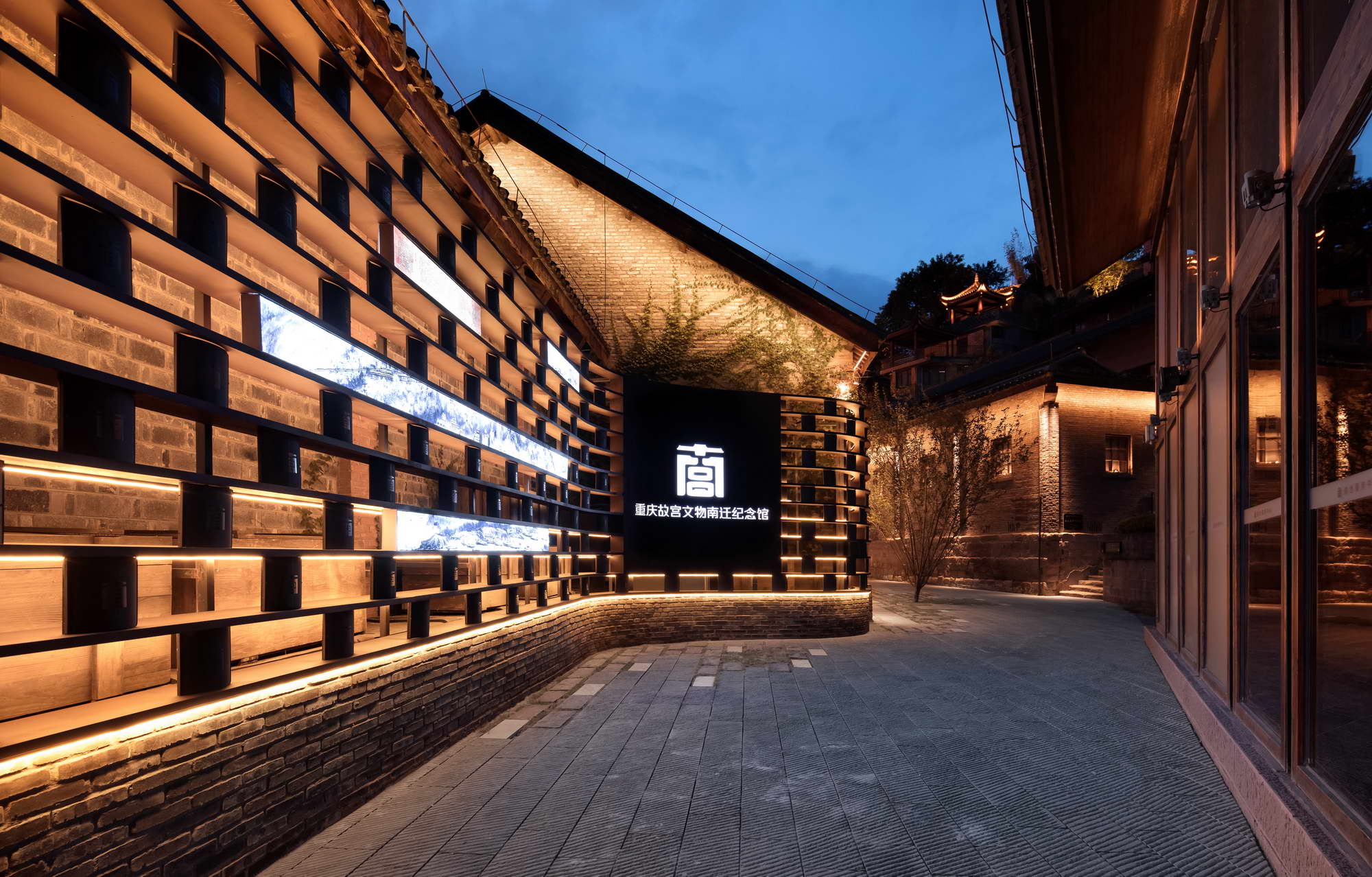
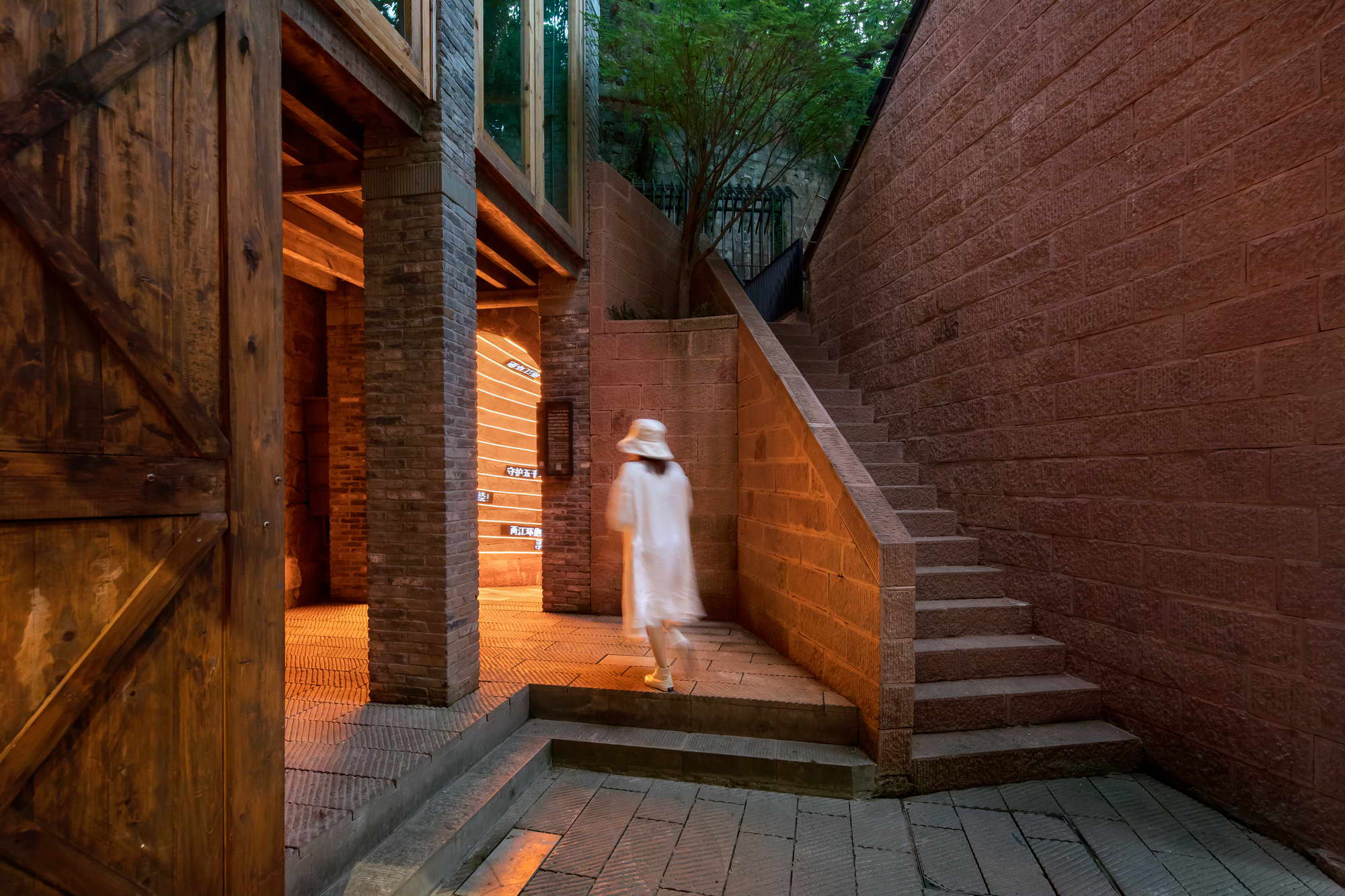
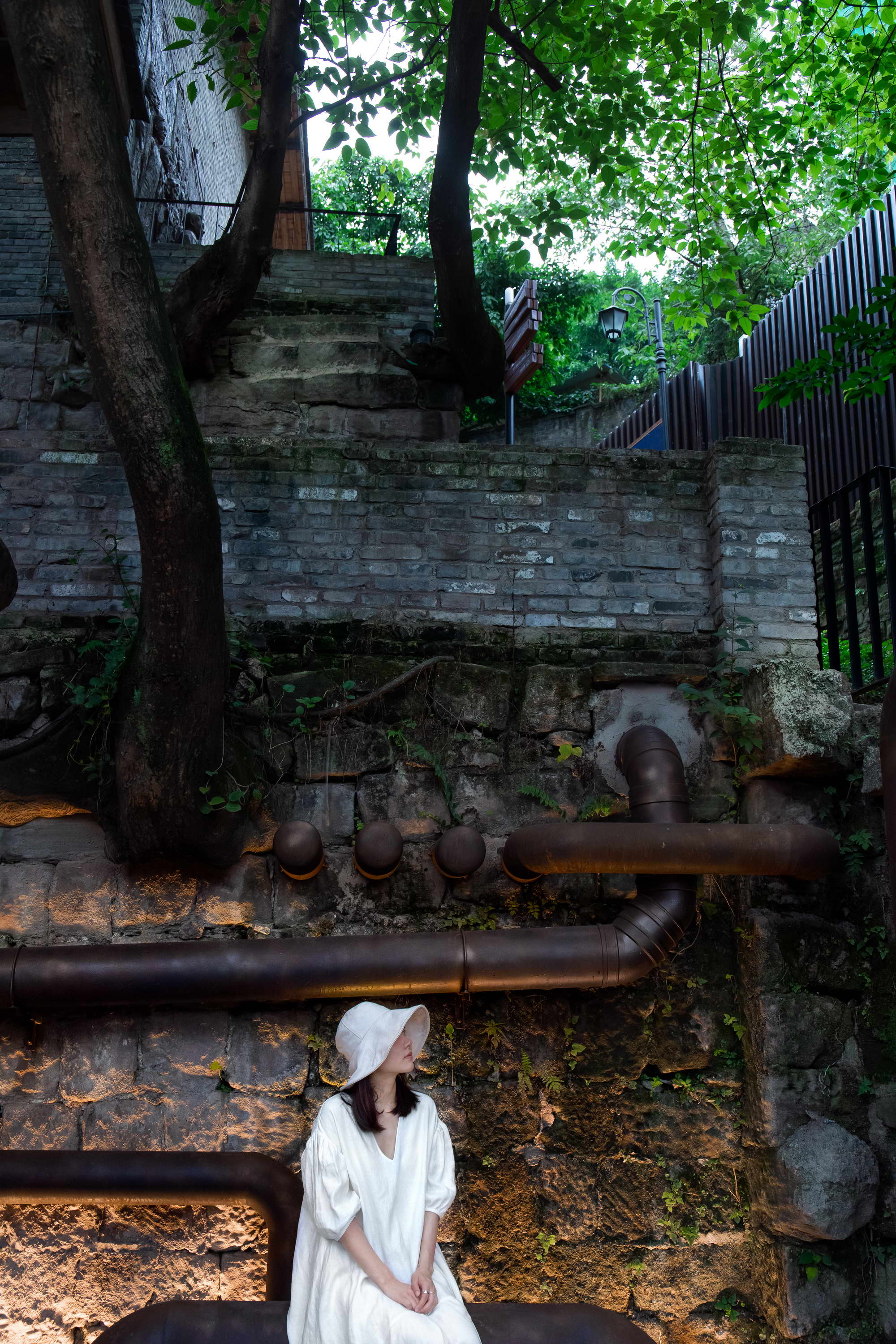
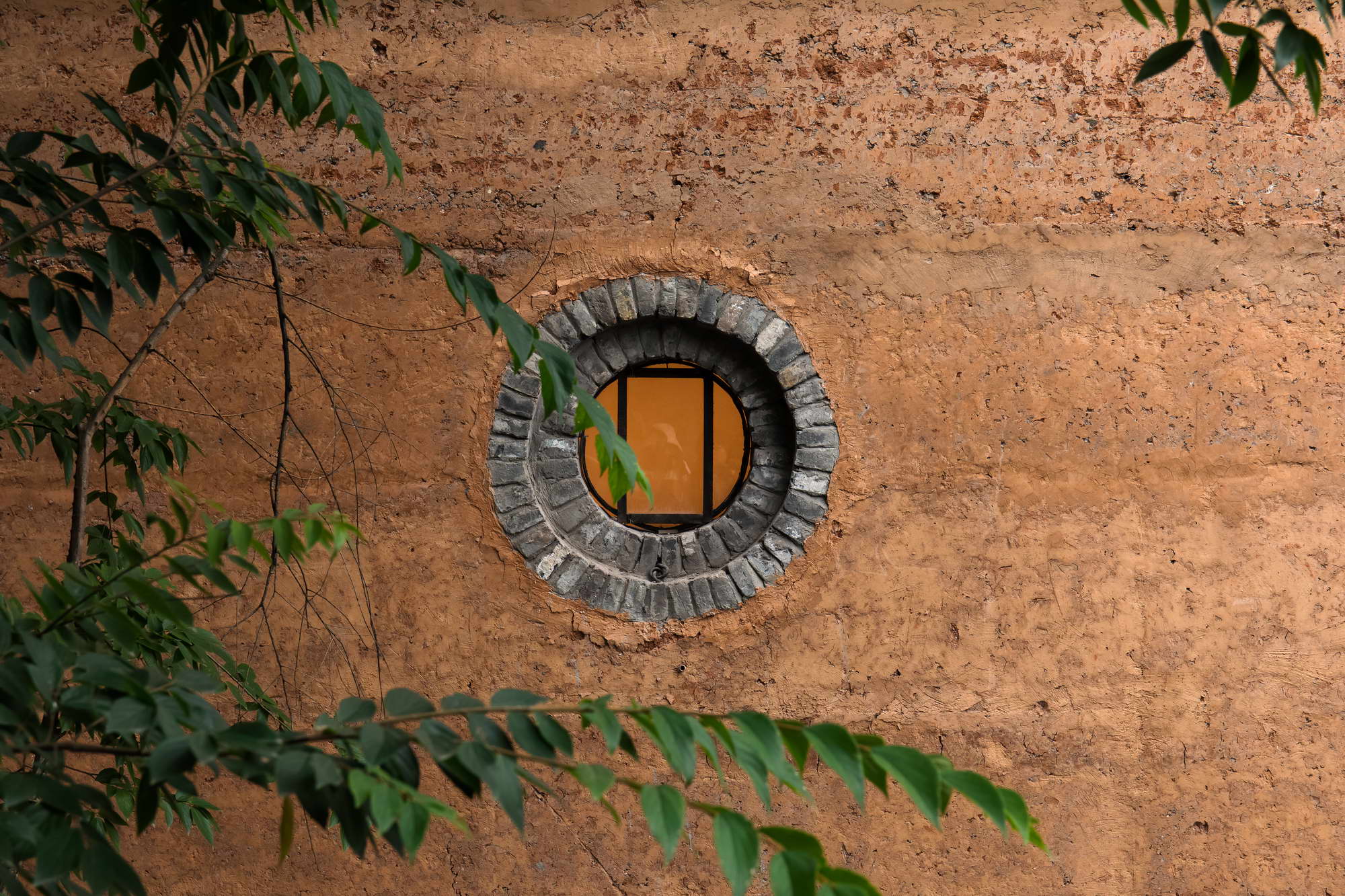
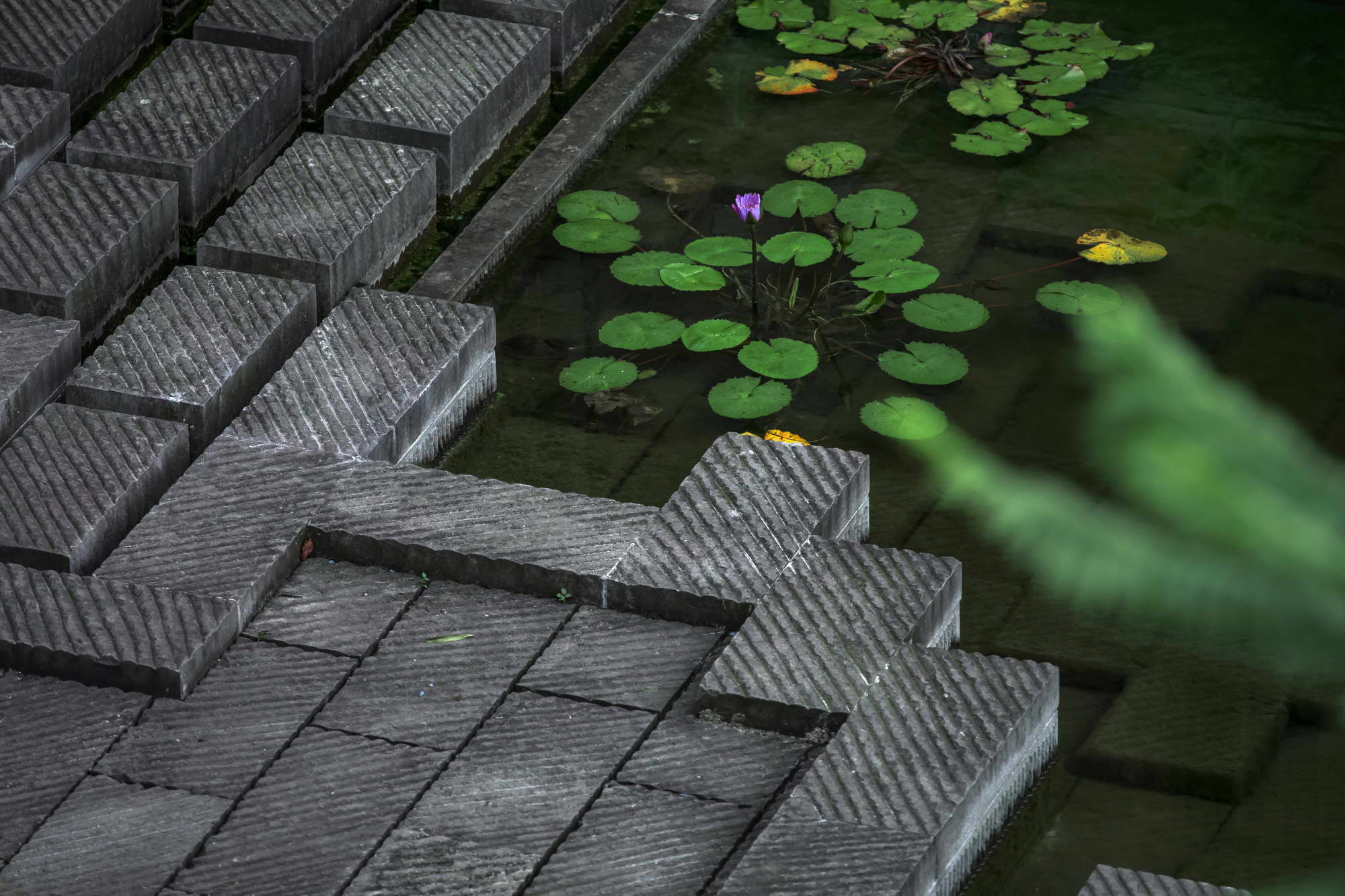
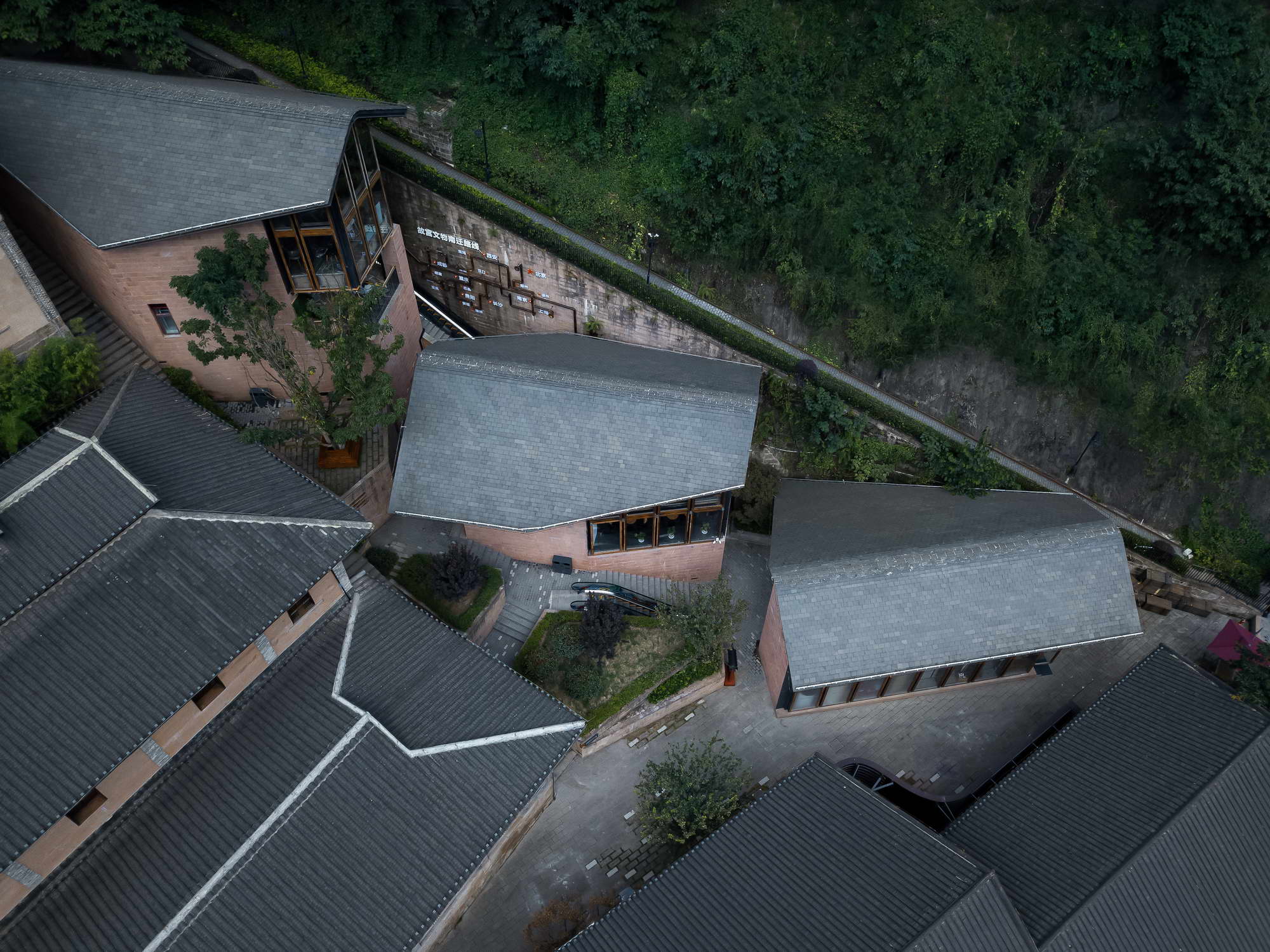
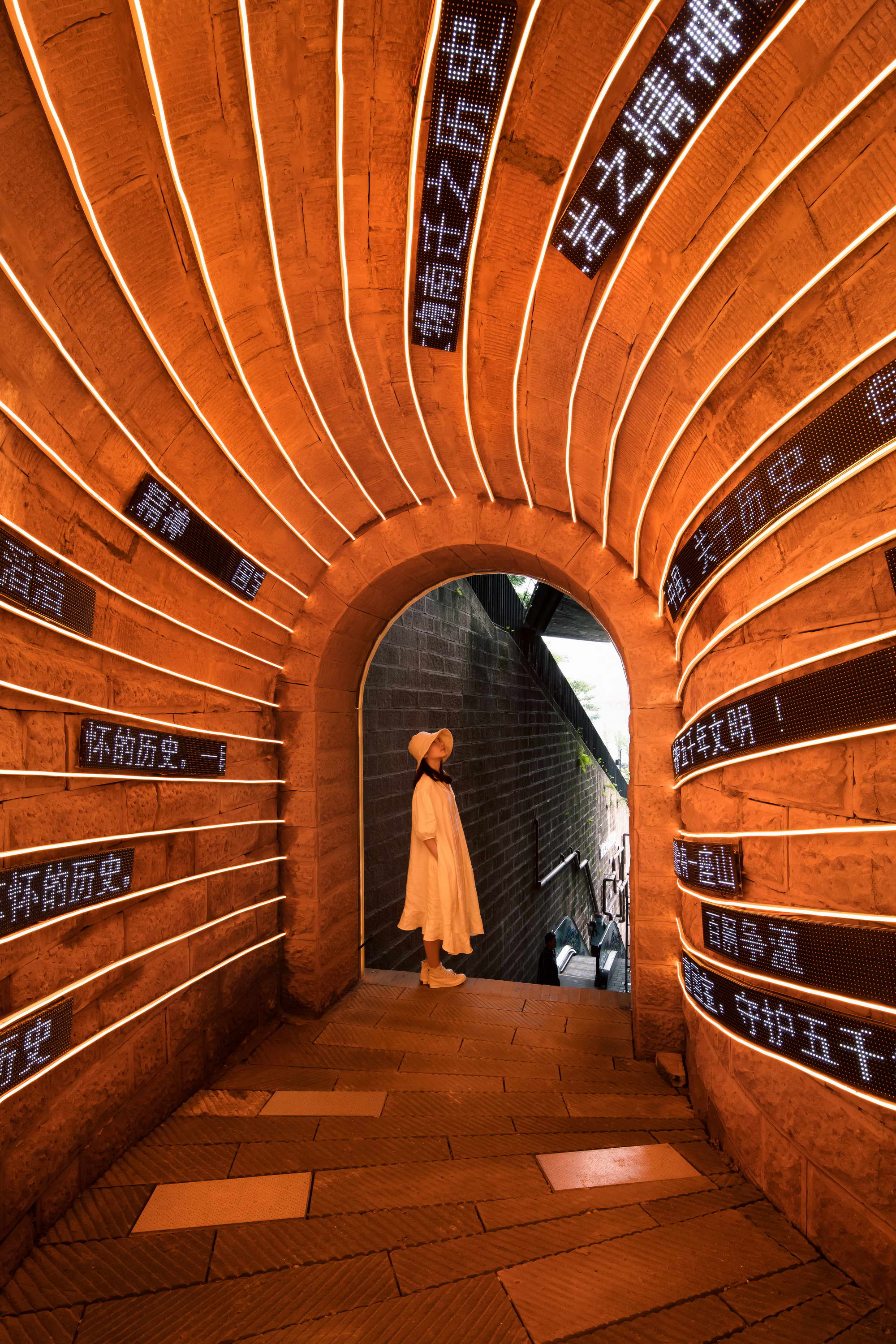
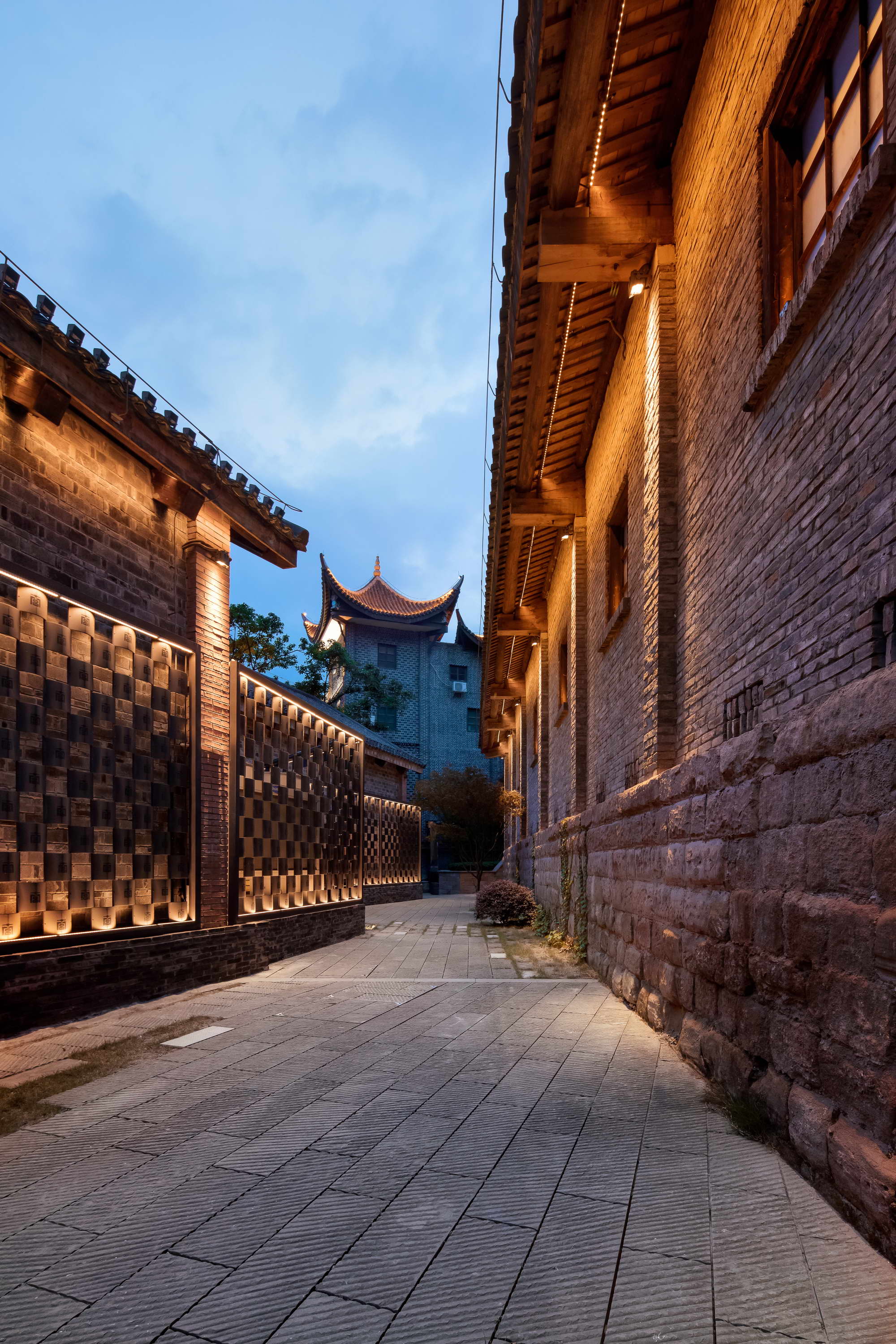
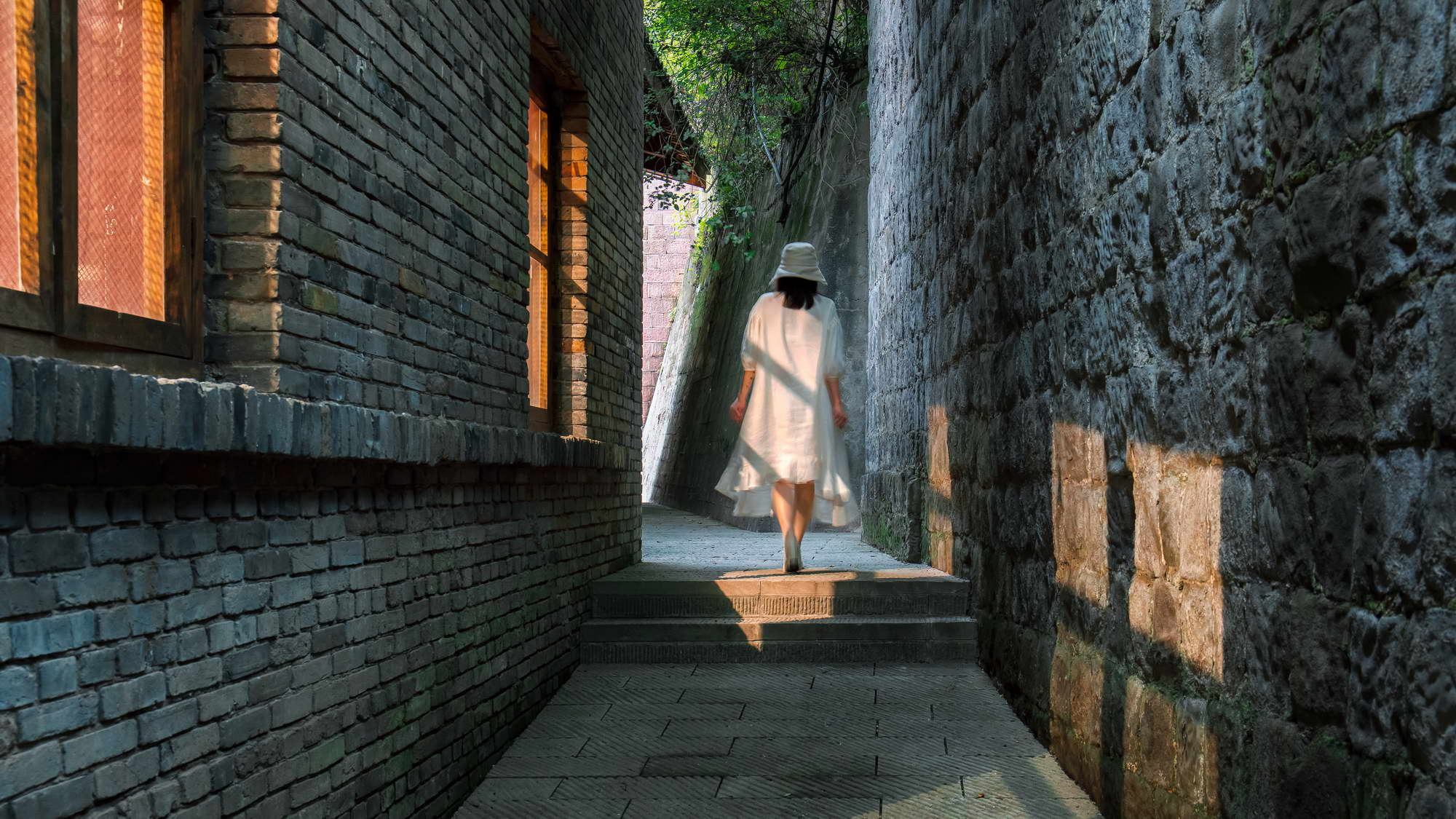
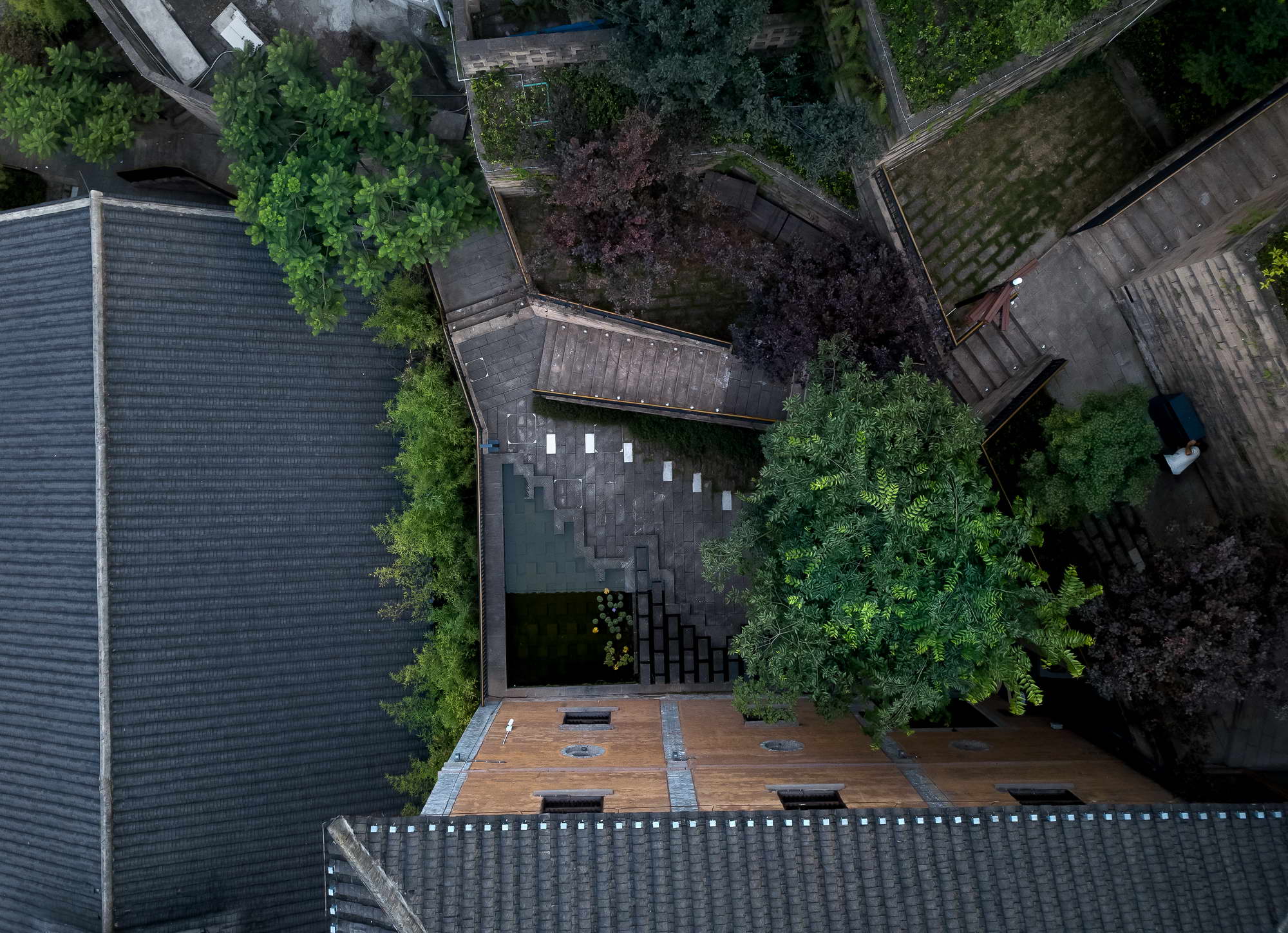
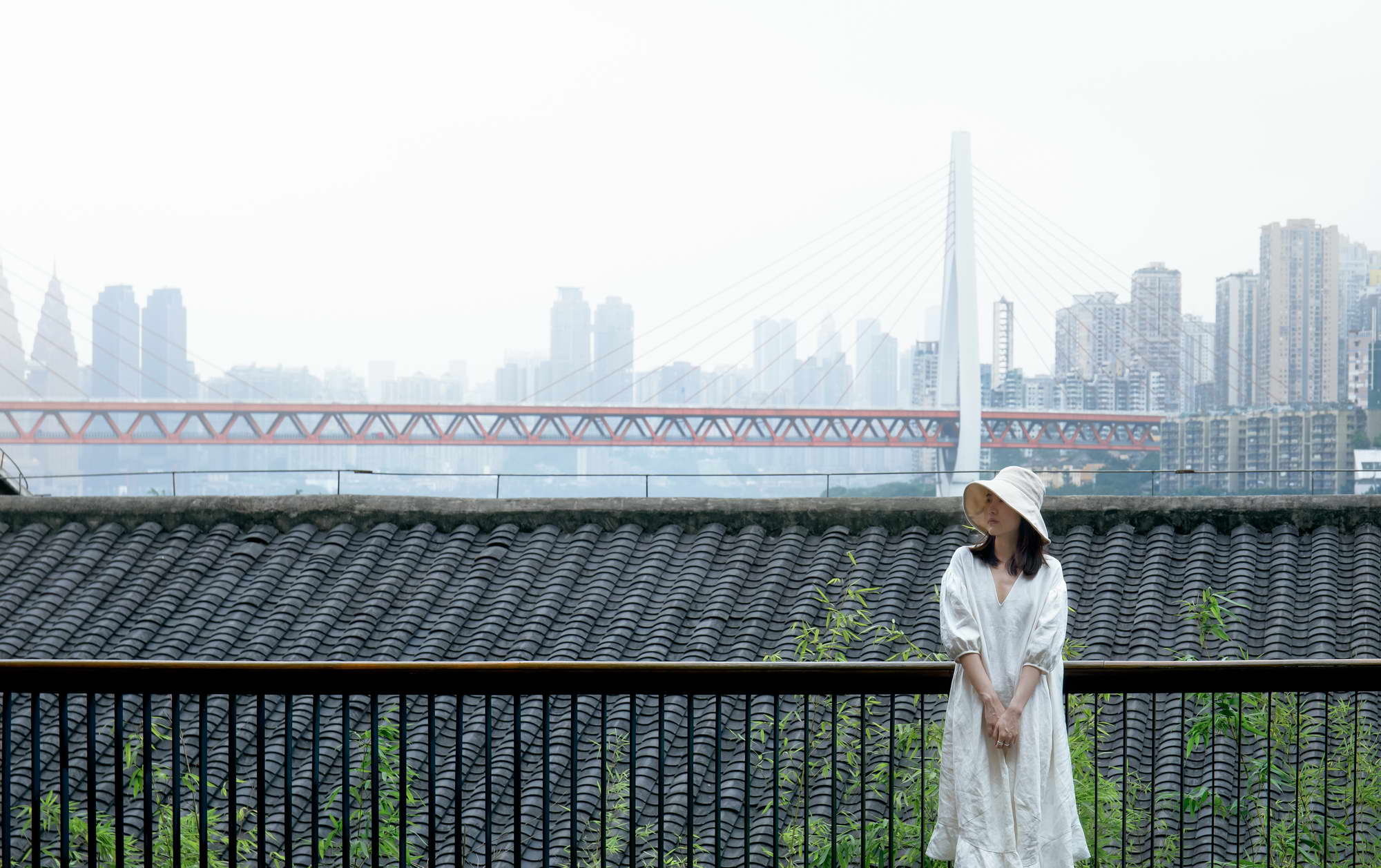
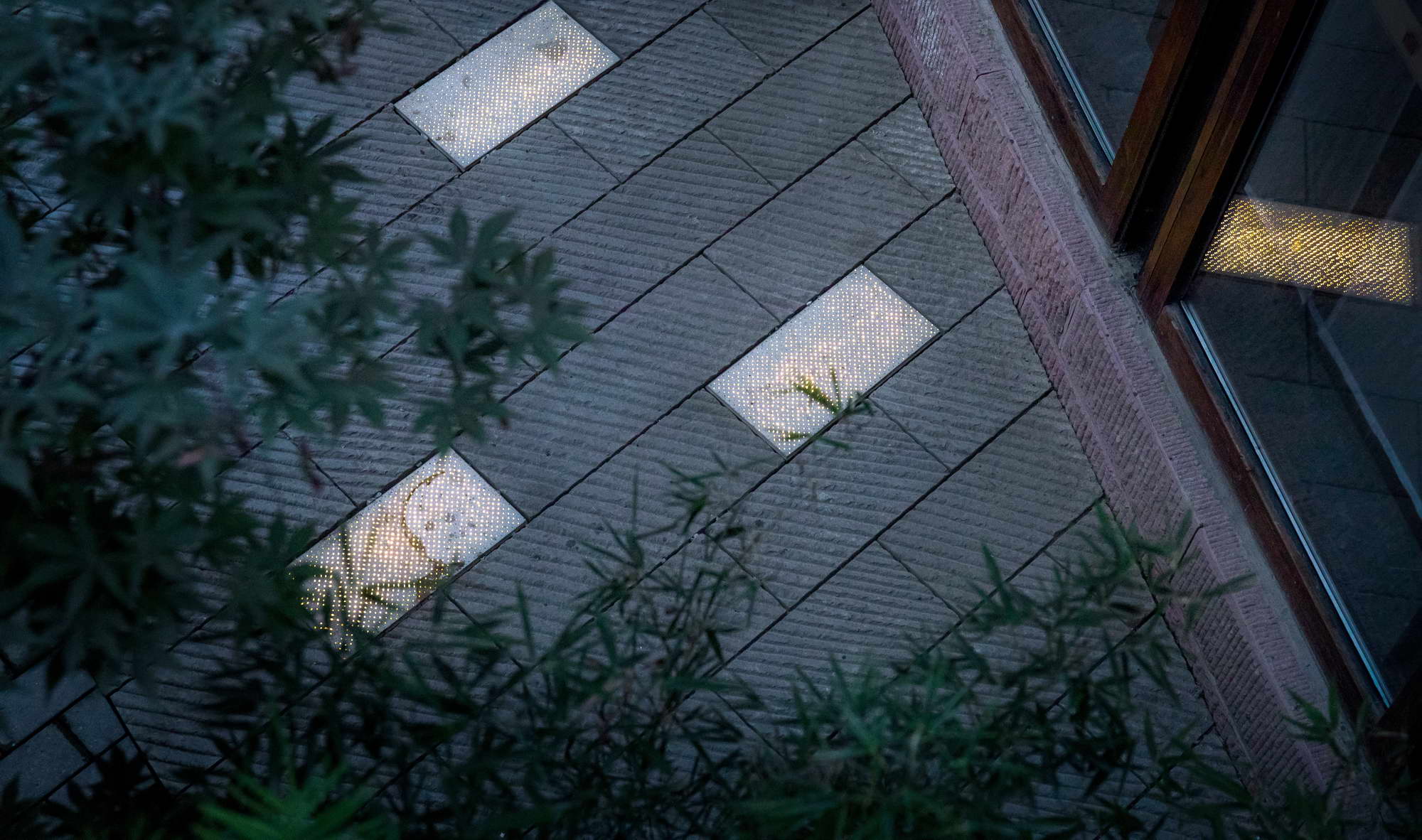
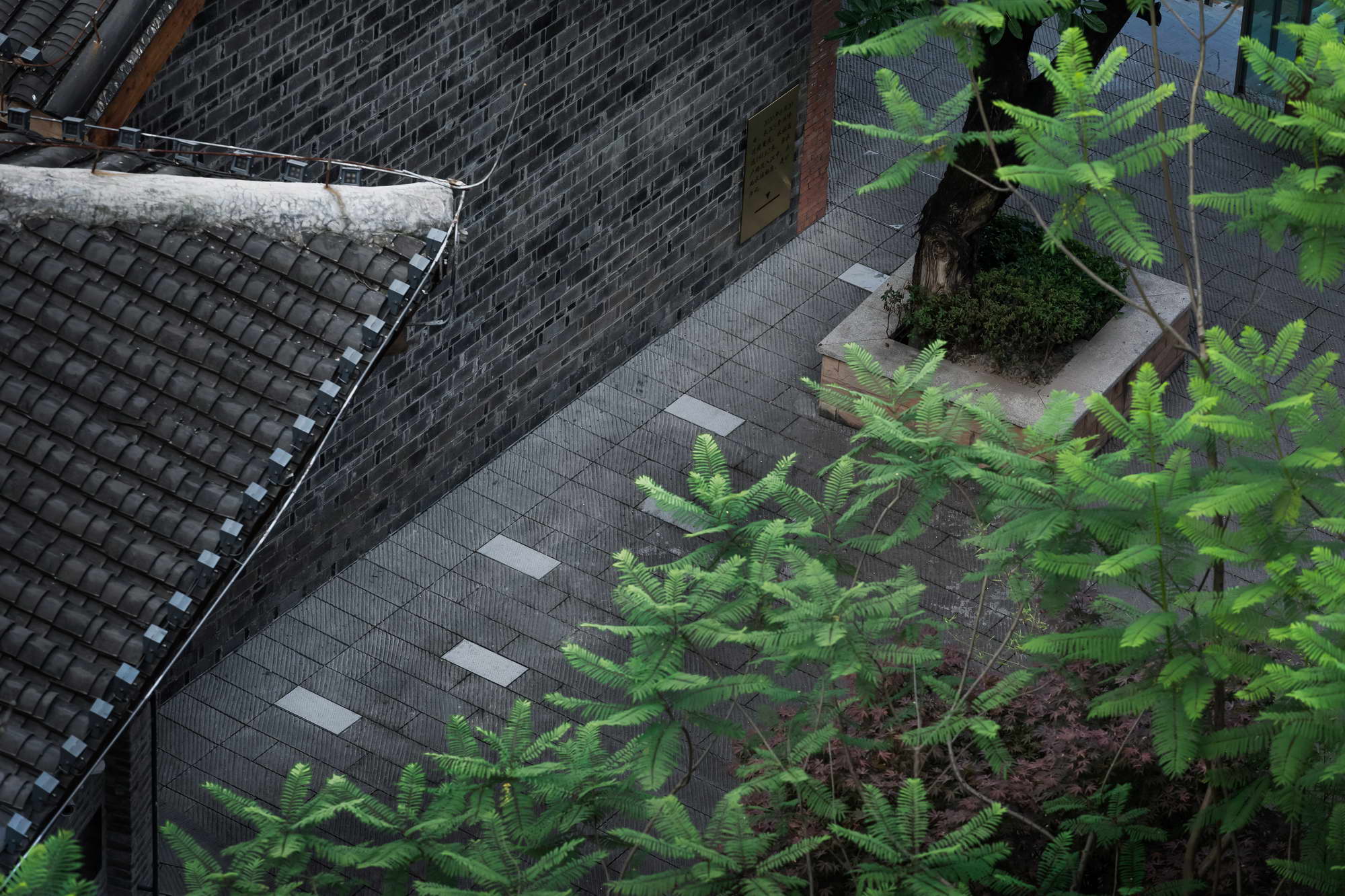
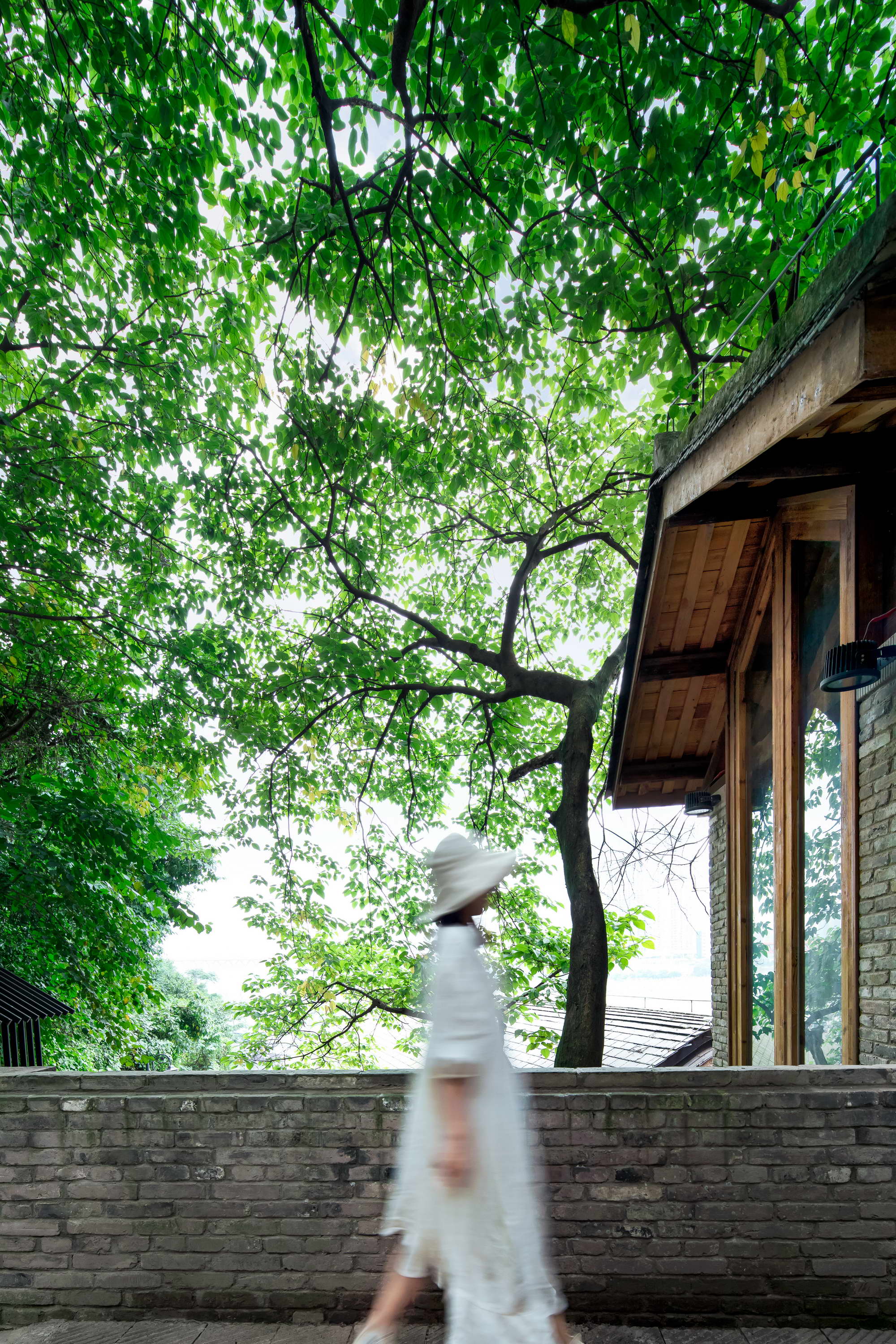
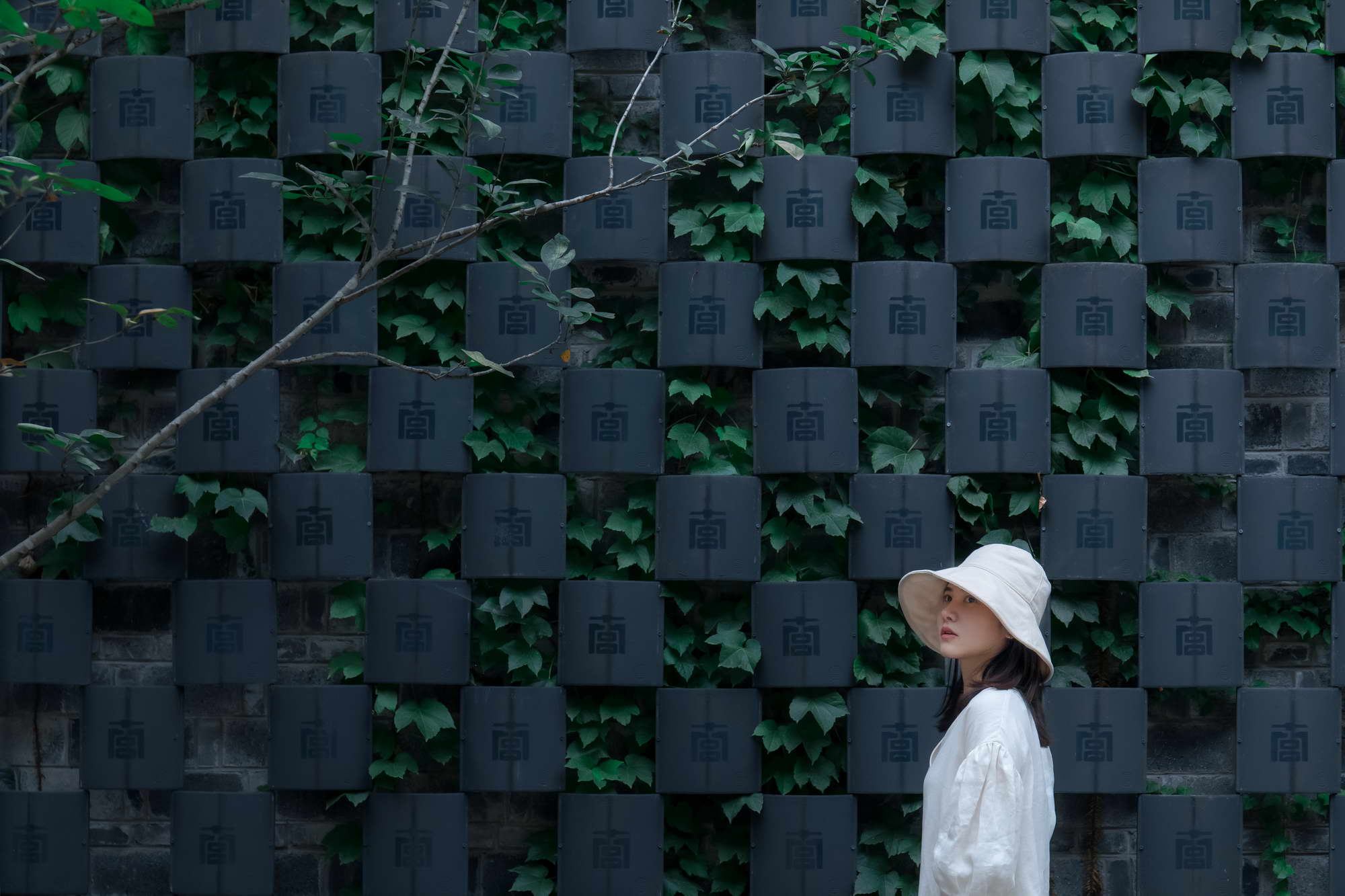
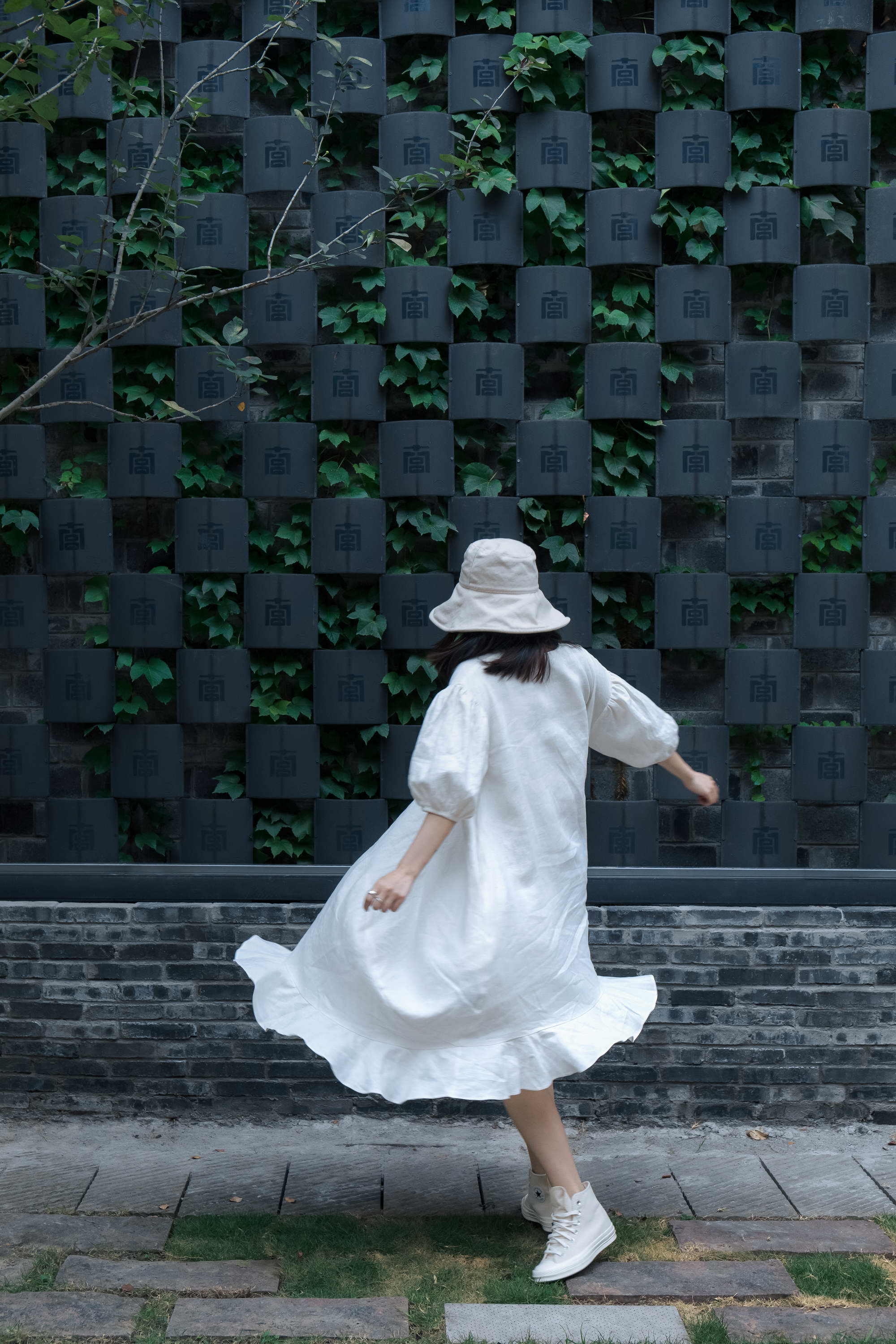
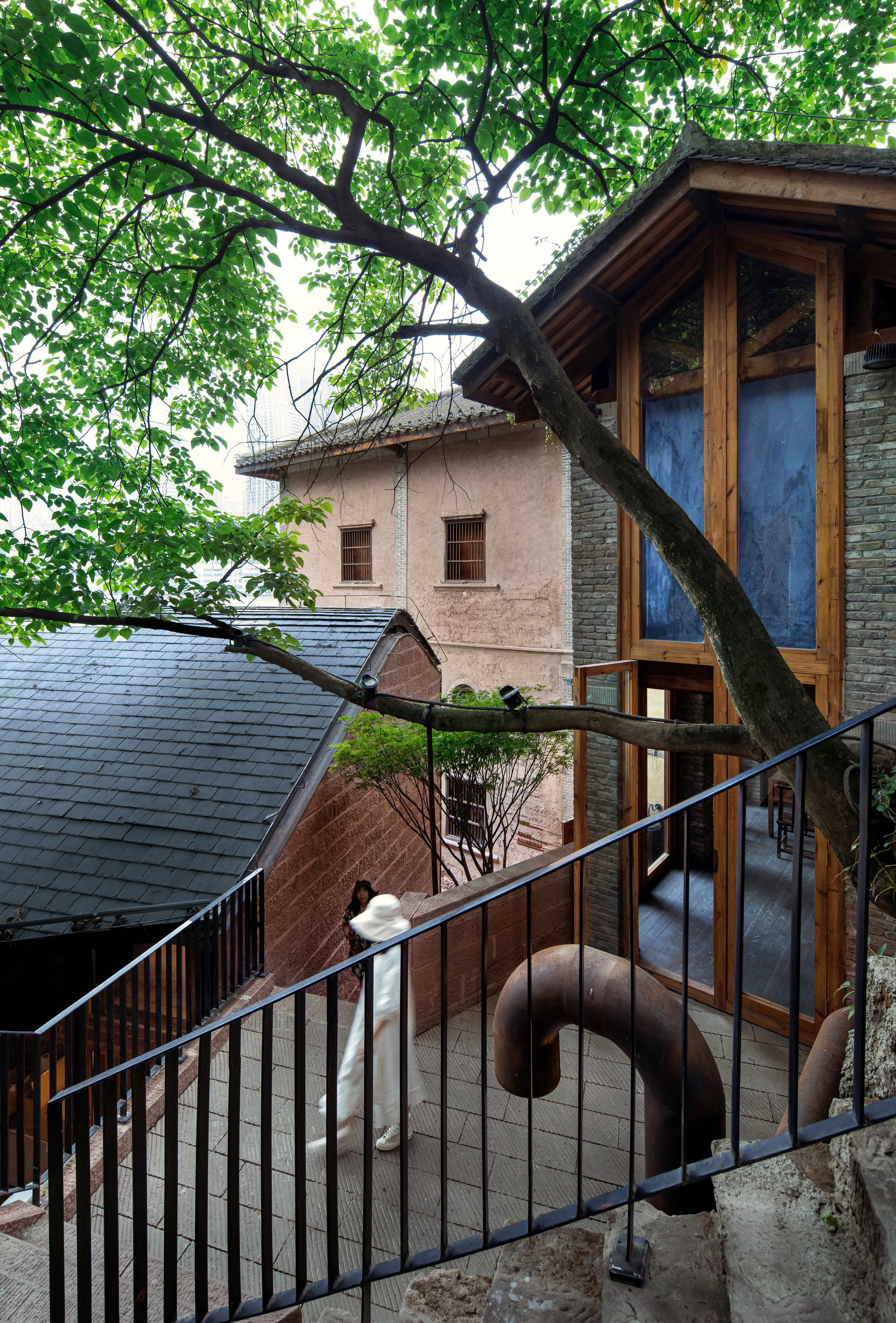
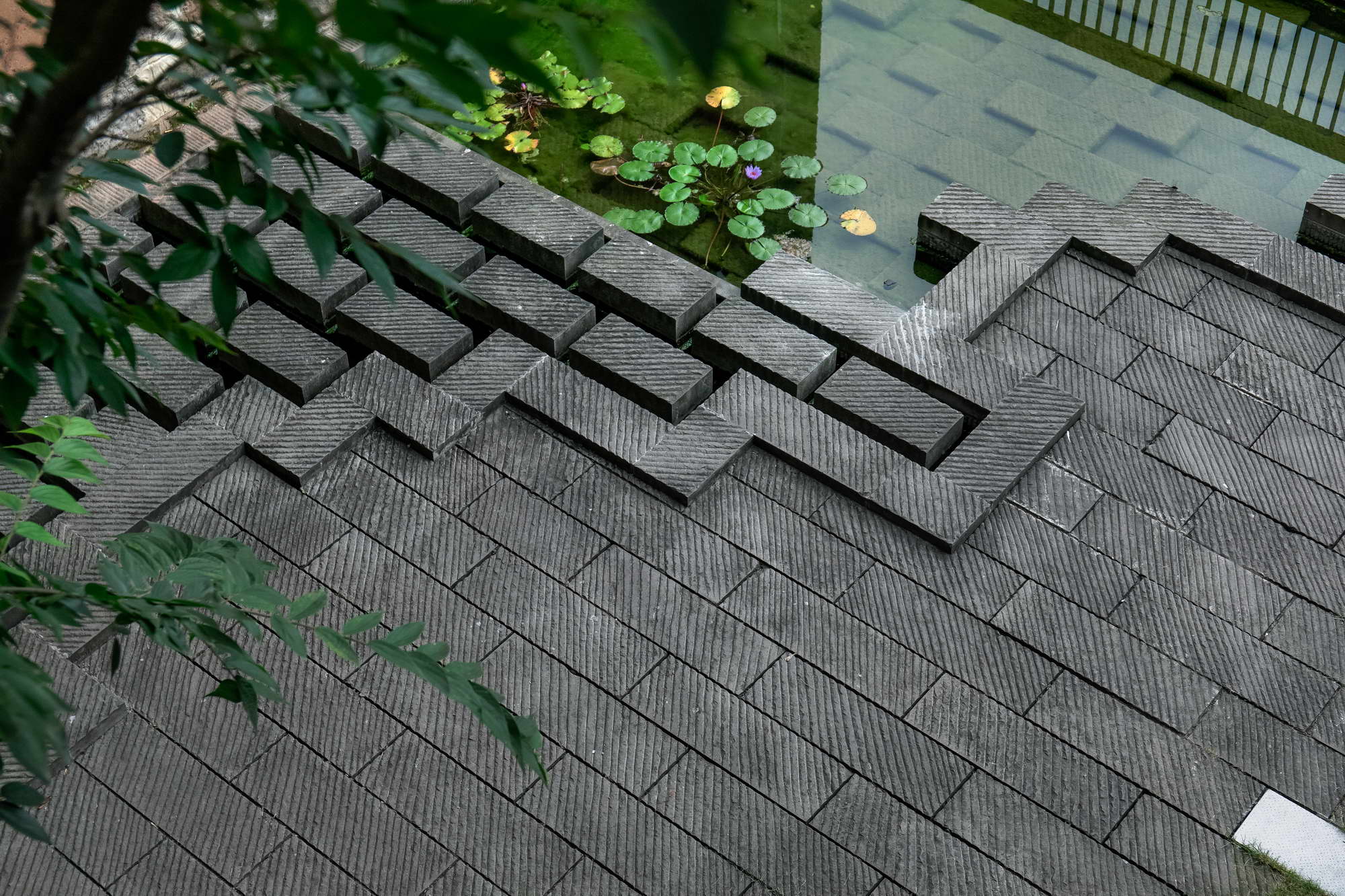
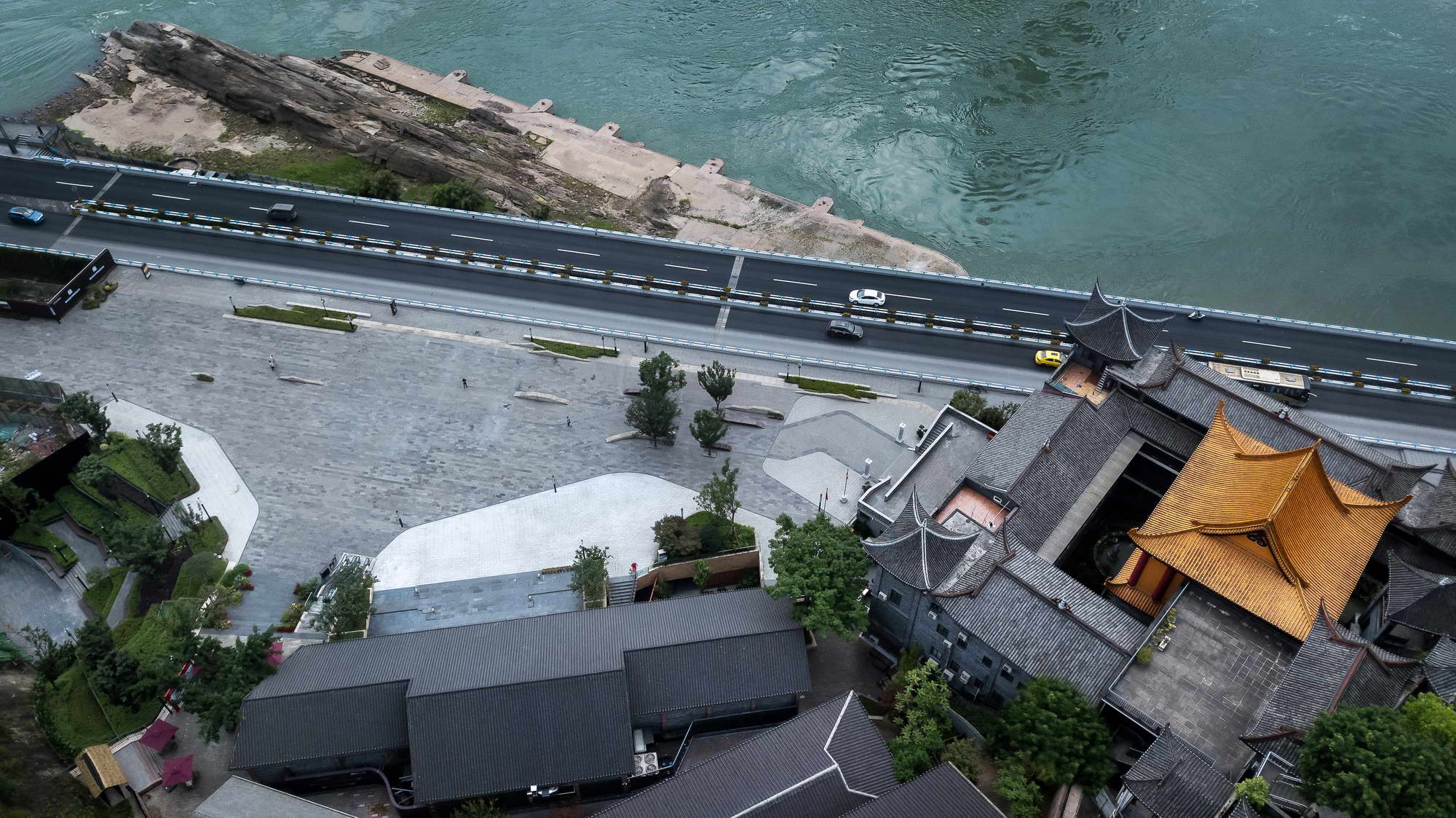
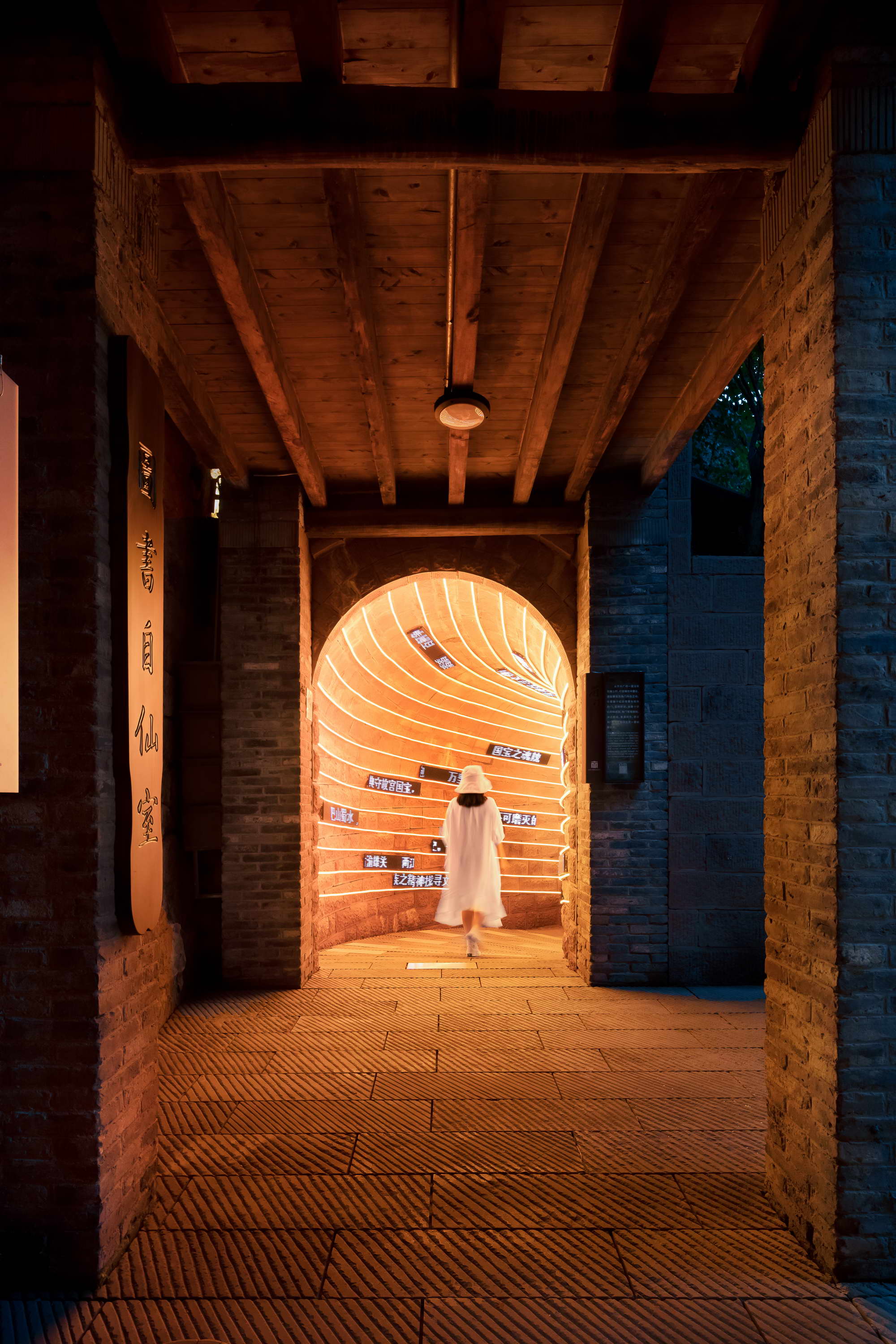
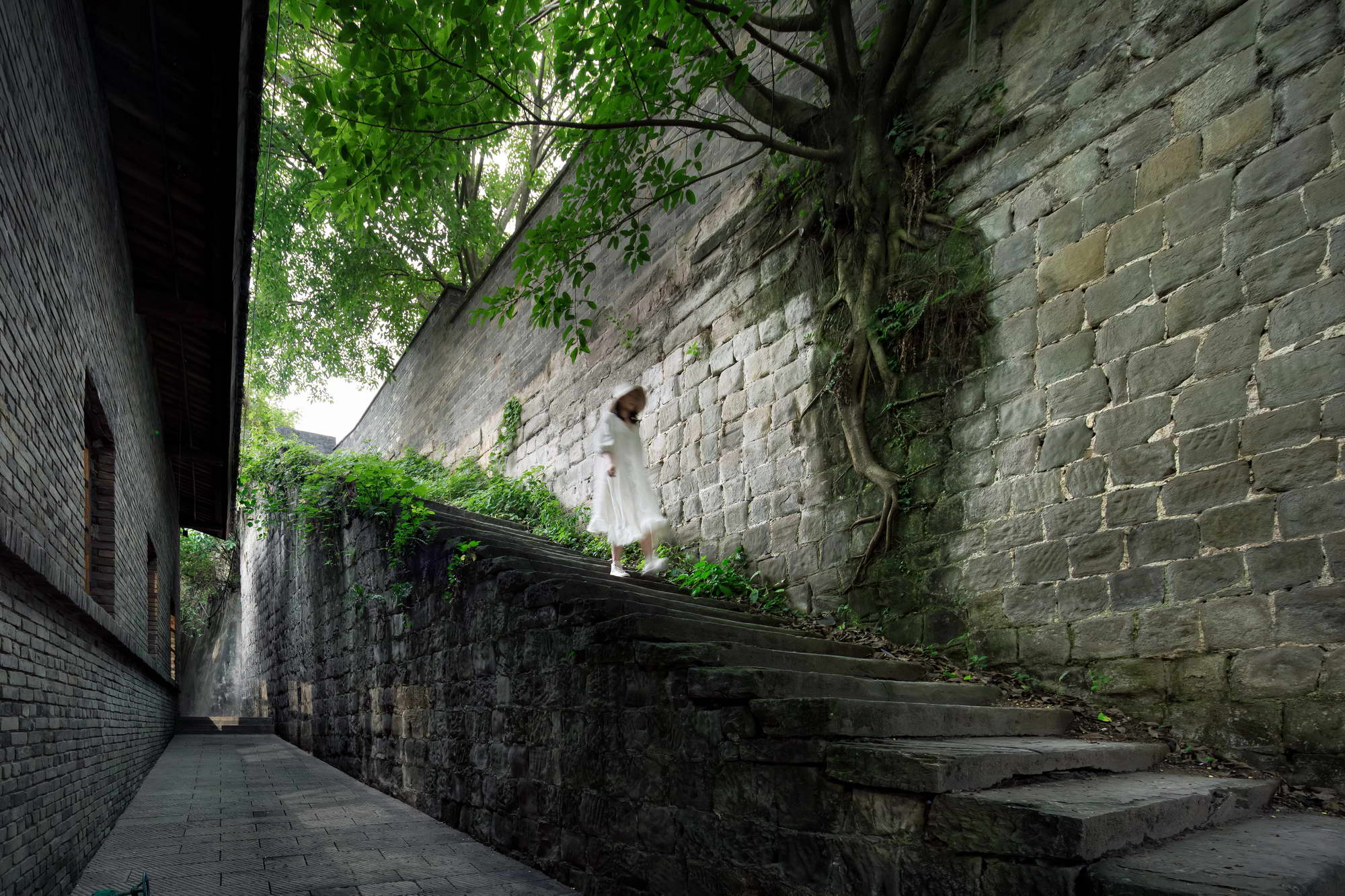
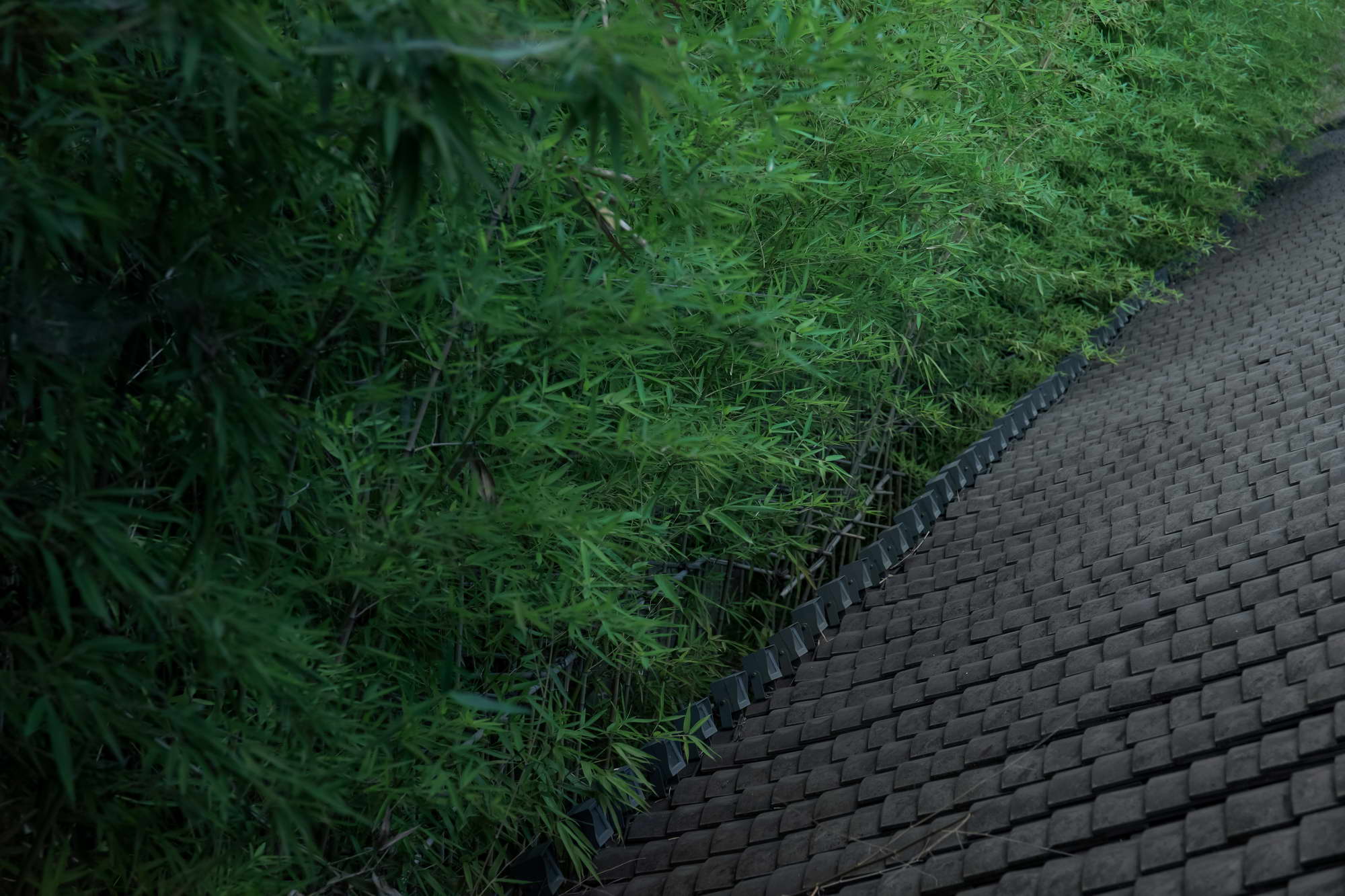
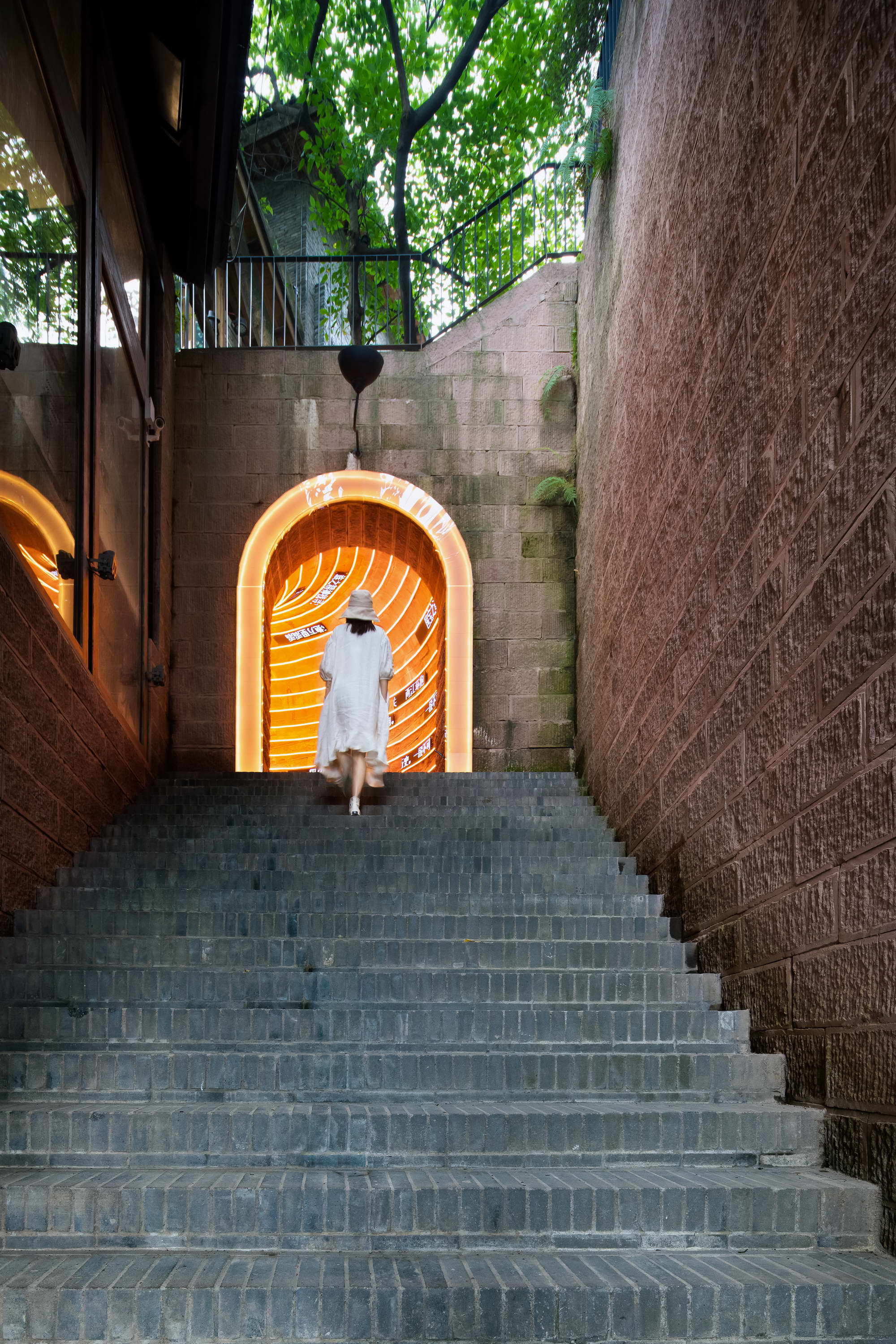
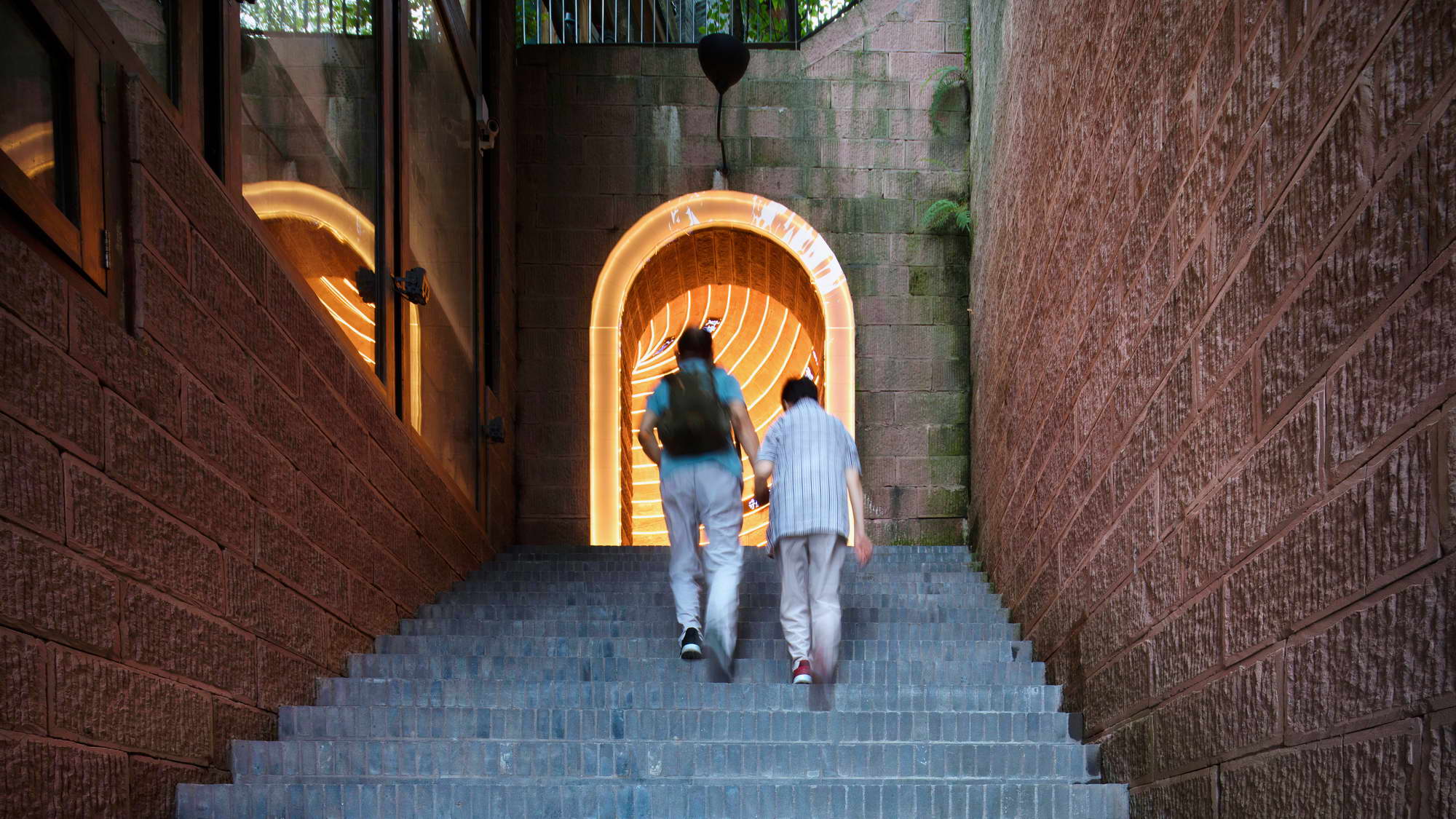
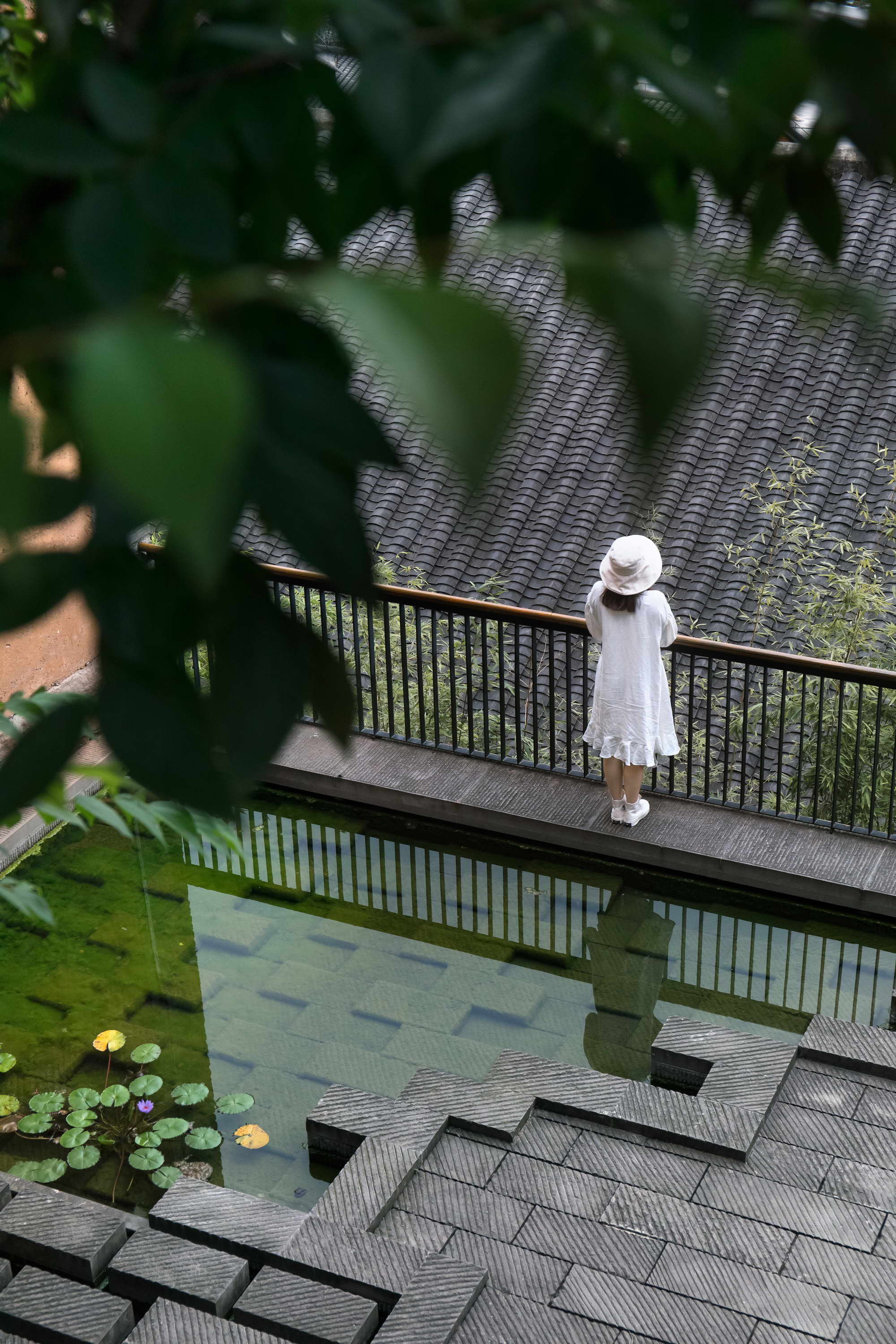
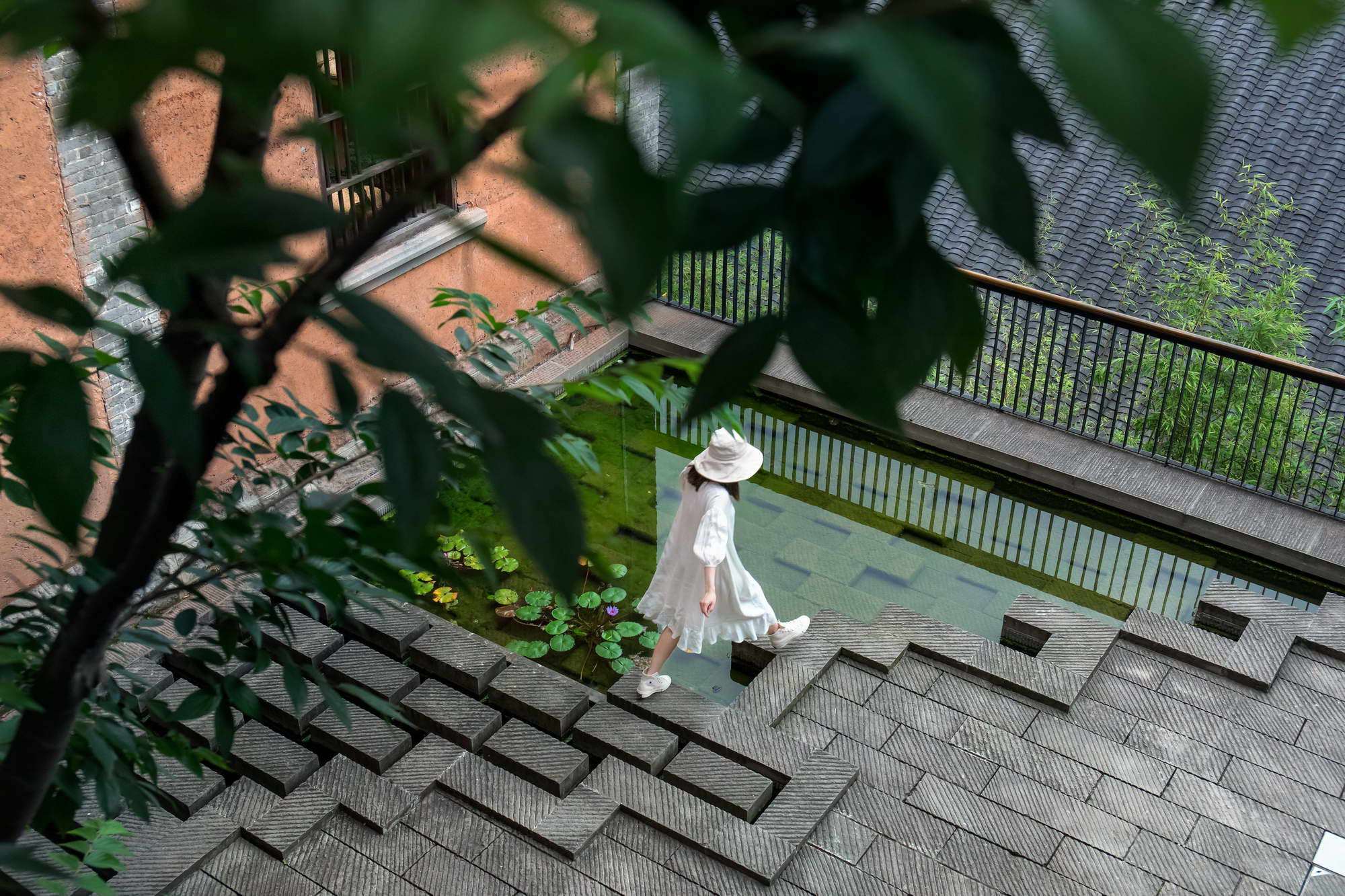
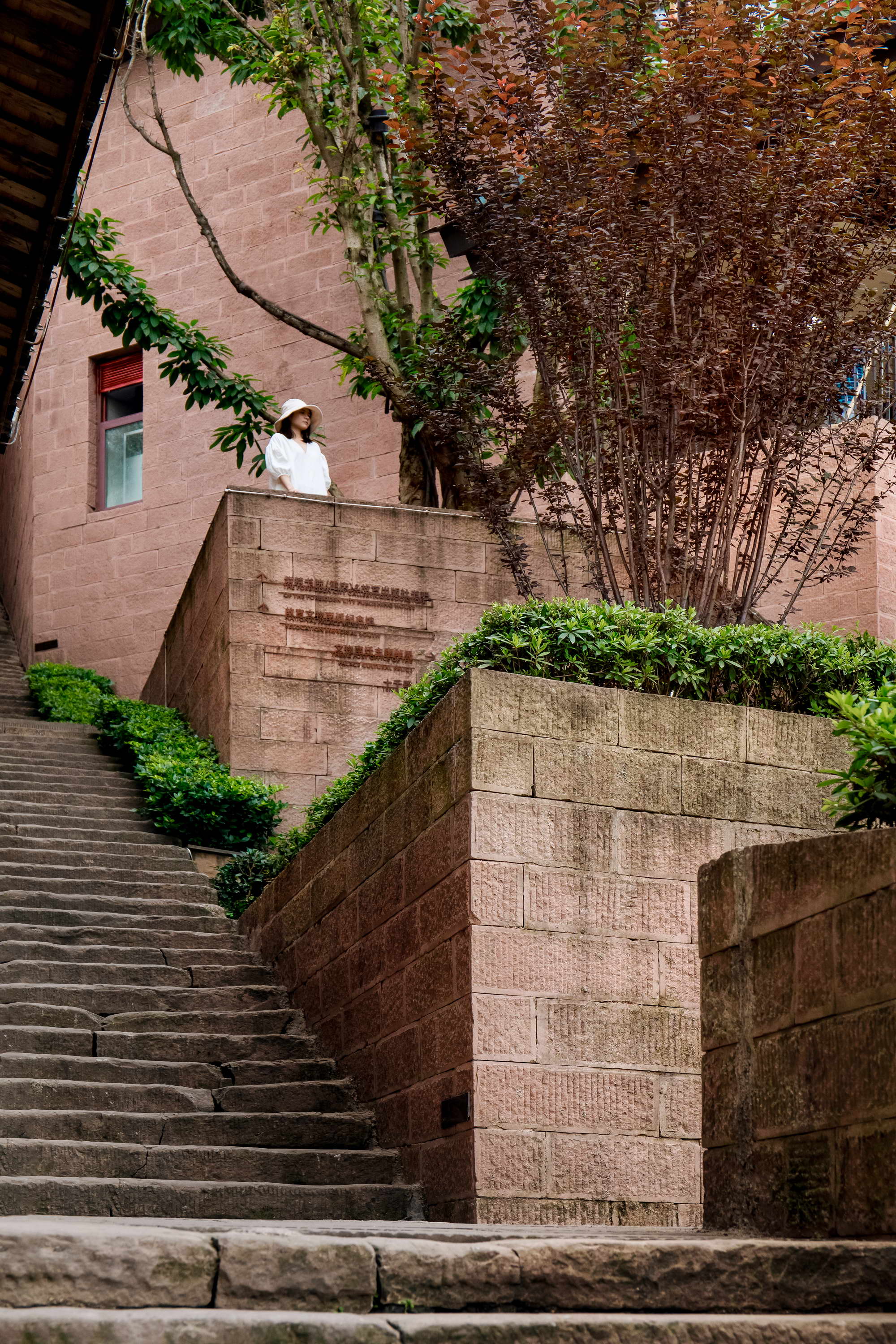
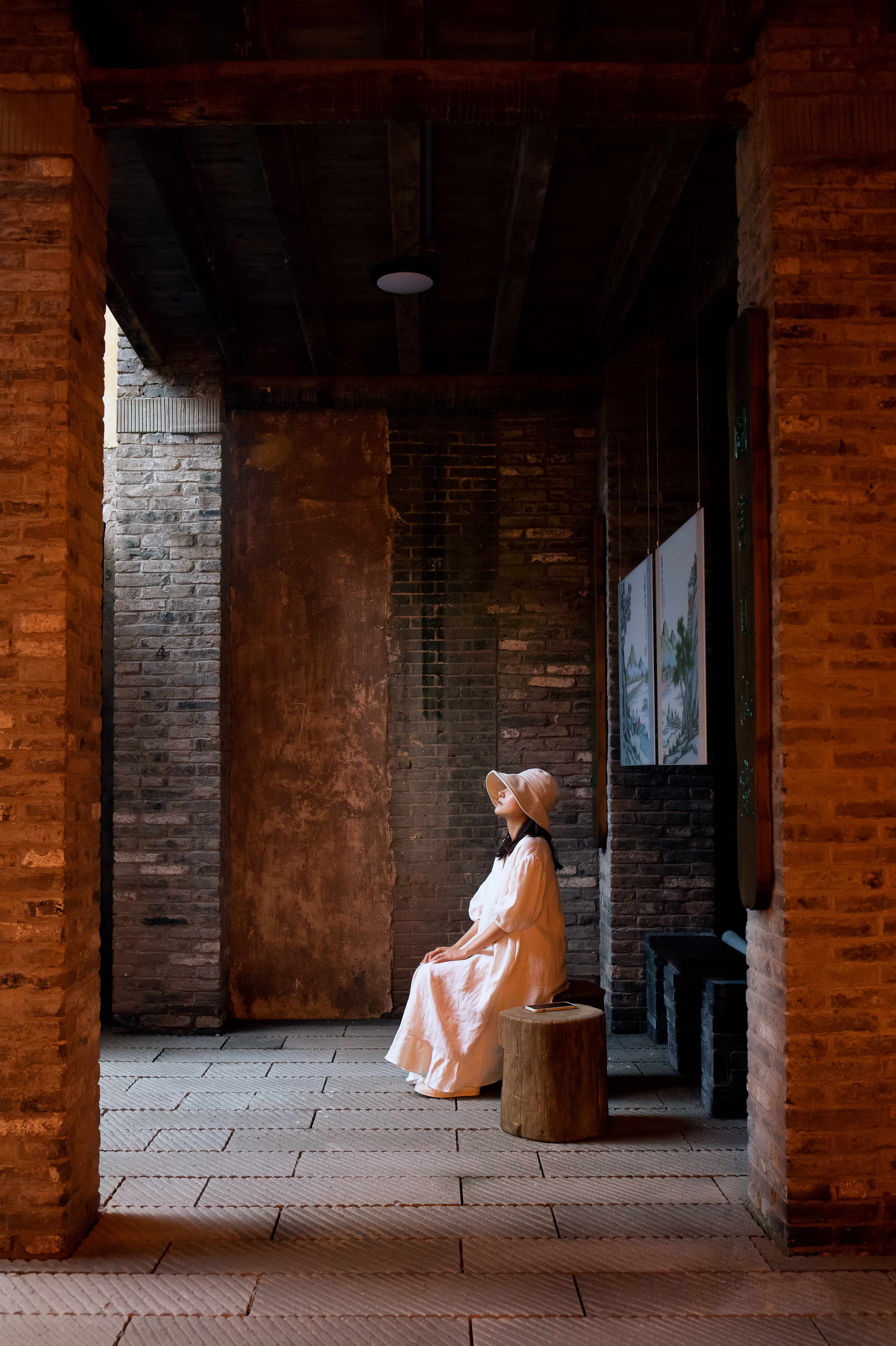
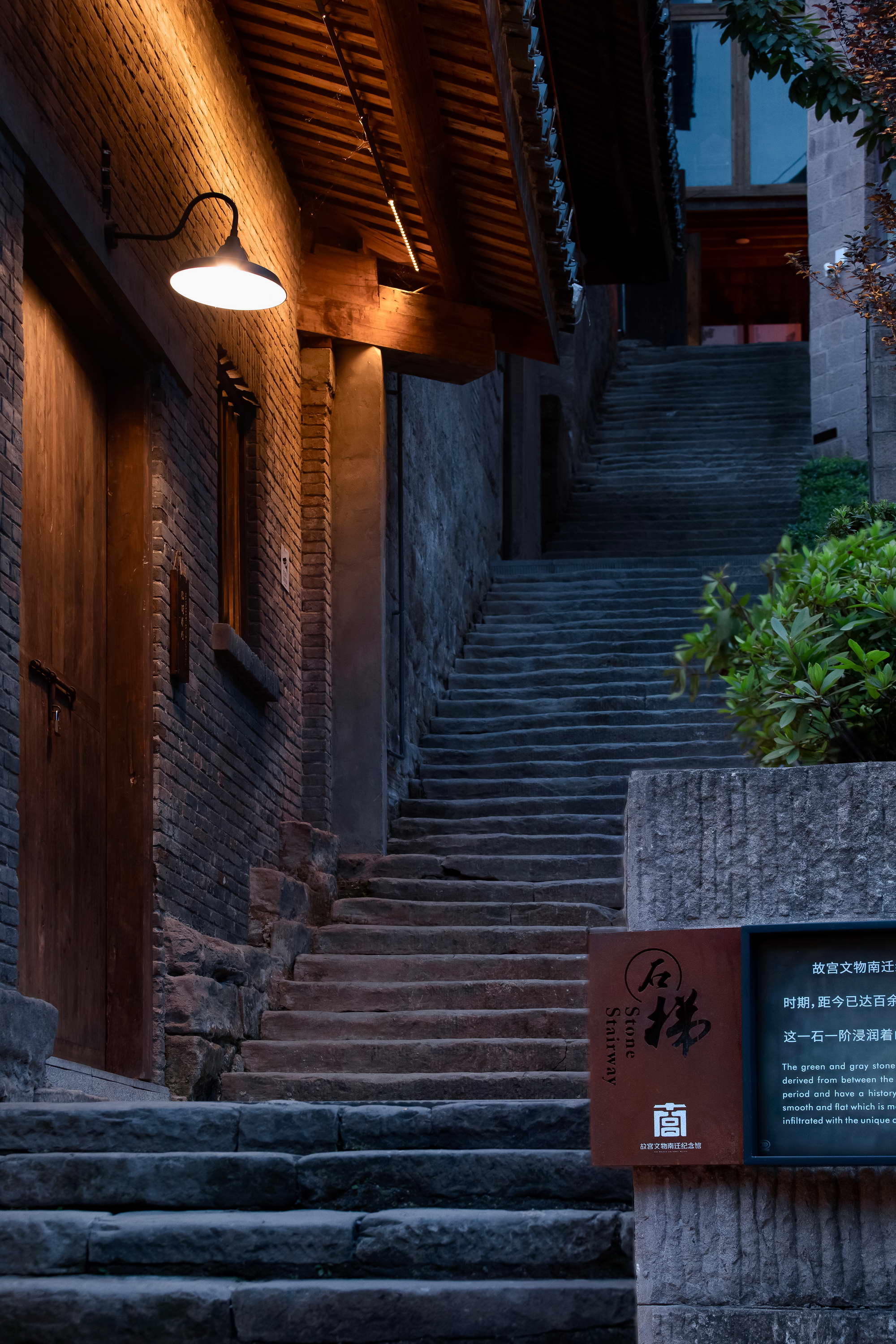
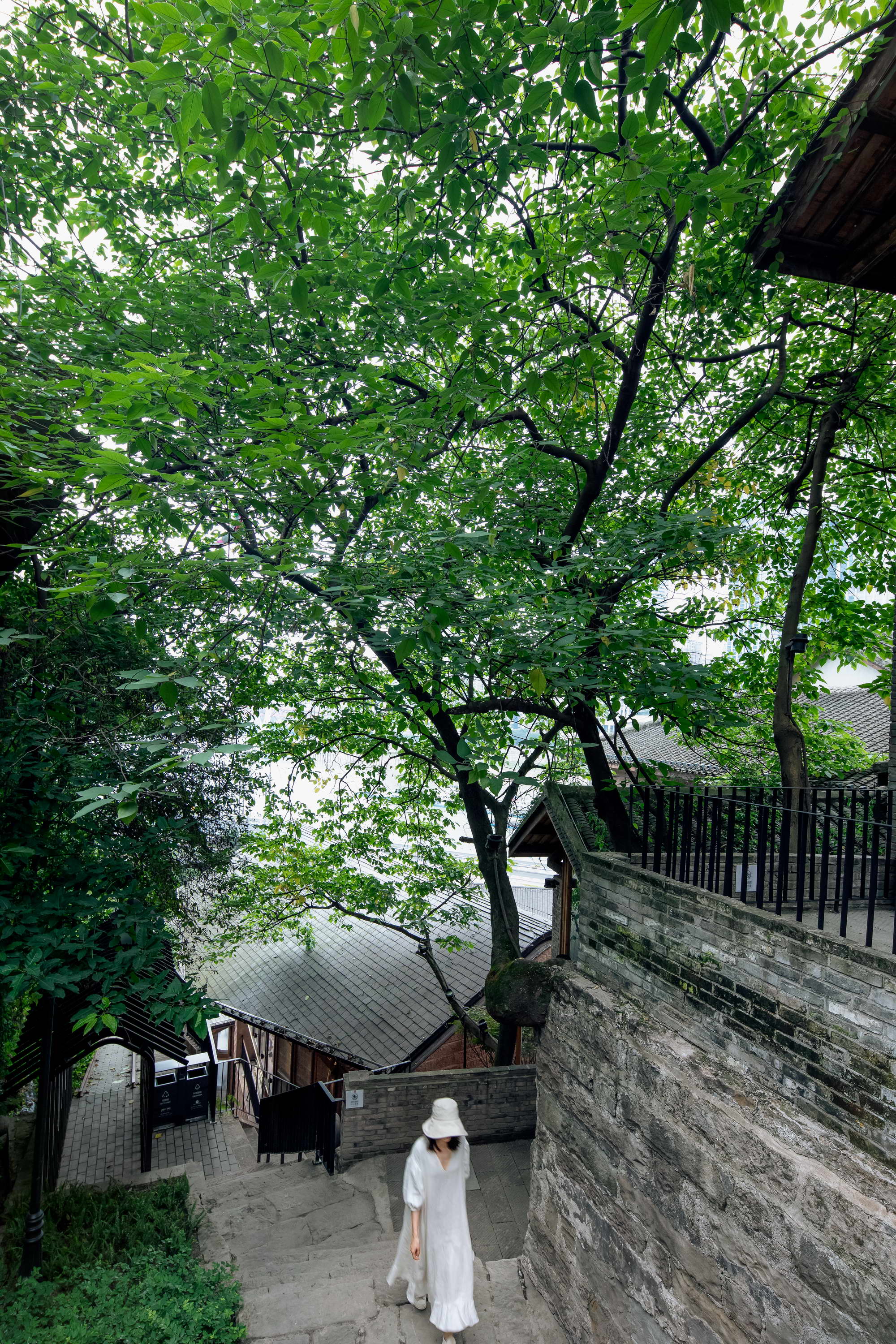
The Chongqing Palace Museum Southern Migration Memorial Hall occupies the former Andeson Hong warehouse complex on Nanbin Road in Nan'an District, preserving the story of how 9,369 crates of Palace Museum treasures were secretly brought to Chongqing in May 1938 after the September 18 Incident, with 3,694 of them stored in four Andeson warehouses during the War of Resistance. During urban demolition, local cultural heritage staff marked the warehouses with red characters reading do not demolish, and in 2017 the Palace Museum chose the site for this memorial. The 4,000-square-metre site spans eight terraces rising from 190 to 216 metres, and the landscape by Blue Tone International's First Design Institute treats the project not as a scenic spot but as a layered cultural stratigraphy that links old and new memory. The architecture by Atelier Frontiers, led by Zhang Yonghe and Lu Lijia, uses dismantle-and-rebuild, reconstruction on original foundations and new-build on original footprints to renew the place while retaining abundant historical traces, inserting exhibition, workshop and education functions through a clear, restrained construction logic. Zishui Square facing Nanbin Road blurs the edge of the Yangtze River with reef-like landscape stones and generous open space, while a tile feature wall, set with the memorial's logo, uses Qing imperial grey tiles rather than the Forbidden City's red walls, because grey tile better carries the passage of time, local connection and everyday truth. Bluestone lanes are re-laid with rough stone strips cut at forty-five degrees to inscribe historical weight. A time-corner gate evokes the hill-and-stair morphology of old Chongqing, and a window-frame viewpoint formed by original column capitals frames the lantern-lit opposite bank against the modern city. The time-station restores the old freight funicular tracks and loading platform, recalling the porters known as bangbang jun who carried the crates uphill. Native earth retaining walls, the city tree banyan retained on site, and hand-grooved grey brick all carry the texture of 1938. The design integrates three memory routes: a restored bluestone path linking commemorative buildings, a new-but-aged path completing the circulation loop, and the restored freight rail looking from past to future. Completed in 2021, the project is a heterotopic meditation on time, memory and emotion, where spring, summer, autumn and winter gather and history is reborn.









 Editor's Pick
 Latest Design
 Best Idea