Text description provided by the architects
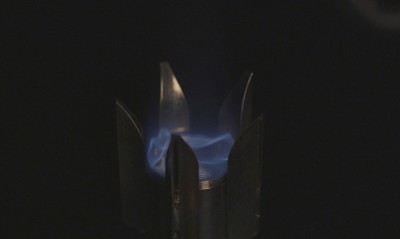
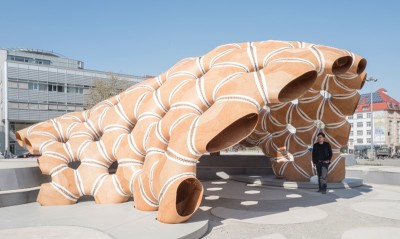
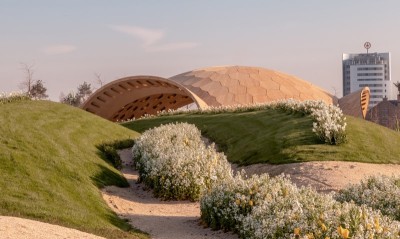
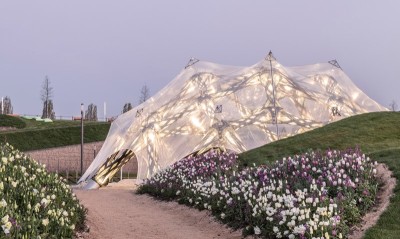
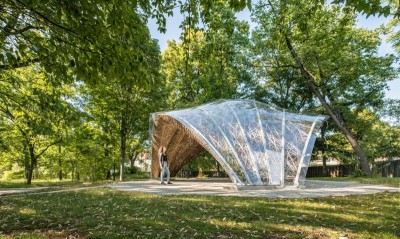
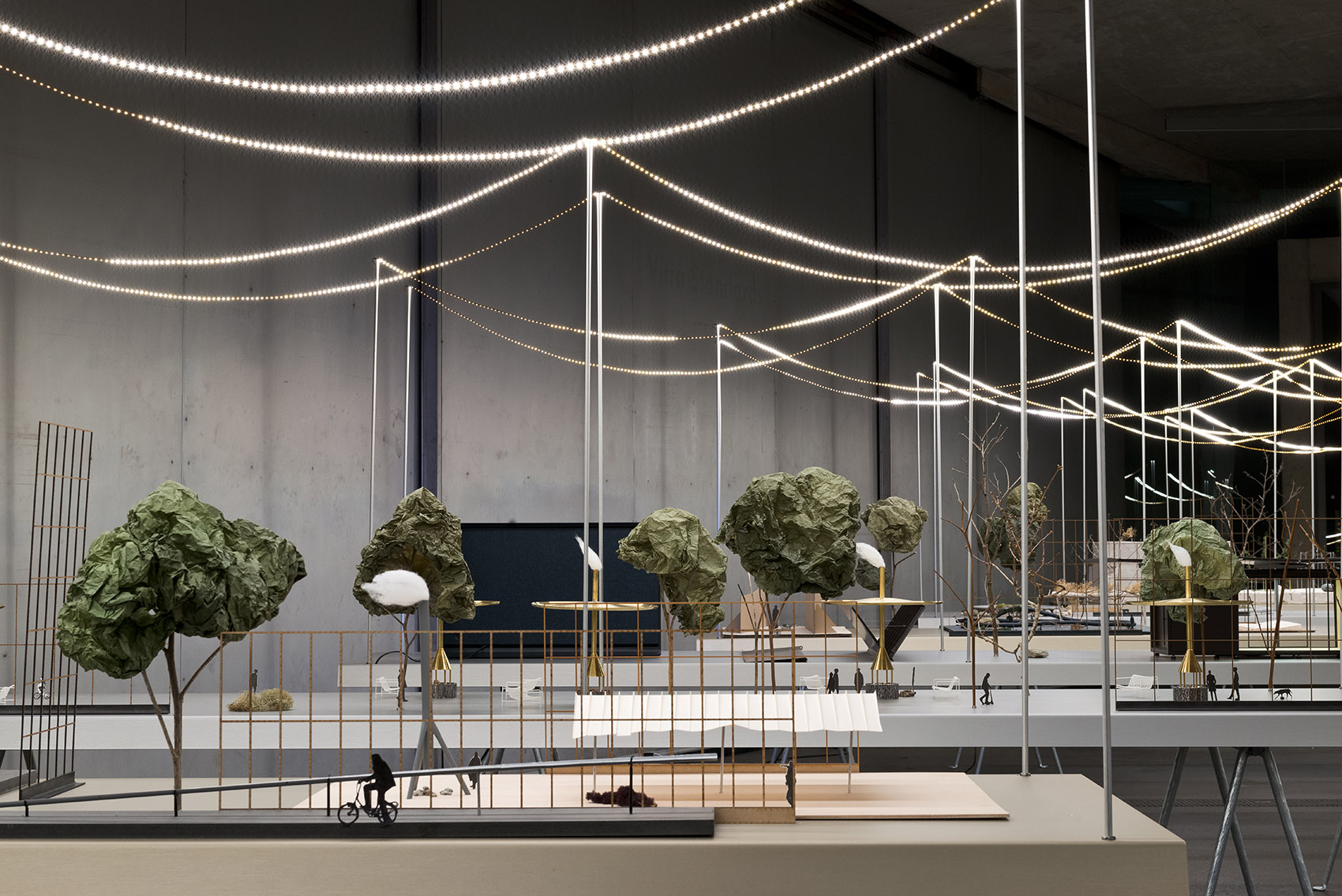
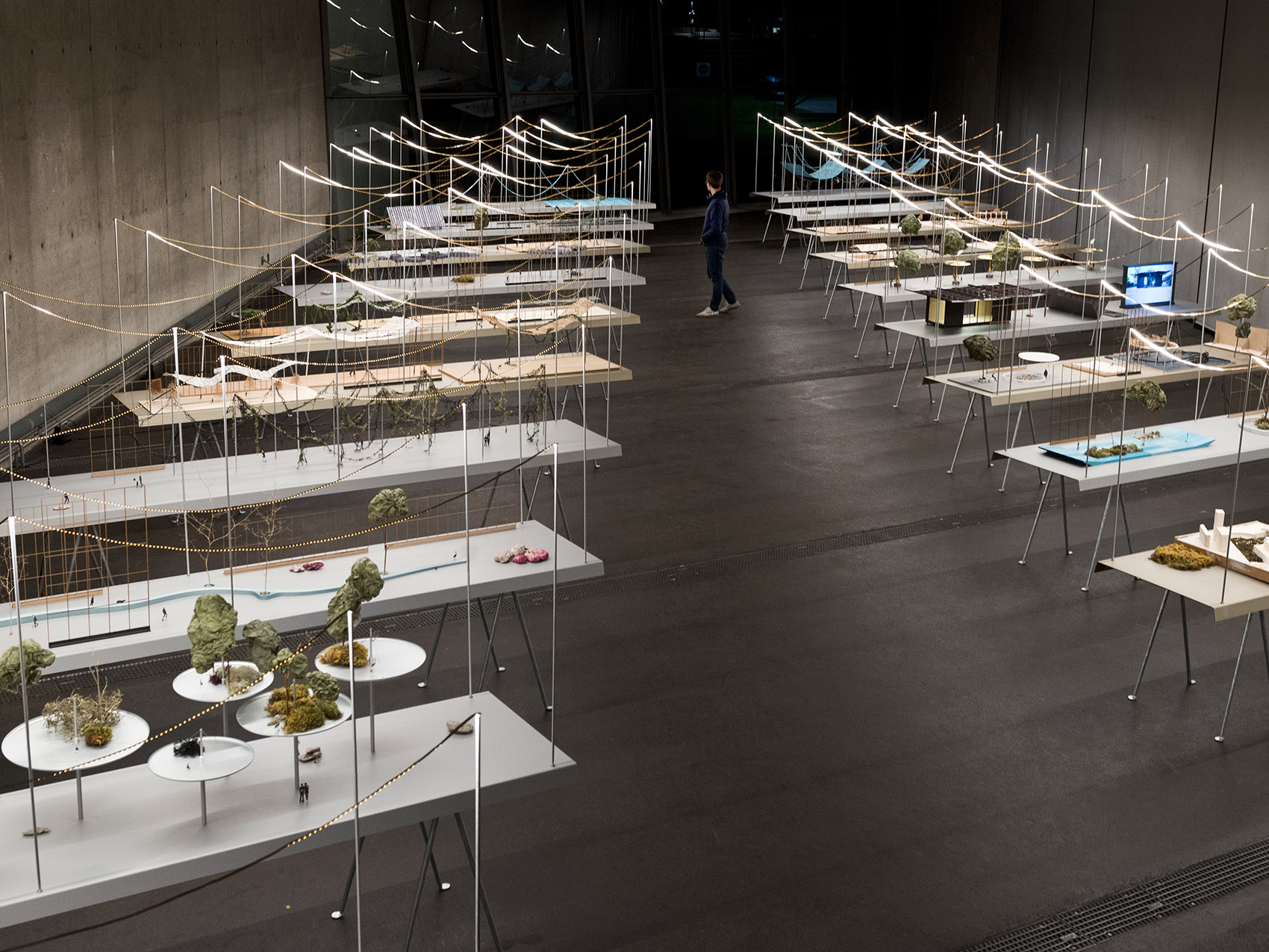
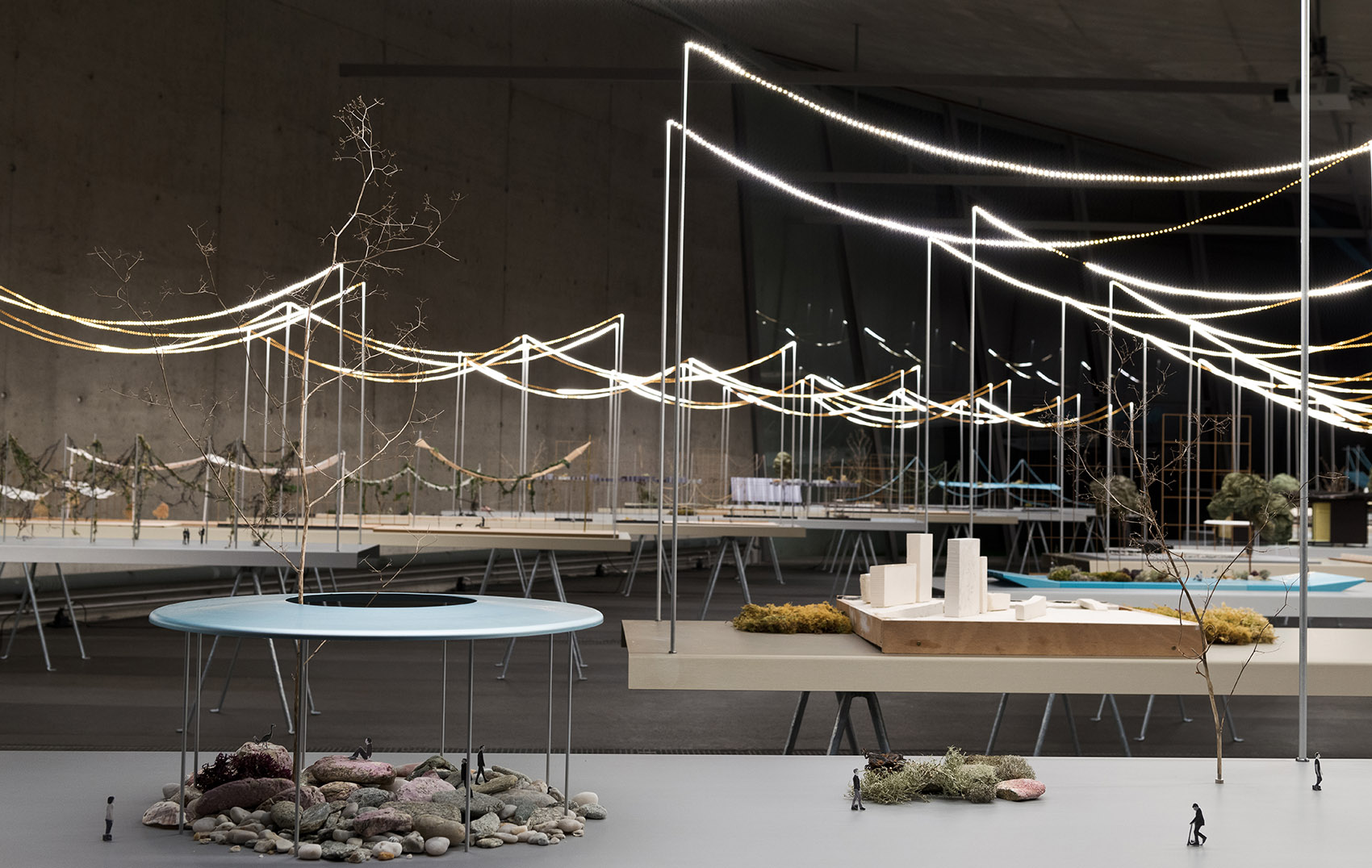
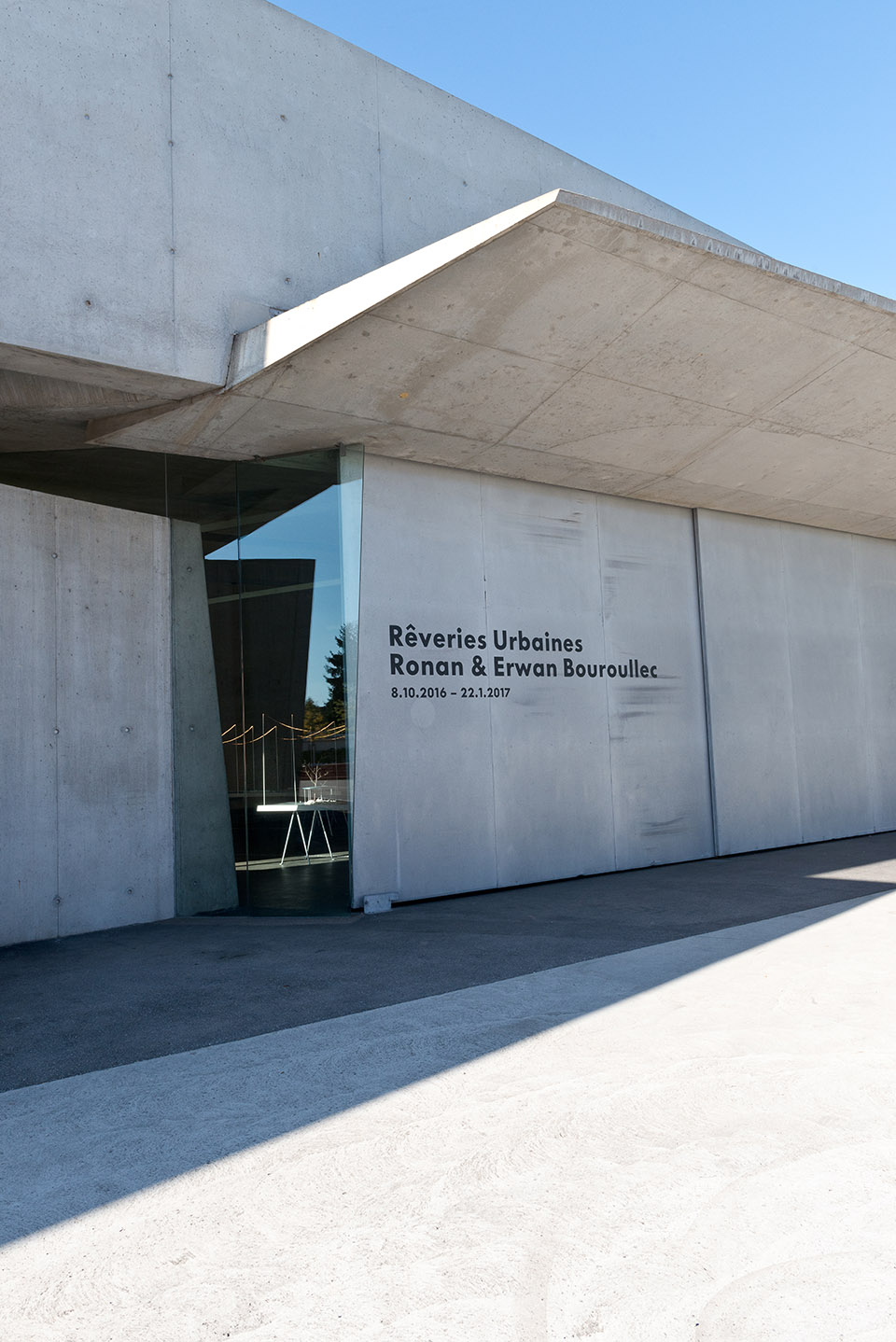
Following their Album exhibition in 2012, internationally renowned designers Ronan and Erwan Bouroullec returned to the Vitra Campus in October 2016 with Reveries Urbaines, installed in the Zaha Hadid-designed Fire Station. The exhibition presents concepts for urban development and is a wide-ranging study of possible solutions for cities imagined in very different urban settings. Like a large open sketchbook, the proposed solutions are presented as a gentle walk through models and animations. The exhibition is designed to be immersive, bearing the visitor away into different scenarios, with each model showcased as a chapter in an urban fiction. Reveries Urbaines features the Bouroullec brothers' first projects focused on public spaces. Films and research models are arranged around fourteen proposals that reinvent certain motifs for urban spaces: vines, torches, parasols, a fountain, a kiosk, and other elements. The aim is to give a new sense of magic to the places where people walk, meet, and talk, through the use of lines, harmony, and transparency. The installation points to some of the ongoing projects the brothers are developing for several cities around the world. A handout with detailed information on the scenarios presented accompanies the exhibition. Ronan Bouroullec describes the show as continuous research, open and abundant, a pragmatic reverie designed to exist in public spaces. Some visitors may find the exhibition perturbing or surprising because, up until now, urban development has never been their subject. Erwan Bouroullec speaks about their collaborative approach: the project was built from a certain distance, which is their normal way of working. No project is dedicated to a particular person or place. The exhibition brings together propositions for developing public spaces that could equally apply to Weil, Basel, or Copenhagen. All of these principles contain an element of abstraction, replying to questions that are not completely clear. It is precisely in this vacuum that it becomes possible to reconceive propositions on site.






 Editor's Pick