Text description provided by the architects
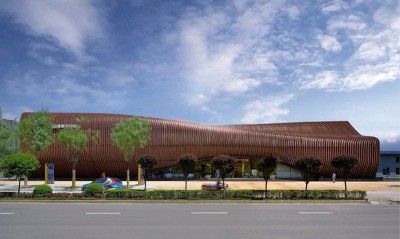
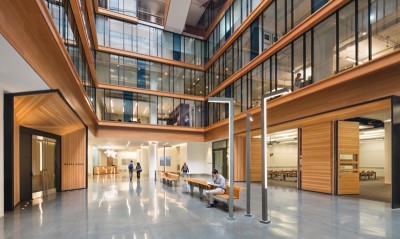
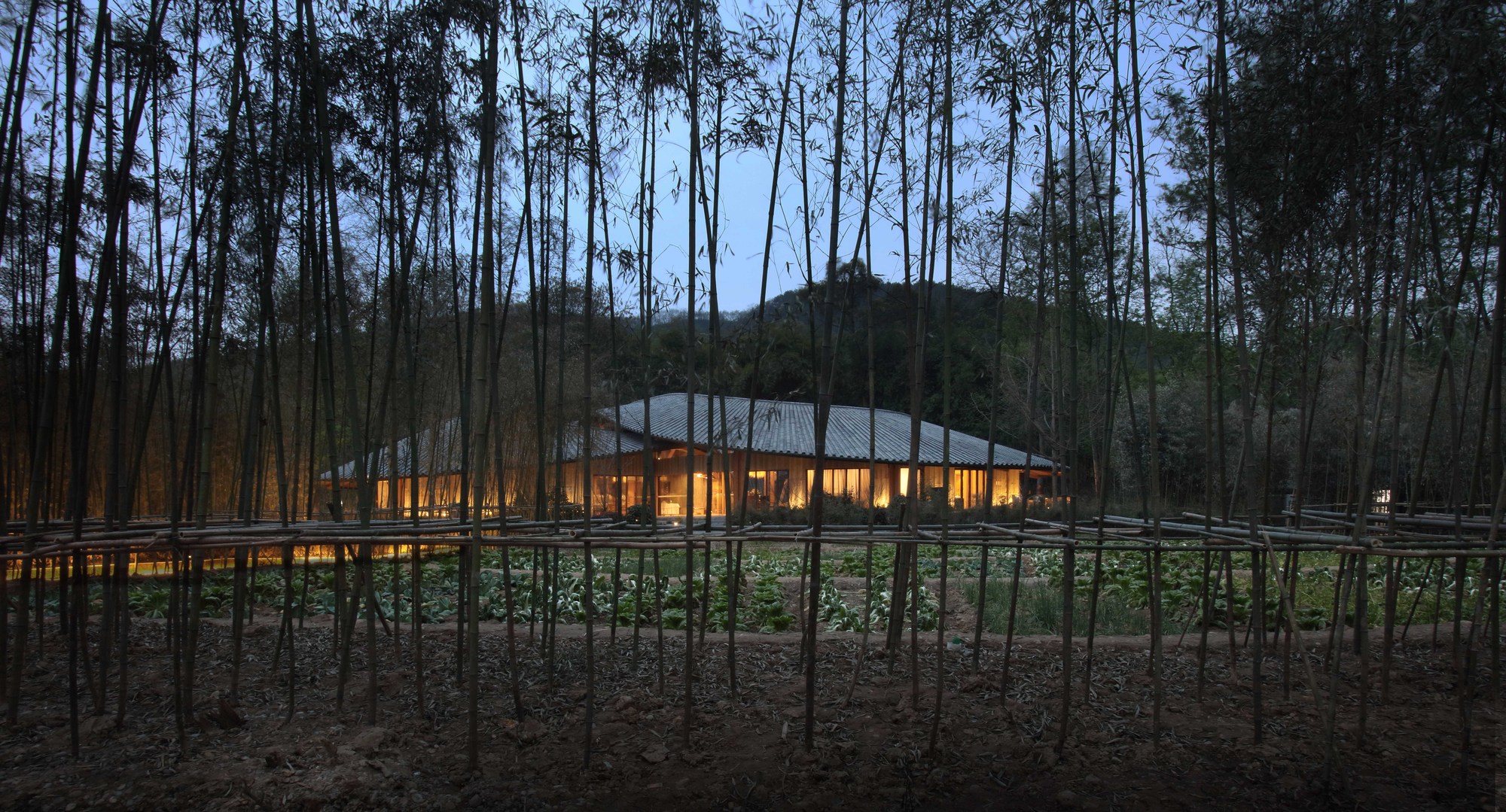
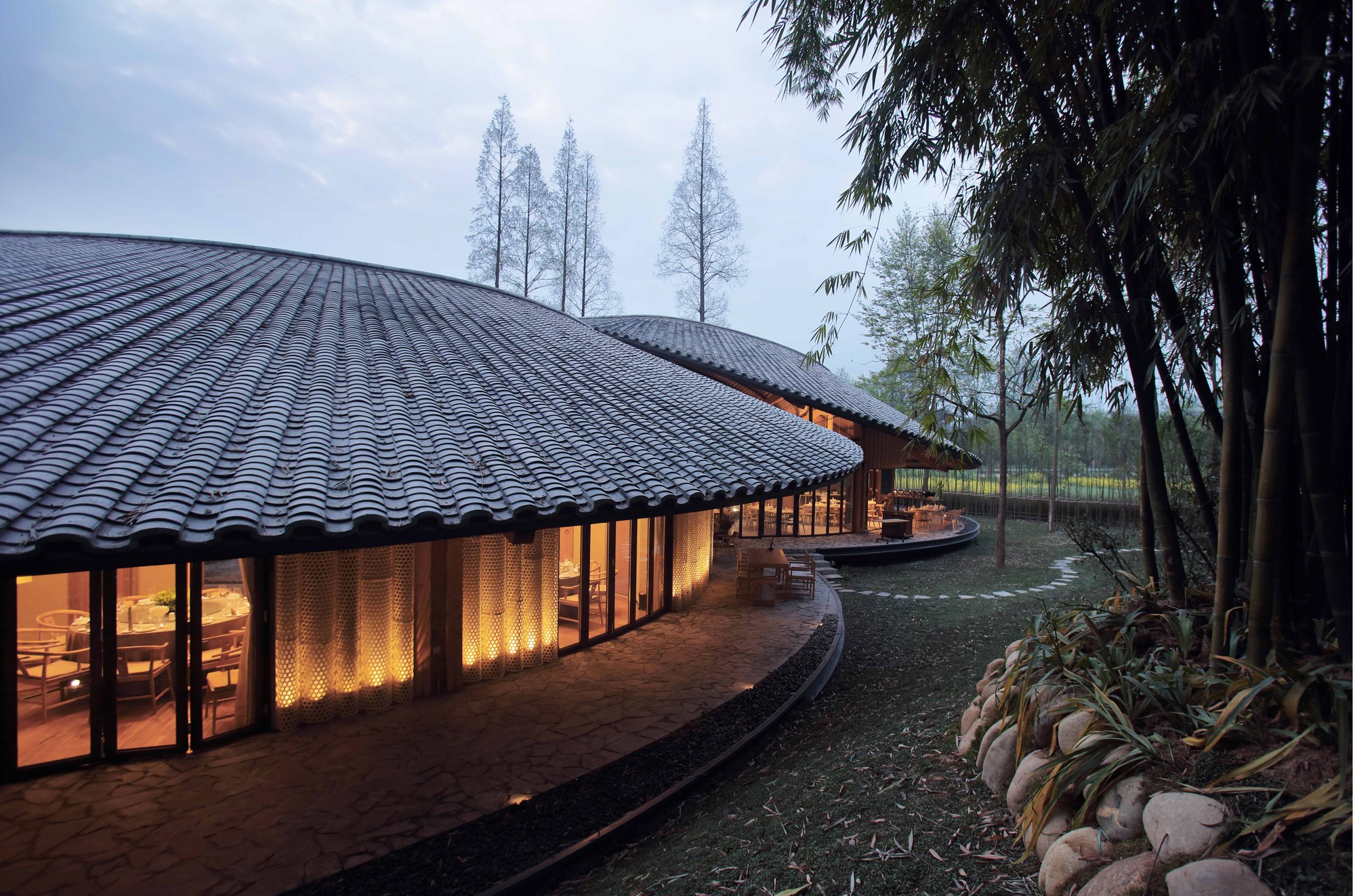
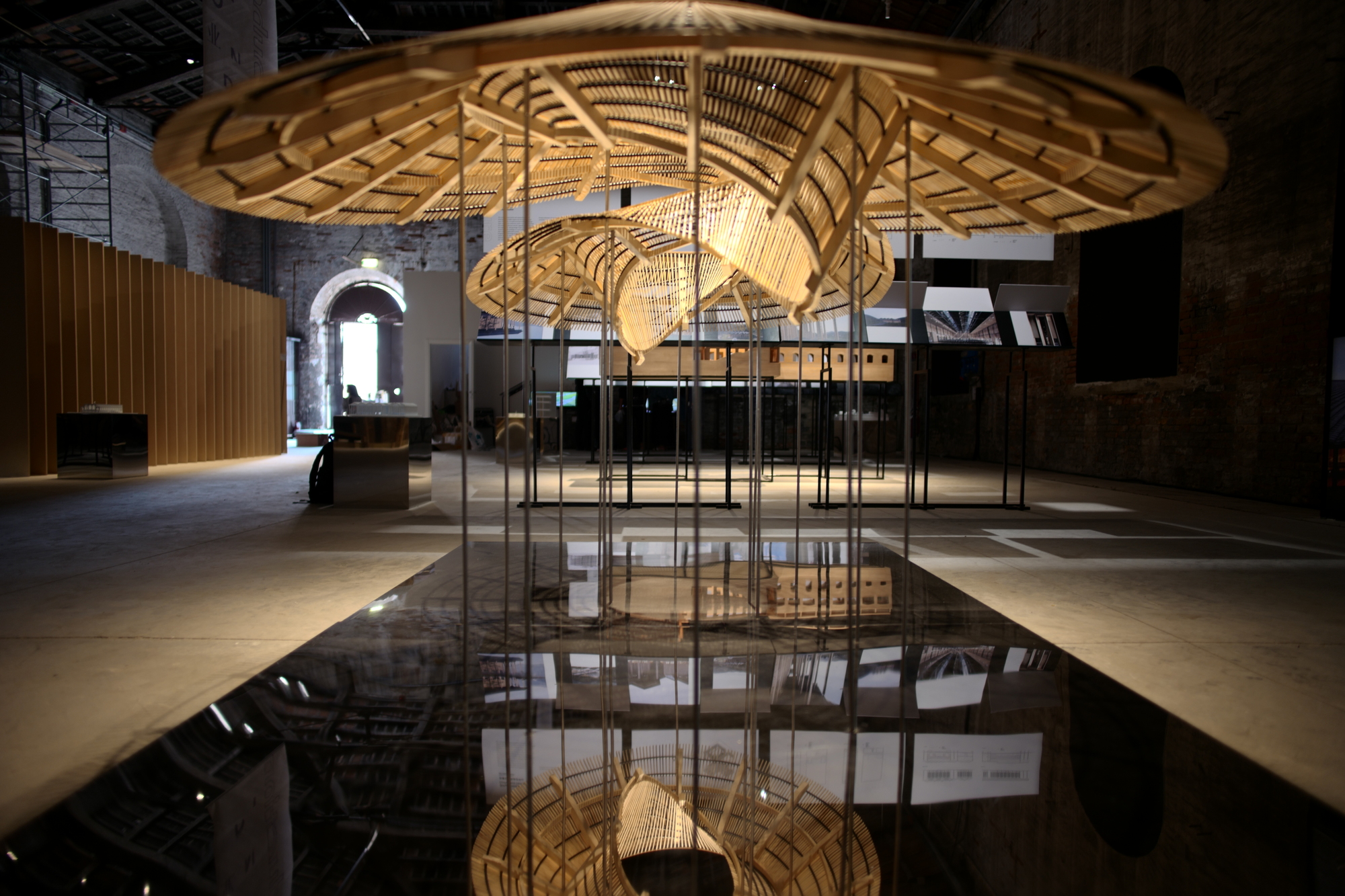
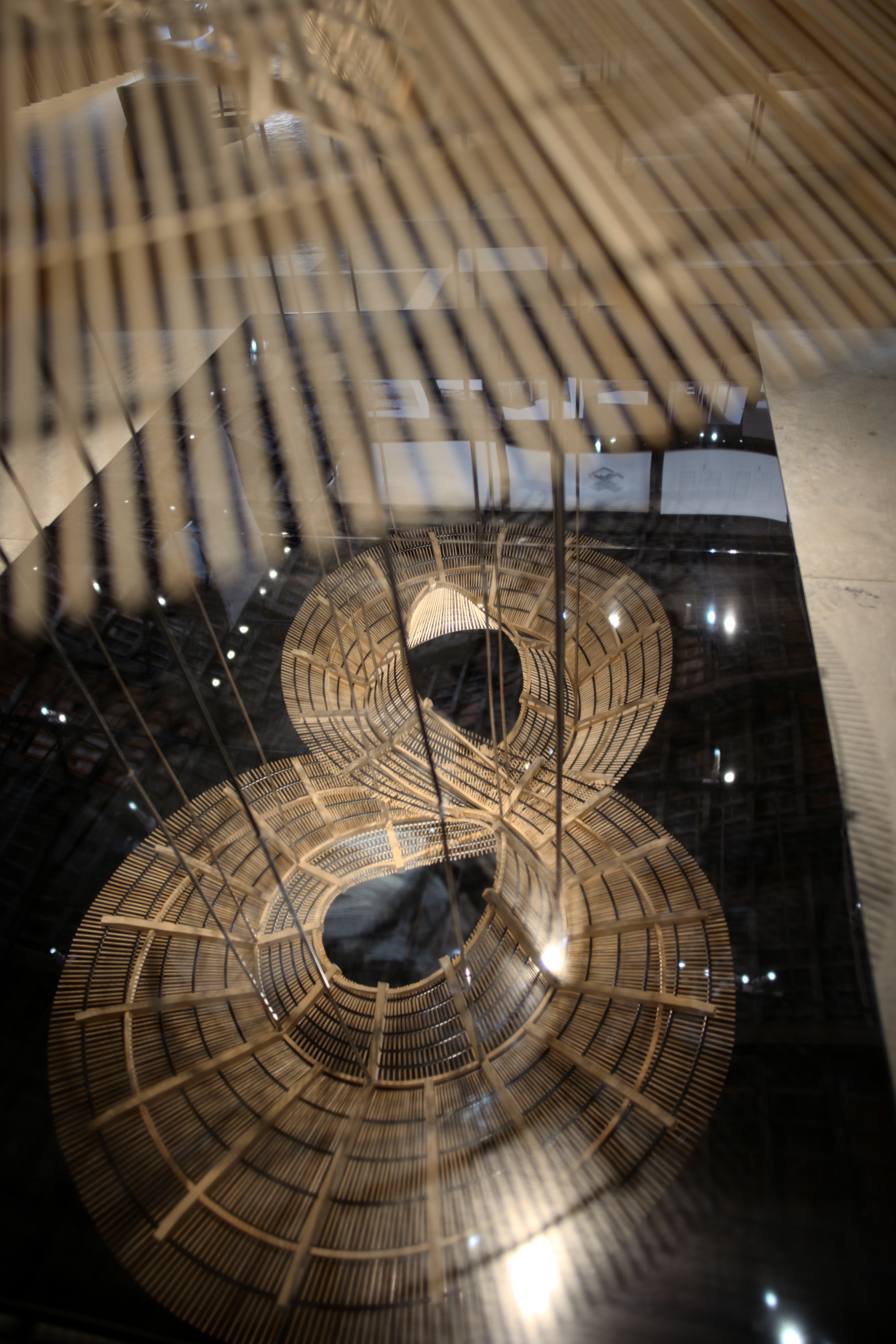
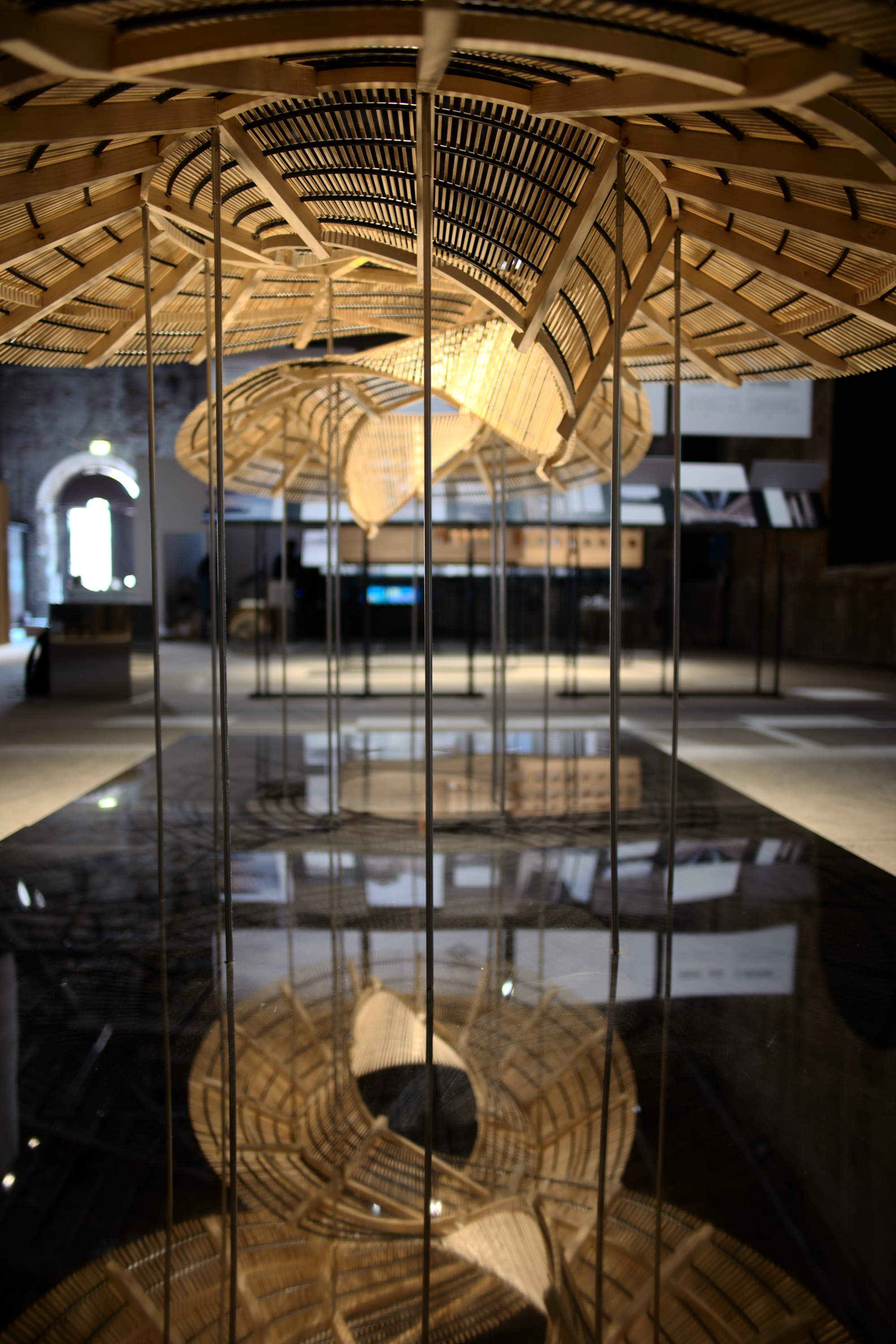
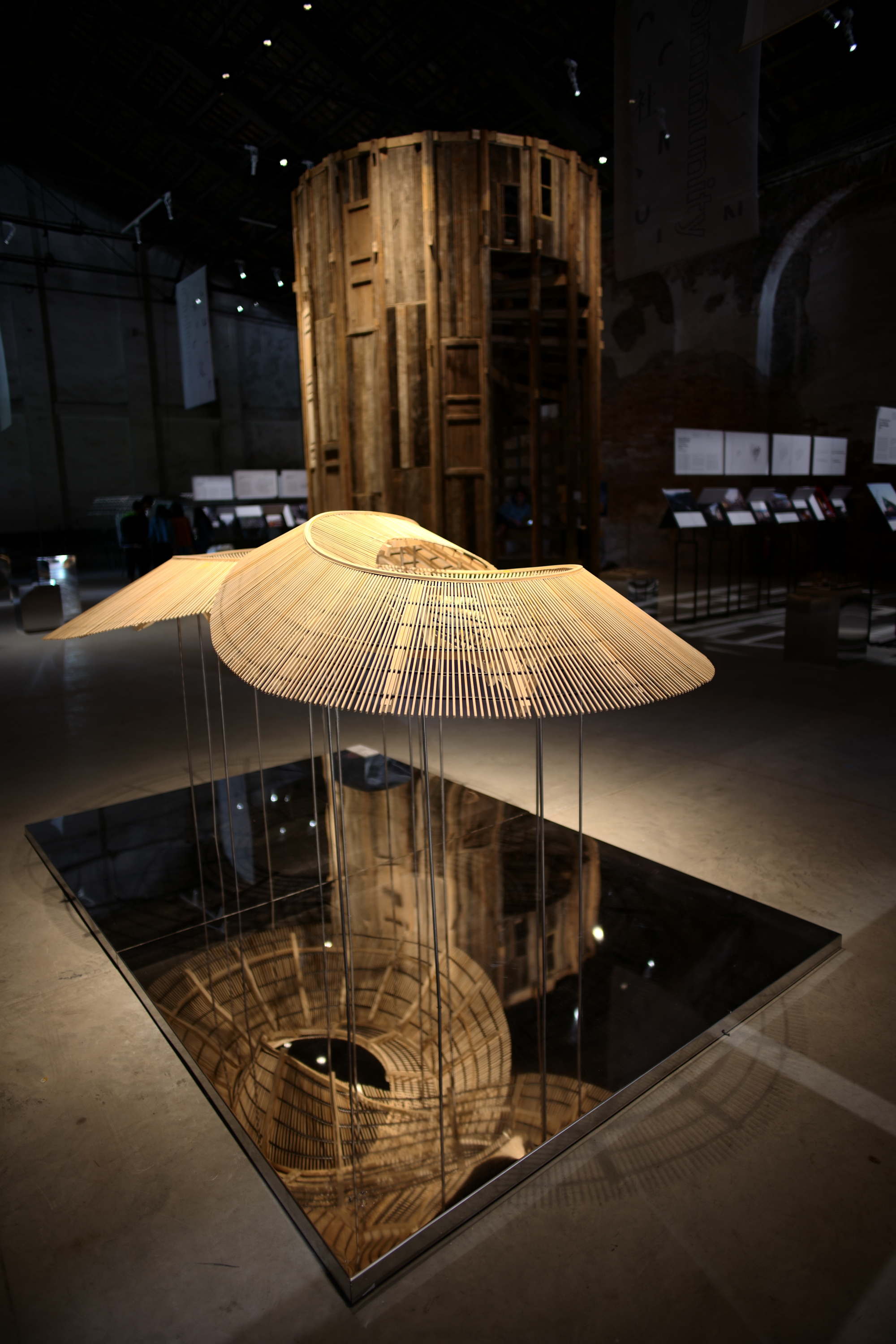
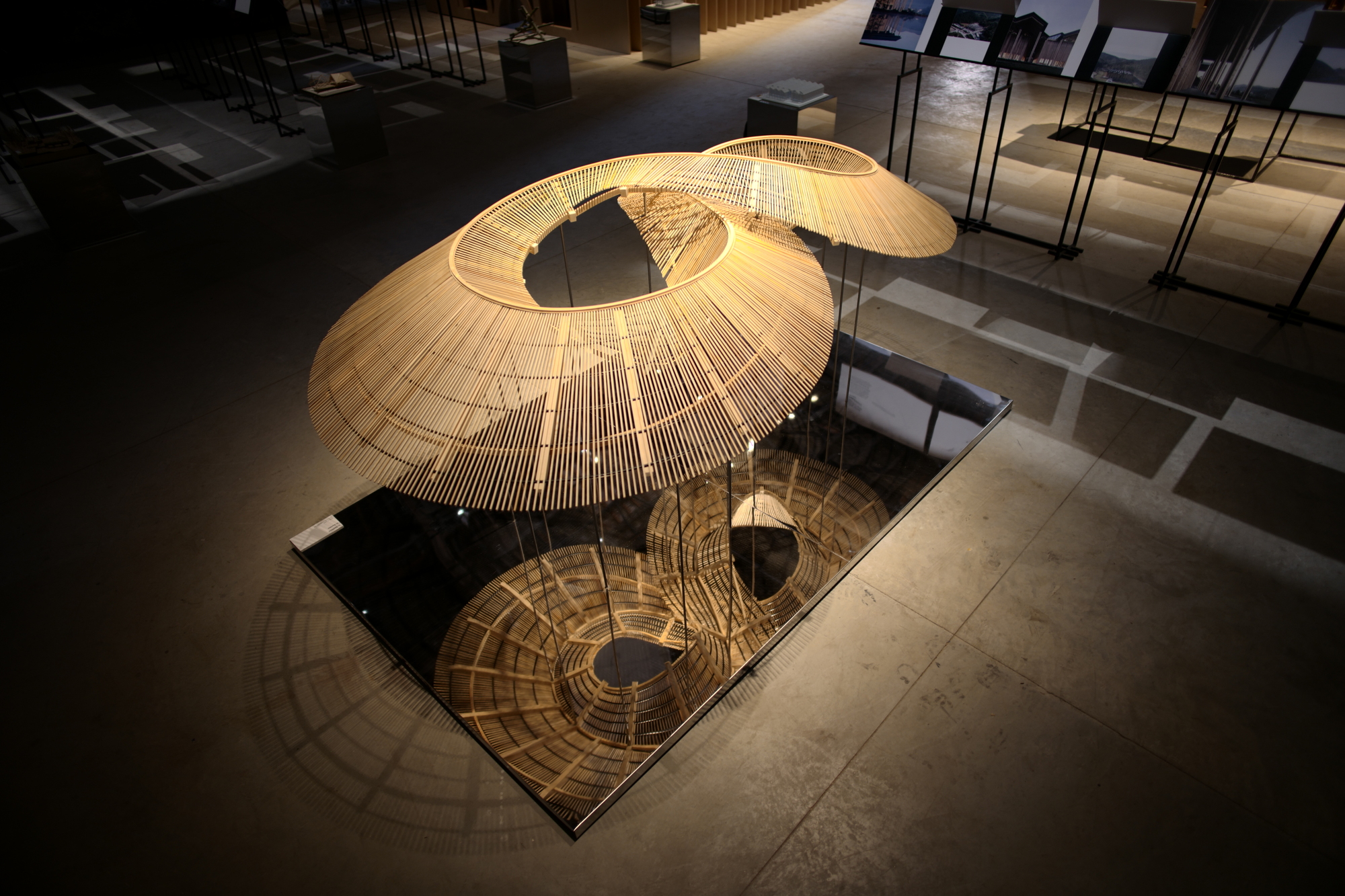
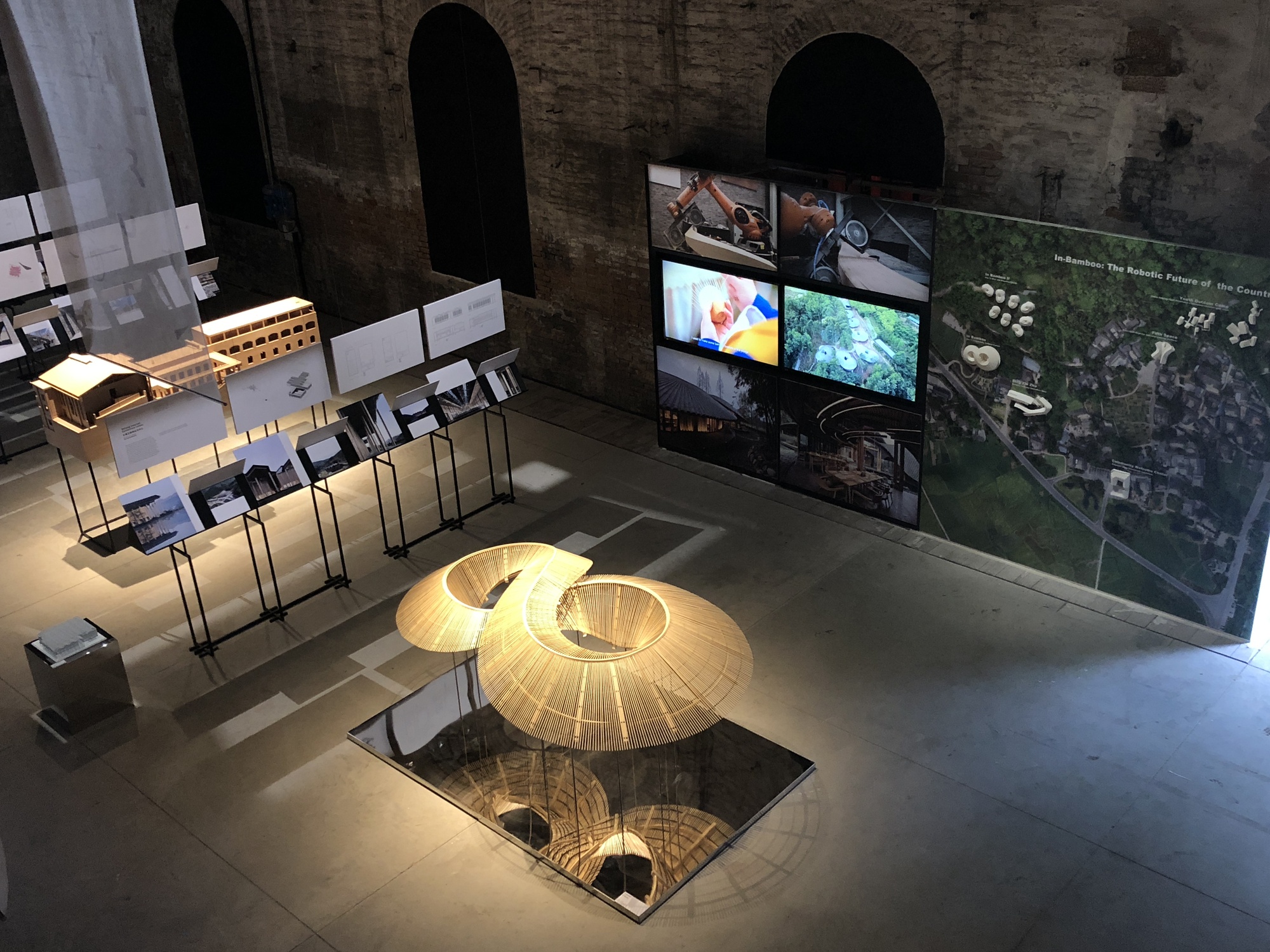
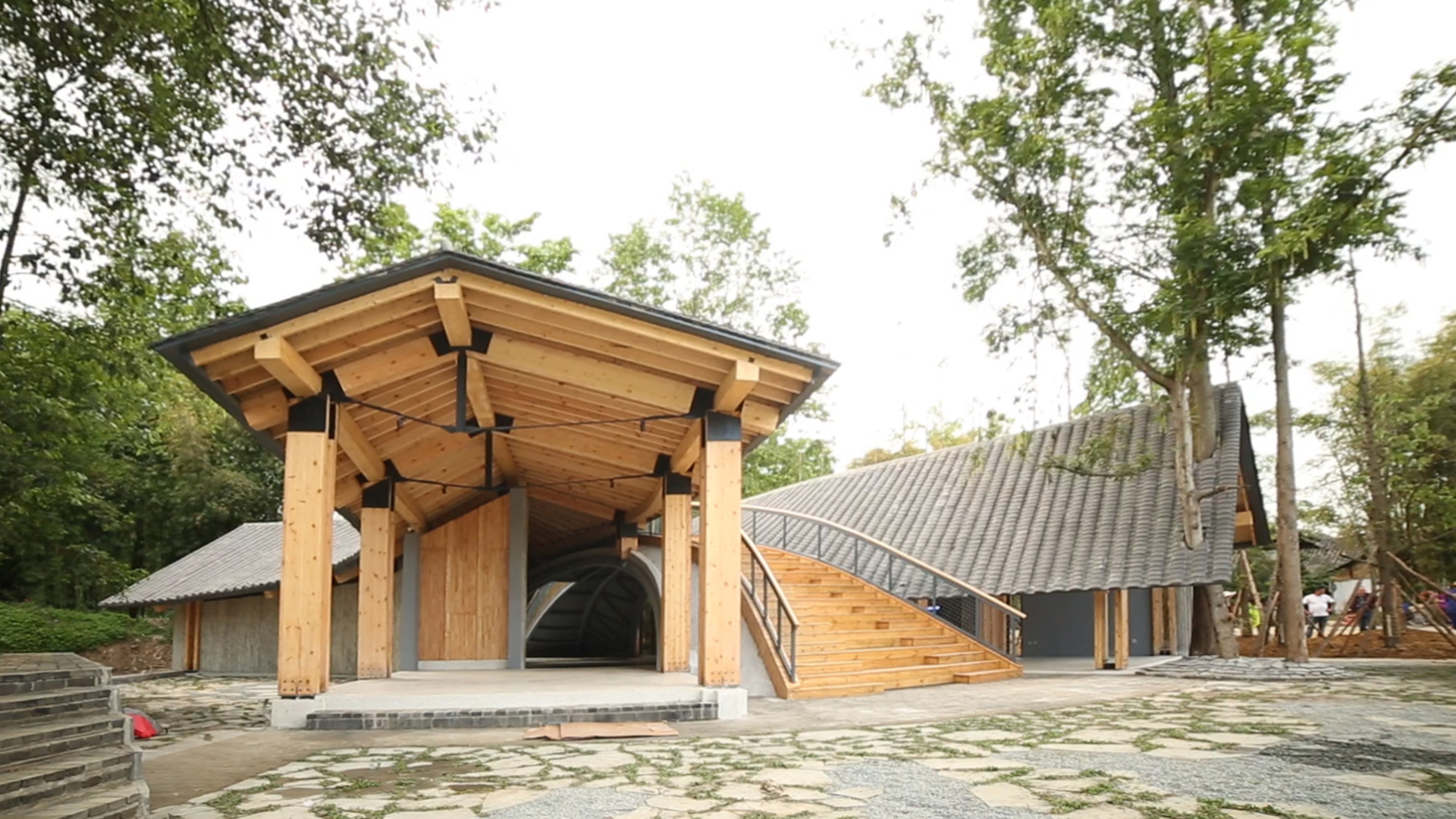
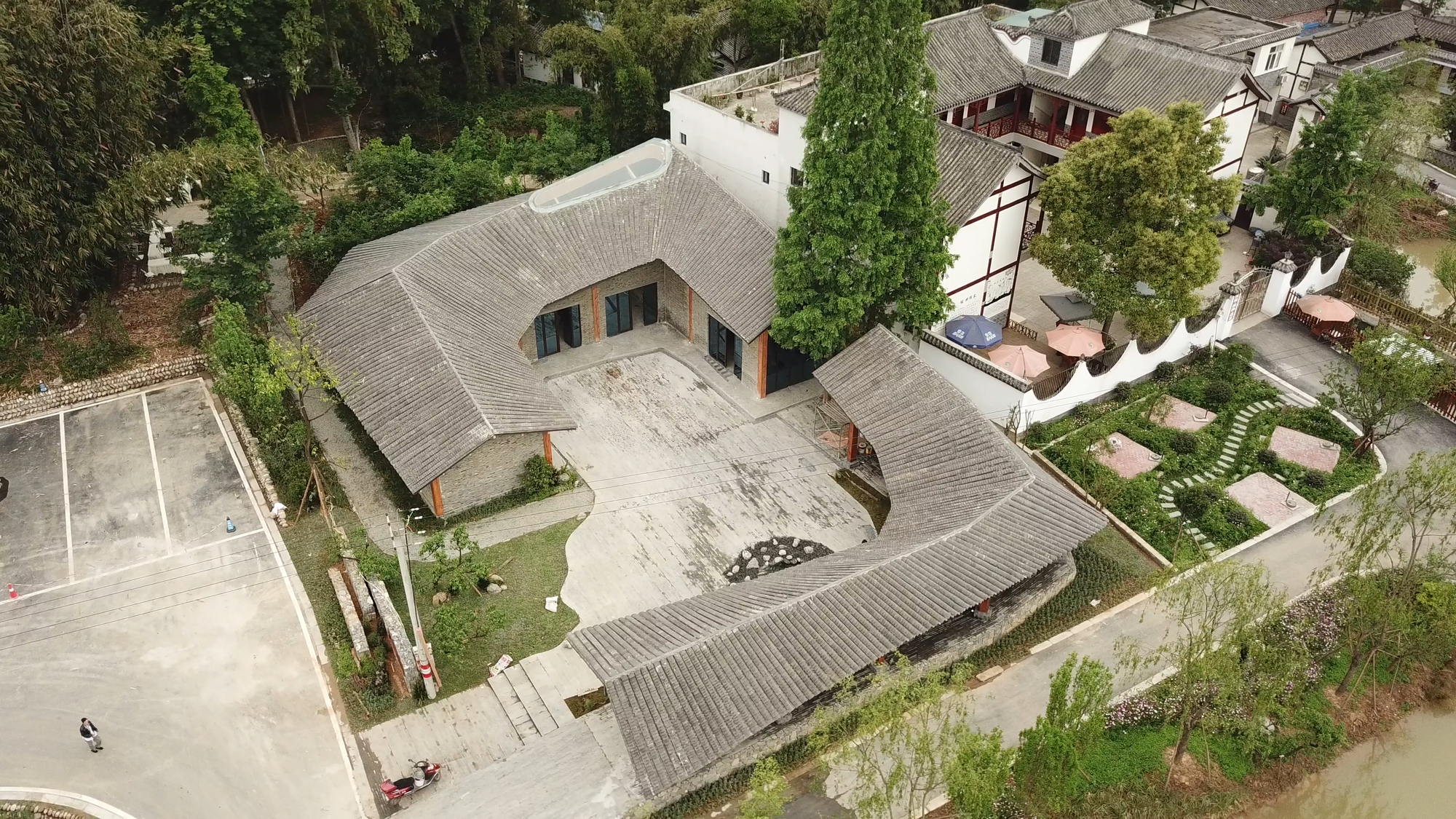
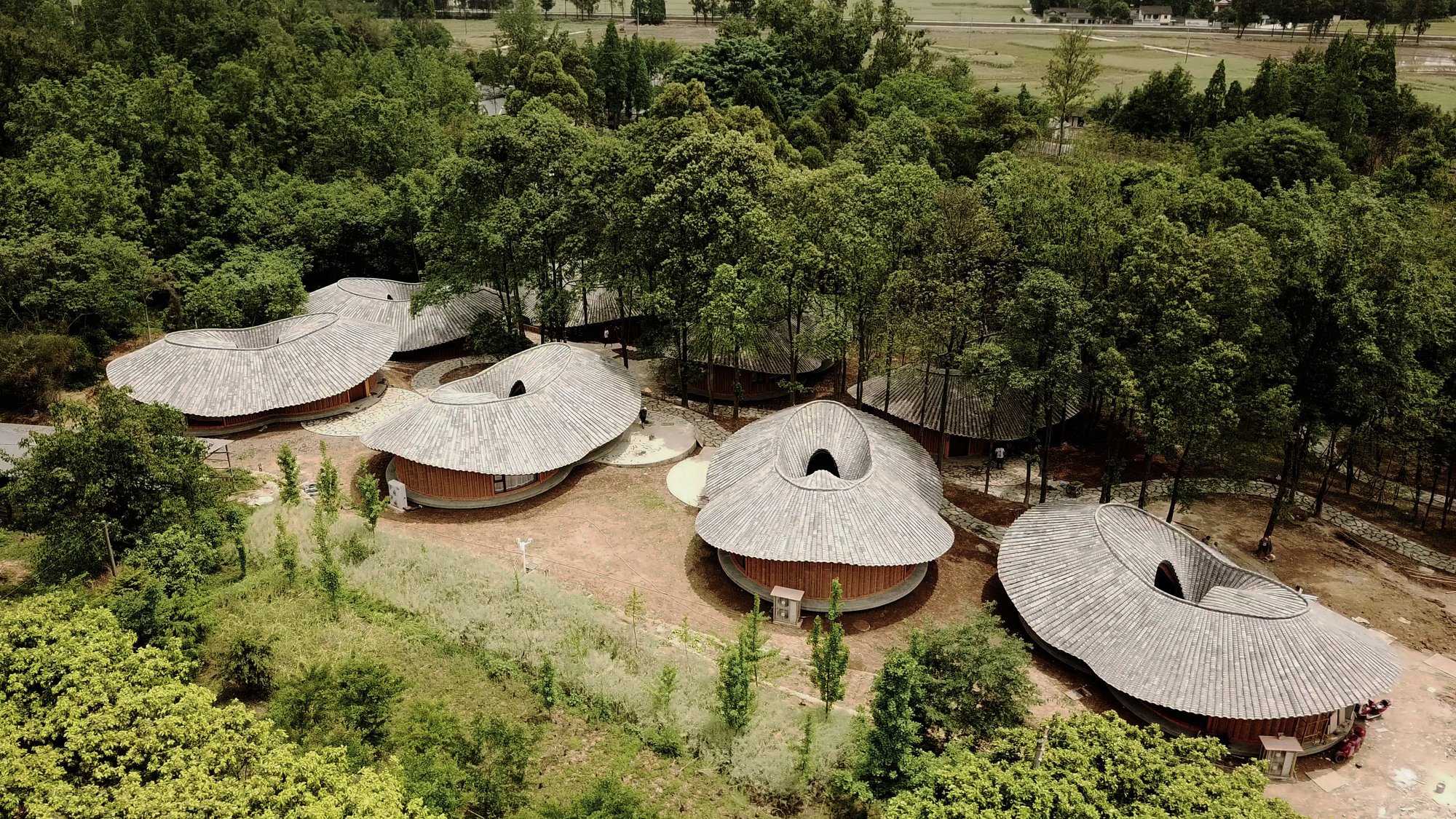
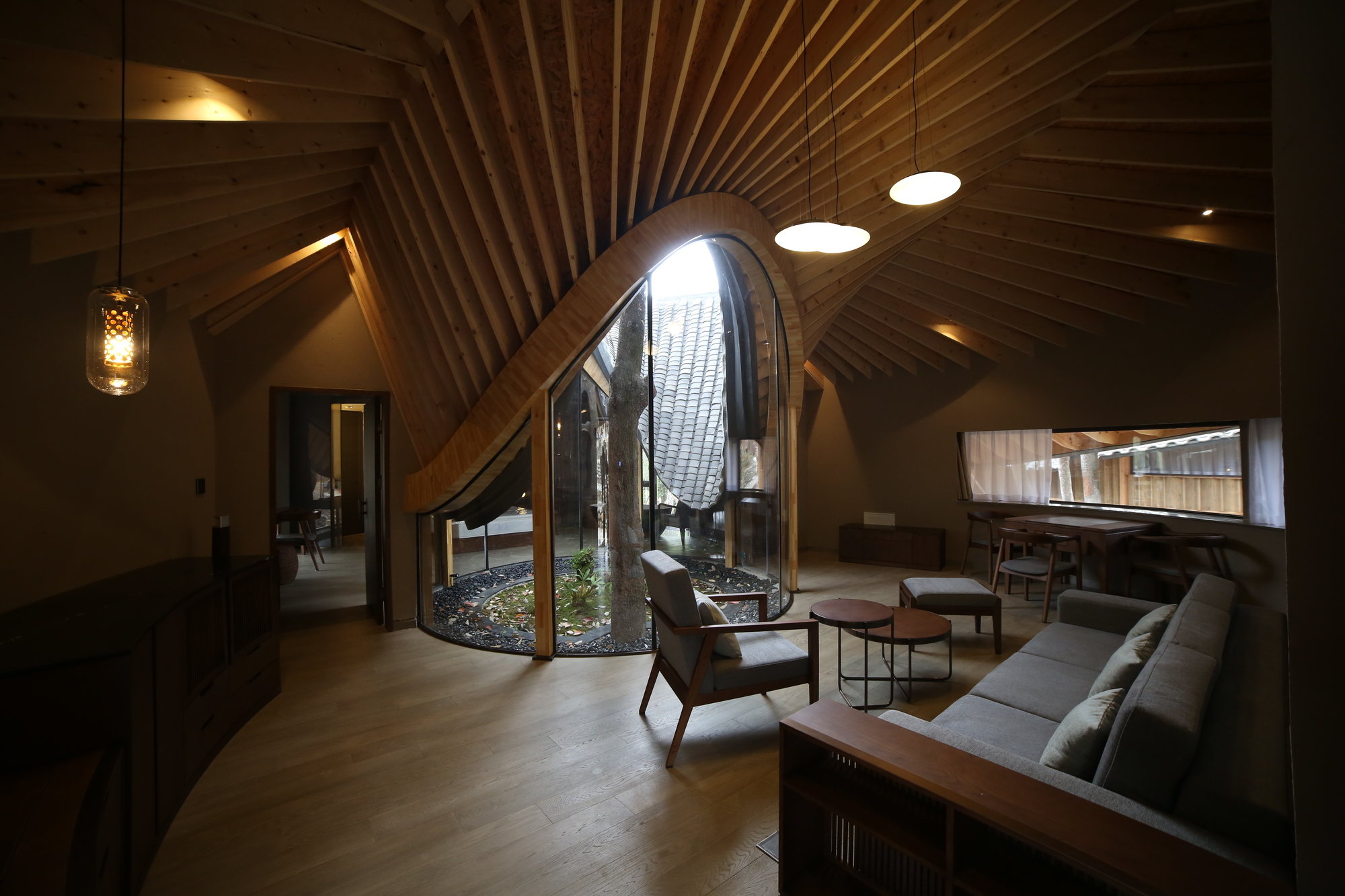
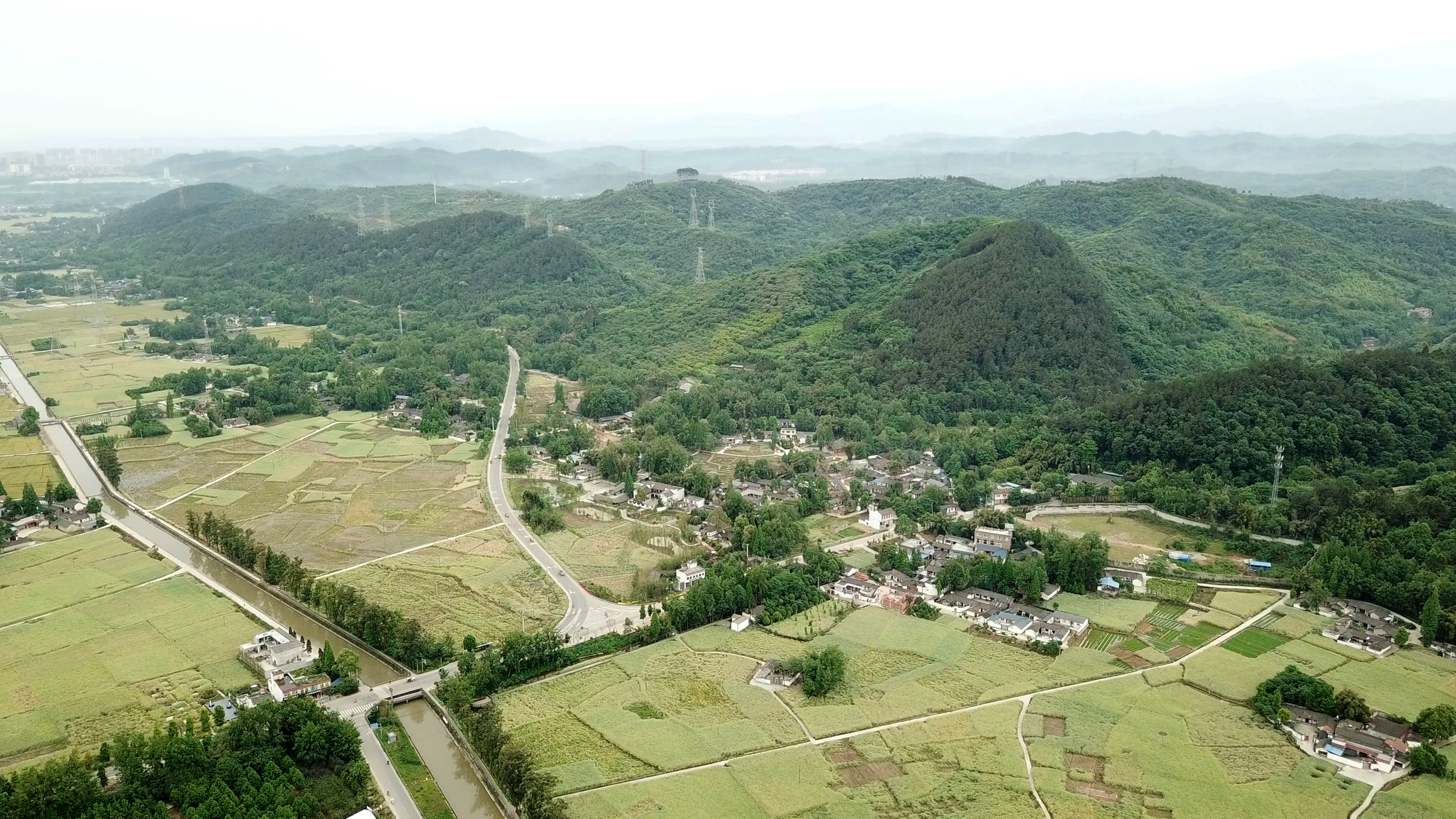
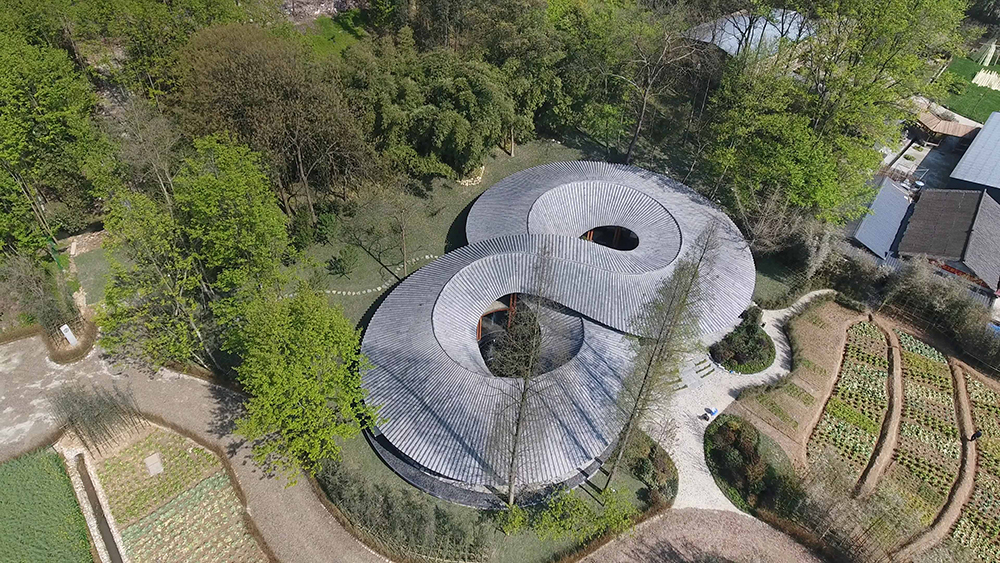
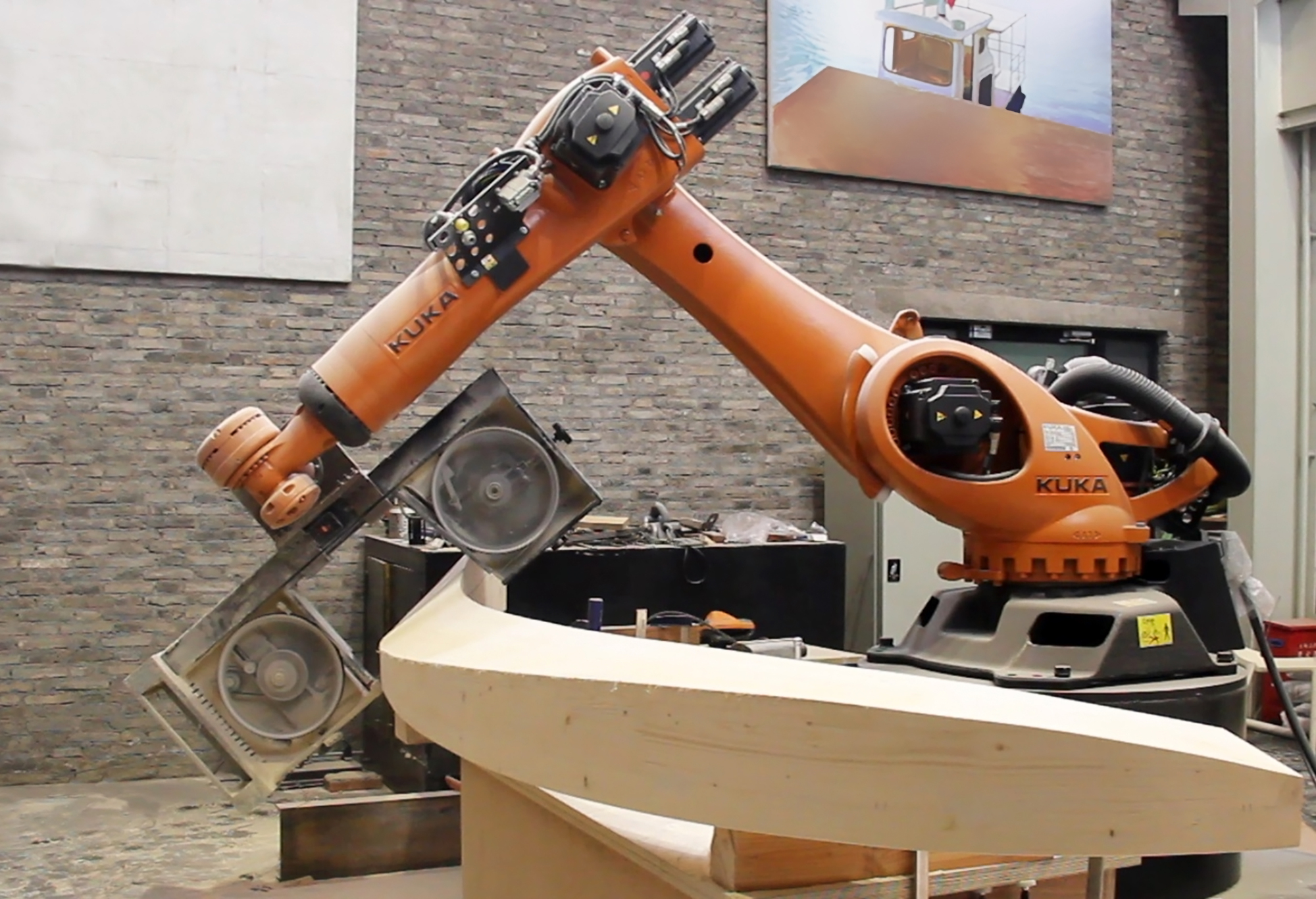
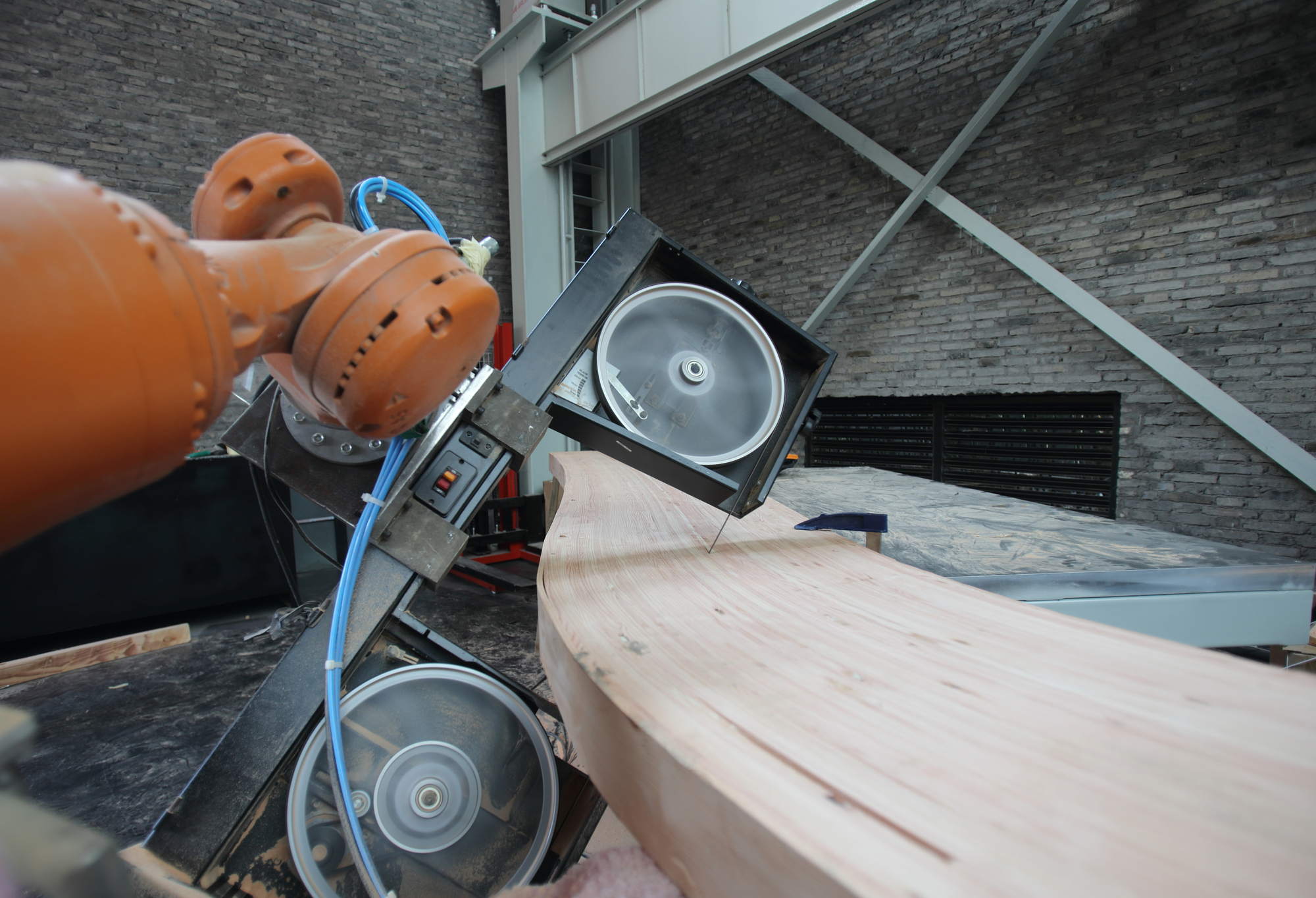
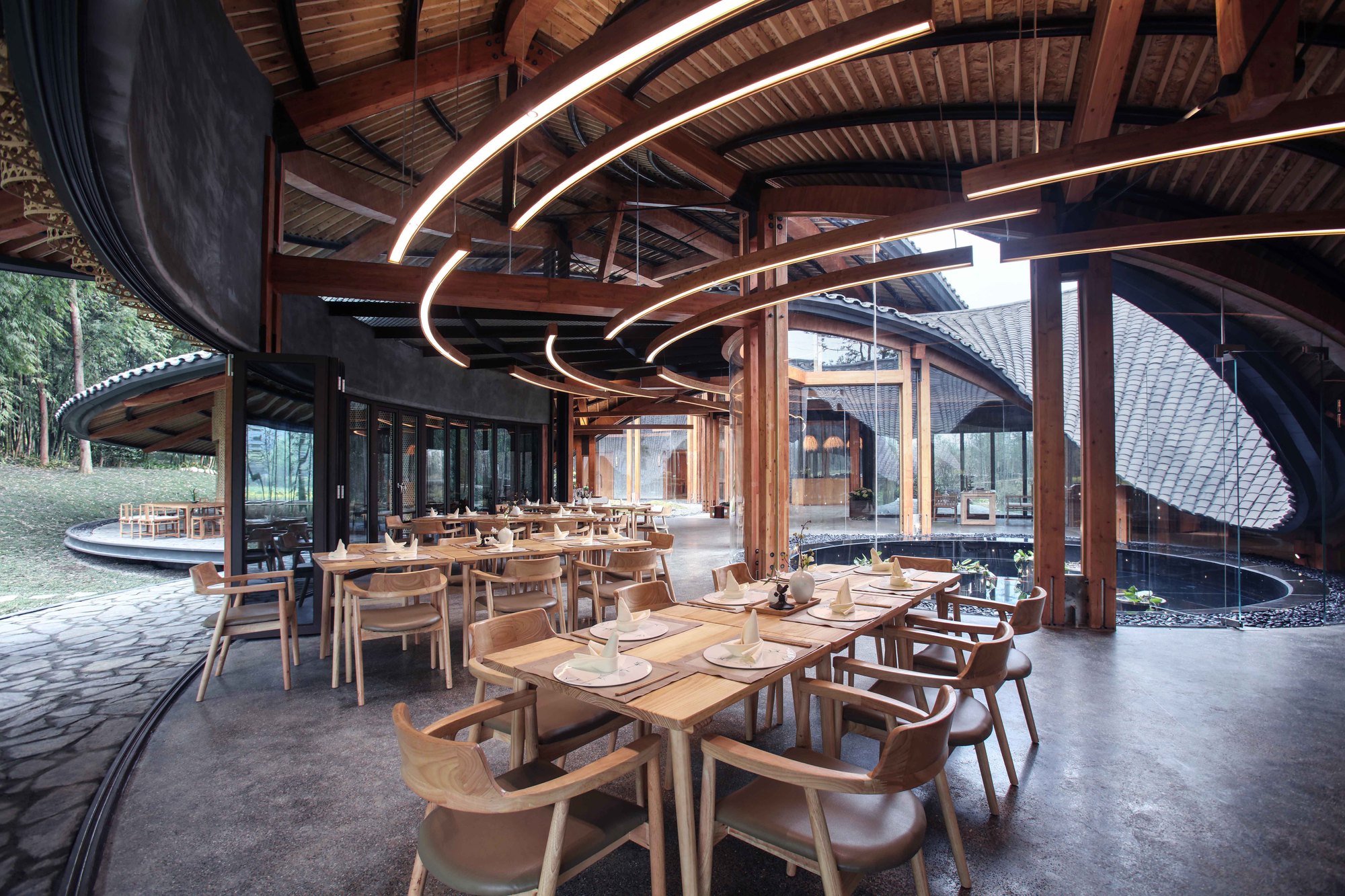
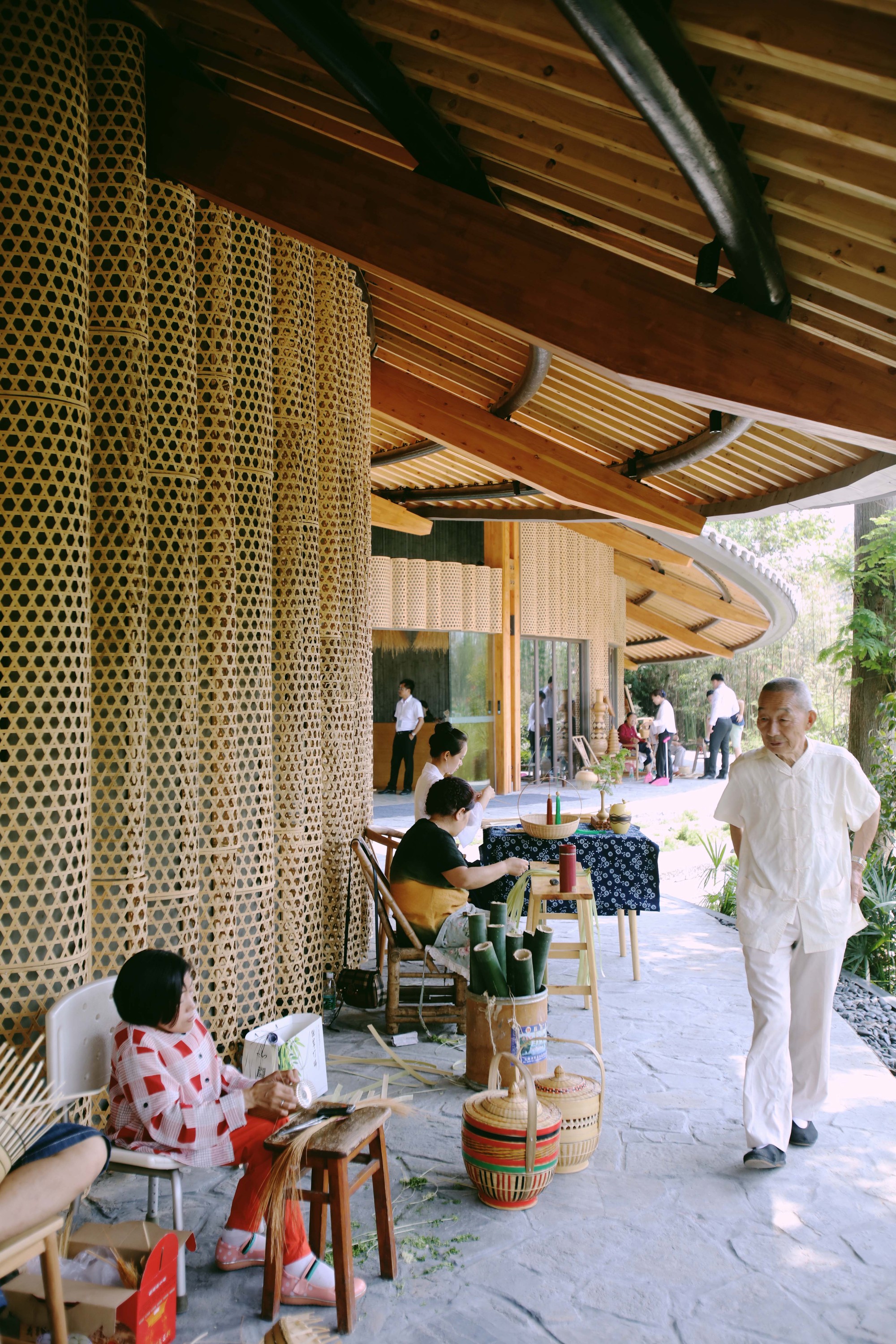
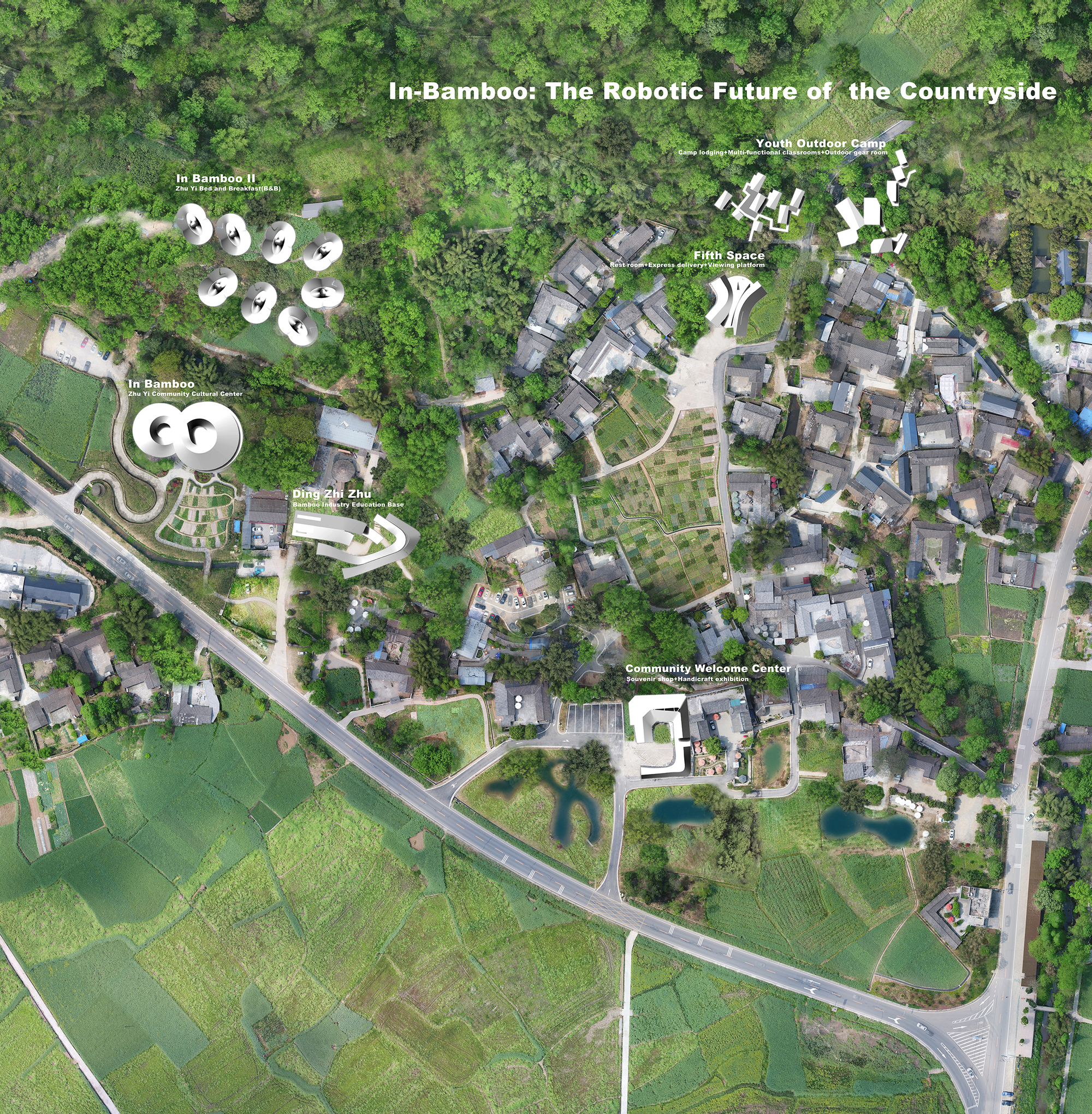
Zhuli, or Bamboo Interior, is the signature building of Bamboo Art Village in Daoming Town, Chongzhou, some fifty kilometres from central Chengdu. The village has a simple, hospitable culture, dense everyday life and close neighbourly ties, and is a representative example of the Tianfu Linpan settlement type; it also carries a strong local intangible cultural heritage in bamboo weaving. The village's designer, Yuan Feng, after visiting the site and understanding its needs, sets out to build a rural infrastructure and cultural-industry system that integrates ecology, culture, industry, daily life and public good. Zhuli itself takes its name from the line by the Song-dynasty poet Lu You, in a bamboo grove a deep path winds; the Qing-tiled roof that loops over the open field is supported by a light steel-and-timber frame carrying an inward, overlapping annular tile roof. A 70-percent prefabrication rate allowed the main building, interior and landscape to be completed in only 52 days. The looping roof naturally forms two inward courtyards, giving the interior rich layered views and summarising the relationships between inside and outside, bamboo and tile, new and old, under a roof whose form is, in the Chinese phrase, the great form has no shape. Multi-functional, adaptable rooms are arranged organically under the roof. Zhuli offers a new definition of traditional building paradigms and a reflection on rural and urban questions through technological humanism, and it is an experimental exploration of rural timber industrialisation: one month of factory prefabrication and 52 days of on-site assembly. When future township industrial plants equipped with robotic fabrication are combined with rural building industrialisation, a more meaningful industrial upgrade will follow, and Zhuli, as Bamboo Art Village's calling card, looks not only backward to tradition but forward to that future.



 Editor's Pick