Text description provided by the architects
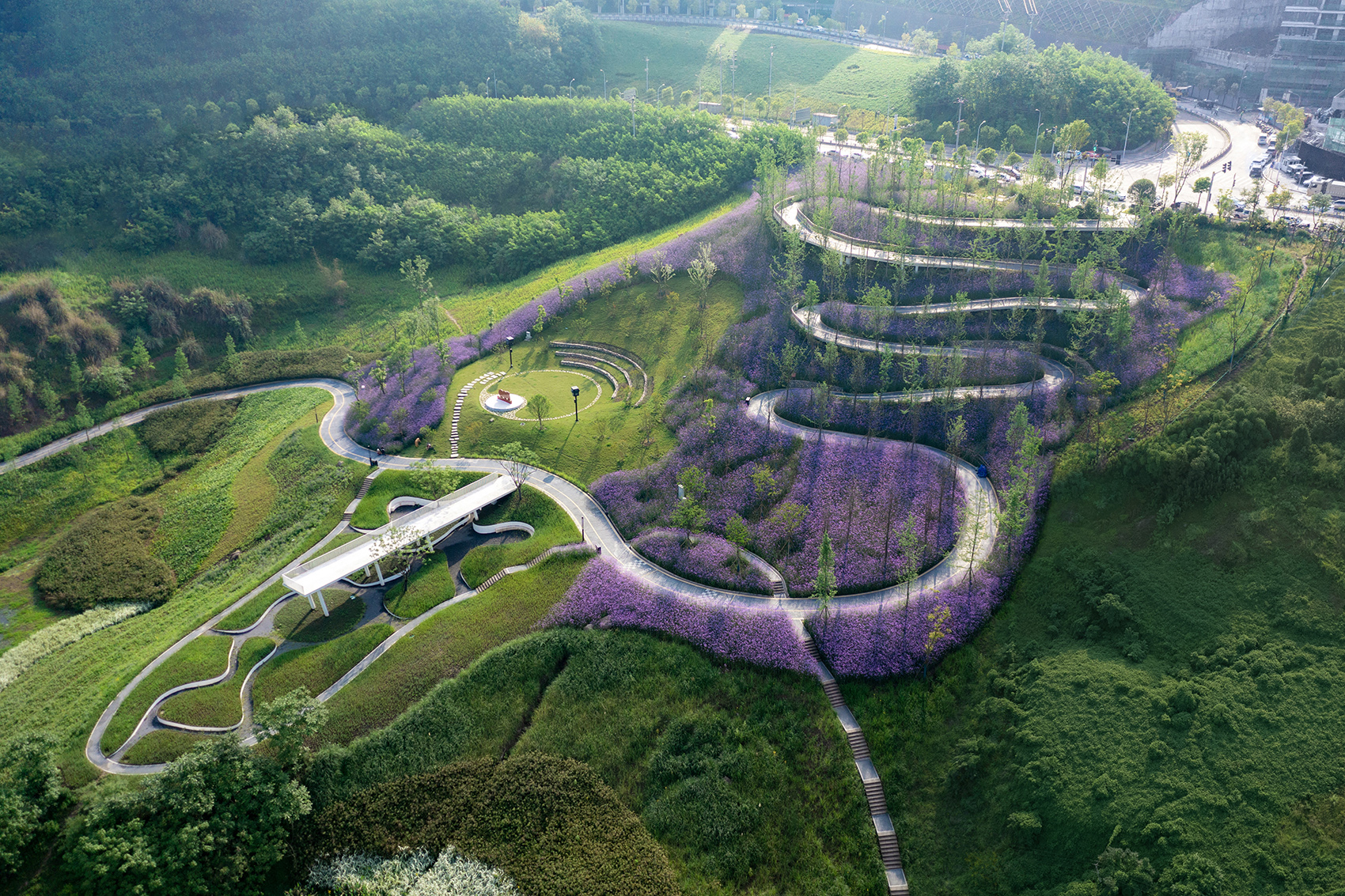
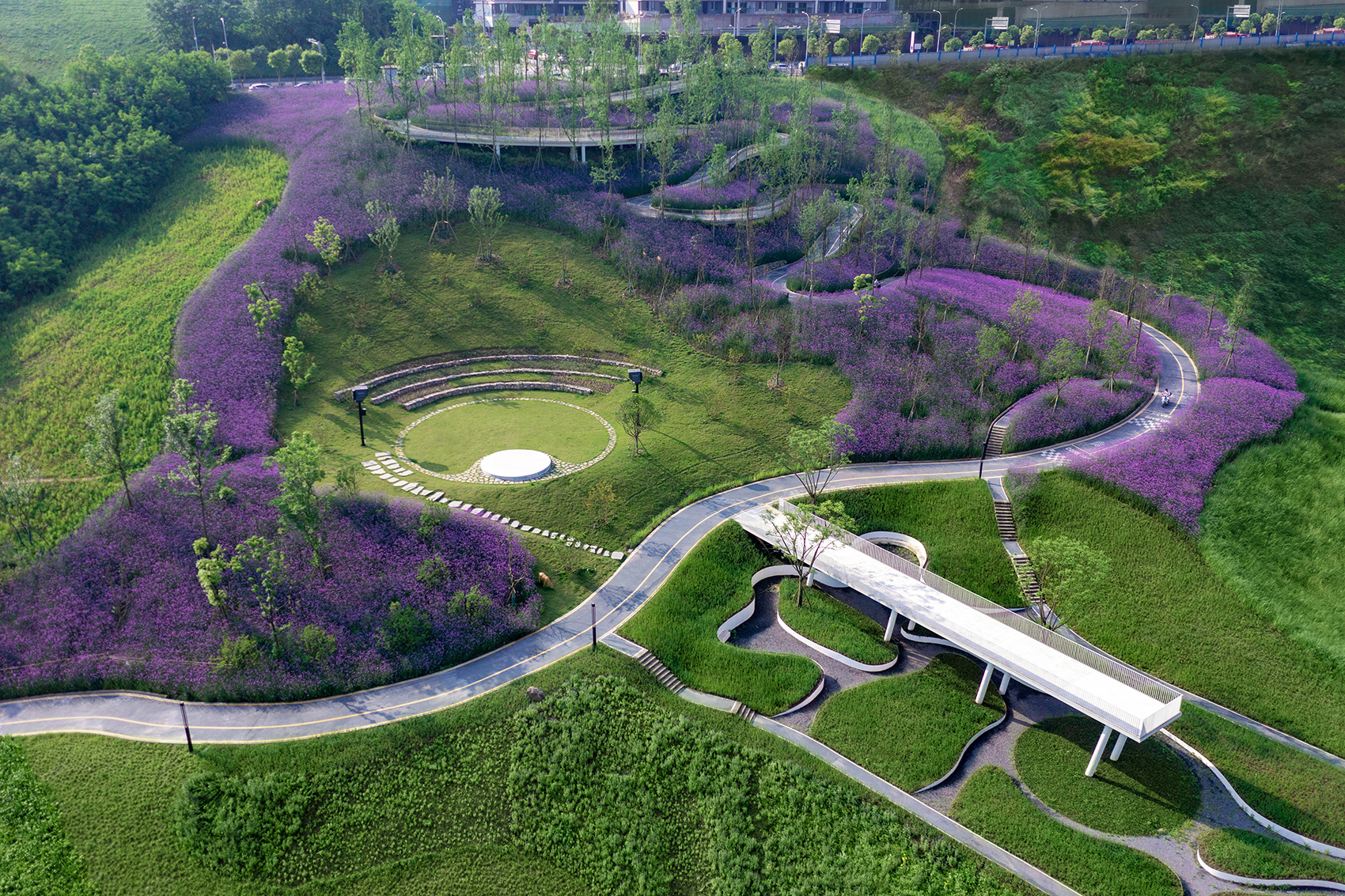
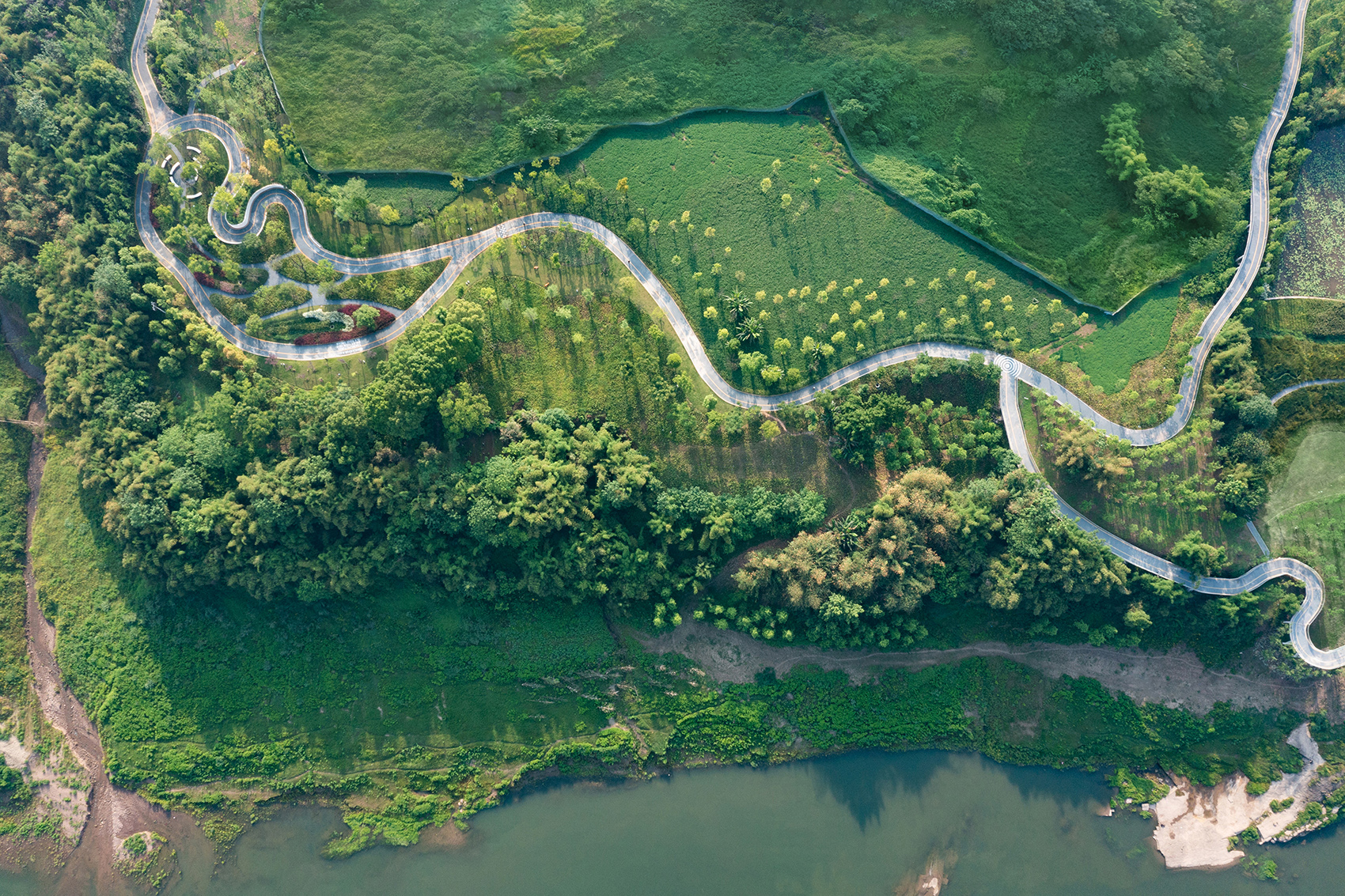
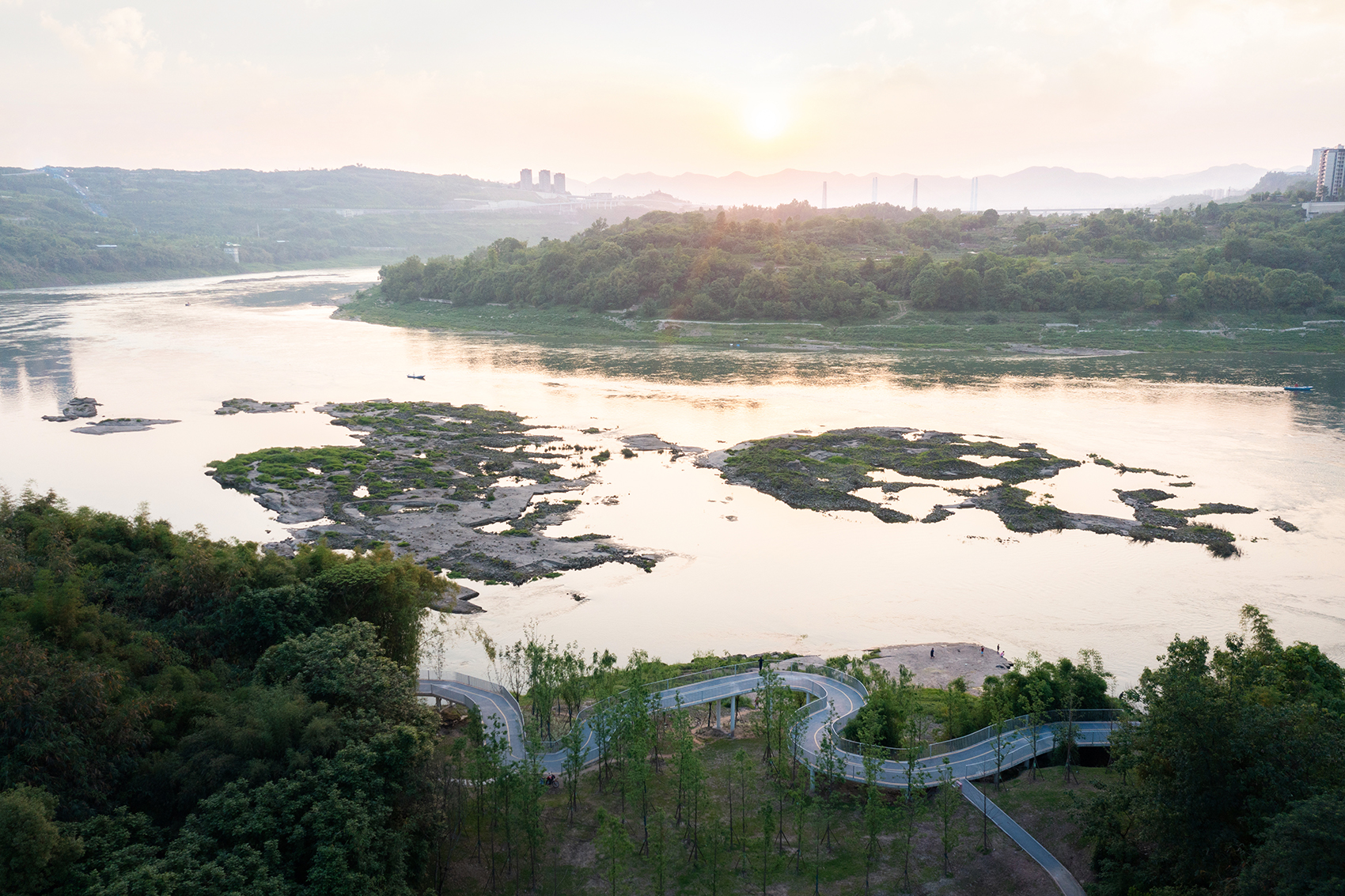
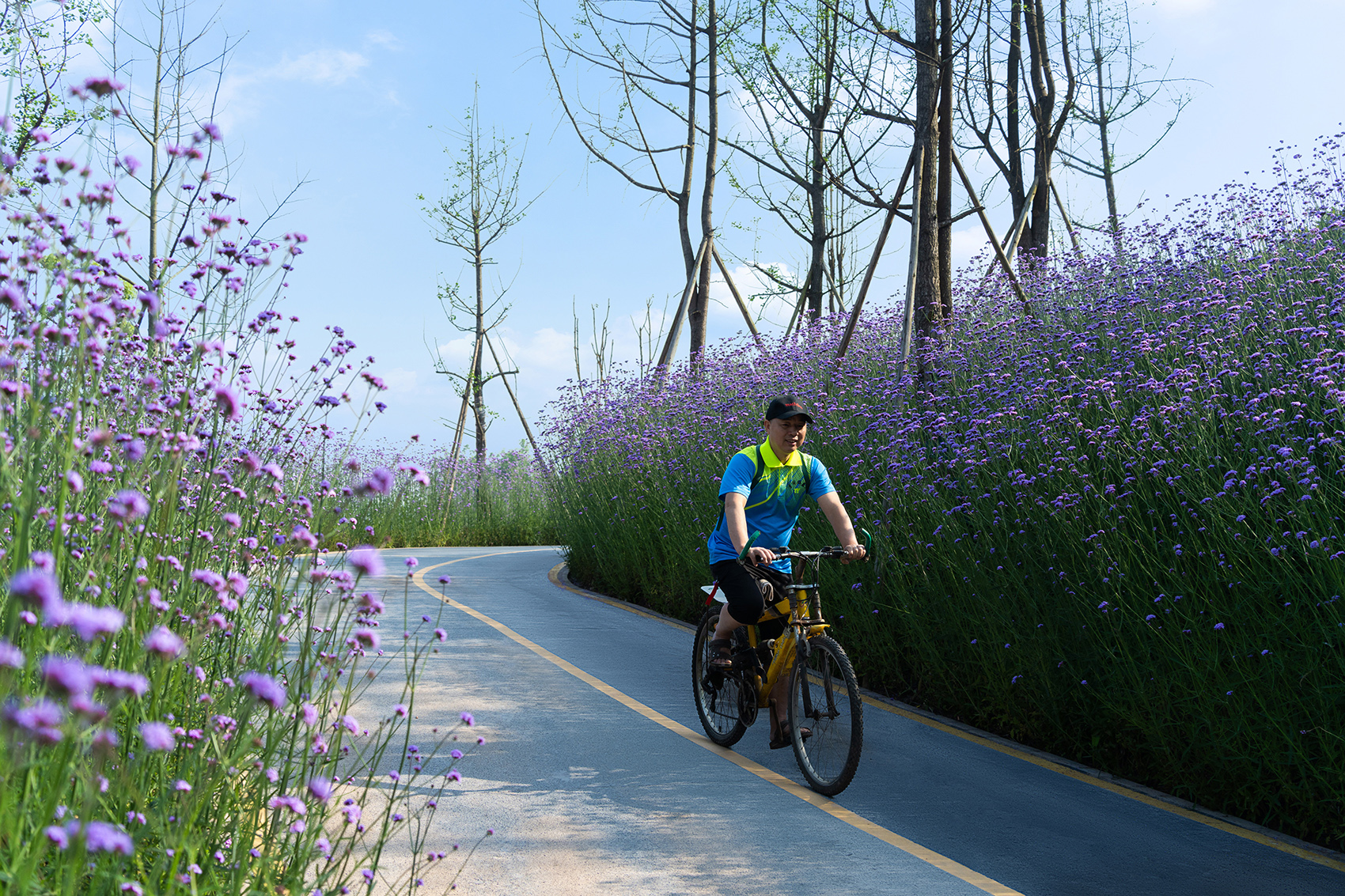
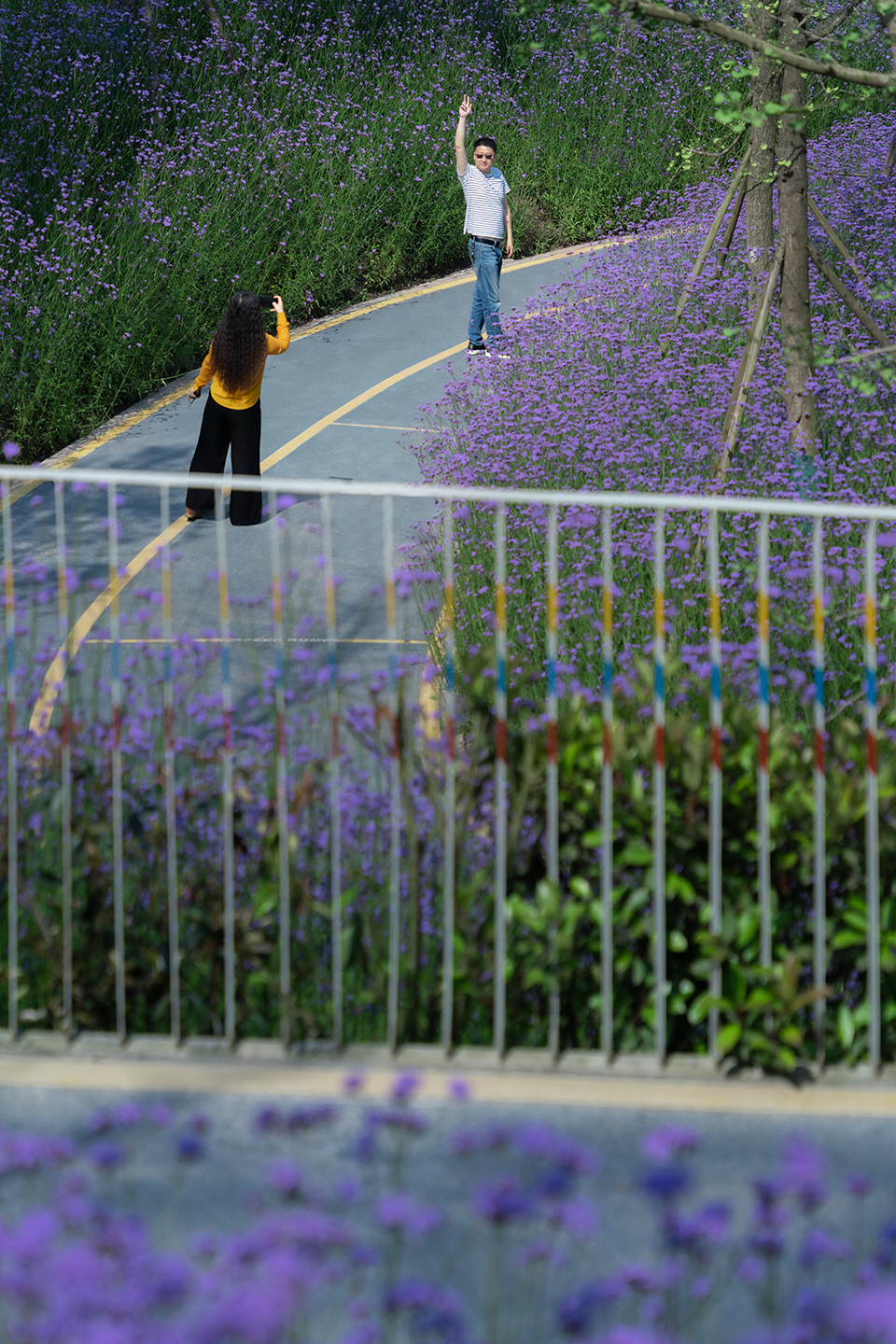
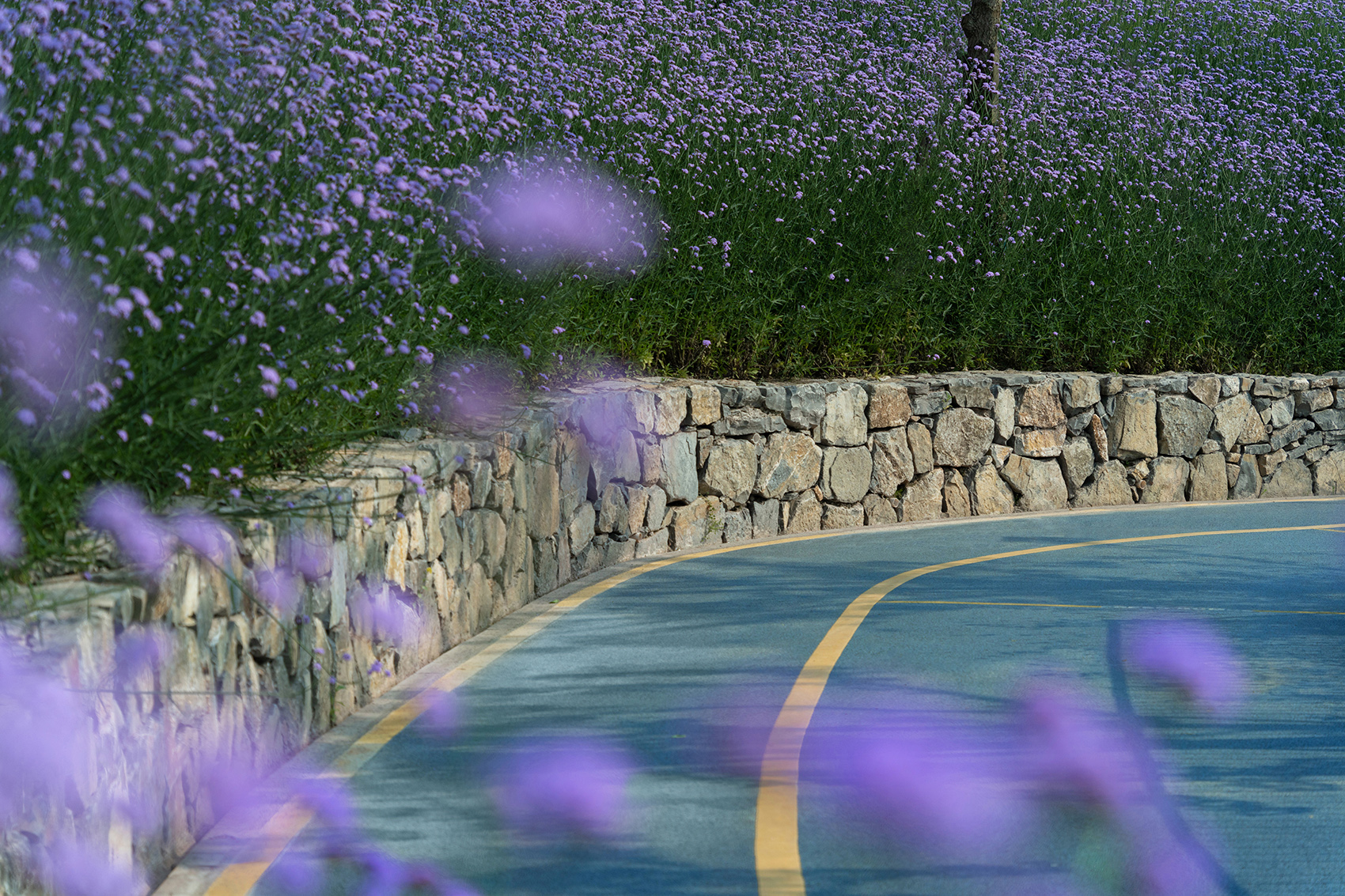
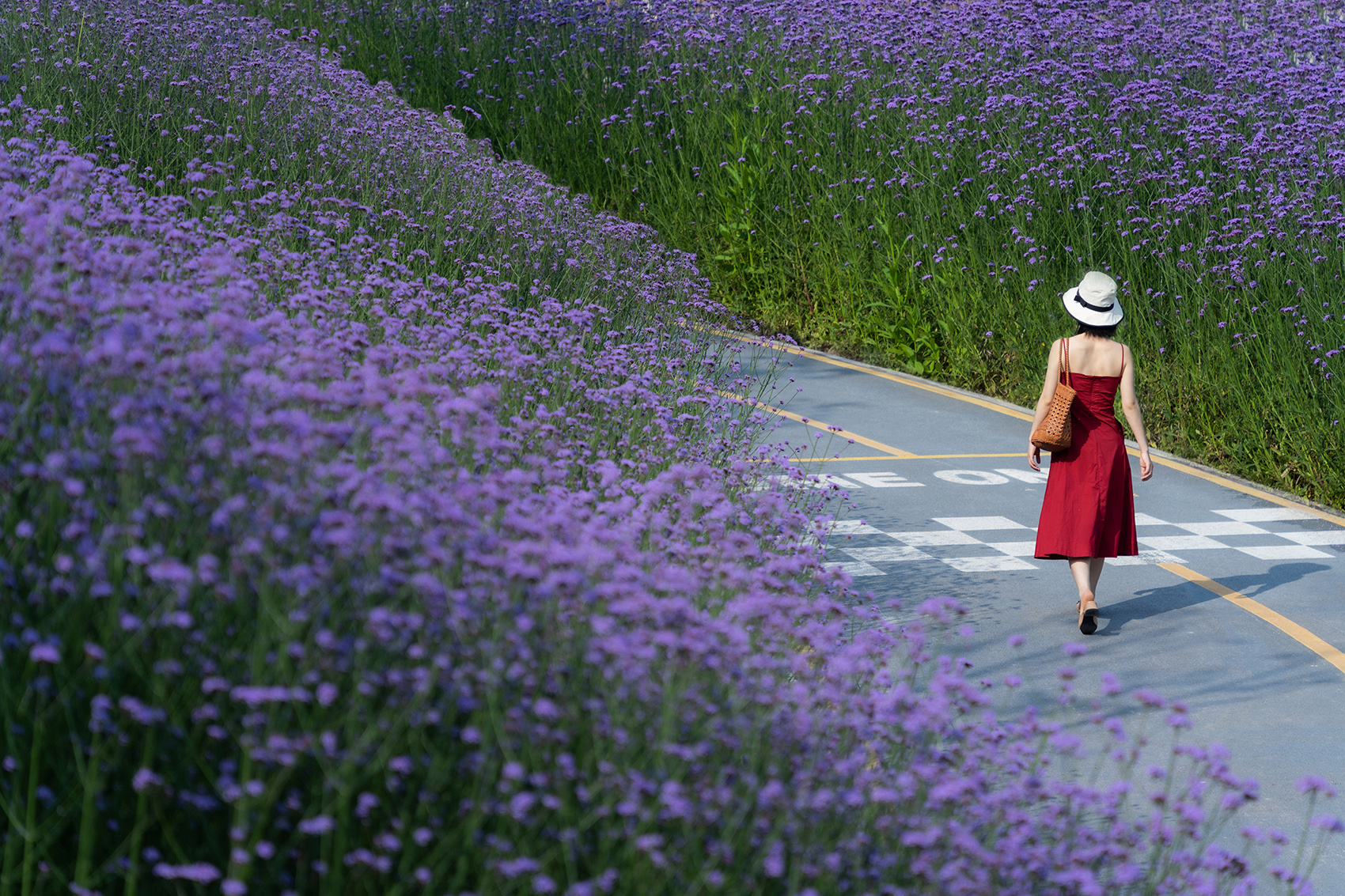
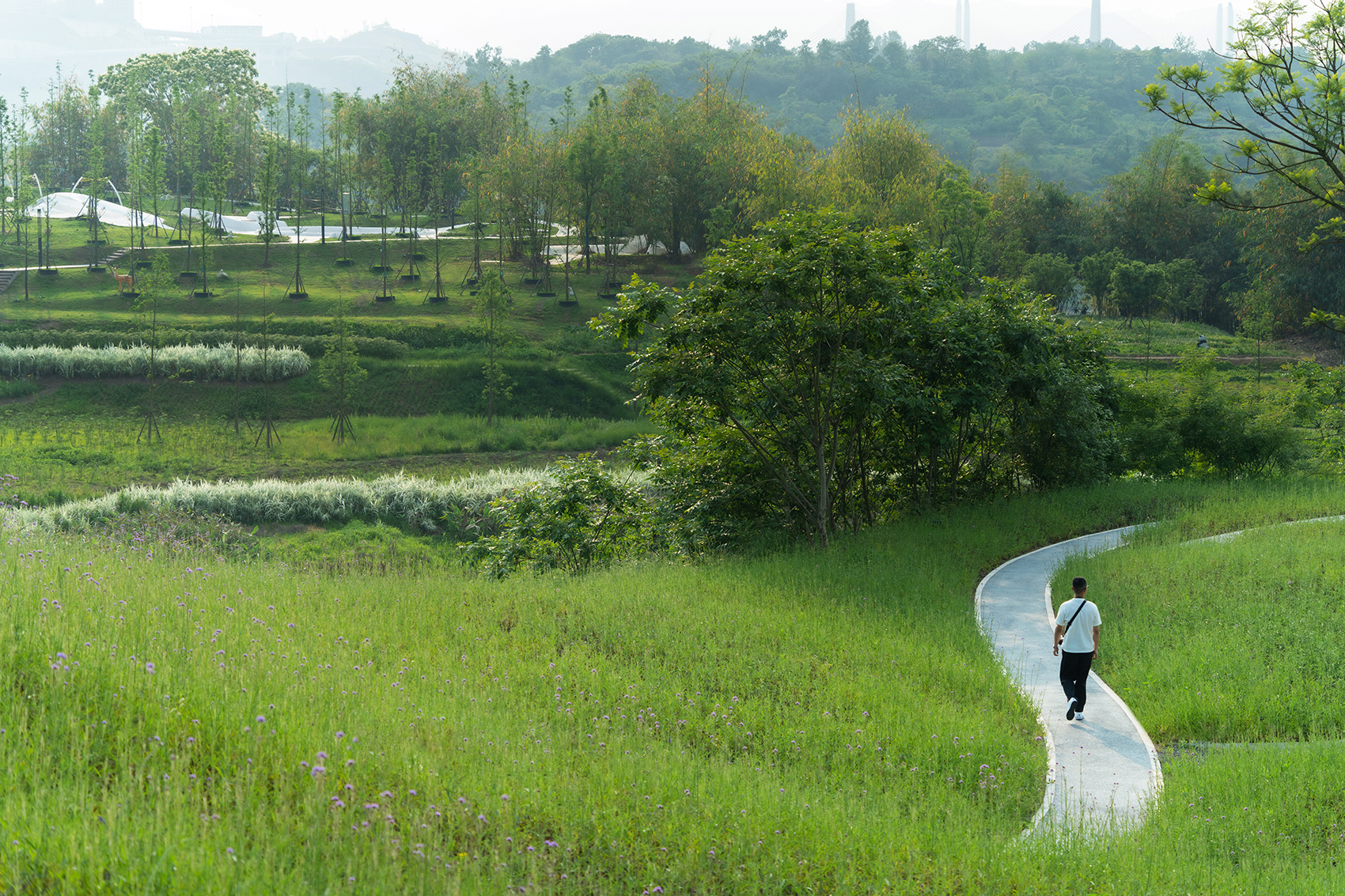
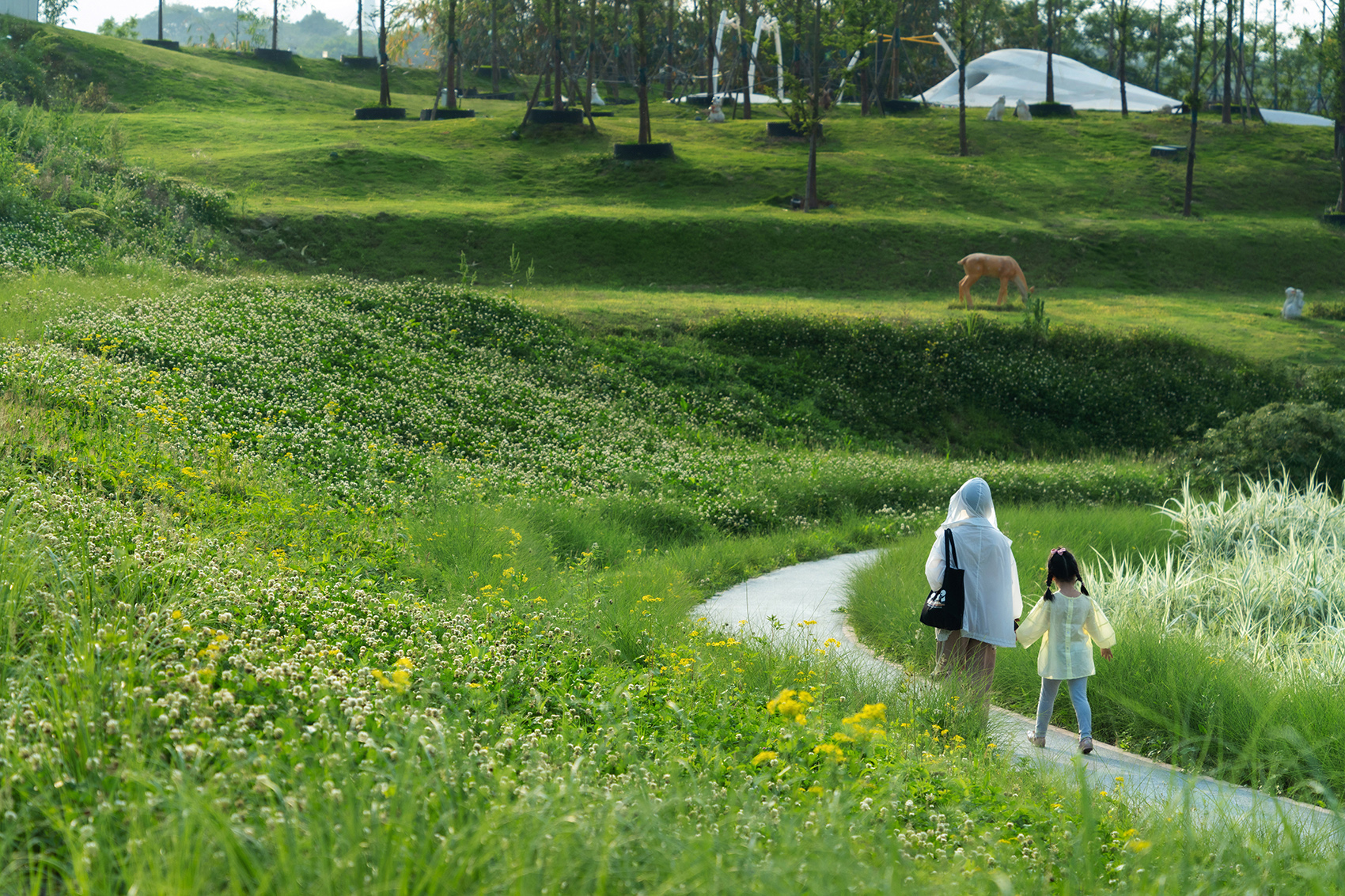
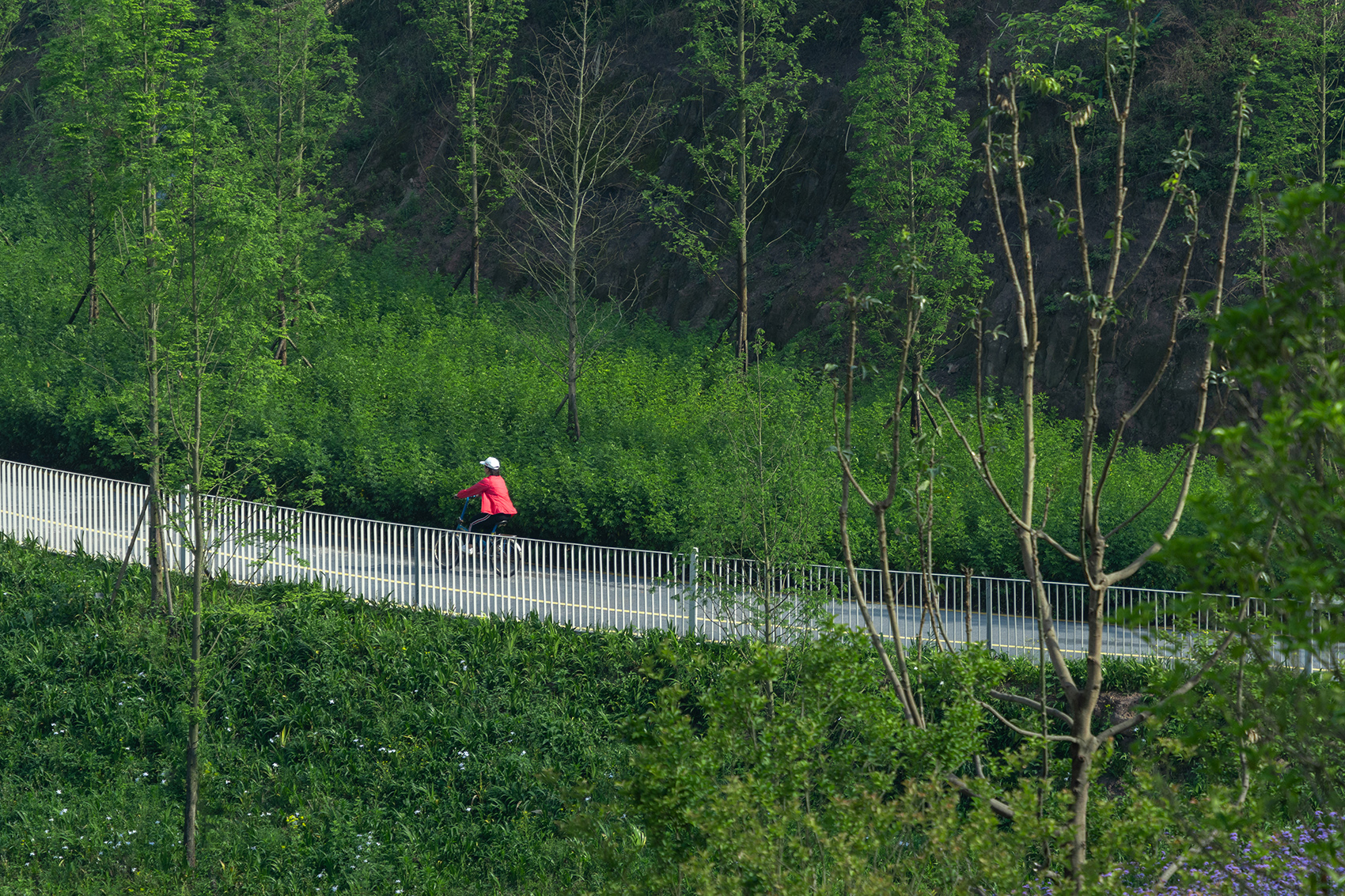
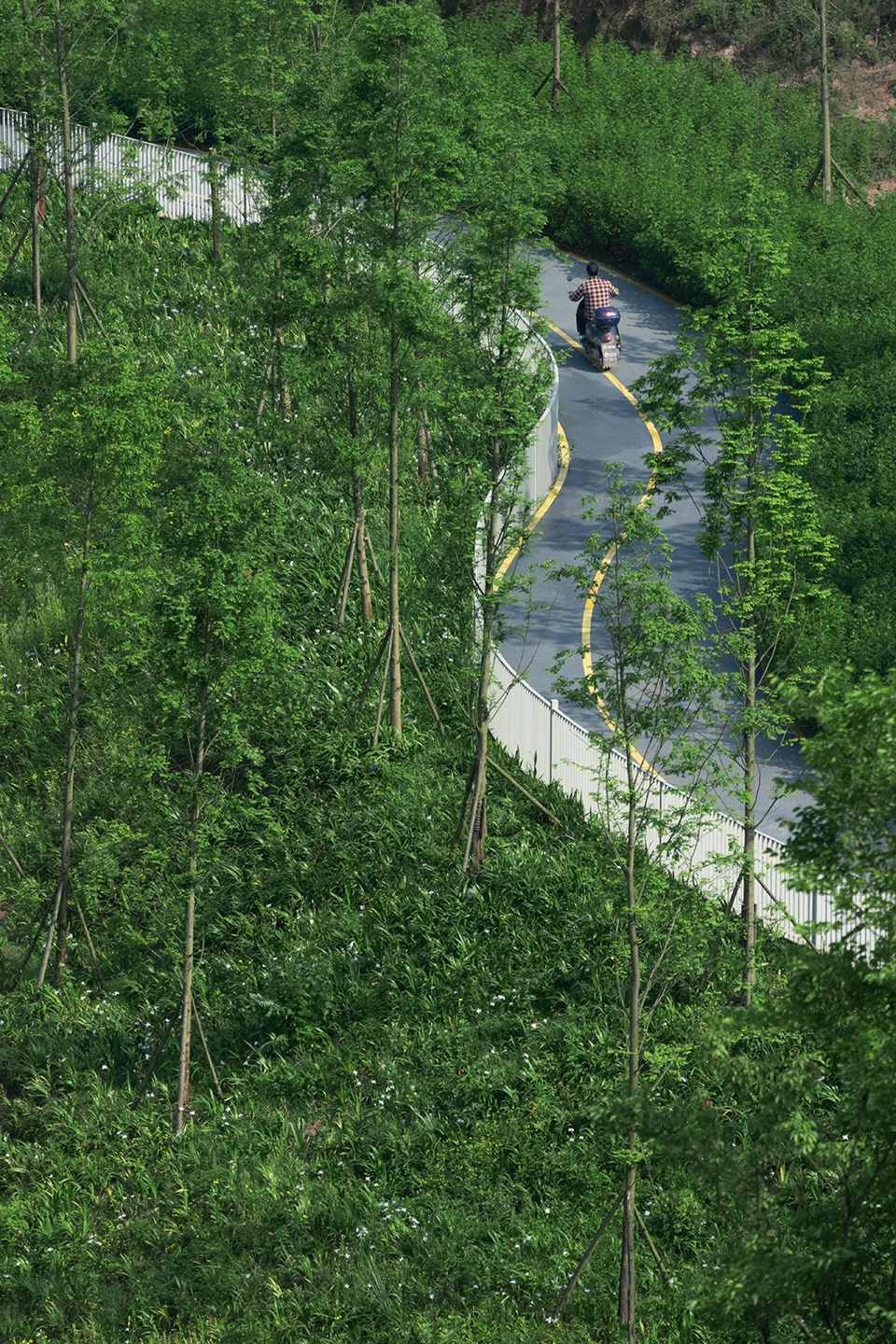
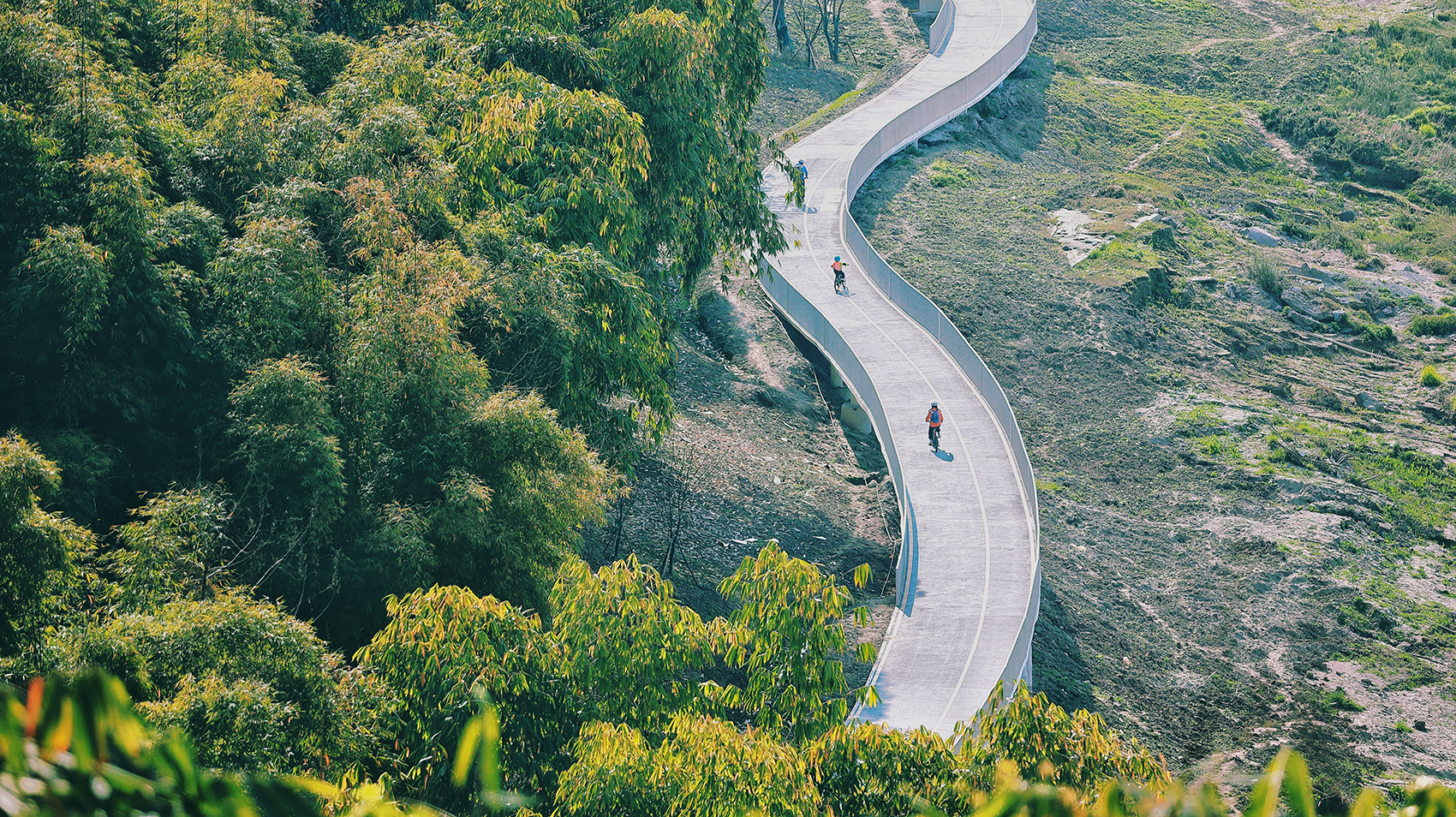
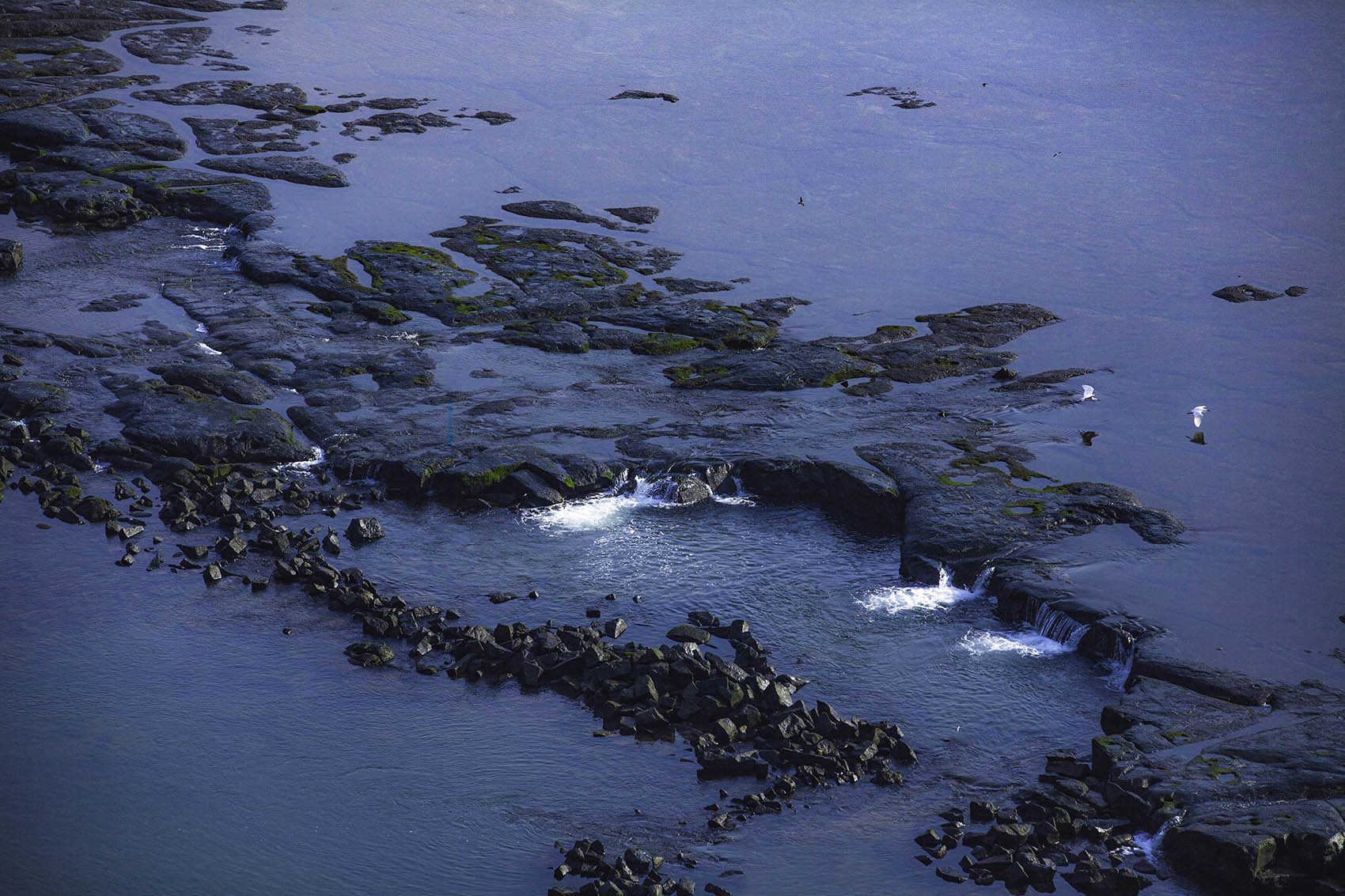
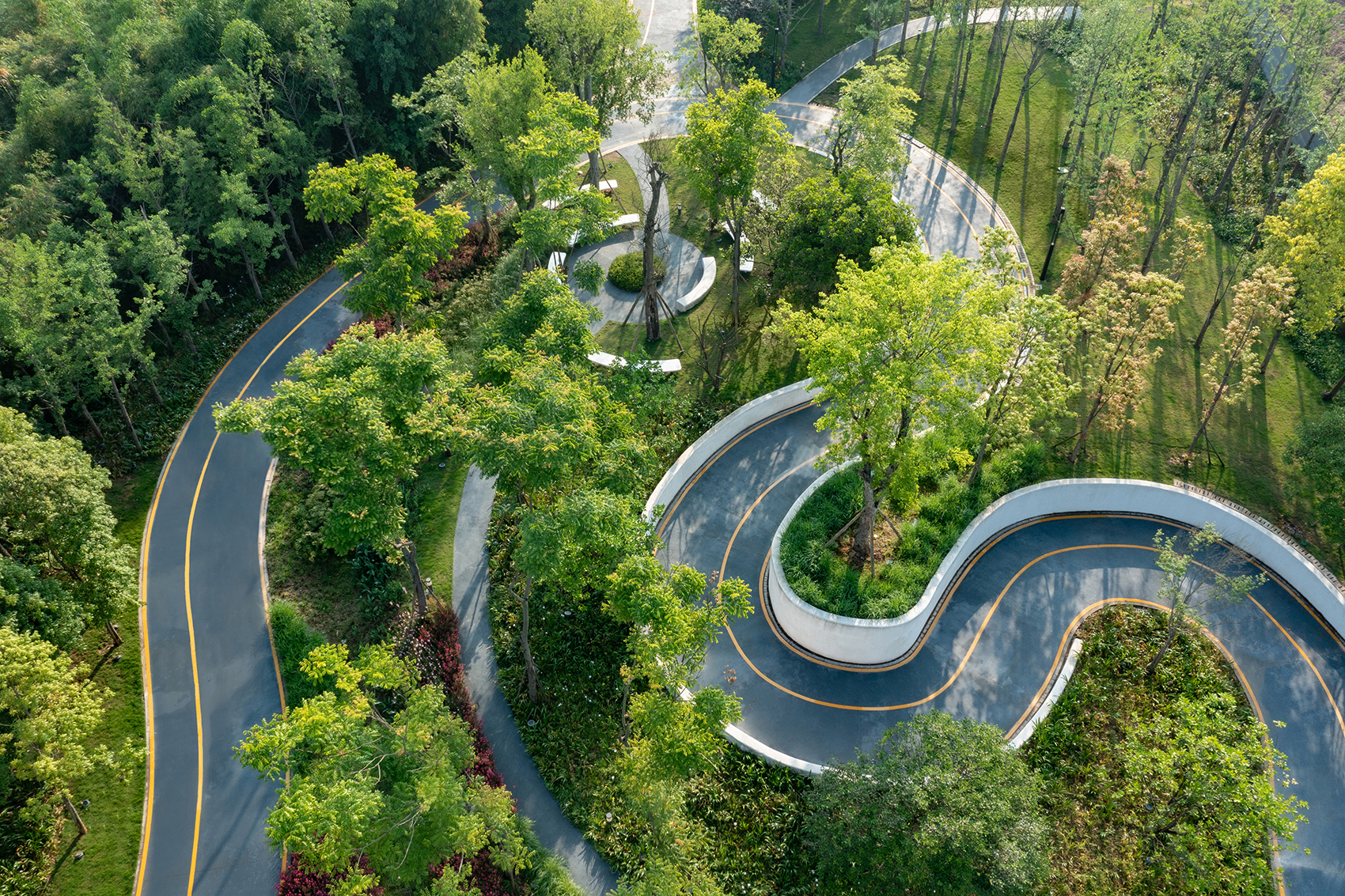
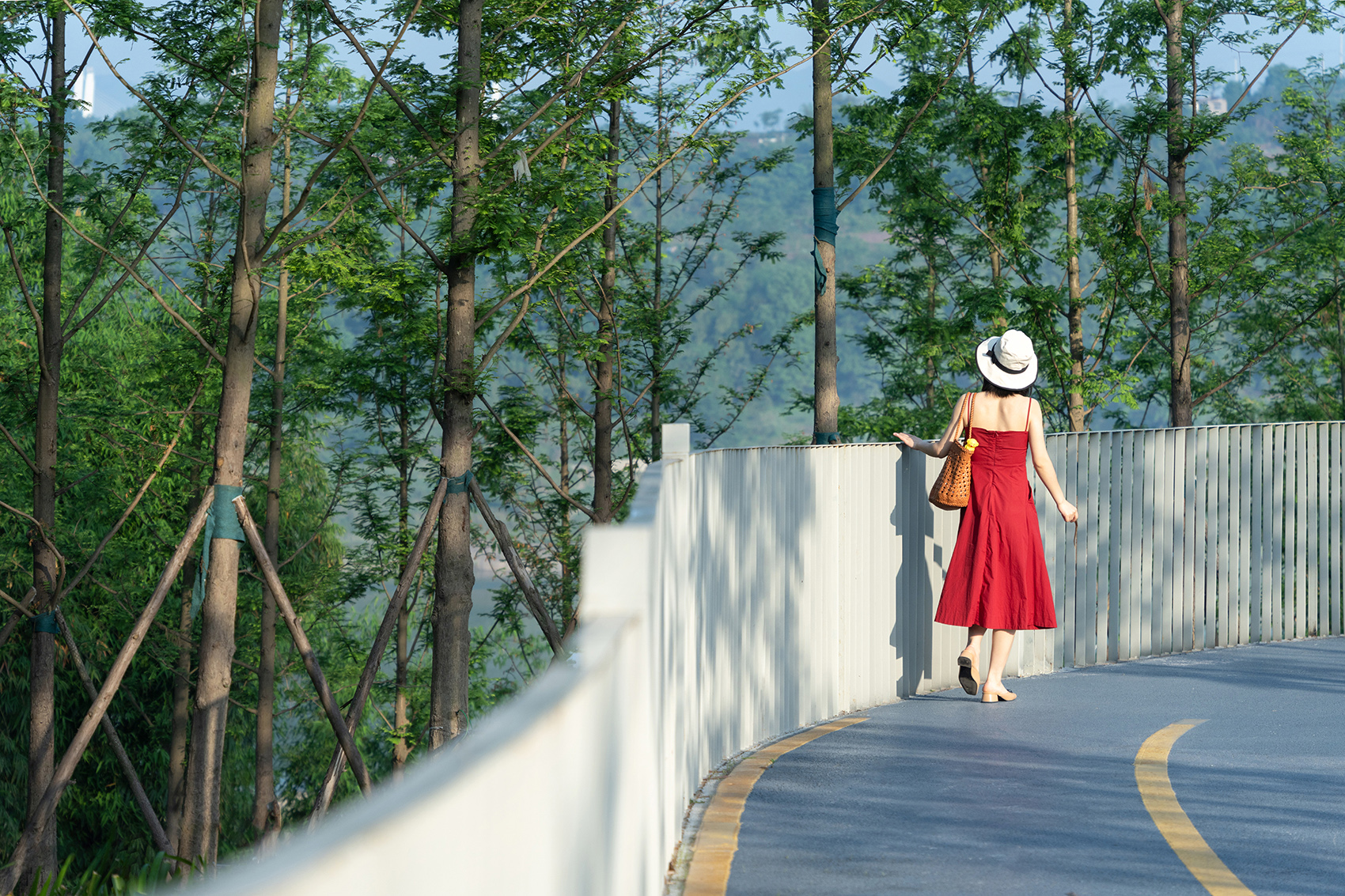
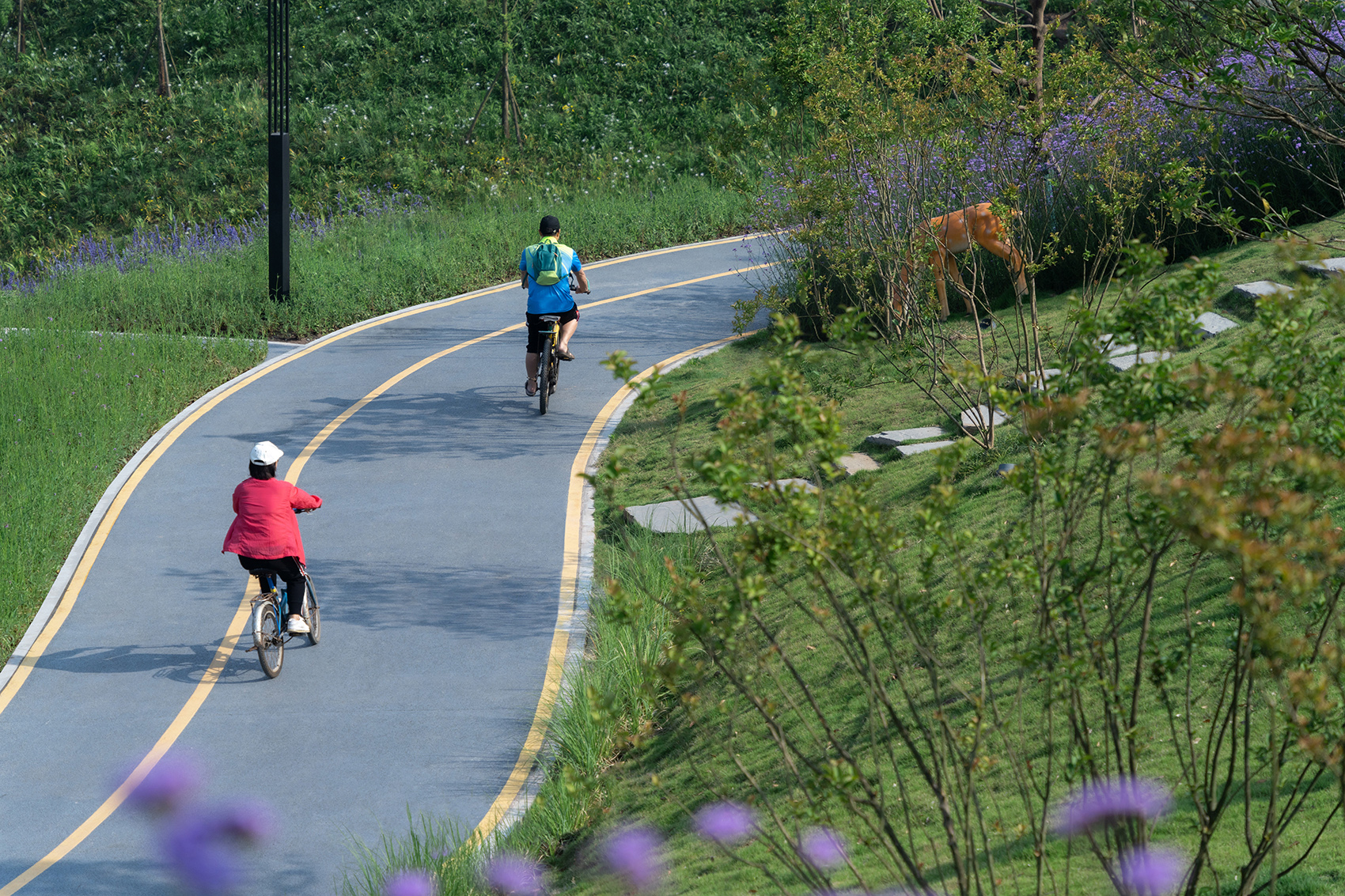
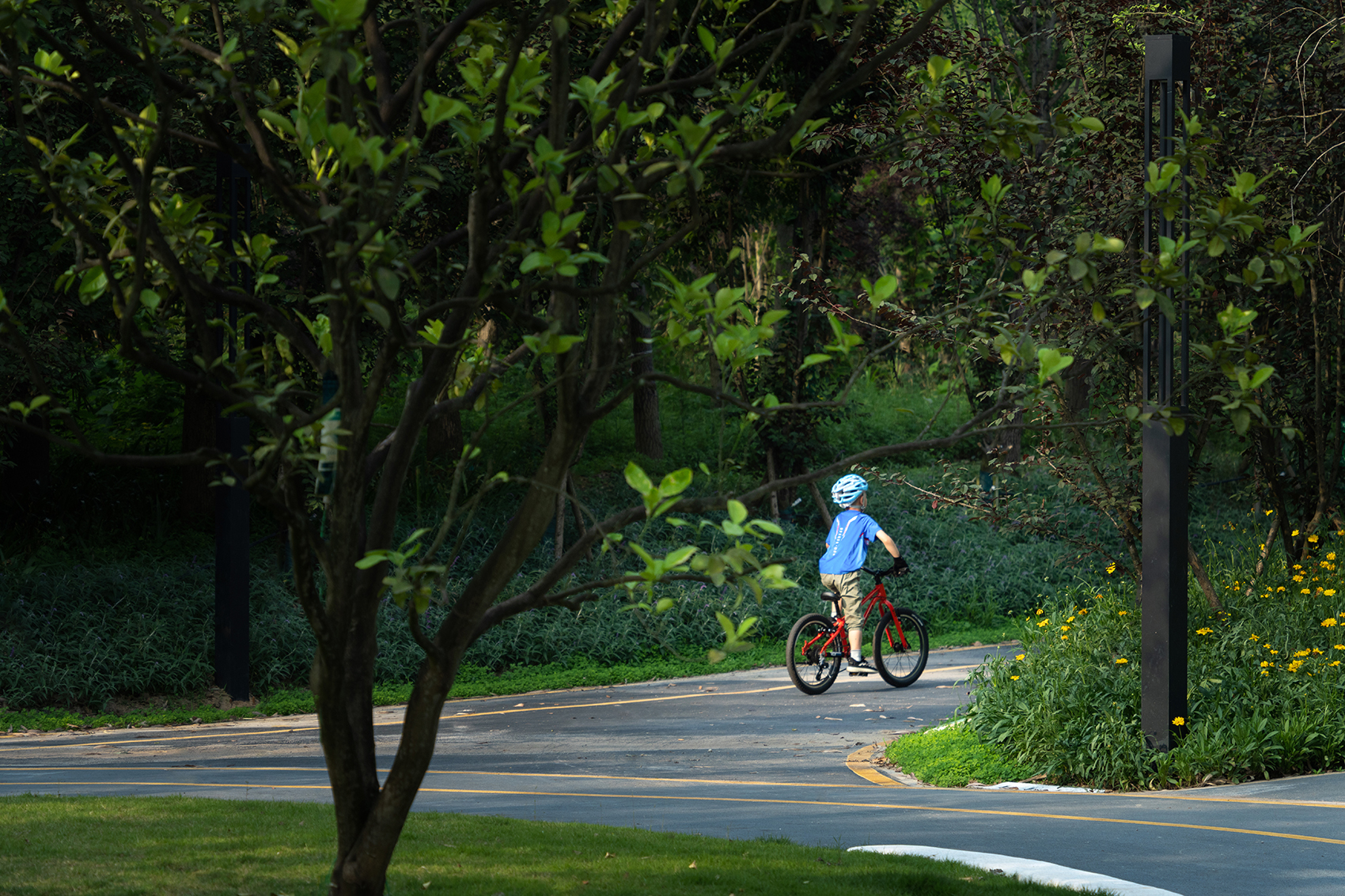
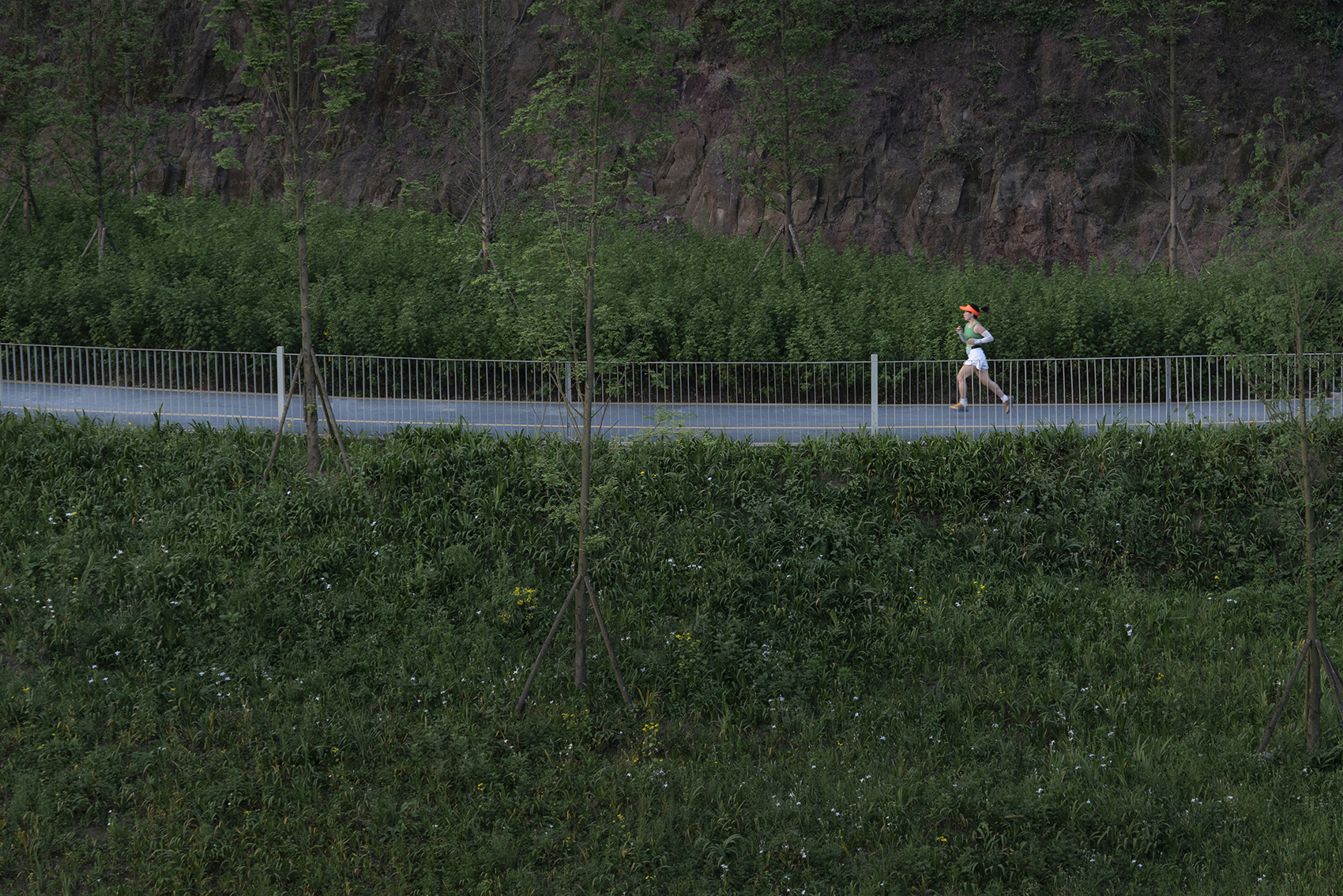
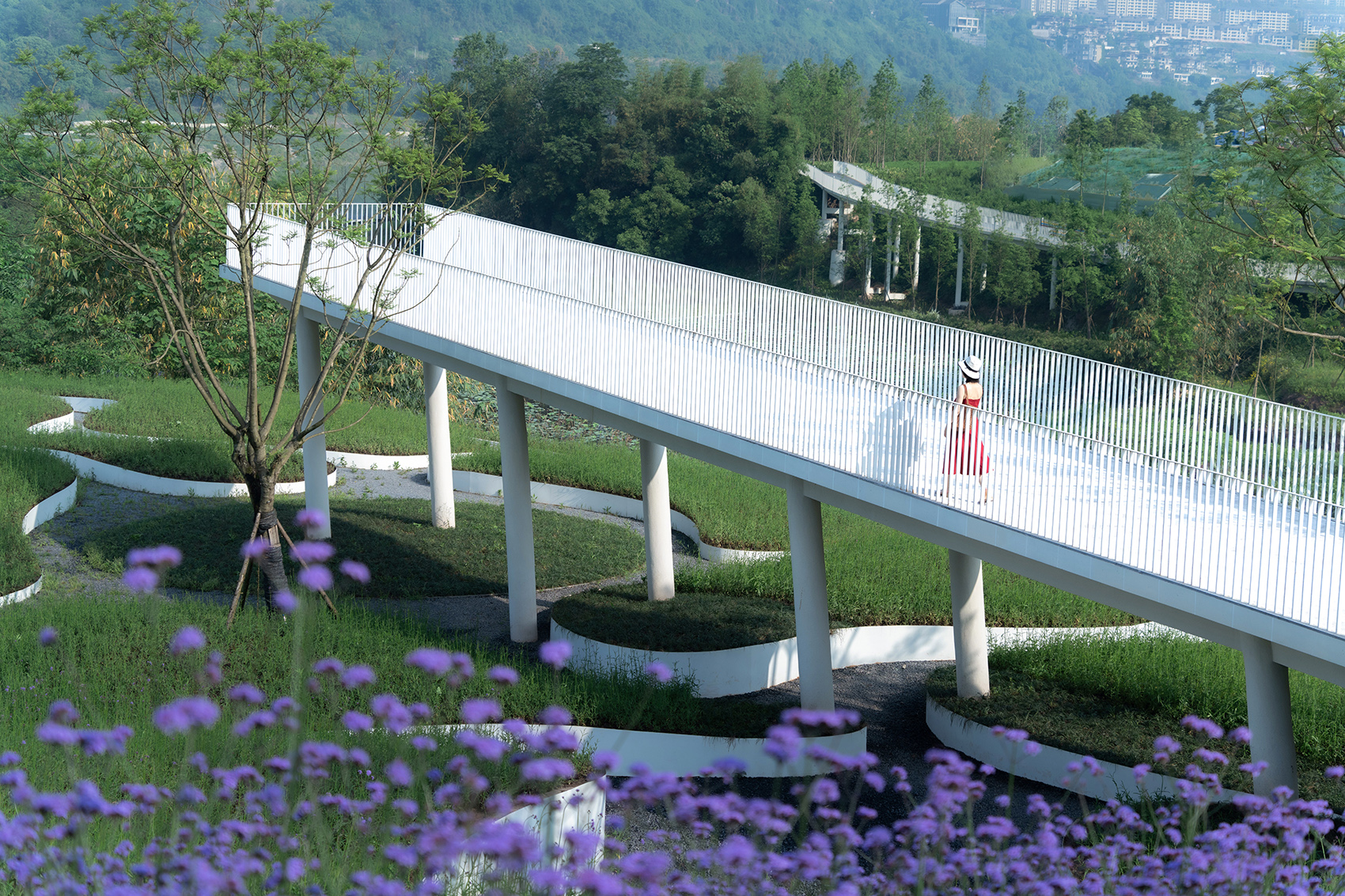
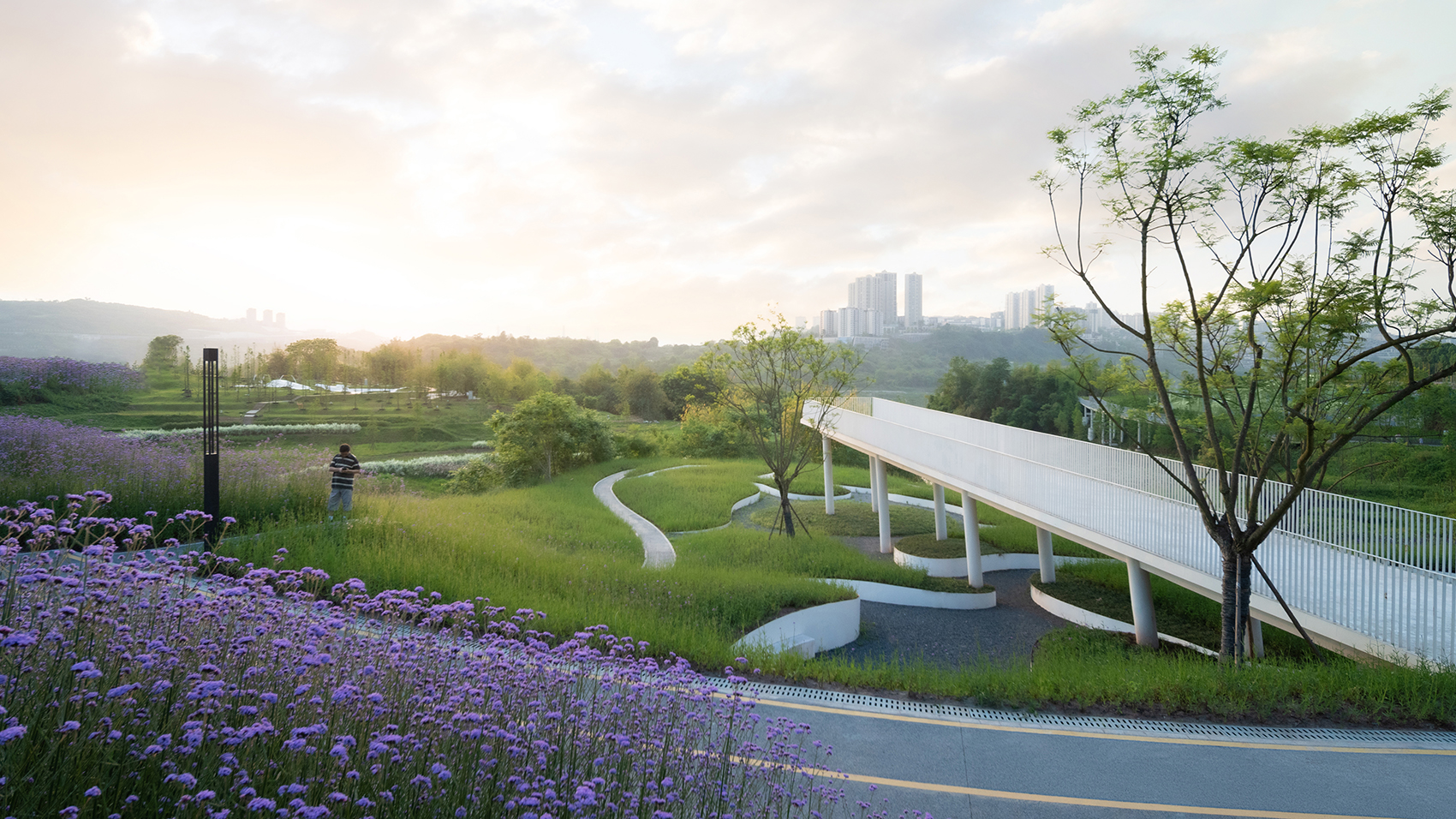
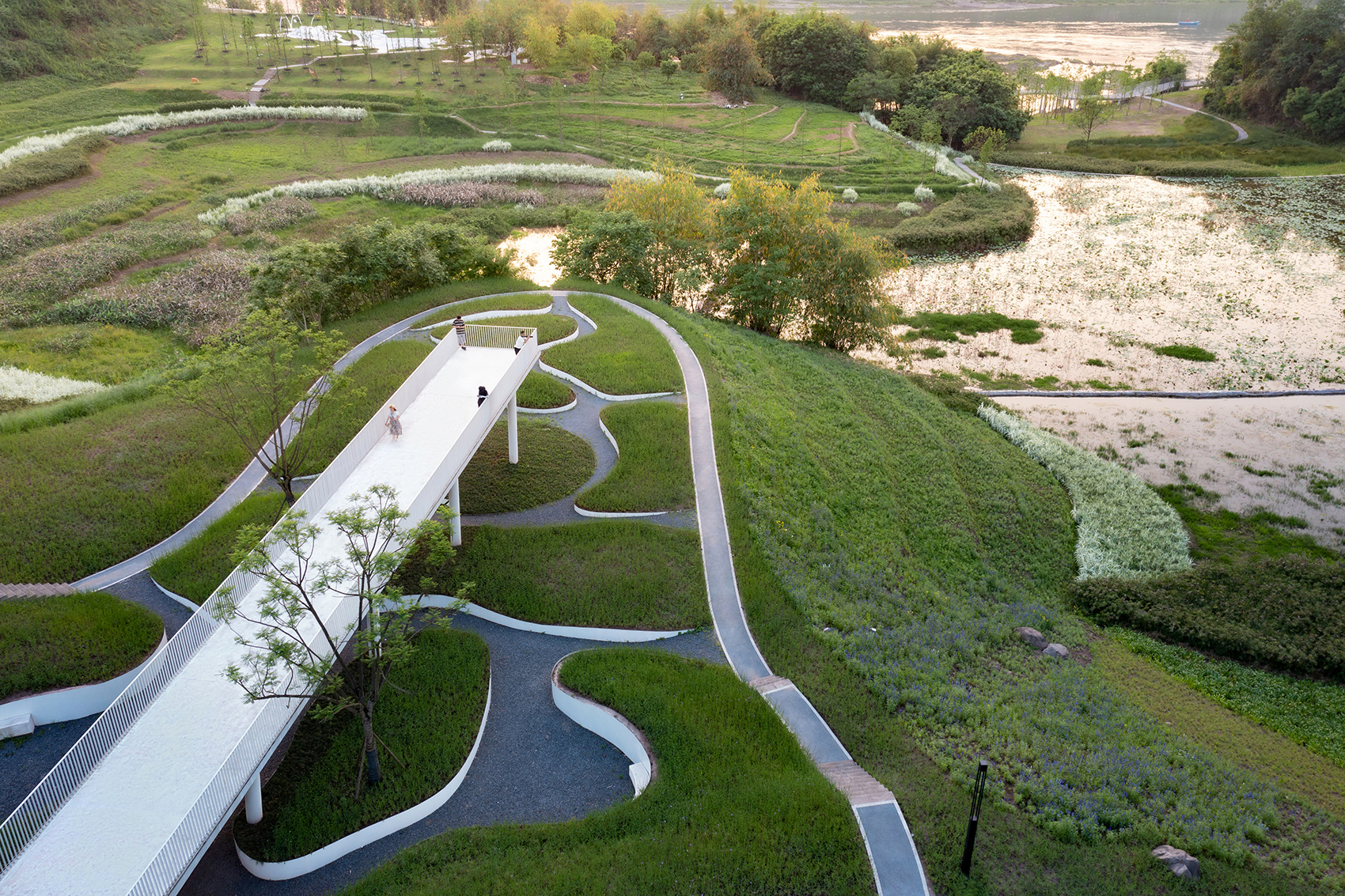
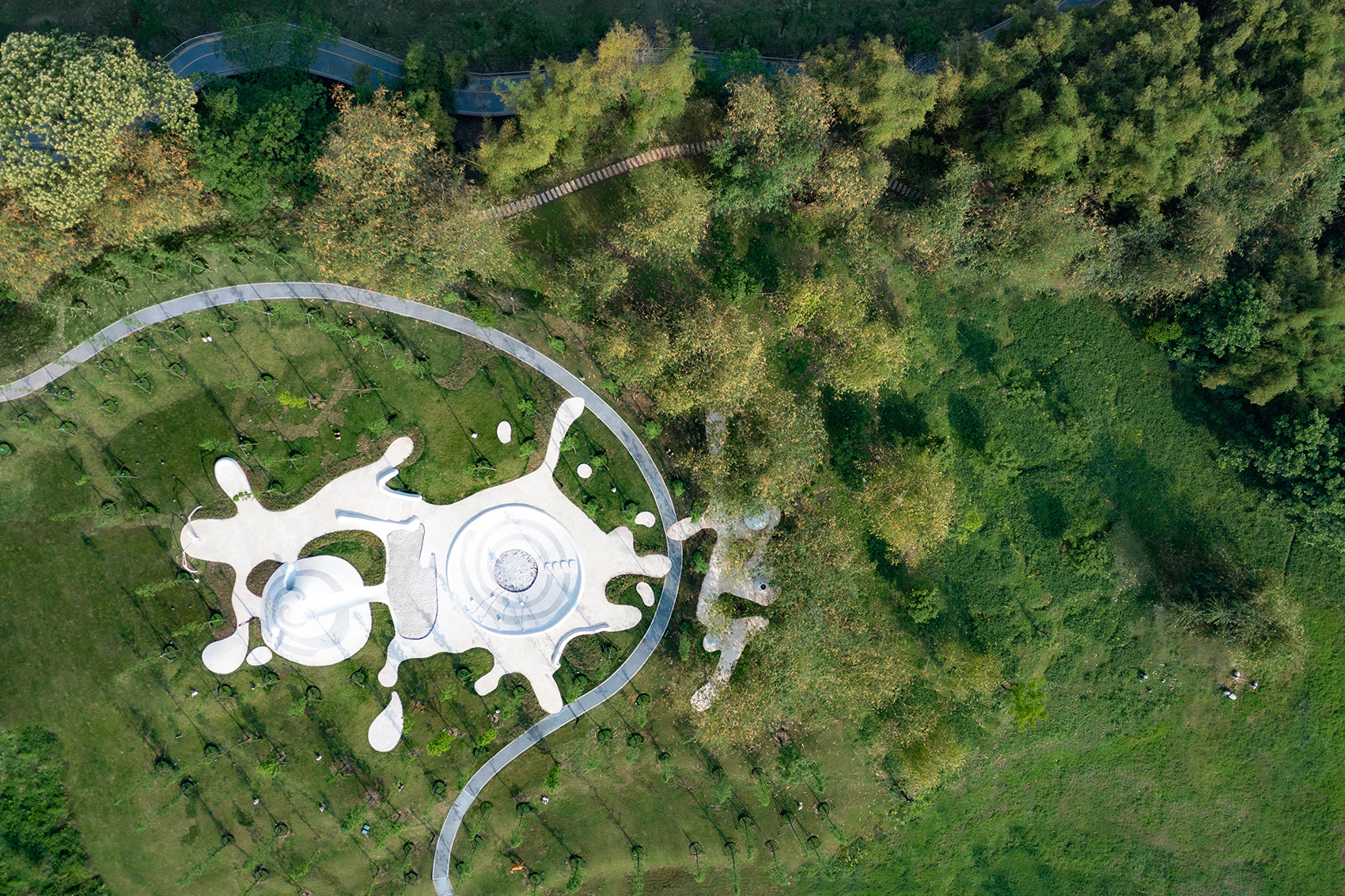
As part of Chongqing OCT’s cultural and touristproject, the OCT Riverside Recreation Zone is anecological park project neighboring the Jialing River and closely connected to surroundingcommunities. With a 1,500 m long riverside interfaceand a 40 m height difference, the Zone has adistinctive feature of terraced fields, which istypical of Chongqing. The site belongs to the scope of the Jialing River Ecological Corridor. Before renewal, the sidewalkson the site were narrow, and the viewing platformand steps had been eroded by regular water levelfluctuations. Piling sediments and rampant weedsbecome barriers on the roads and undermine thevisitors’ experience. It fails to function as anurban recreation zone by the river. After renewal, the Zone not only services thecommunities nearby, but functions as an urbanrecreation zone by the river. At the same time, itconnects the Lijia and Yuelai riverside zonestogether, and improves the recreation zones alongthe Jialing River. The site enjoys excellentecological base, with the native plants being wellpreserved. The terraced fields form naturallandscapes. The riverside wetlands ensure the watereco-recycling of nearby areas. All these elementsprovide favorable conditions for landscape design. For a public space with extensive natural elements, the most important task is to minimize intervention. Rich natural landscapes should be presented on thebasis of ecological protection. The first step is topreserve the original landform of the site, including the terraced fields and bamboo forests. Not much adjustment is made to the elevation. Thedesigners wish to preserve the original site ascomplete as possible. As the site is located in the water-level-fluctuationzone, the designers need to pay special attention tothe durability of materials used and the plant type. Natural materials that require small maintenancecosts and are erosion-flood resistant are used tobuild recreation sidewalks, roads among terracedfields and riverside runways. Plants in the water-level-fluctuation zone play anessential role to connect the water-land environmentand to sustain the ecological balance. Plants thatgrow both on land and in water are grown among theterraced fields, with the raised path among fieldsfunctioning as the natural sidewalks. Flowers thatgrow both on land and in water have ornamentalvalues on one hand, and can recover from floodseasily on the other. ▼ The designers review the original bamboo forests andintroduce aquatic plants to the wetlands, therebyprotecting the habitats of wild species. Trees likemetasequoia and ginkgo are planted in the open andelevated areas. Apart from protection and restoration, the designersneed to turn the site into a public recreationalspace by introducing recreational functions andimproving site accessibility and comfort. The entrance of the site is situated along theriverside avenue and the highest position. Based onthe terrain and the plant structure, the Z-shapedbridle path that reaches the river is designed. Itstretches to the Lijia and Yuelai riversiderecreation zones, and becomes part of the Jialing River Ecological Corridor.



 Editor's Pick
 Latest Design
 Best Idea