Text description provided by the architects
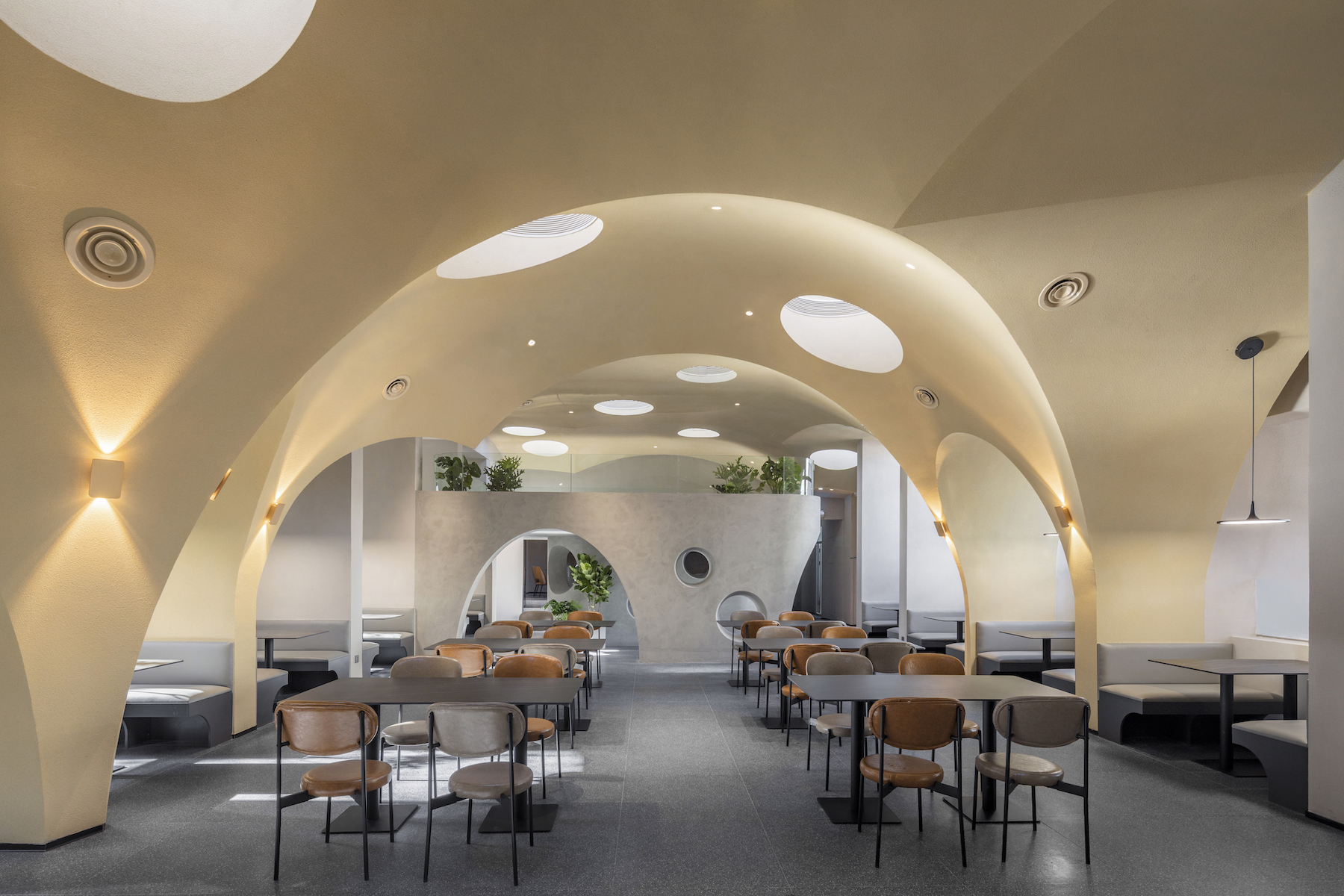
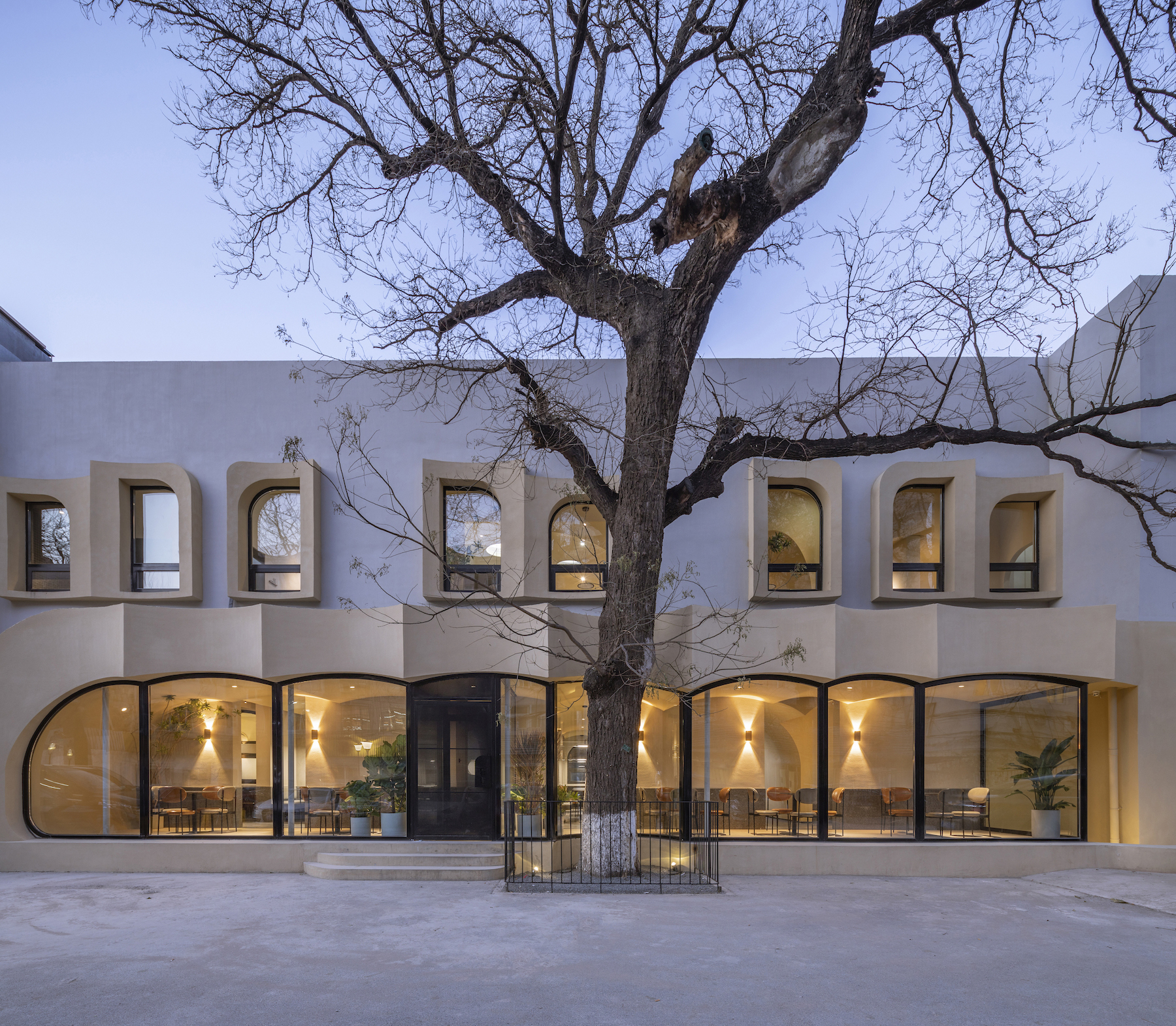
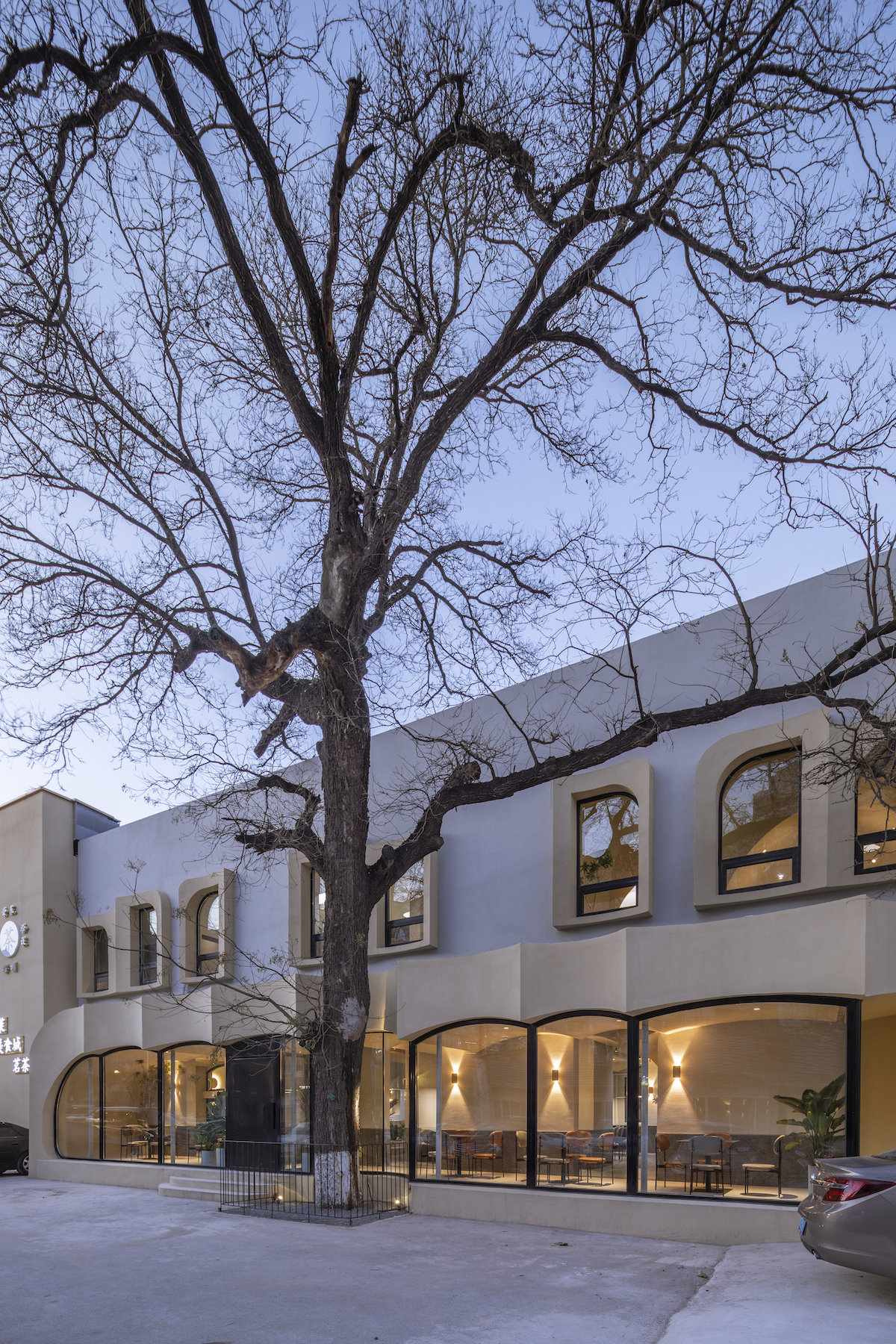
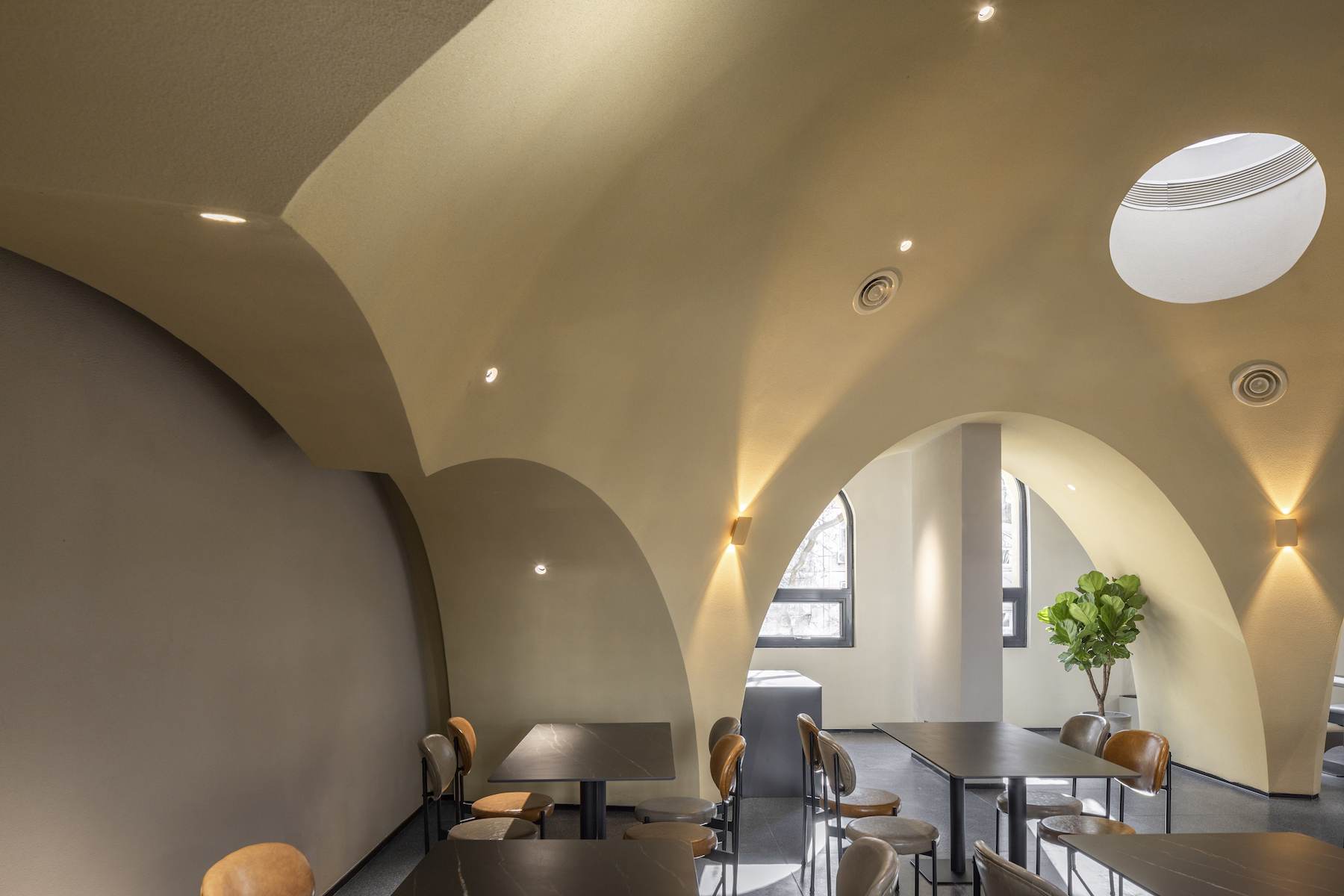
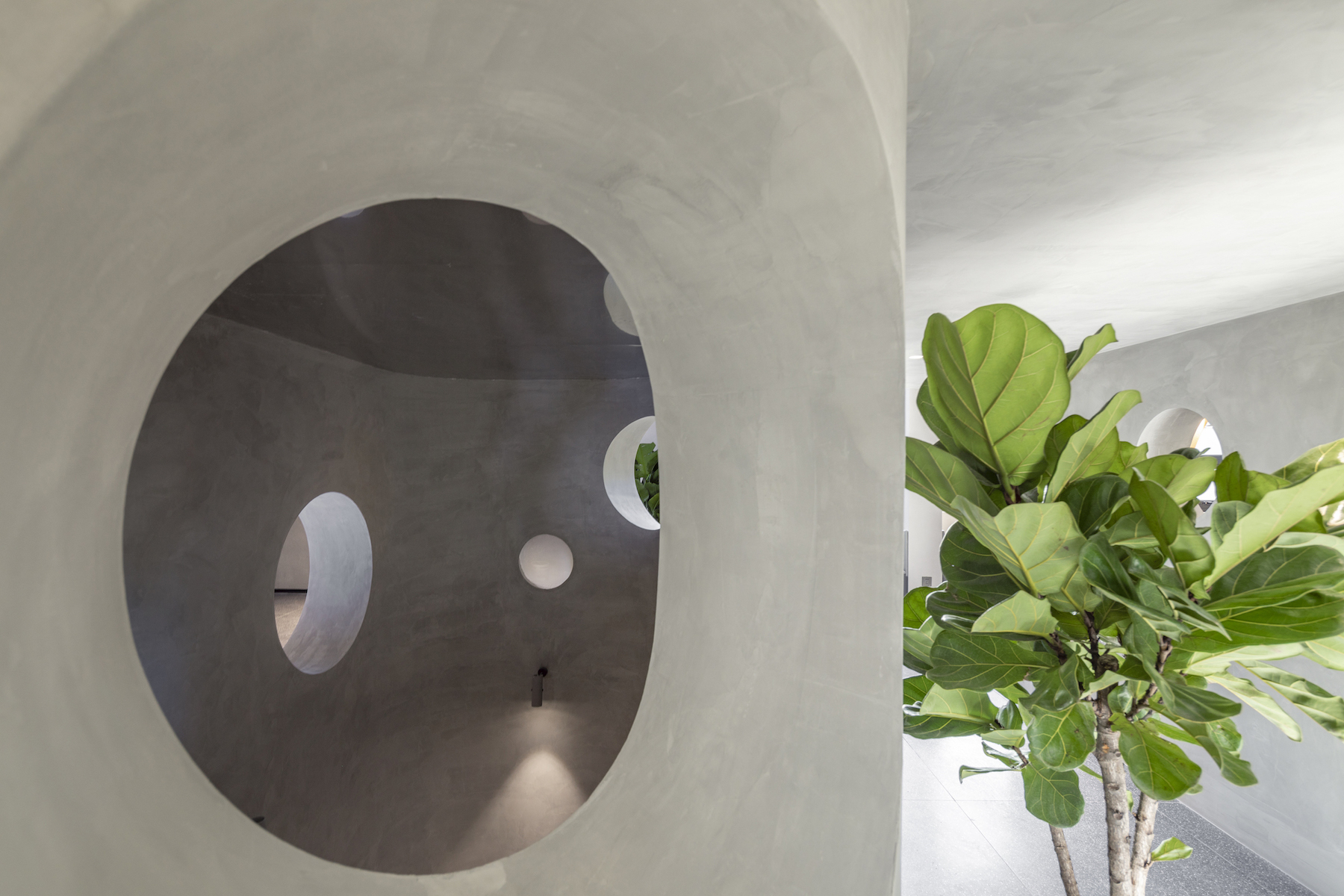
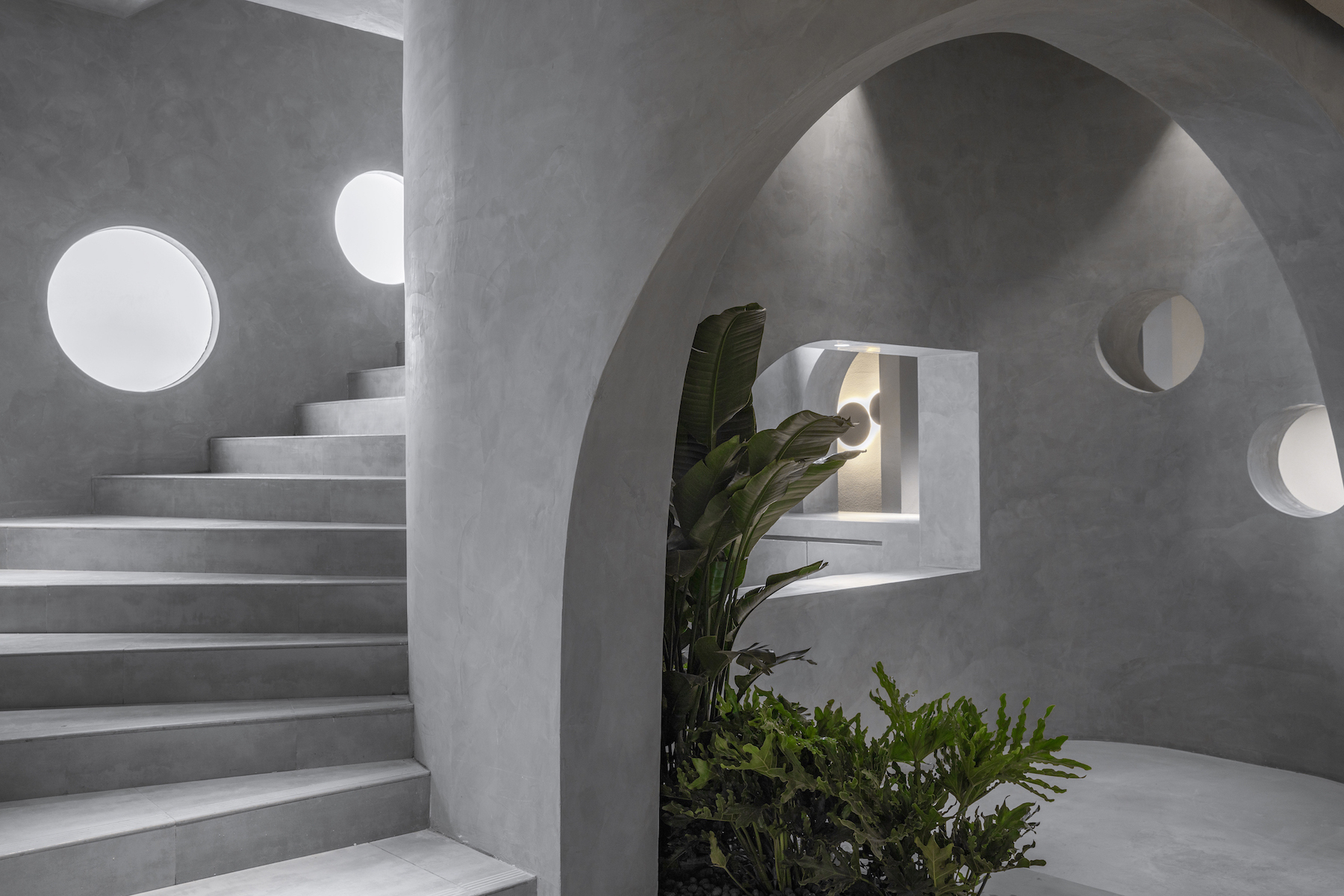
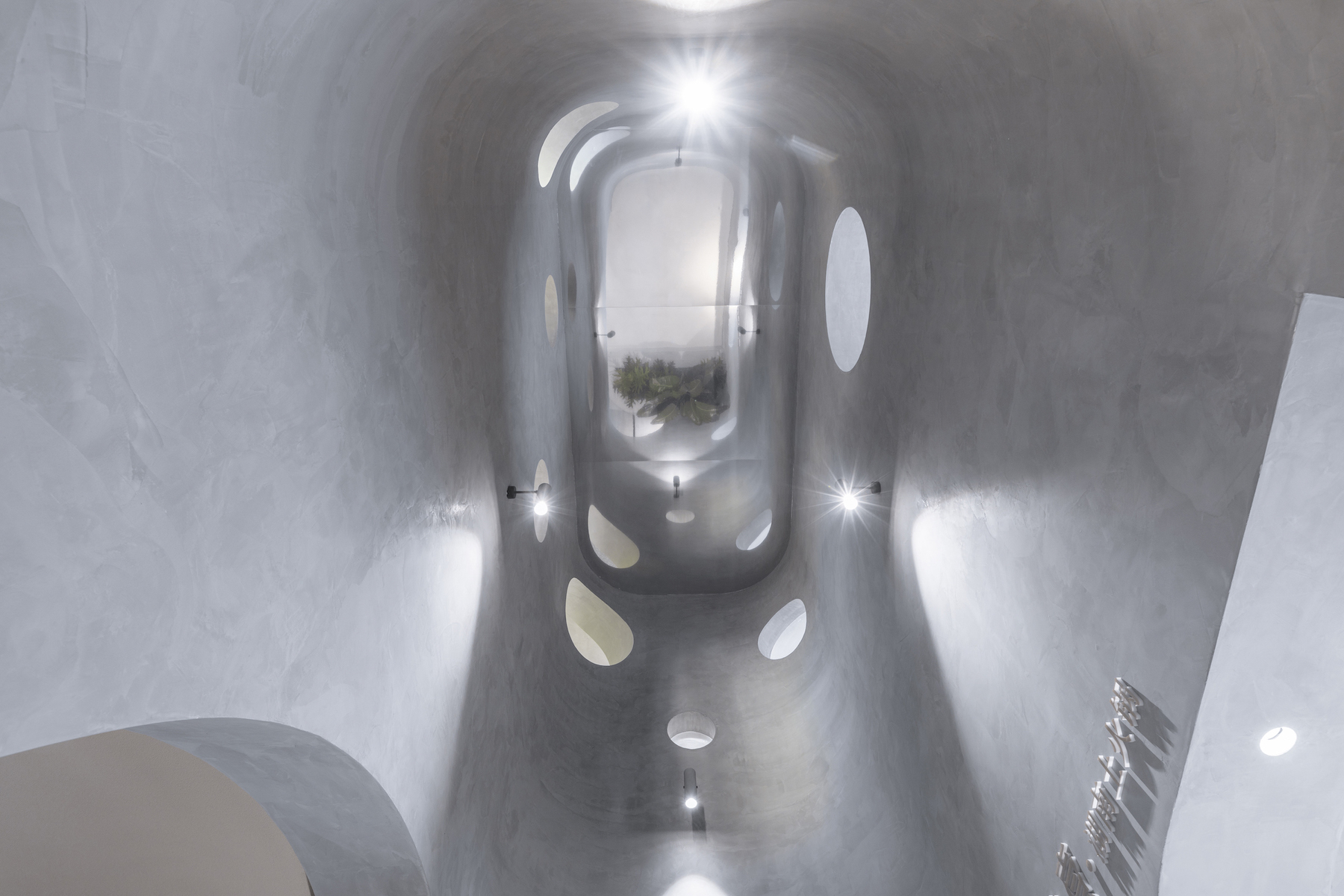
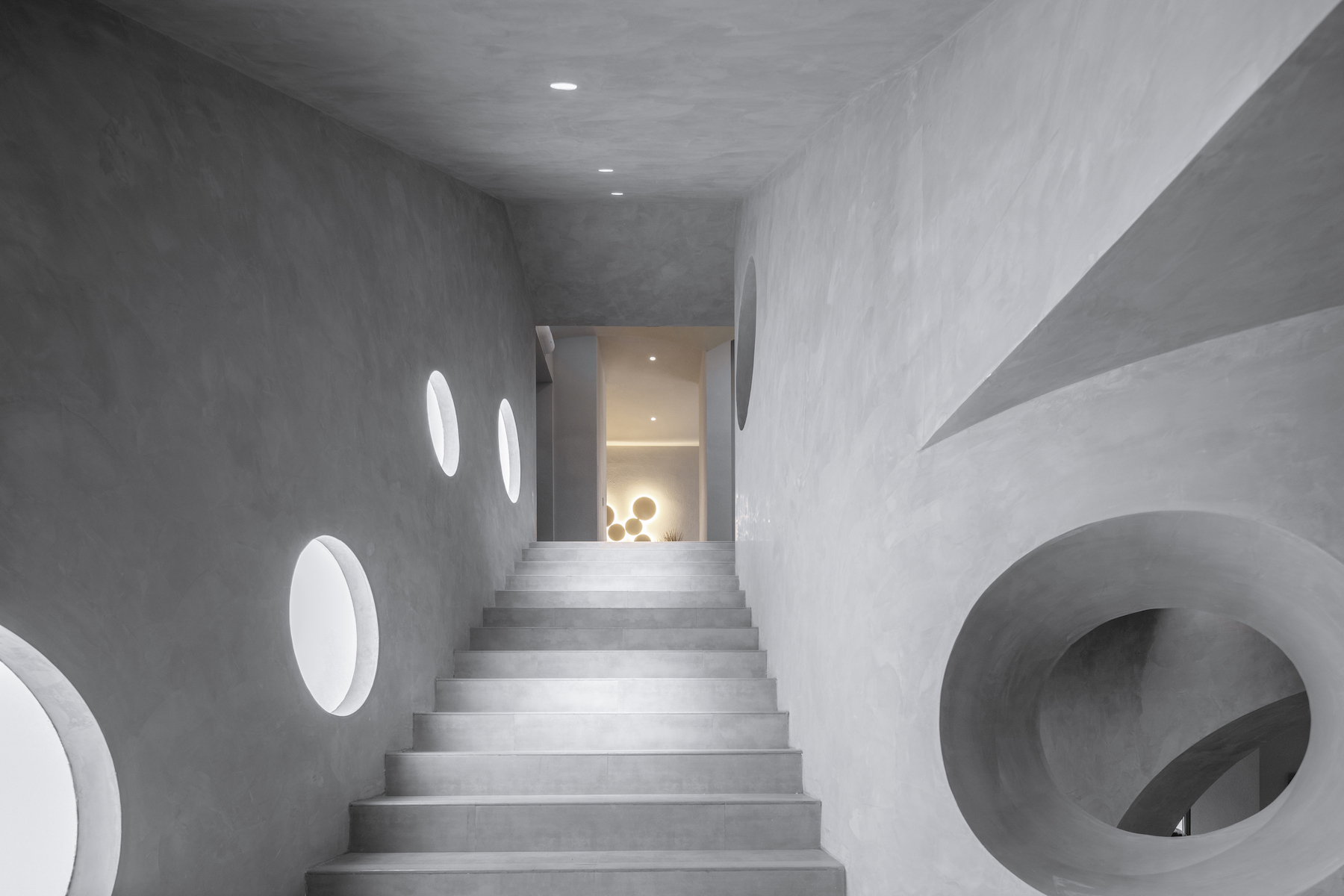
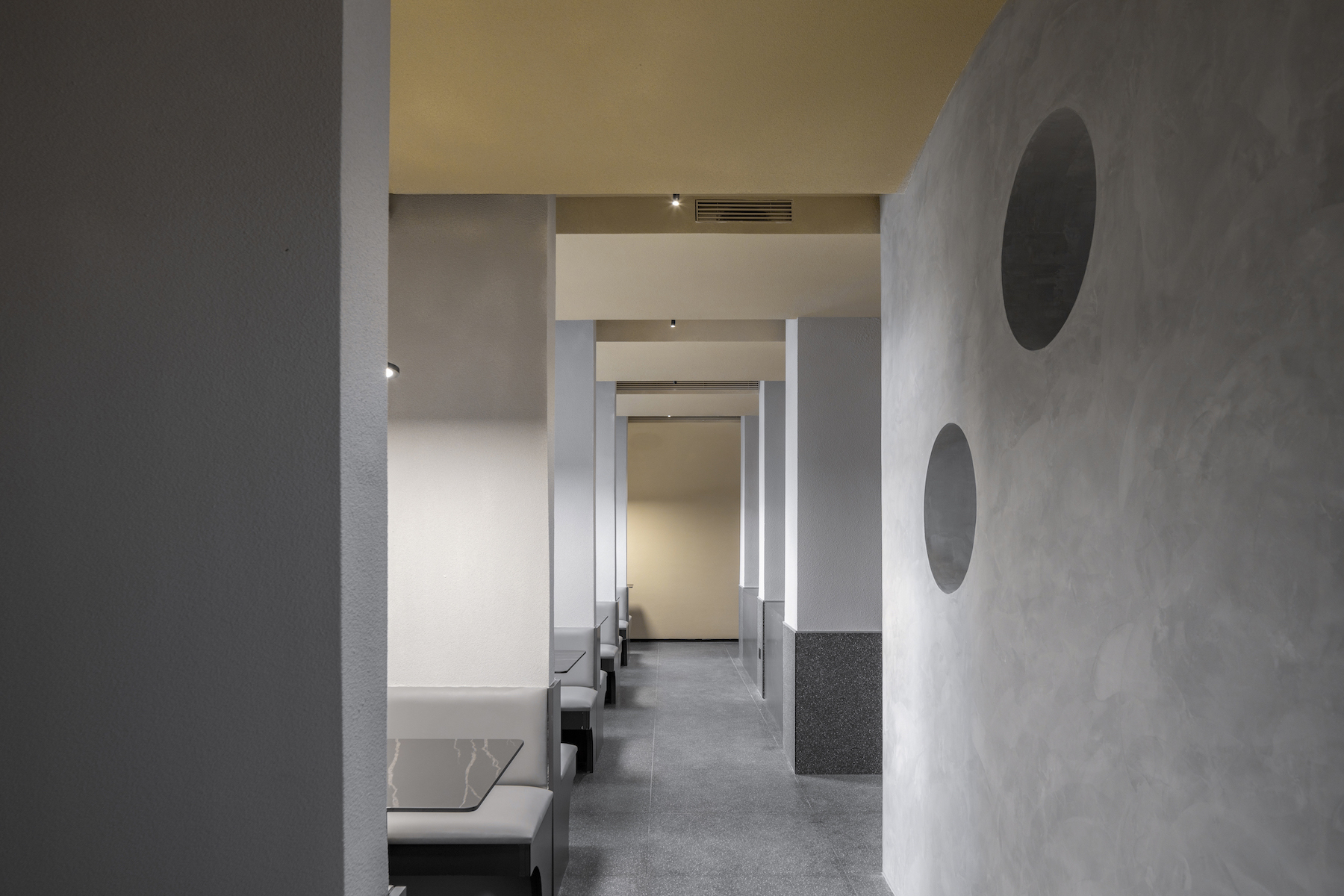
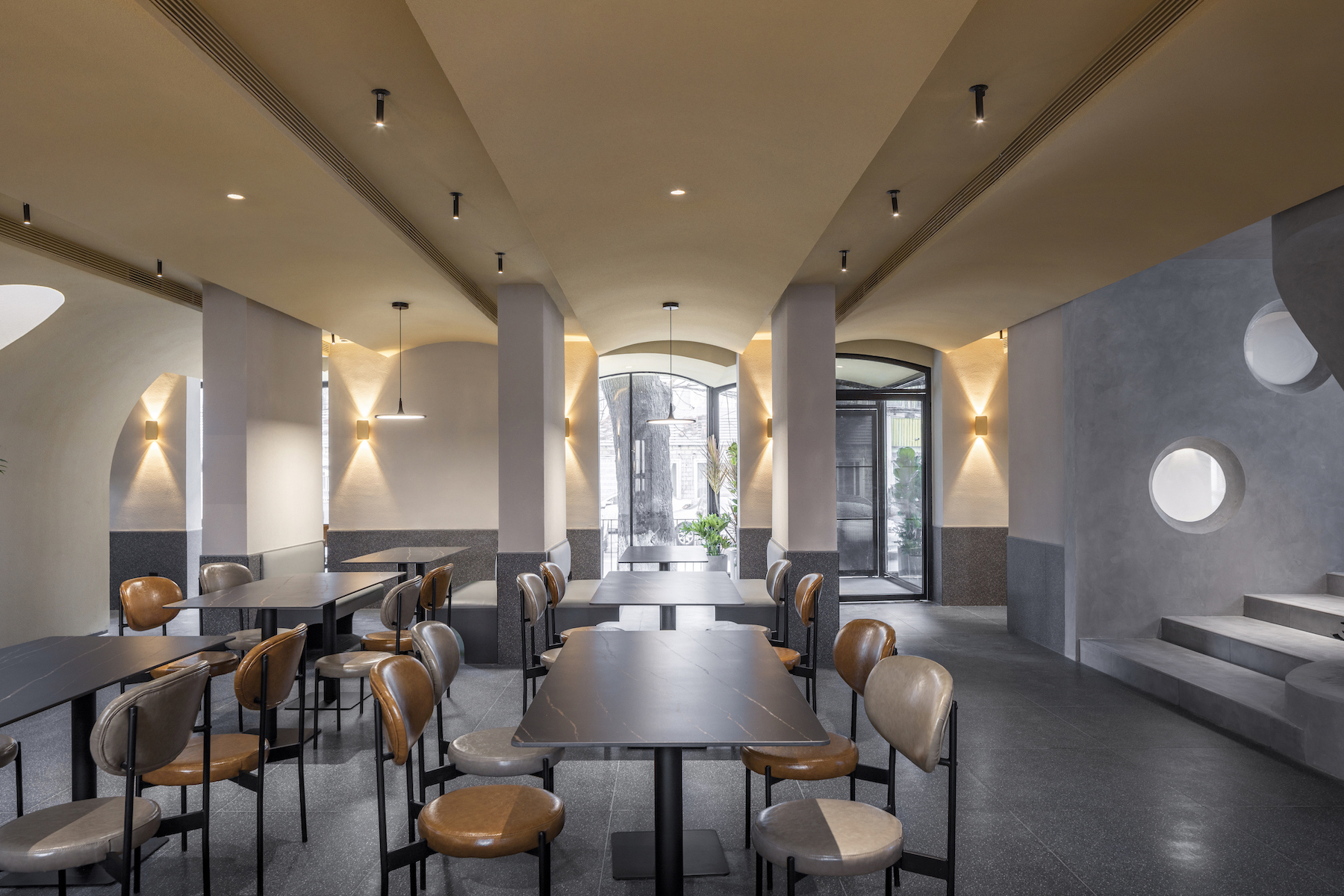
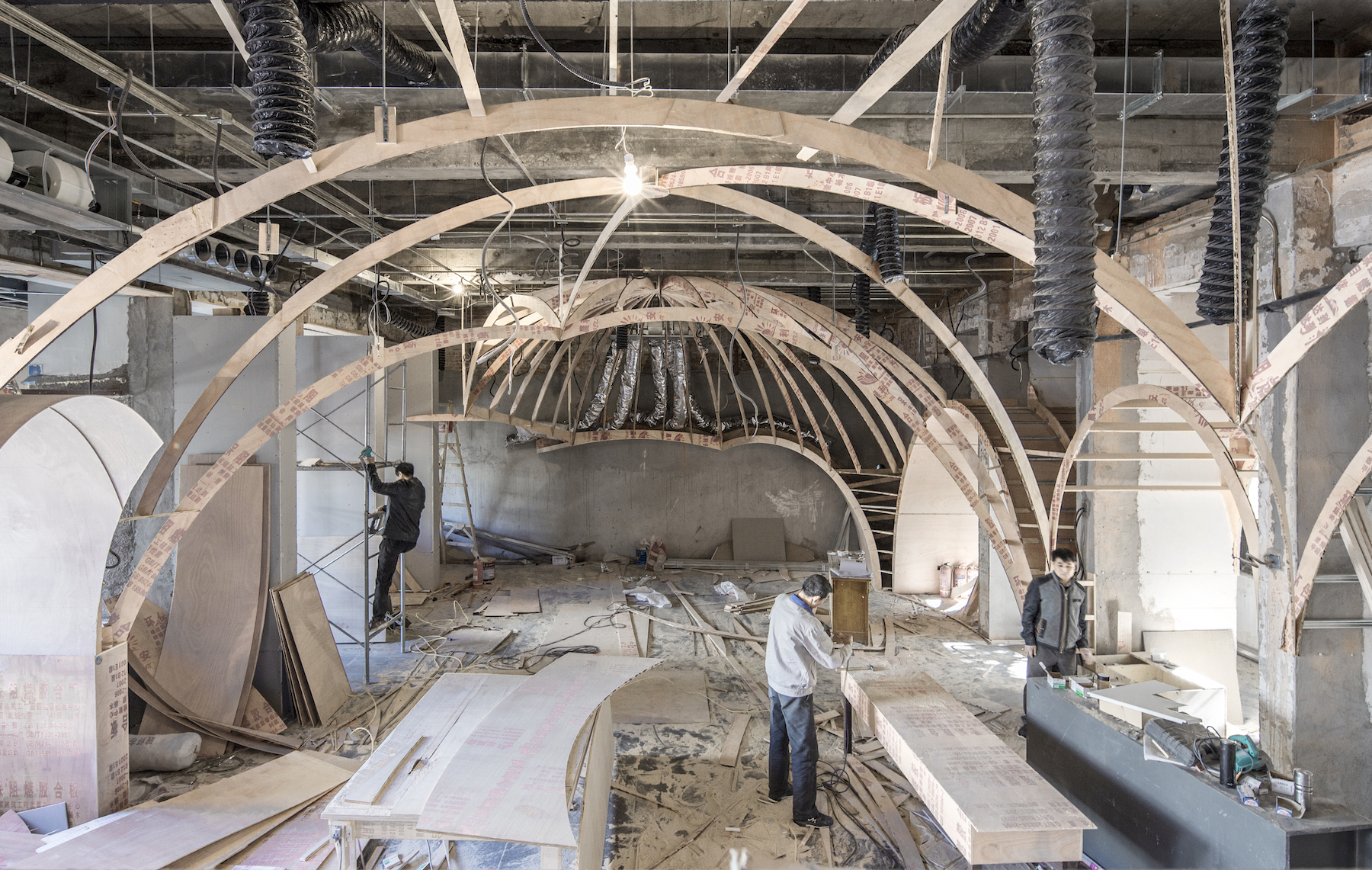
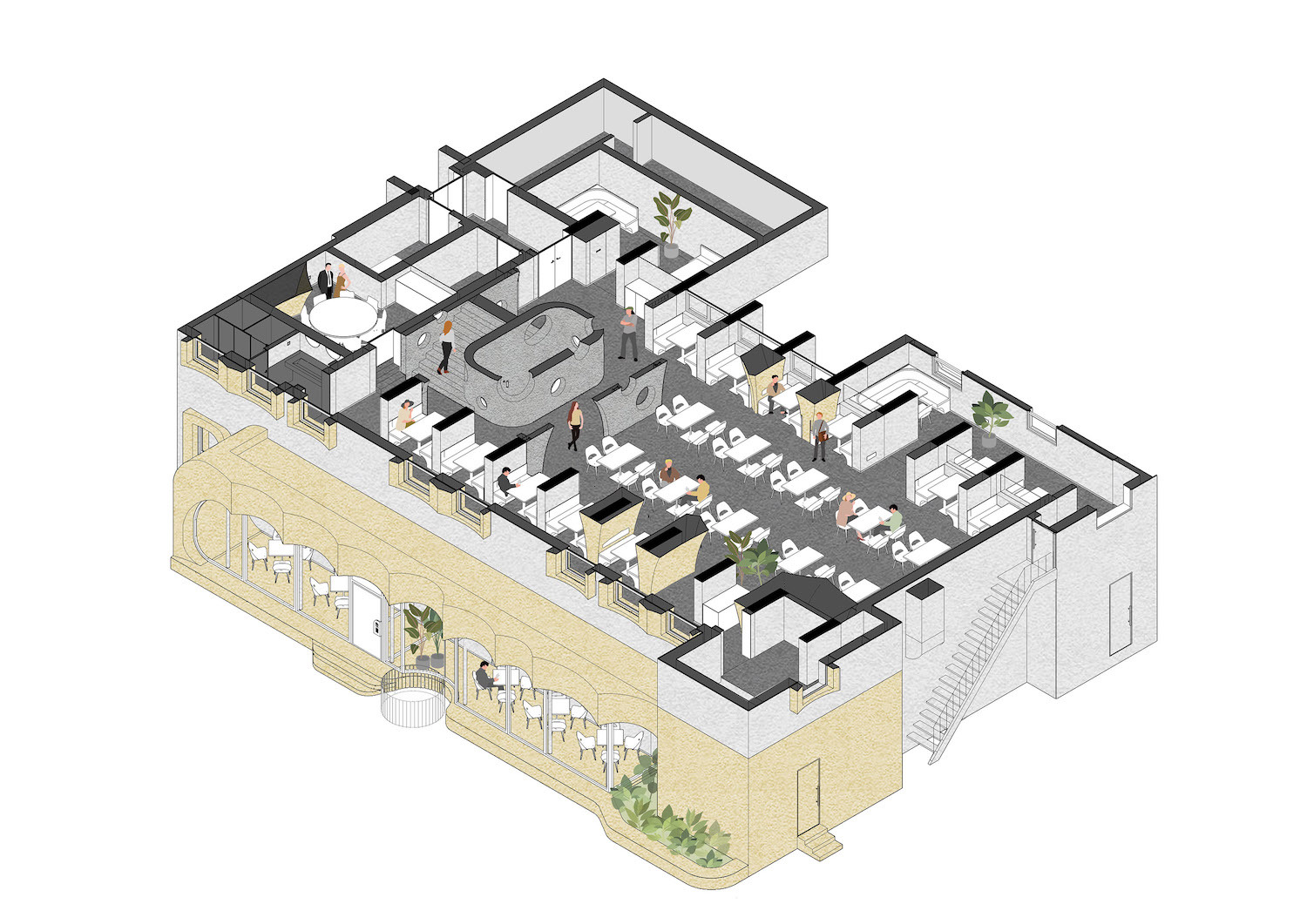
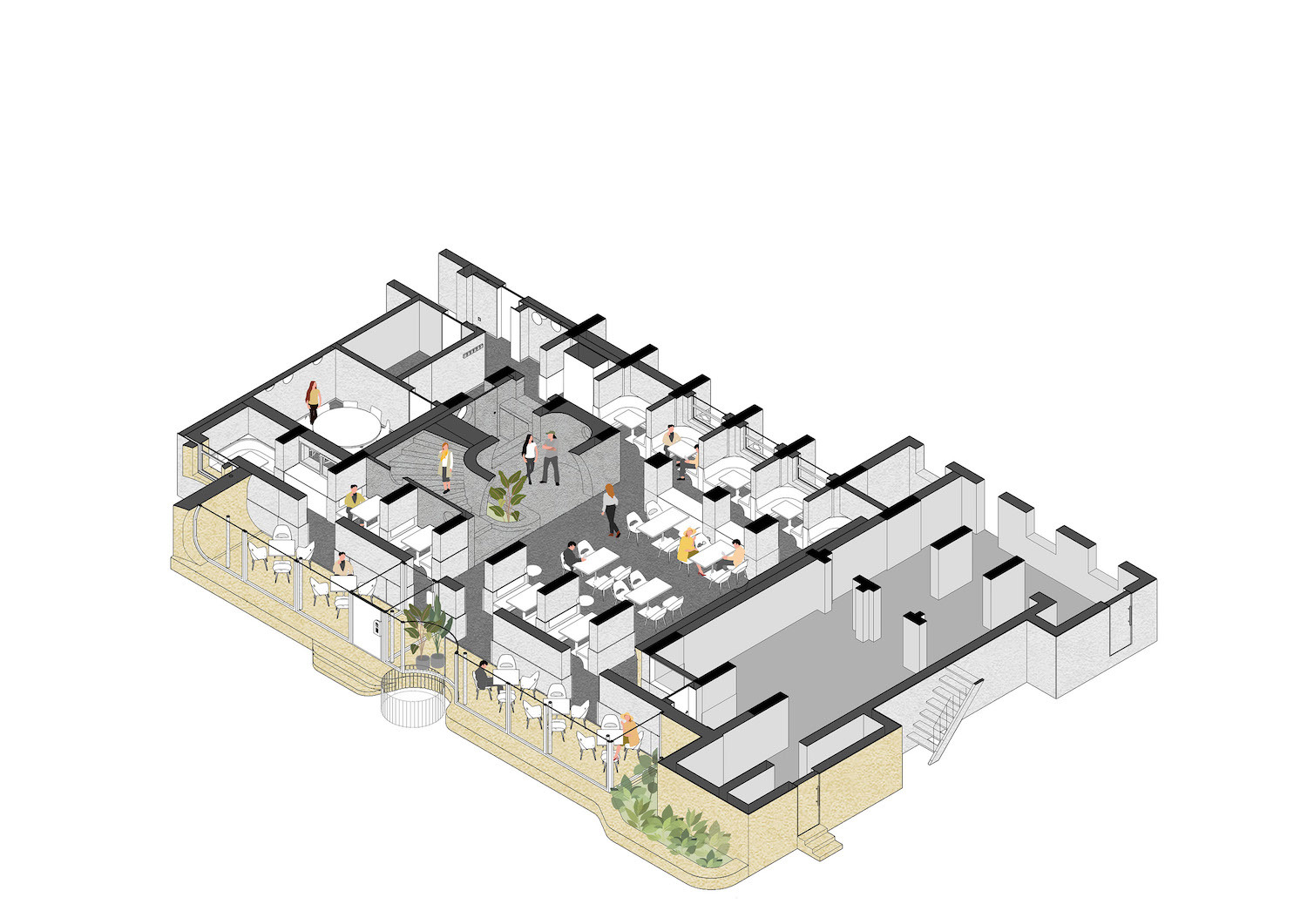
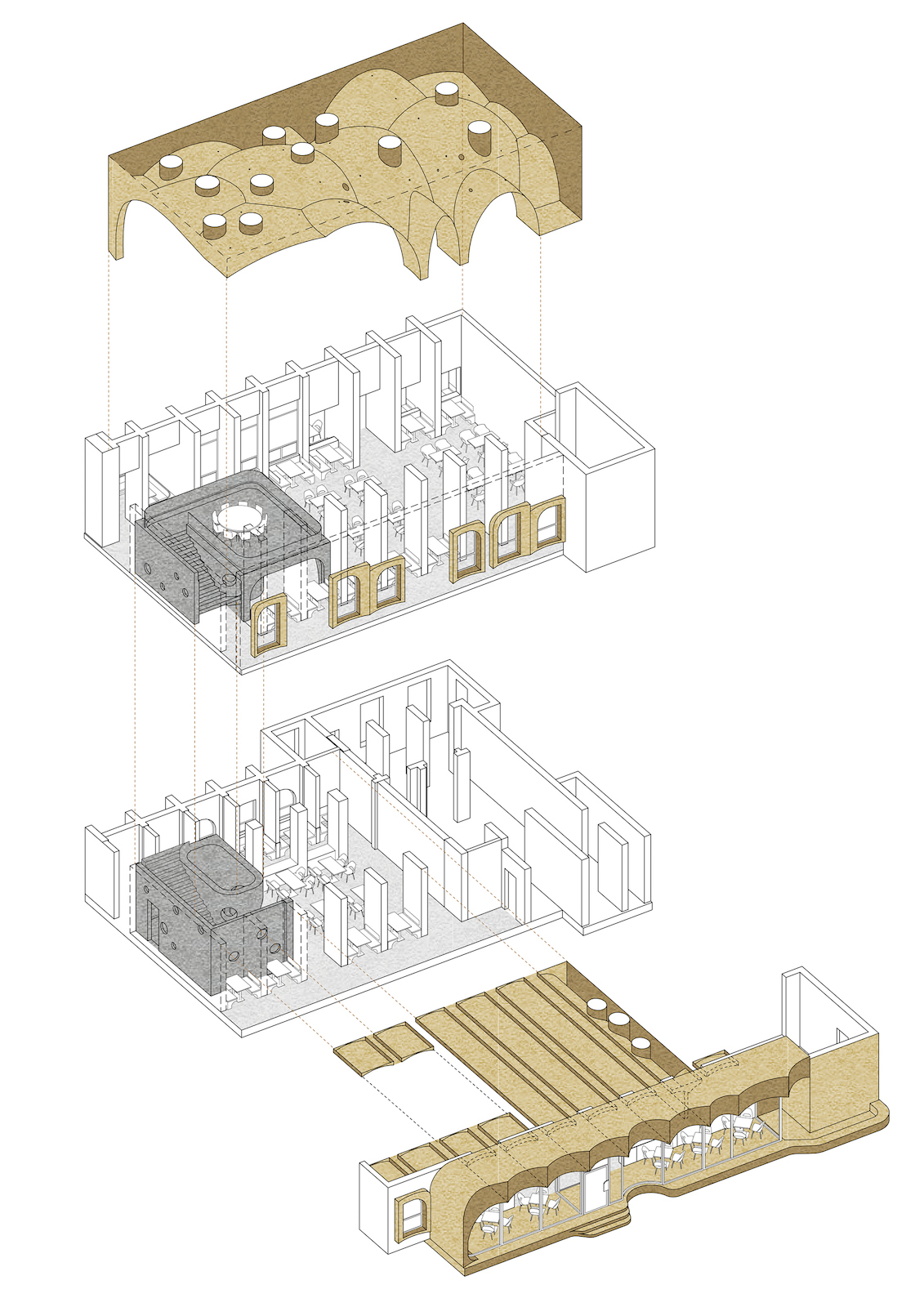
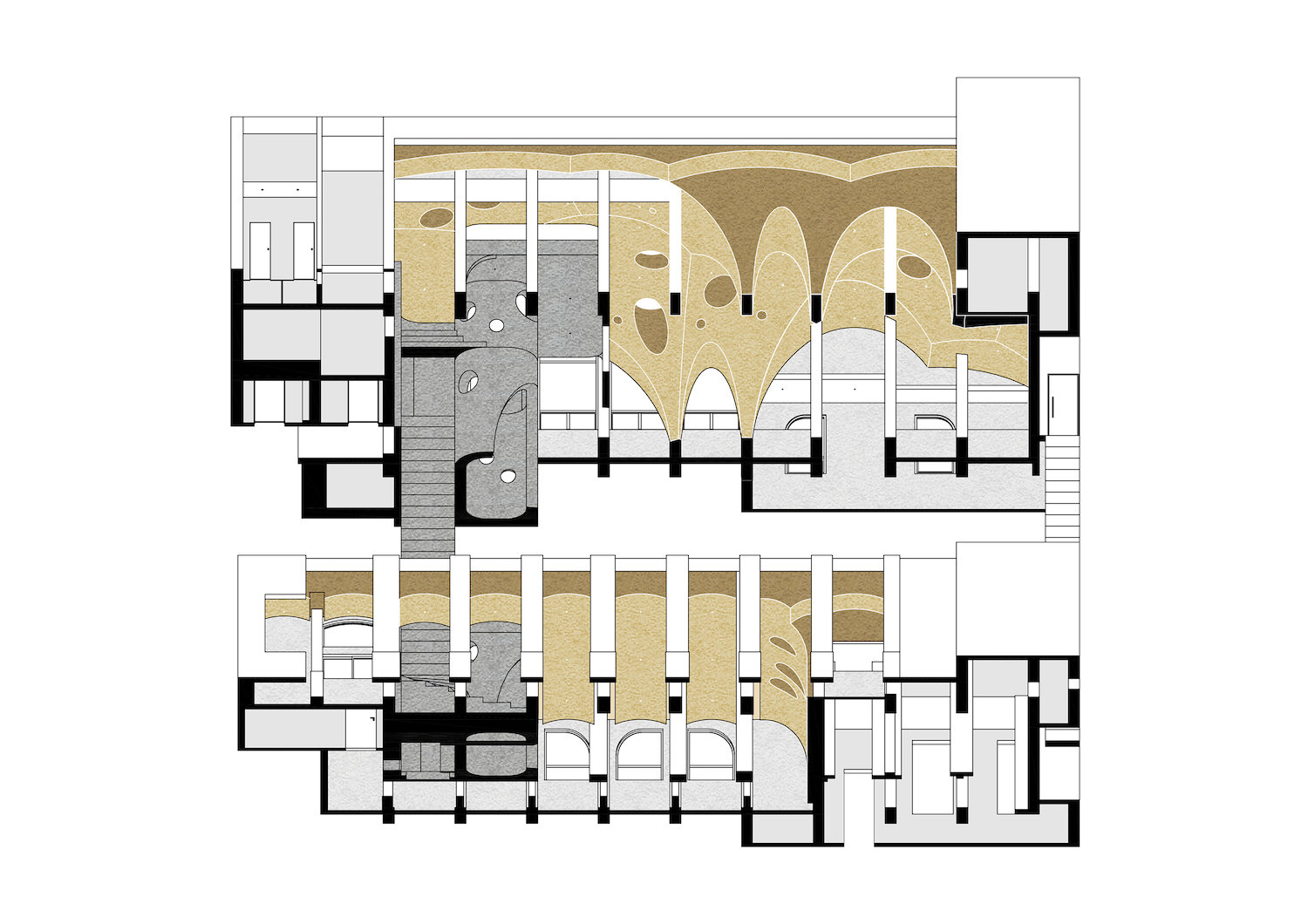
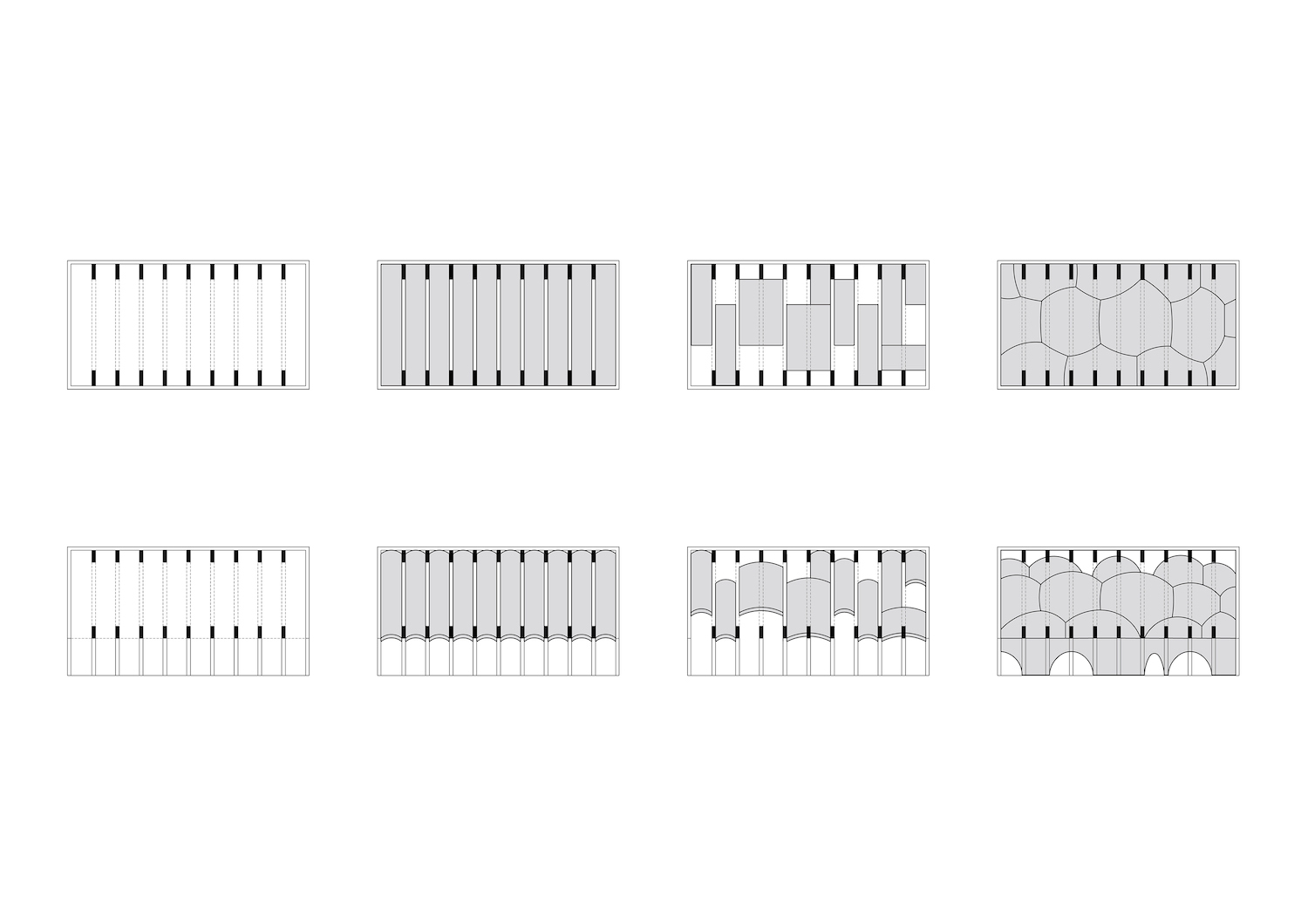
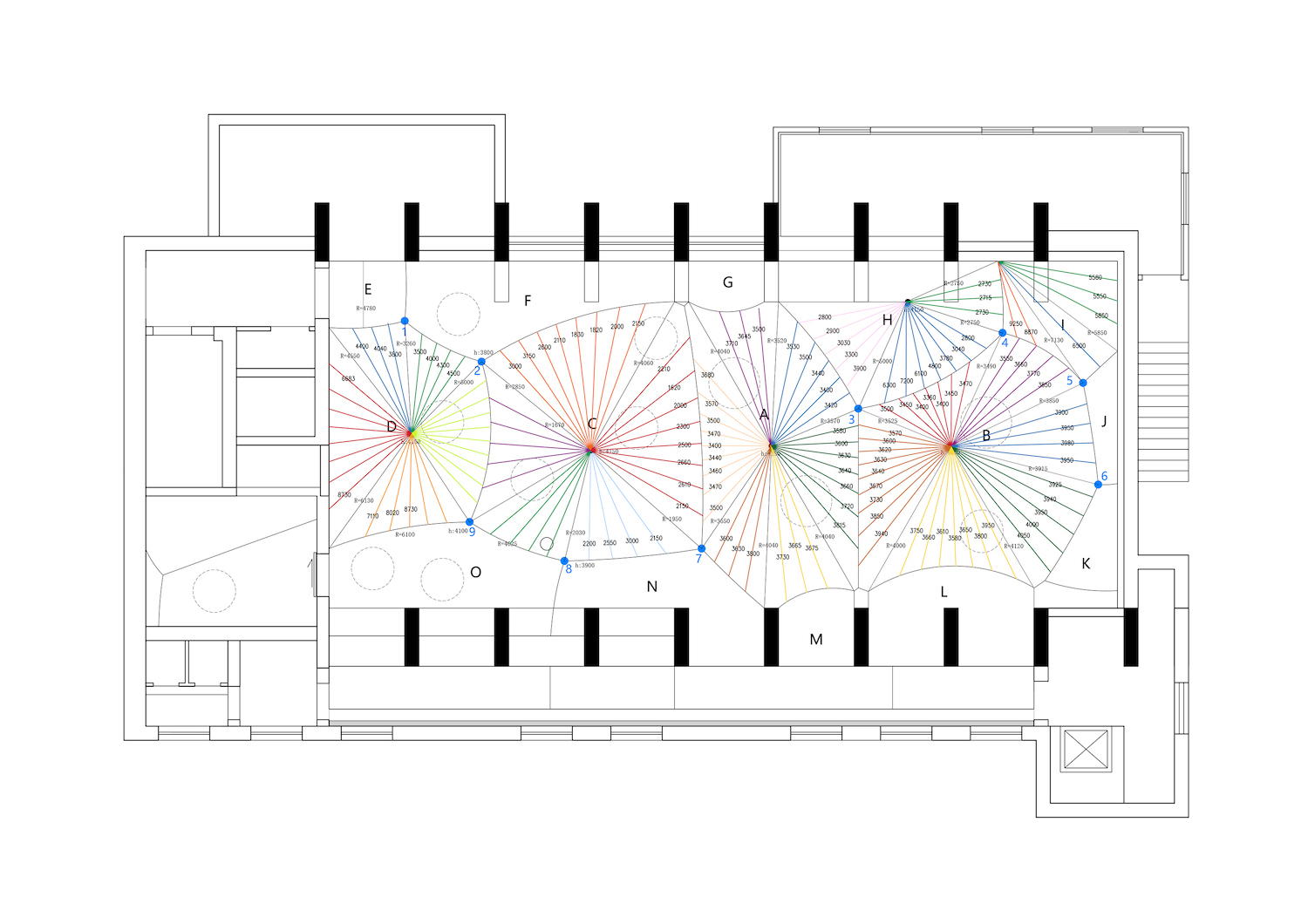
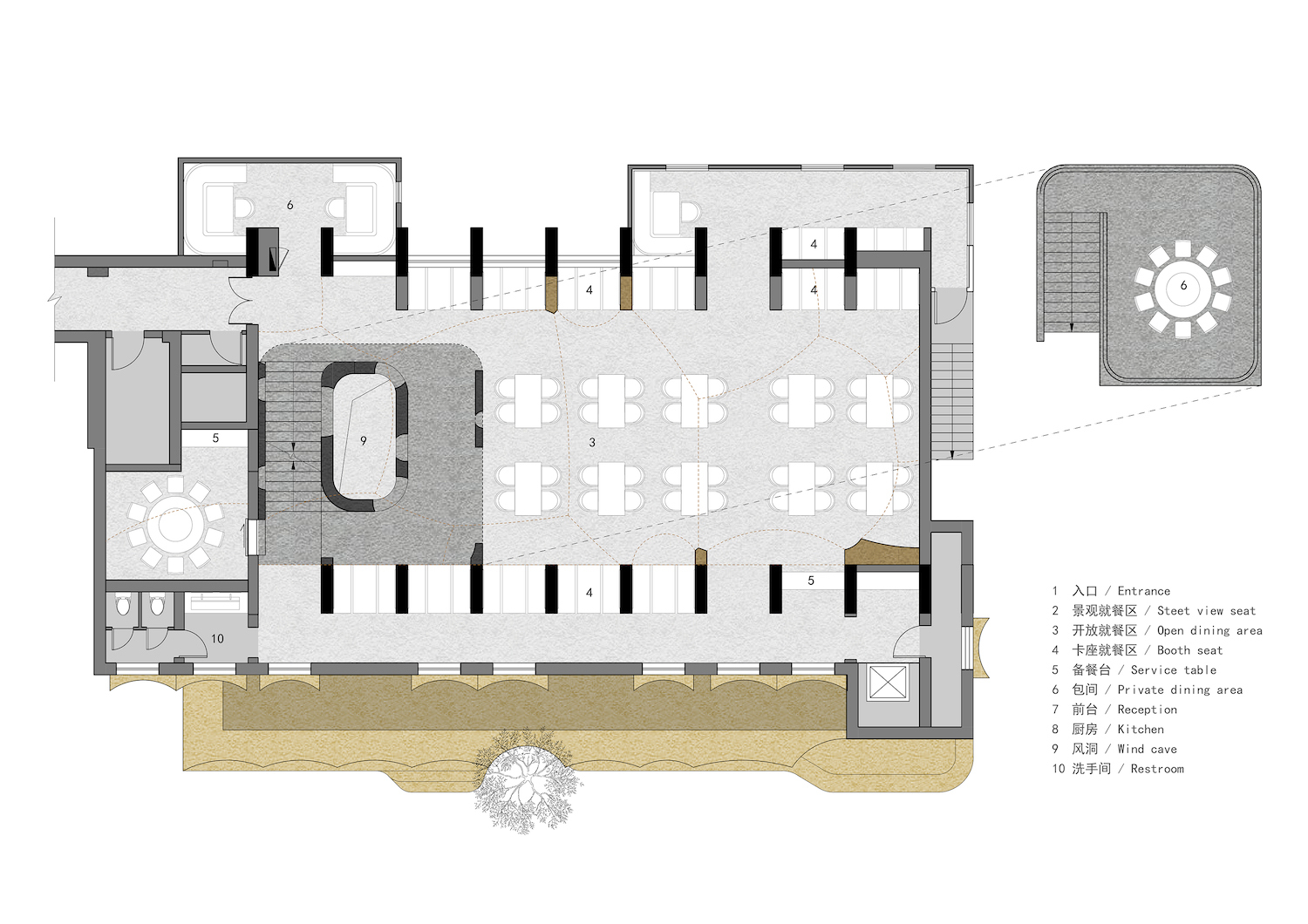
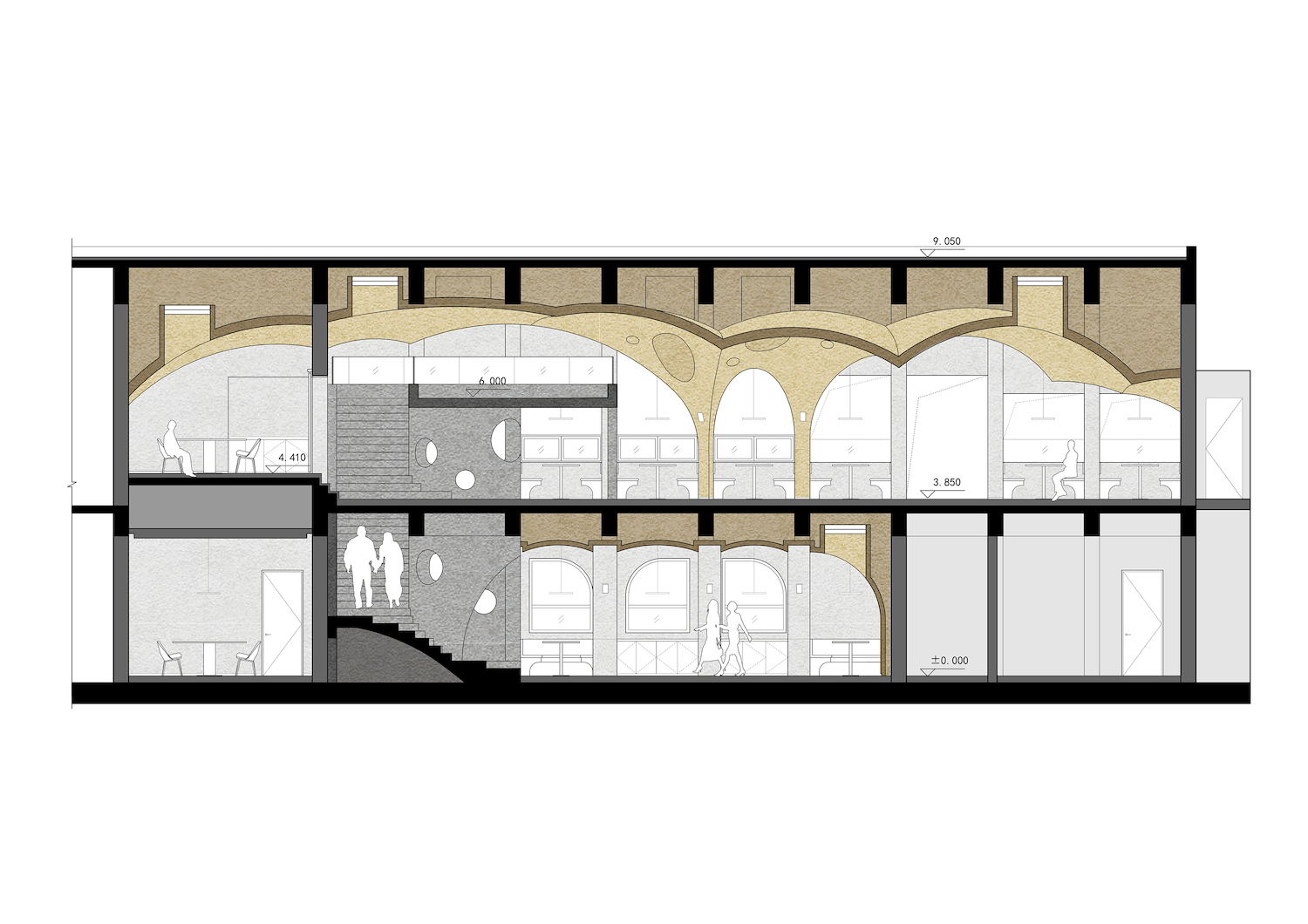
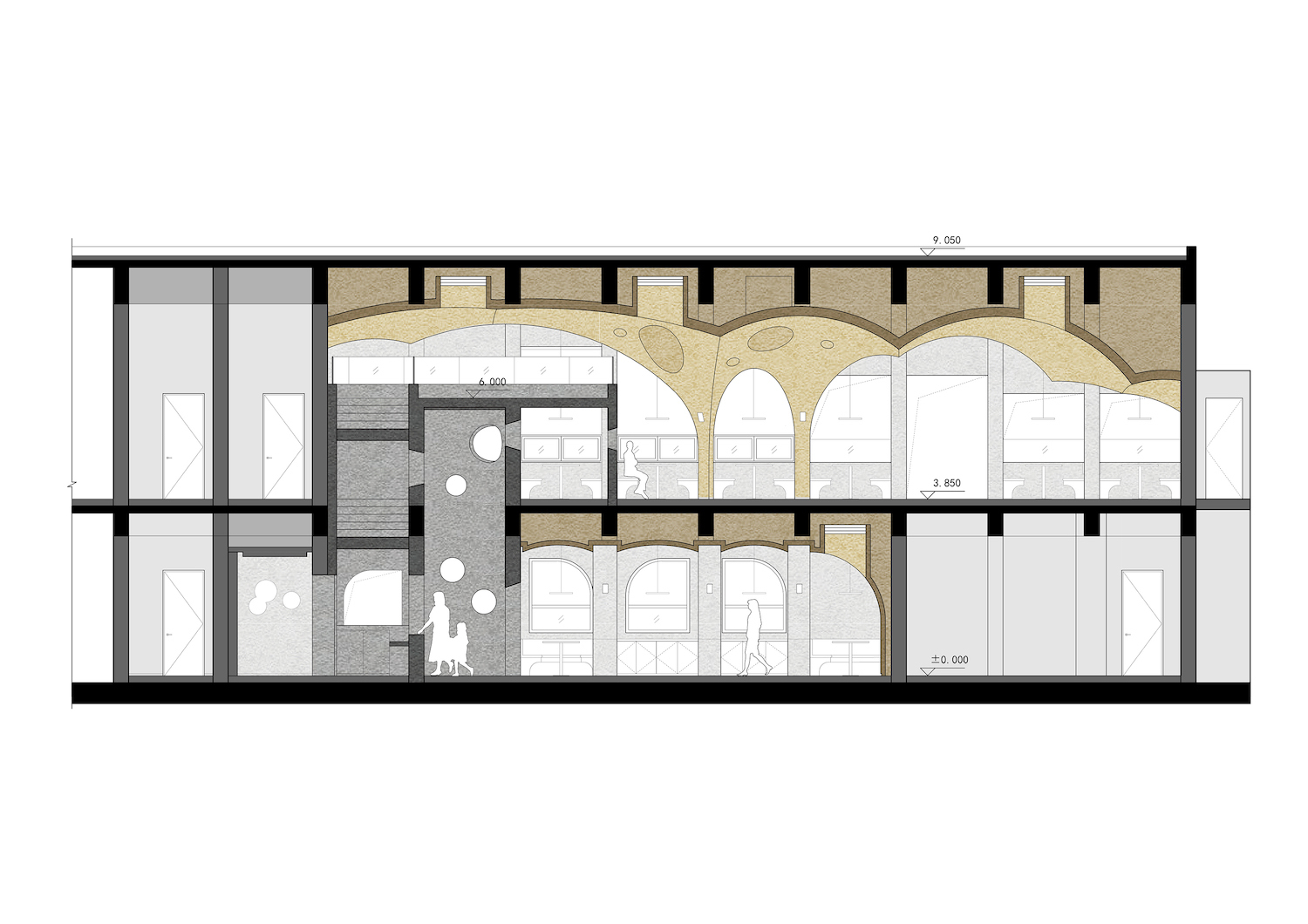
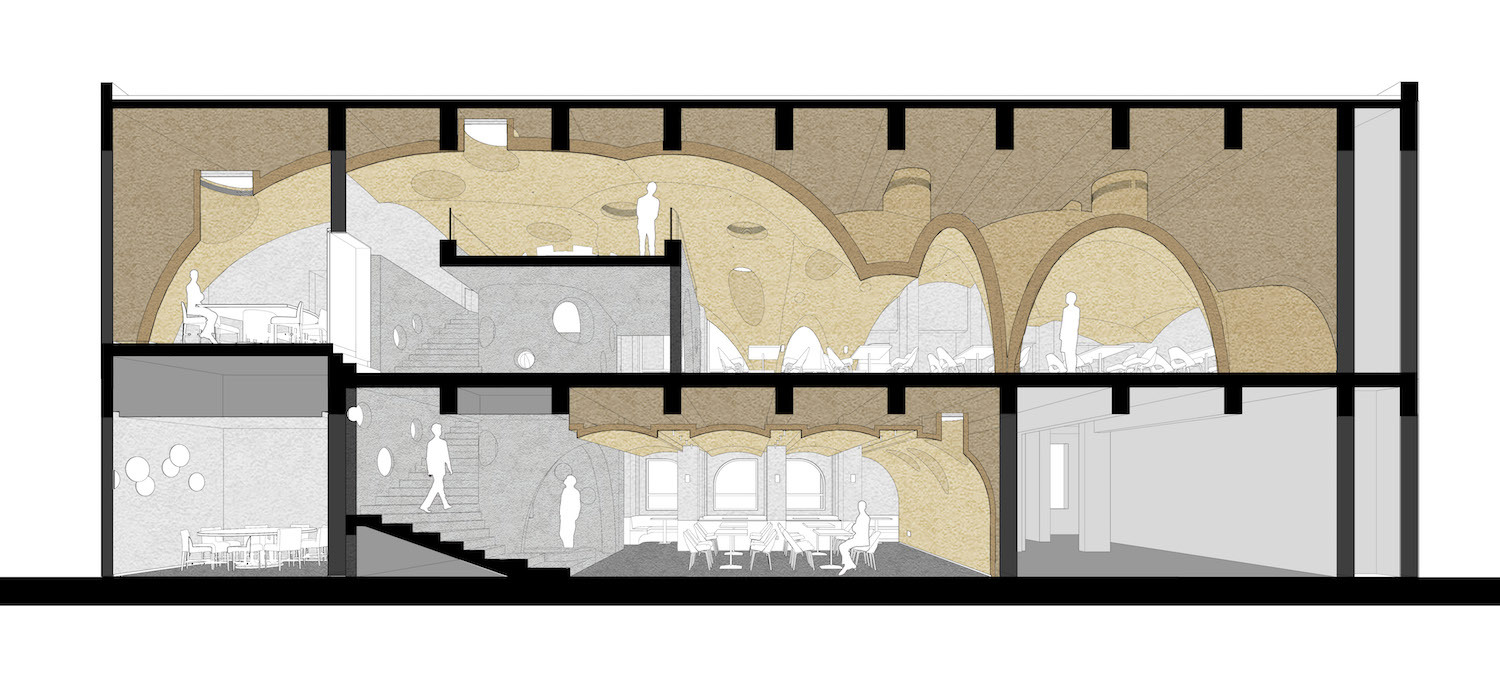
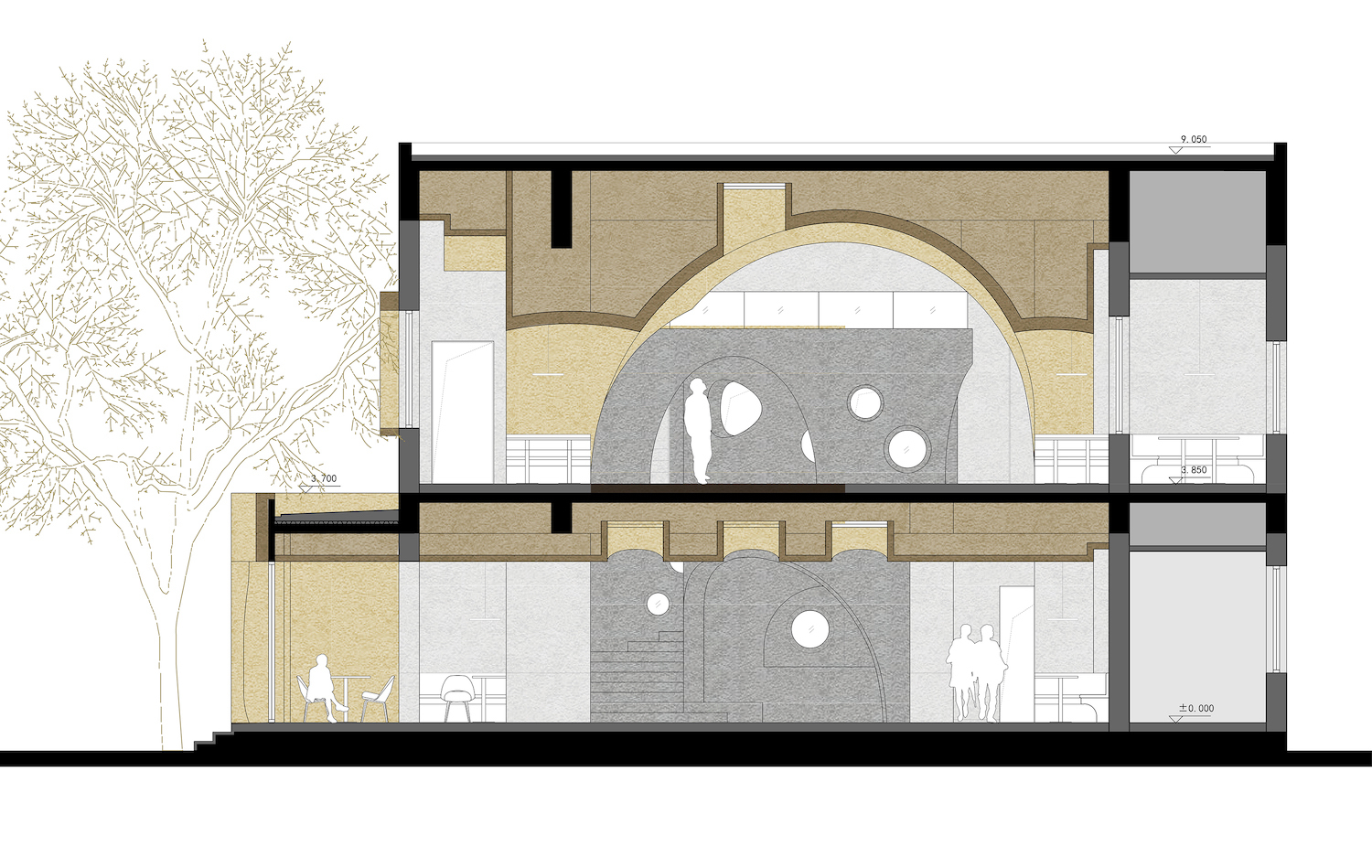
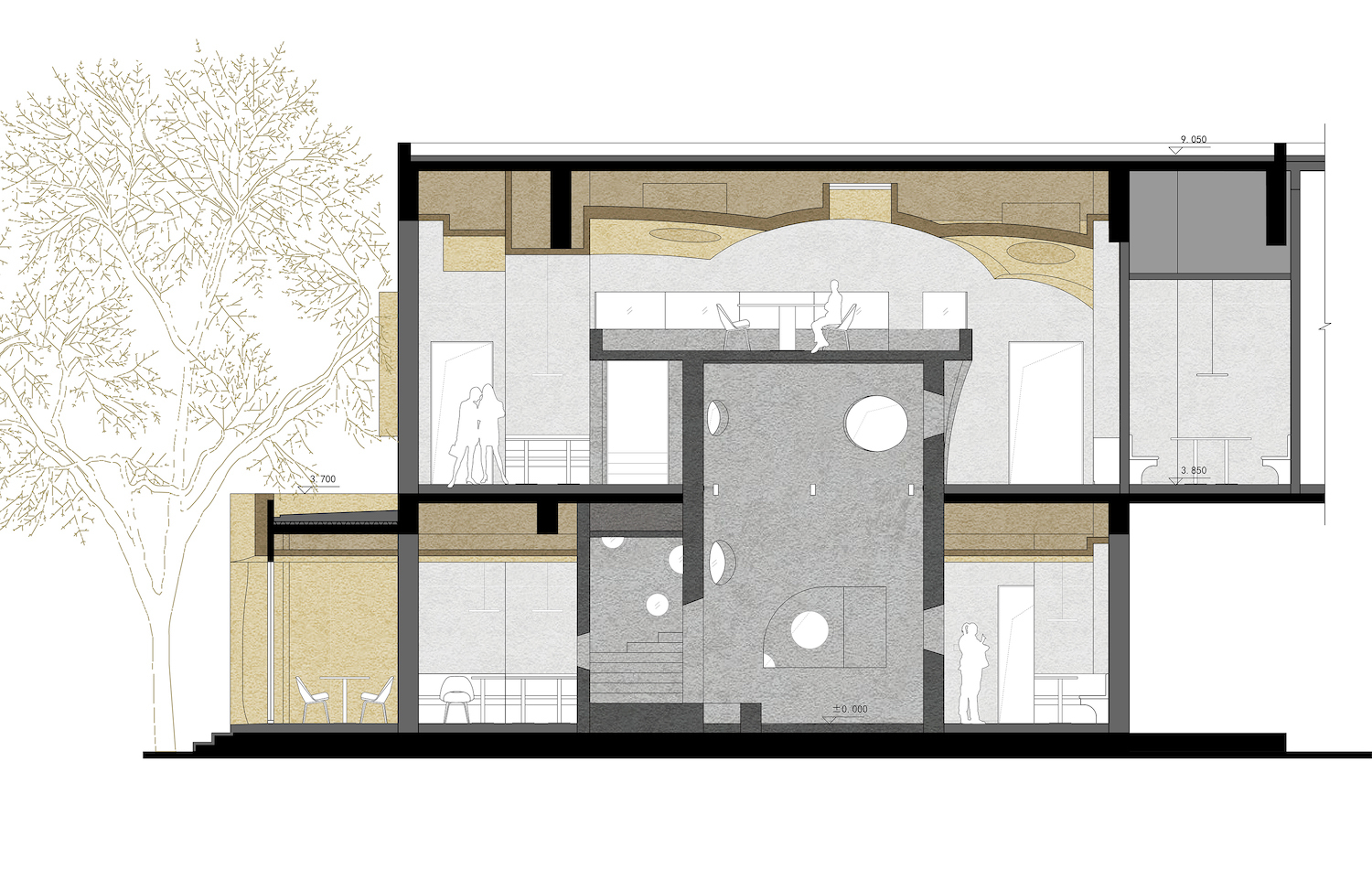
In the summer of 2020, a friend approached the architects with a chosen site for a restaurant that would introduce a clay hotpot from his native Hunan to Beijing. The site is in Hangxingyuan, Hepingli, Dongcheng district, just north of the second ring road, within a mixed compound of offices and older residential blocks. The original space was a disused storeroom: a first floor with many columns and a taller second floor, dense piece walls and large windows on the north and south sides, and an old locust tree outside the south window. The hotpot itself is cooked in an earthenware clay pot; the client described the desired atmosphere as a simple cave-like earthen hotpot house, where food boiled in the most basic way reveals the original flavour of the ingredients. Working from this brief, the architects sought a return-to-origin spatial strategy, connecting food, tableware and the experience of eating in a particular environment. The design drew on earlier travels in North Africa, where the team had seen the white and ochre houses of oases north of the Sahara, their simple lines, rounded corners and arched openings producing a plain, cave-like feeling. The cave, as humanity's first dwelling, carries the most primal spatial experience in memory; the architects sought to bring that bodily experience into the hotpot restaurant, producing a plain, cave-like interior. A series of spatial operations constituted the search for the cave, shaping the narrow north-south space into a sequence of rounded, plastered chambers that wrap the diners around the clay pot. The result is a quiet, tactile restaurant that translates a regional Chinese food tradition into an abstracted, cave-like architecture.
















 Editor's Pick
 Latest Design
 Best Idea
 Hottest of Week