Text description provided by the architects
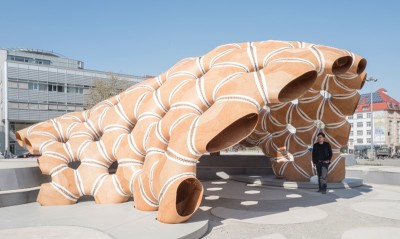
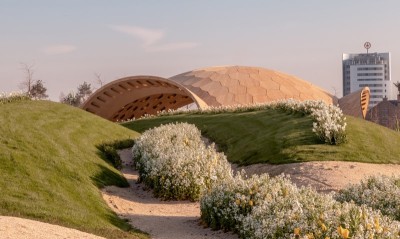
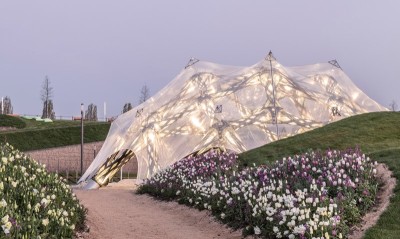
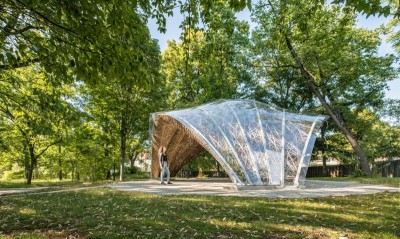
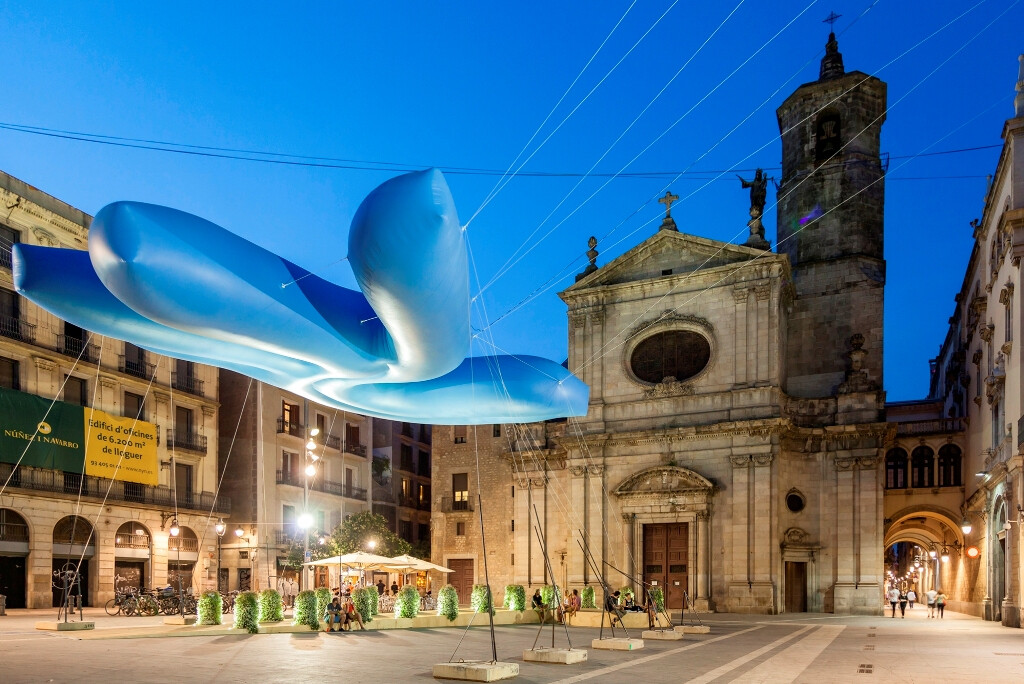
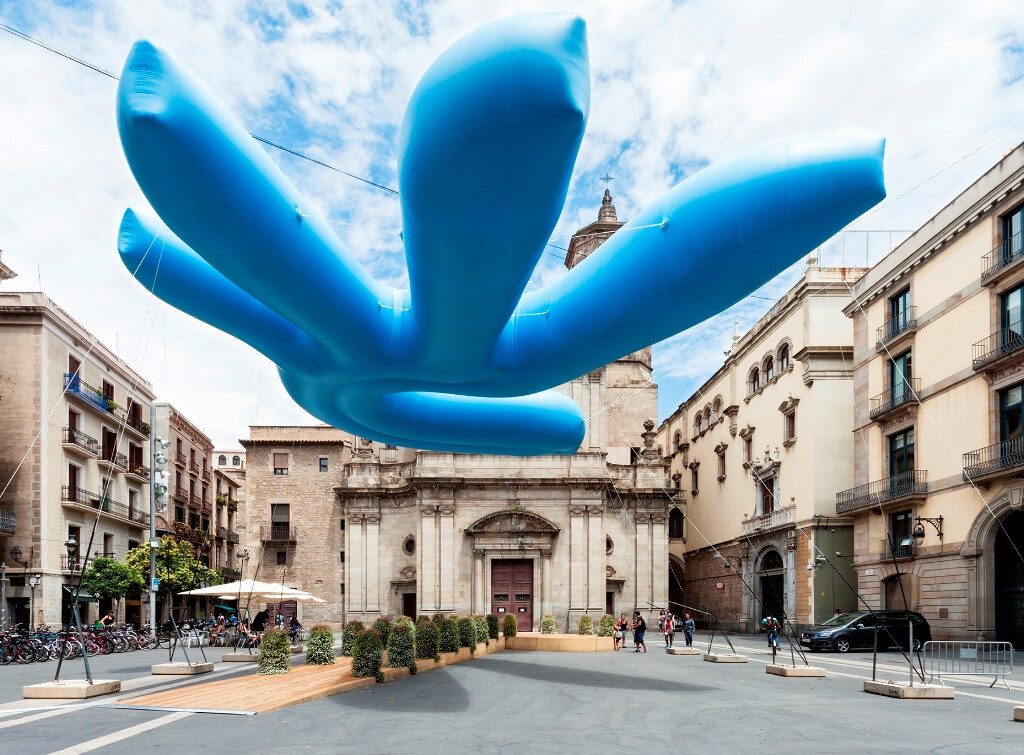
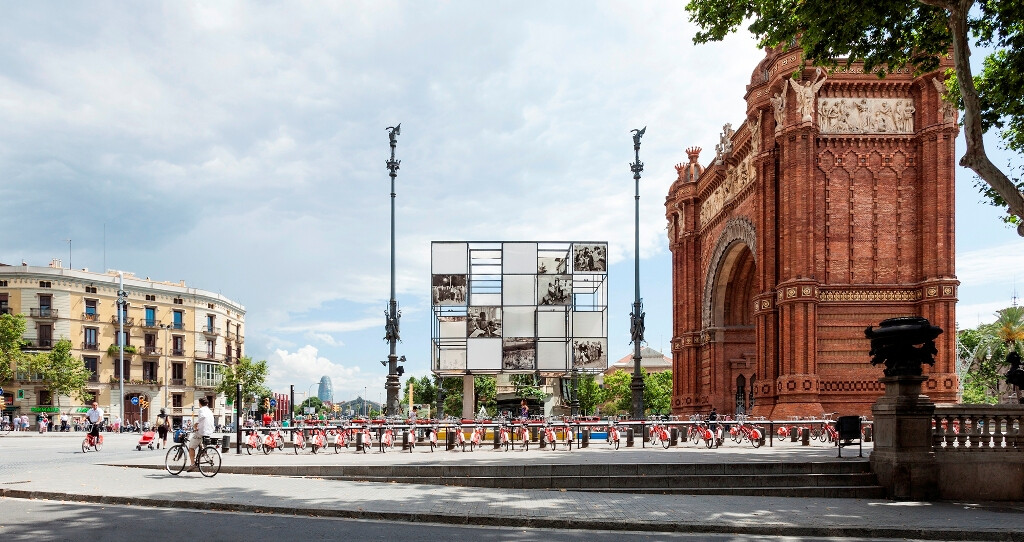
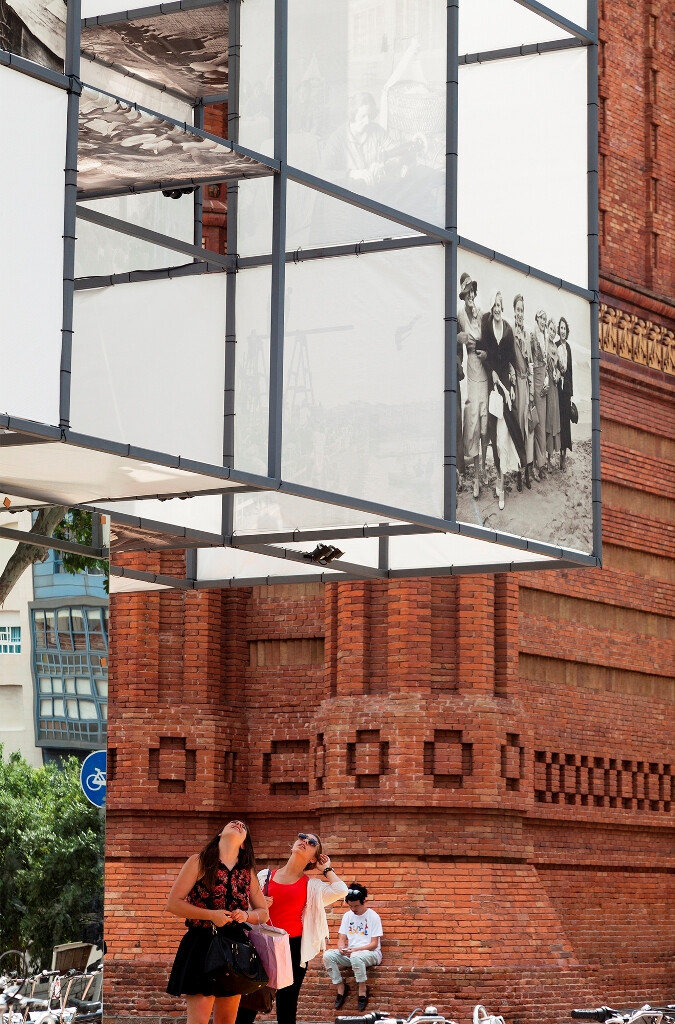
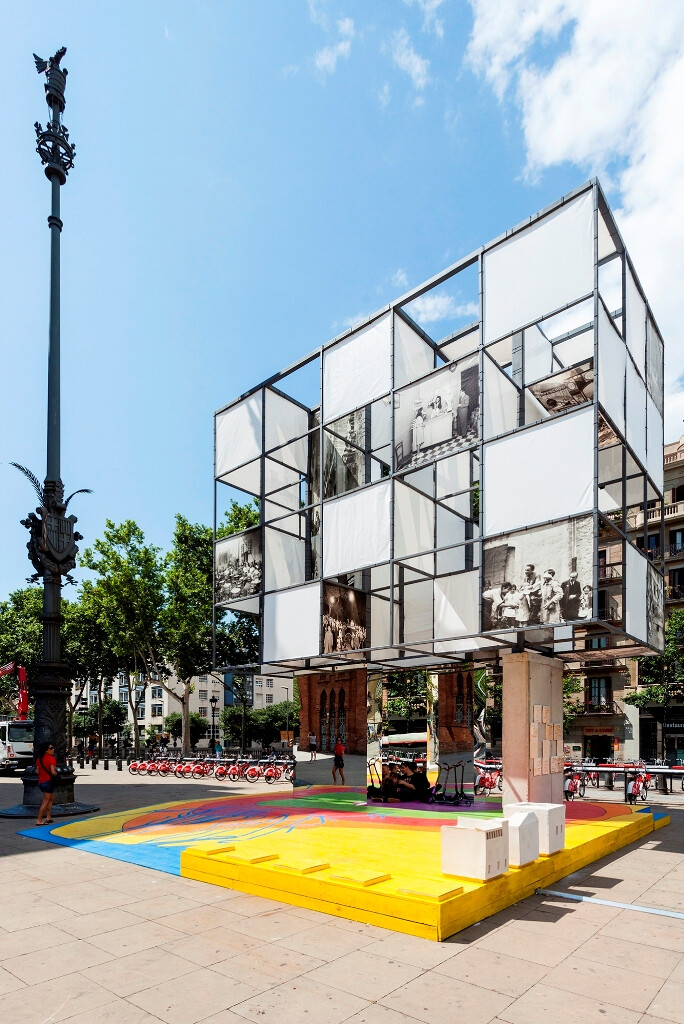
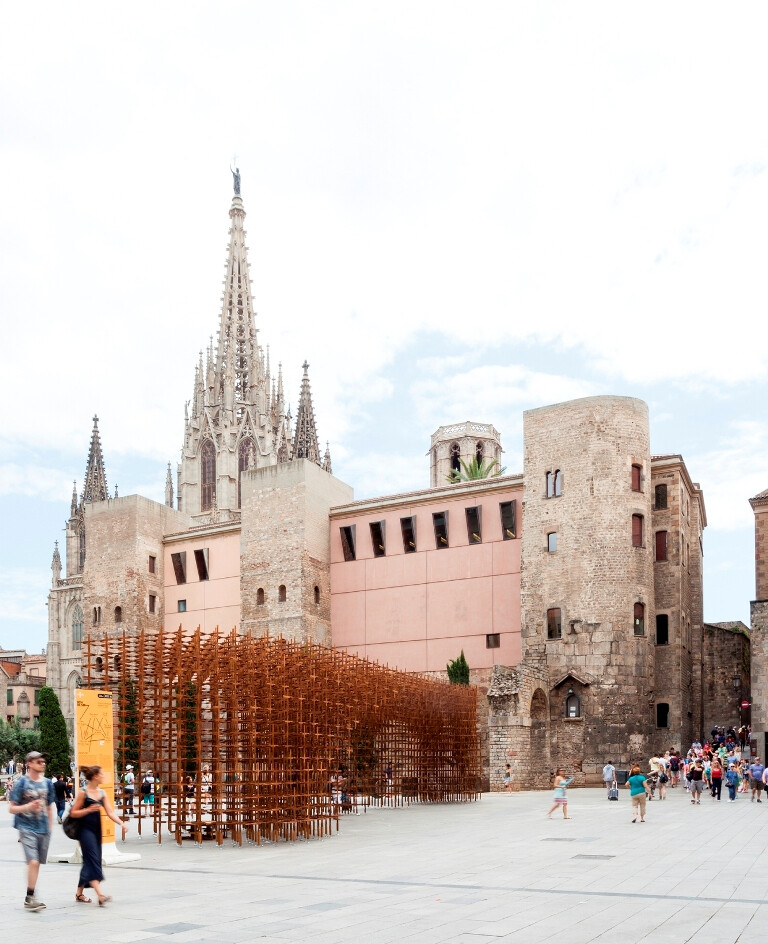
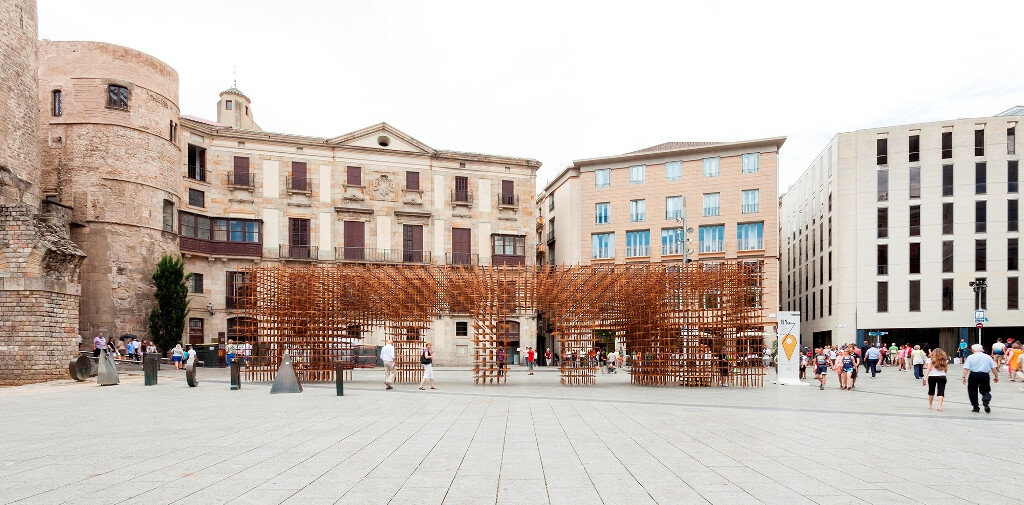
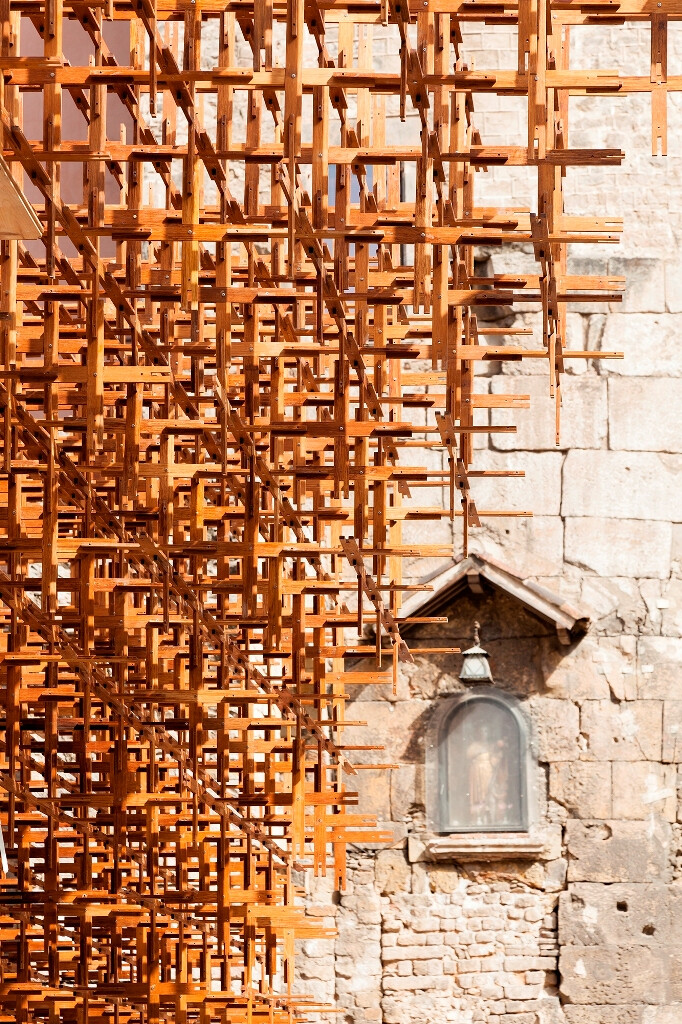
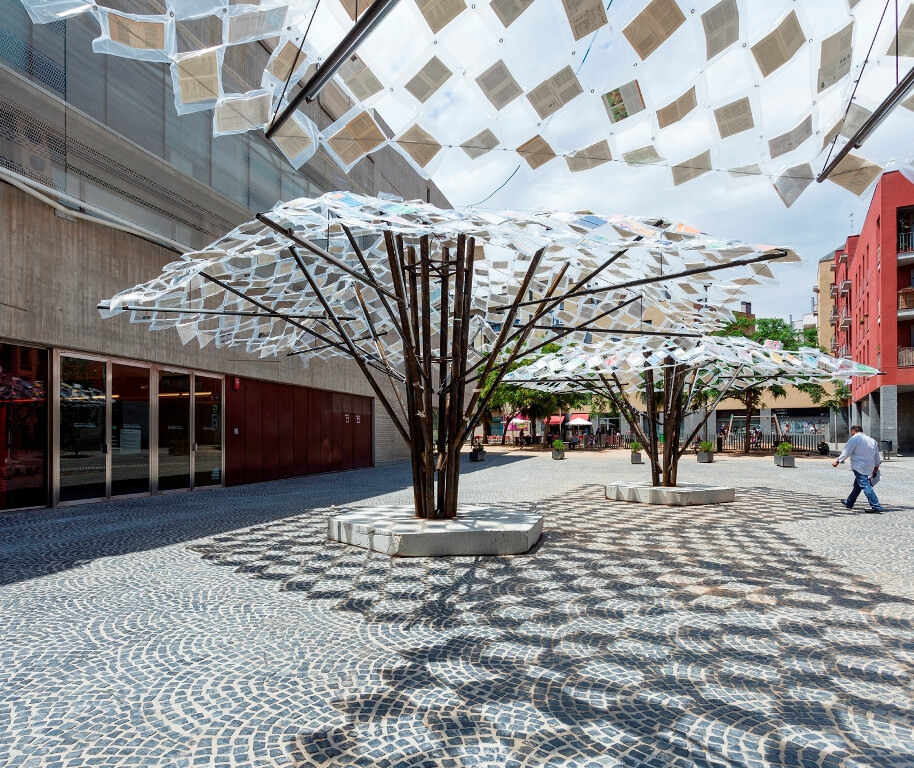
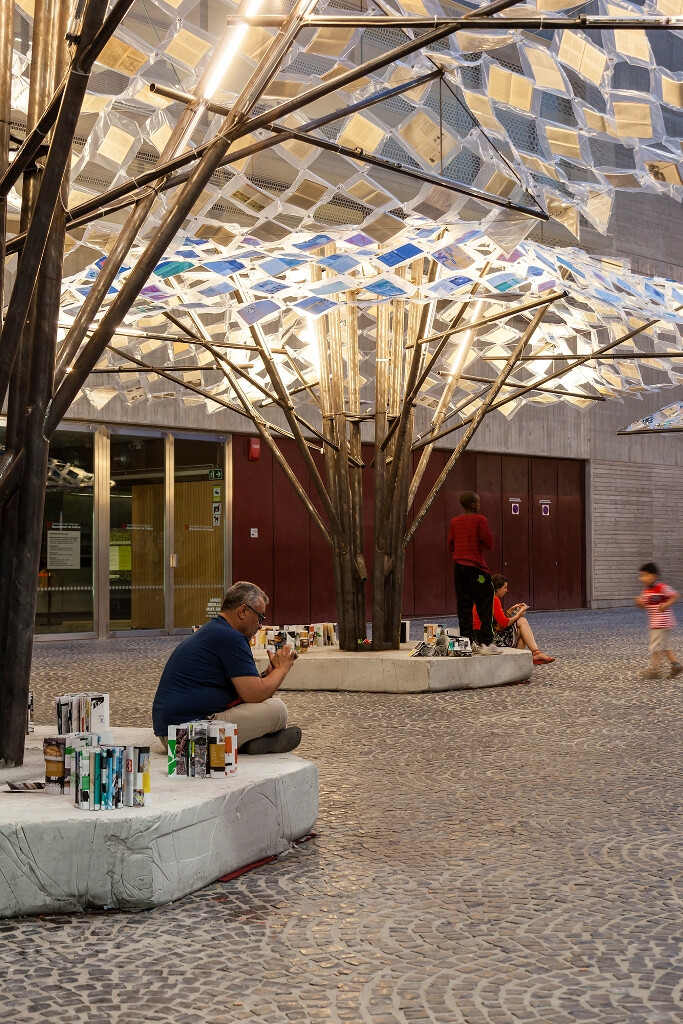
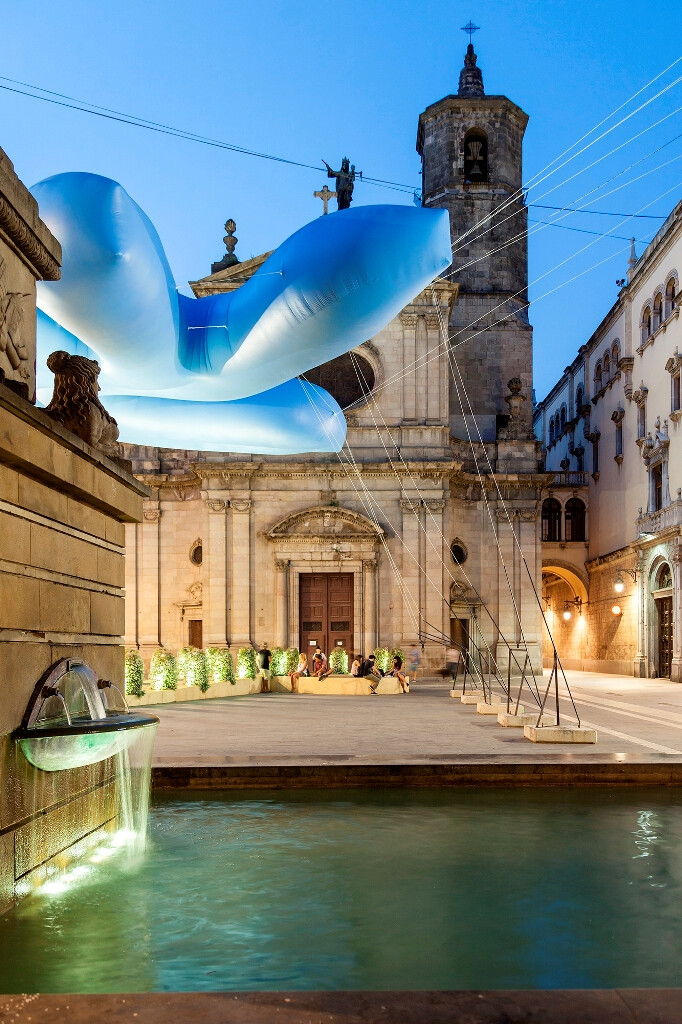
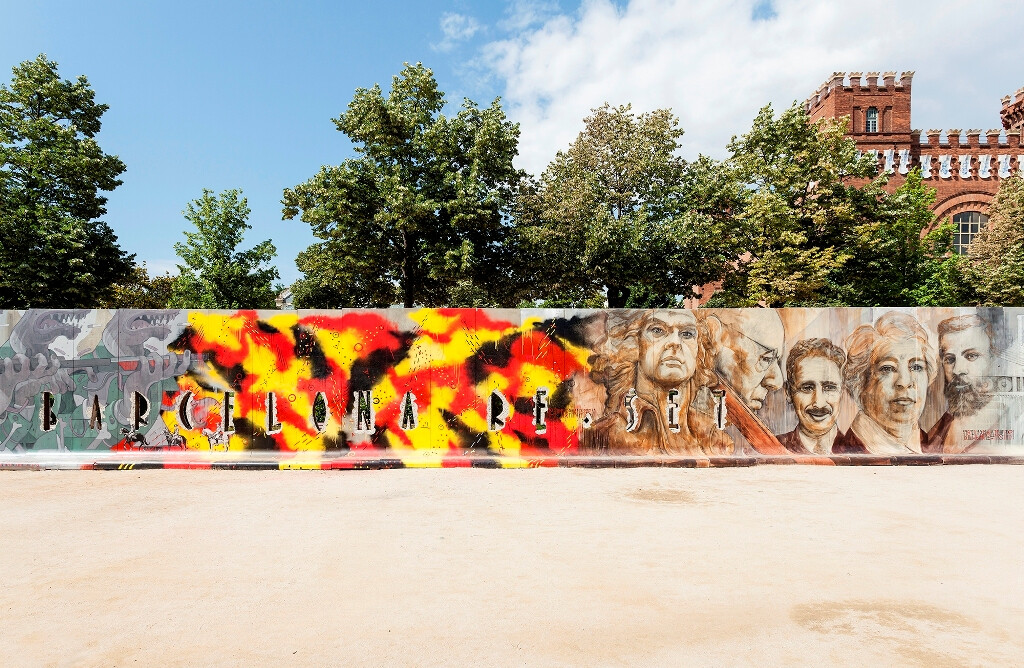
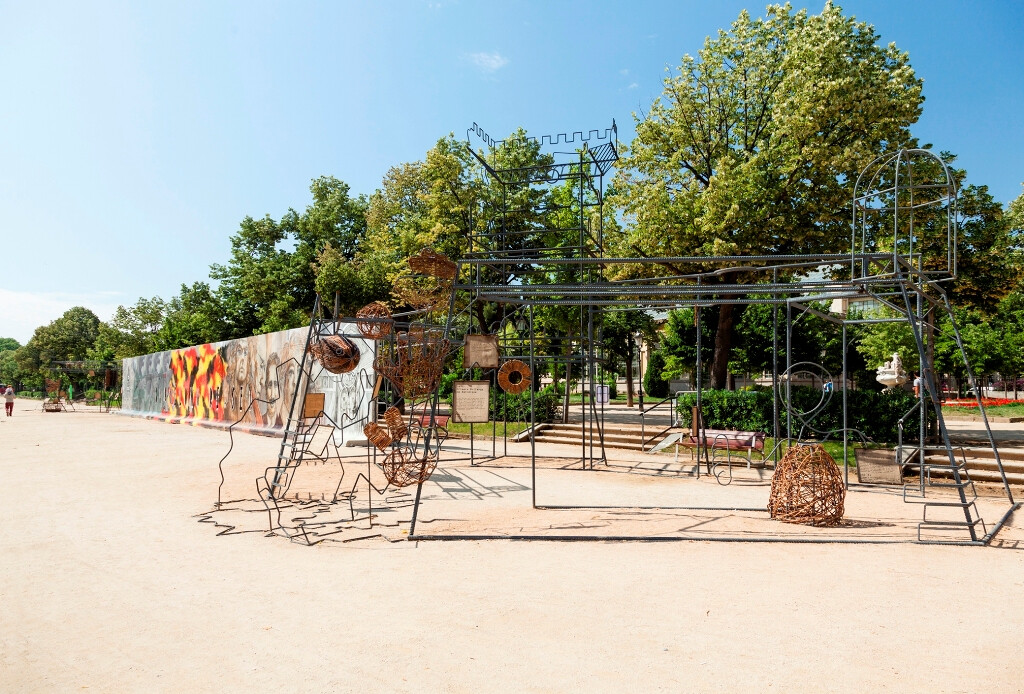
The architect Benedetta Tagliabue (EMBT/Fundació Enric Miralles) and the stage director Àlex Ollé (La Fura dels Baus) are organising a significant intervention in the city this year. In the context of the commemoration events encompassed in the Tercentenary BCN programme, some of Barcelona’s most symbolic public spaces will change thanks to a set of artistic and architectural installations that propose a reflection upon such concepts as identity, freedom and democracy. The first installation will take place in May in Ciutadella Park. Inspired in the old city wall and its subsequent destruction, this action by Benedetta Tagliabue and Àlex Ollé will symbolise the recovery of the city by its citizens. The idea of reconstruction and destruction of the rampart and of the walls of the world will make way for the creation of six ephemeral installations designed by six international architects, in conjunction with Barcelona’s leading schools of architecture and design. They will be erected in Plaça dels Àngels, Plaça de Salvador Seguí, Plaça de la Mercè, Plaça Nova, Plaça del Mar and Arc de Triomf. Studio Odile Decq, Peter Cook and Yael Reisner, Grafton Architects, ETH Zürich & Urban–Think Tank, Anupama Kundoo and Urbanus are the guest architects from France, the United Kingdom, Israel, Ireland, Switzerland, Venezuela, Australia, India and China. Some of the city’s schools of architecture and design will play host: La Salle (URL), ESARQ (UIC), IAAC and ELISAVA (UPF). And, in addition to these institutions, other participants will include the Institut del Teatre and various international schools of architecture and design, which will all work together on this educational, architectural and artistic initiative. On too many occasions we forget that the city, that space bordered by walls which mark the interior and exterior of our privacy and which we inhabit in complete oblivion, is the place we must think of as the setting for “social drama”. Seen like this, the wall turns into a different reality, one we could consider a reflection of our fears. With walls we protect what we love most. Our walls, the walls of our homes, safeguard our dreams from “others” (a word as imprecise as it is disturbing). But when we think of ourselves as a community our individual, familiar dreams become entangled with those of our friends, of our neighbours, with the dreams of those for whom we feel an affinity, a certain empathy, for professional reasons, economic reasons, historical reasons, or social reasons. When they guard the dreams of us all, these walls become ramparts.









 Editor's Pick
 Latest Design