Text description provided by the architects
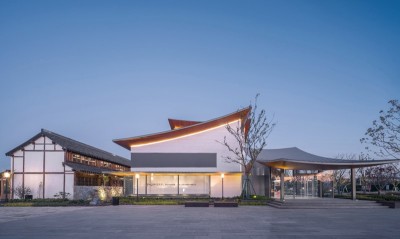
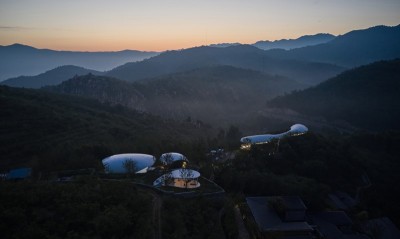
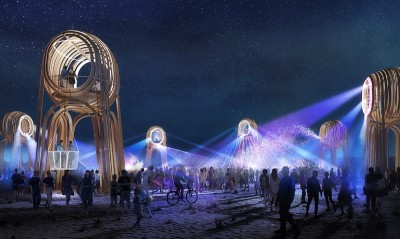
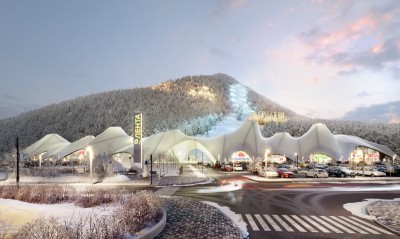
Cultural transmission and iteration are a necessity in an age of fragmented information. From the Nianhua Bay wetland in Wuxi to Mount Taibai Tang Town, Sekoi's understanding and practice of cultural landscape keeps evolving, and Tang Town is a new breakthrough: landscape is not a mechanical transplantation but a response to people's inner needs, in line with Sekoi's value of creating human activity spaces with sustainable vitality and value. Standing in the user's shoes, the team interprets the taste of landscape culture and awakens mutual recognition between culture and design. Nianhua Bay was Sekoi's practice of Zen-inflected Chinese cultural landscape, a natural-humanist-lifestyle resort pursuing body-mind-spirit experience. Years later, Tang Town is a more demanding Chinese cultural project: drawing on the success of Nianhua Bay, the team takes Tang culture as content and the traditional Chinese garden as the carrier. To match the landscape-and-field life of high-Tang literati, the design draws inspiration from Wang Wei's Wangchuan Villa, rebuilding the ideal mountain-field retreat. Poets poured all their talent into verse to describe the high Tang, and the designers act as those poets, bringing the idealized Tang pastoral into reality. Within the long history of Chinese gardens, the project asks what distinguishes Zen-inflected landscape from Tang cultural landscape, and Tang Town offers an answer: through a sequence rooted in Chang'an and Taibai, beginning with Lu Zhaolin's ancient Chang'an, it stages a contemporary Tang pastoral that is scholarly rather than theatrical, a living landscape rather than a theme park.




 Editor's Pick
 Latest Design