Text description provided by the architects
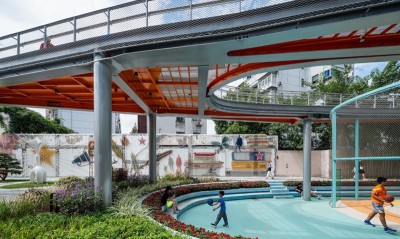
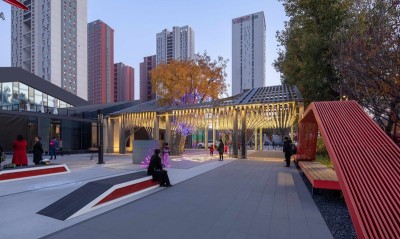
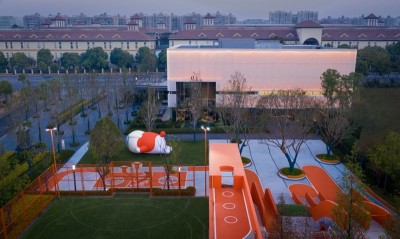
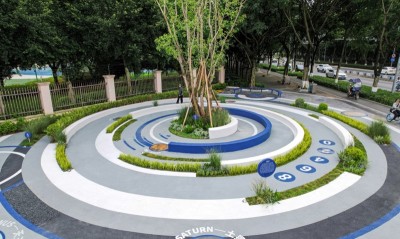
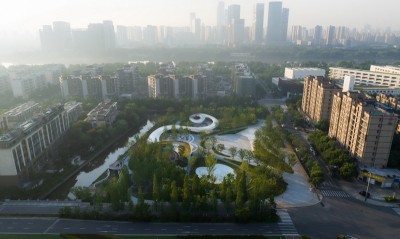
Urban renewal aims to embed design organically into citizens' daily life, reshape street space and unlock the vitality of a place. Yunji Road in Xiling District, Yichang, is the city's most important urban artery. In complexity science a city is a living system, and every city has one road that, by its location and history, acts as its neural center; for Yichang, that road is Yunji. Yunji began in 1917, four decades after Yichang opened as a treaty port and grew from a river town into a modern city; the Sichuan-Han railway brought workers and merchants together, and the railway director built a chamber-of-commerce building here, giving the street its name, gathered clouds. From 1983, when the upper and lower sections were opened through, Yunji, between East Hill and the Yangtze, became the city's axis of governance, economy, culture and everyday life. On first site visit, however, the street looked aged: decades of weather had worn outdoor facilities and street corners, and a road reconstruction from seventeen years earlier no longer met current needs; despite an International Trade Center at one end and a riverside park at the other, the 1.5 kilometers of street-front shops in between had lost their trade. The renewal by HID Landscape treats the road as a soft civic boundary: pocket gardens under existing old trees are preserved, street corners are activated, and the design embeds itself in daily life rather than staging a spectacle, so that the historic central axis of Yichang recovers its role as a living, walkable public realm. The project is a model of organic urban renewal, in which landscape is not imposed but woven into the routines of the city.




 Editor's Pick