Text description provided by the architects
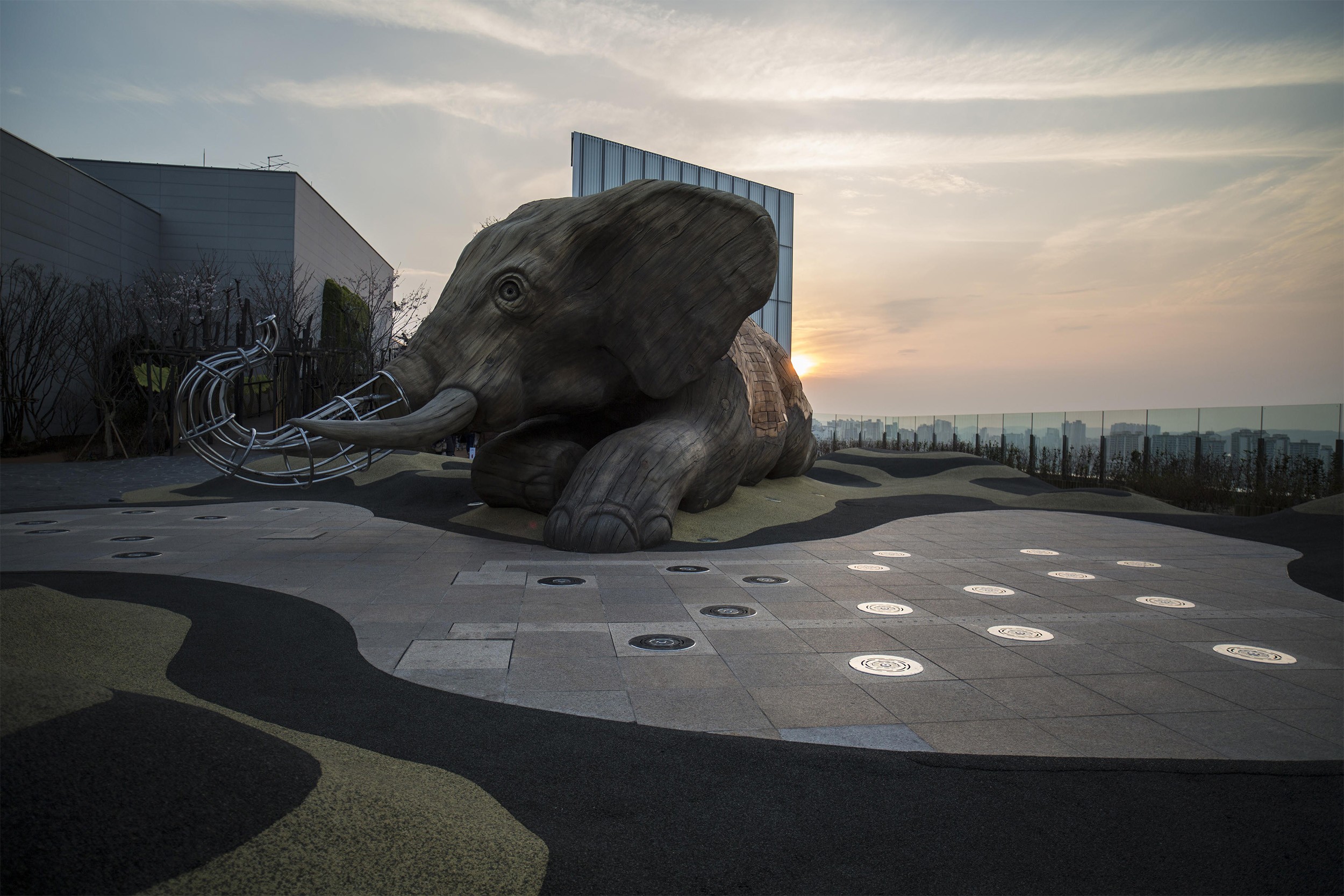
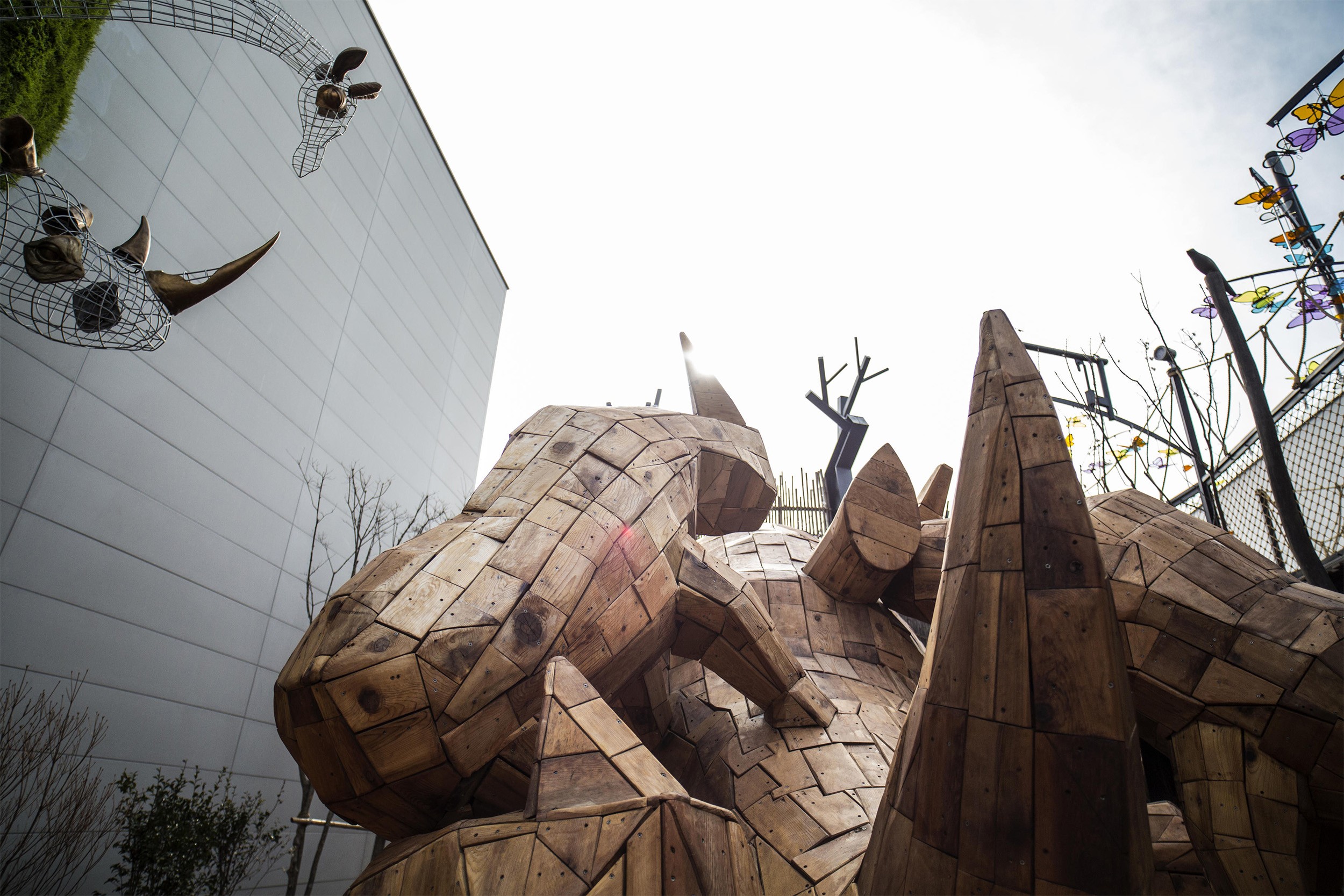
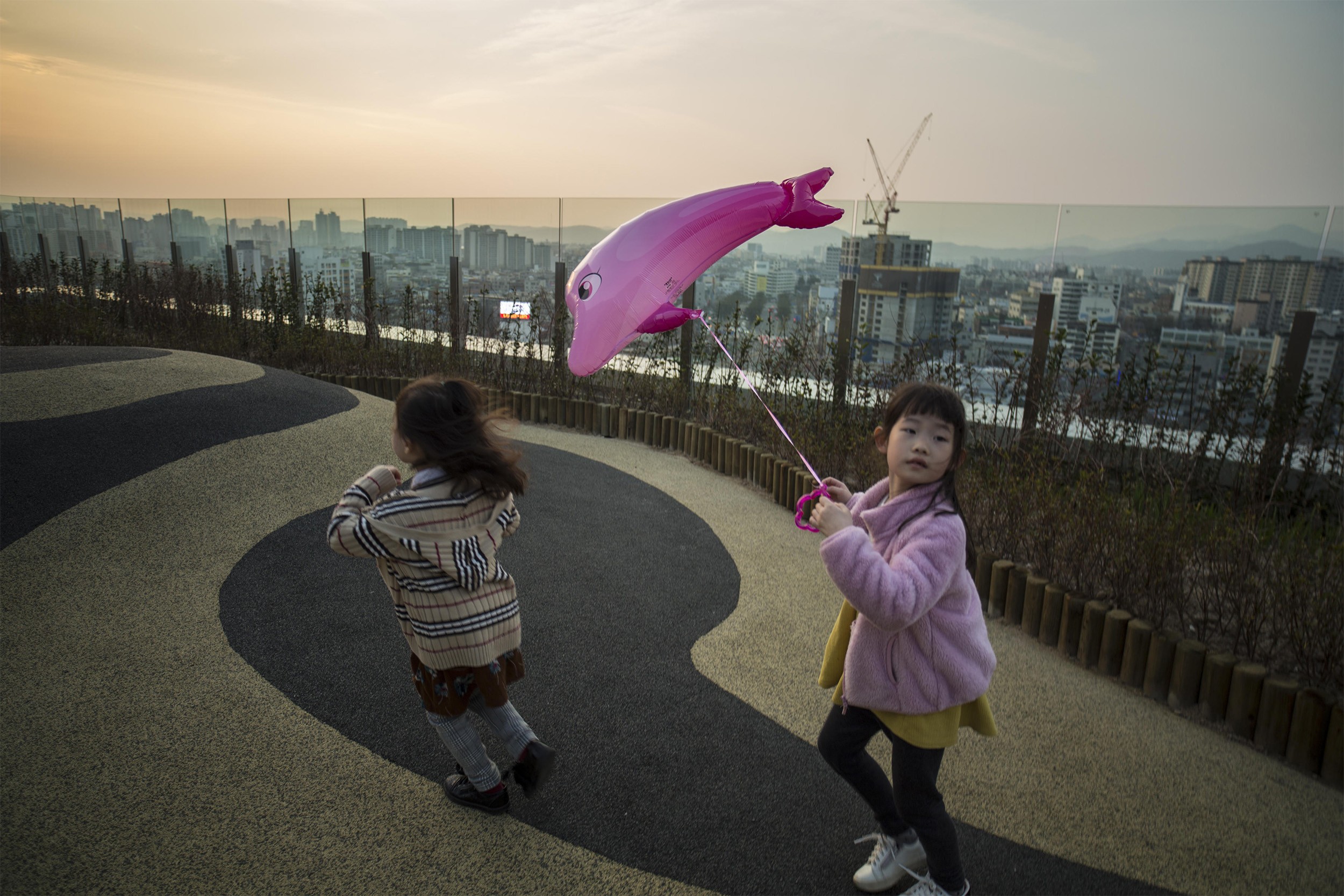
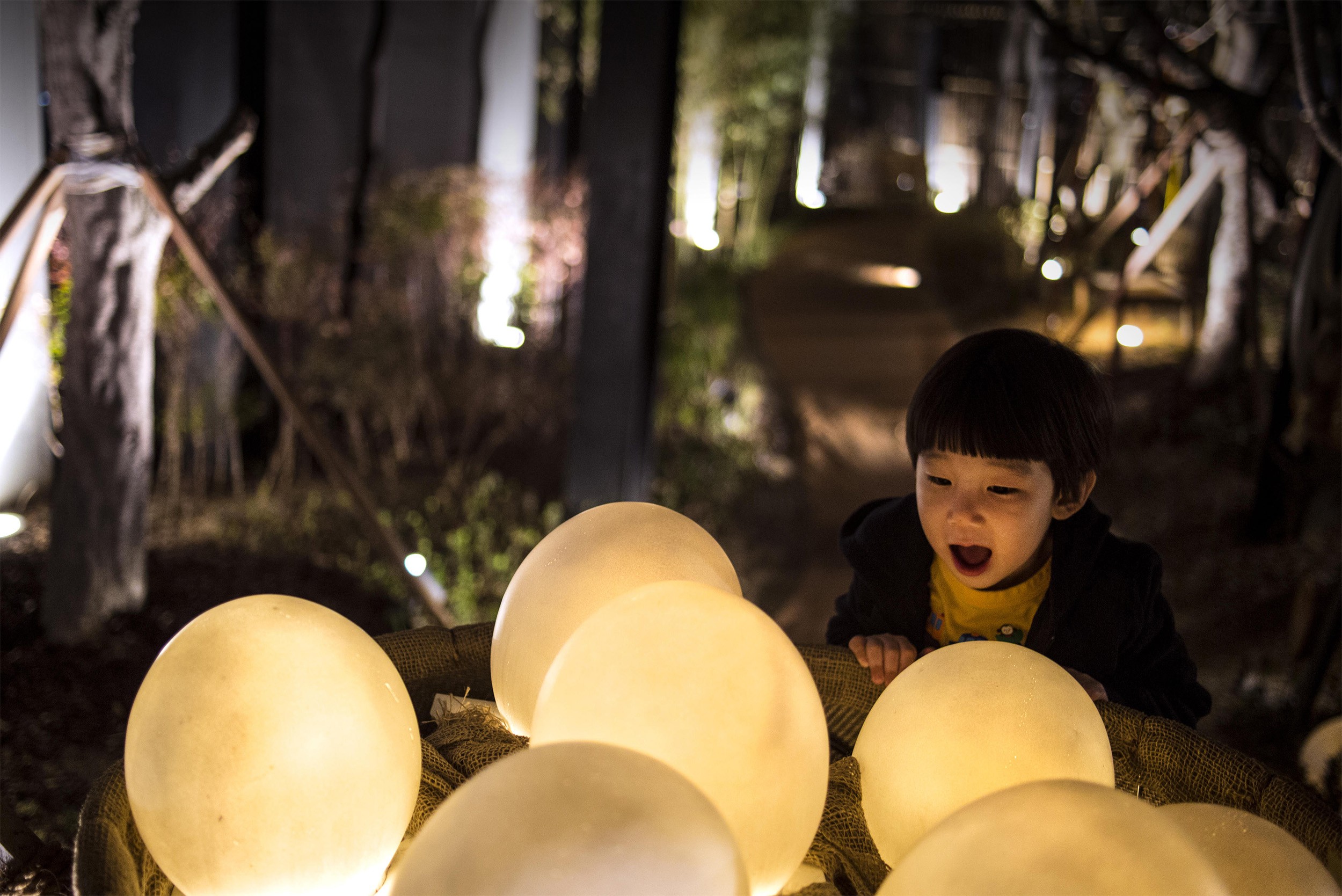
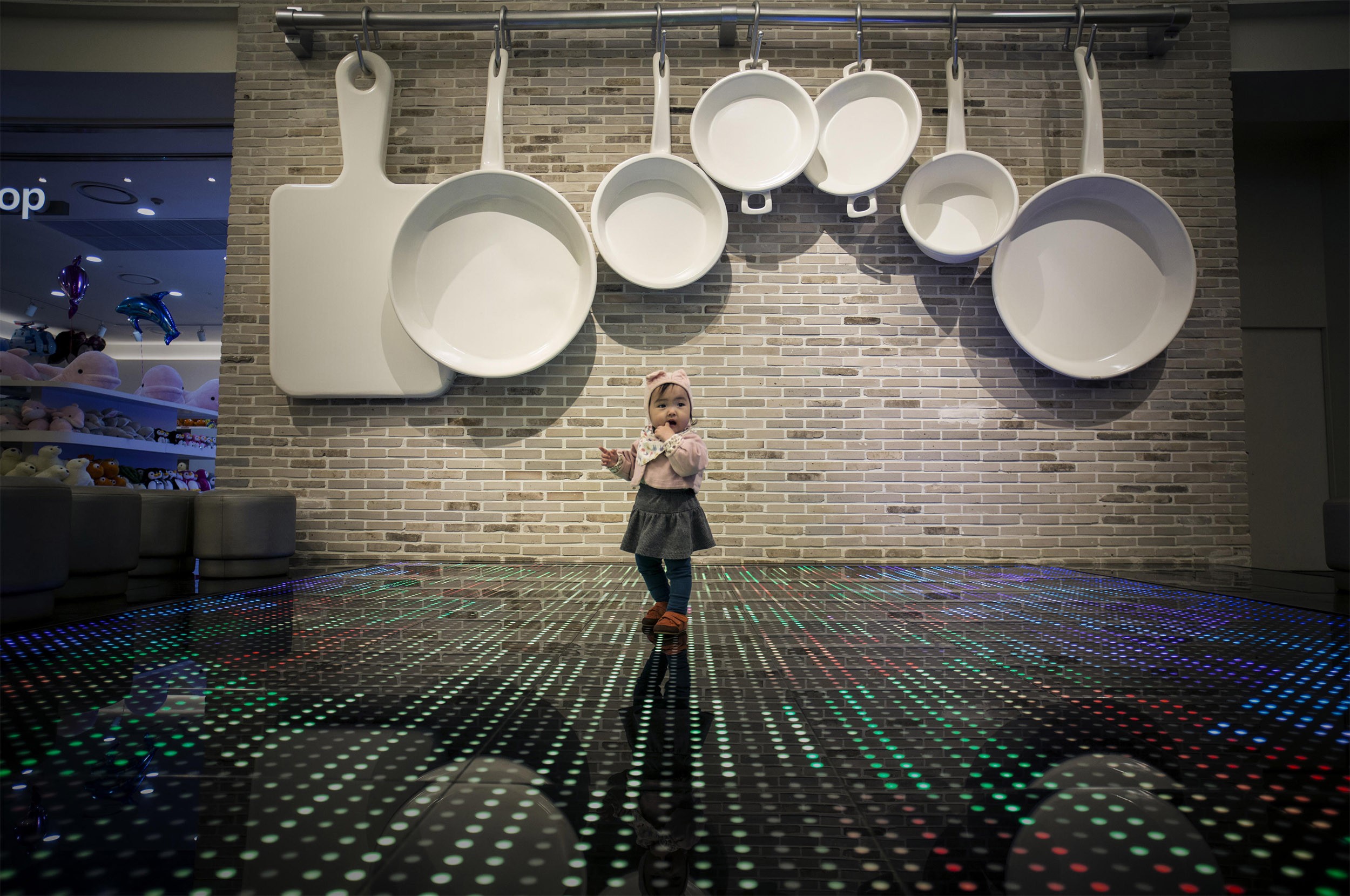
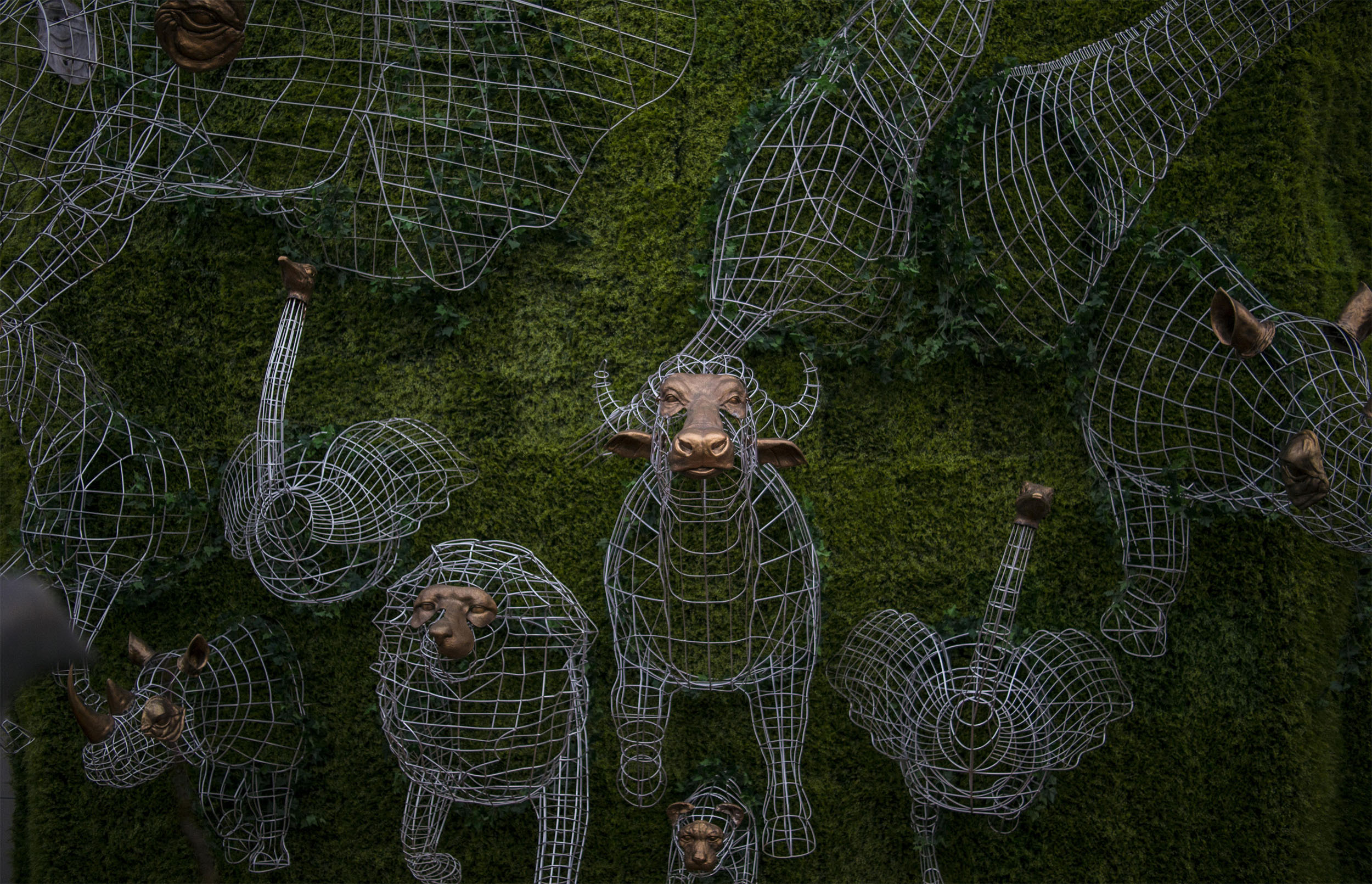
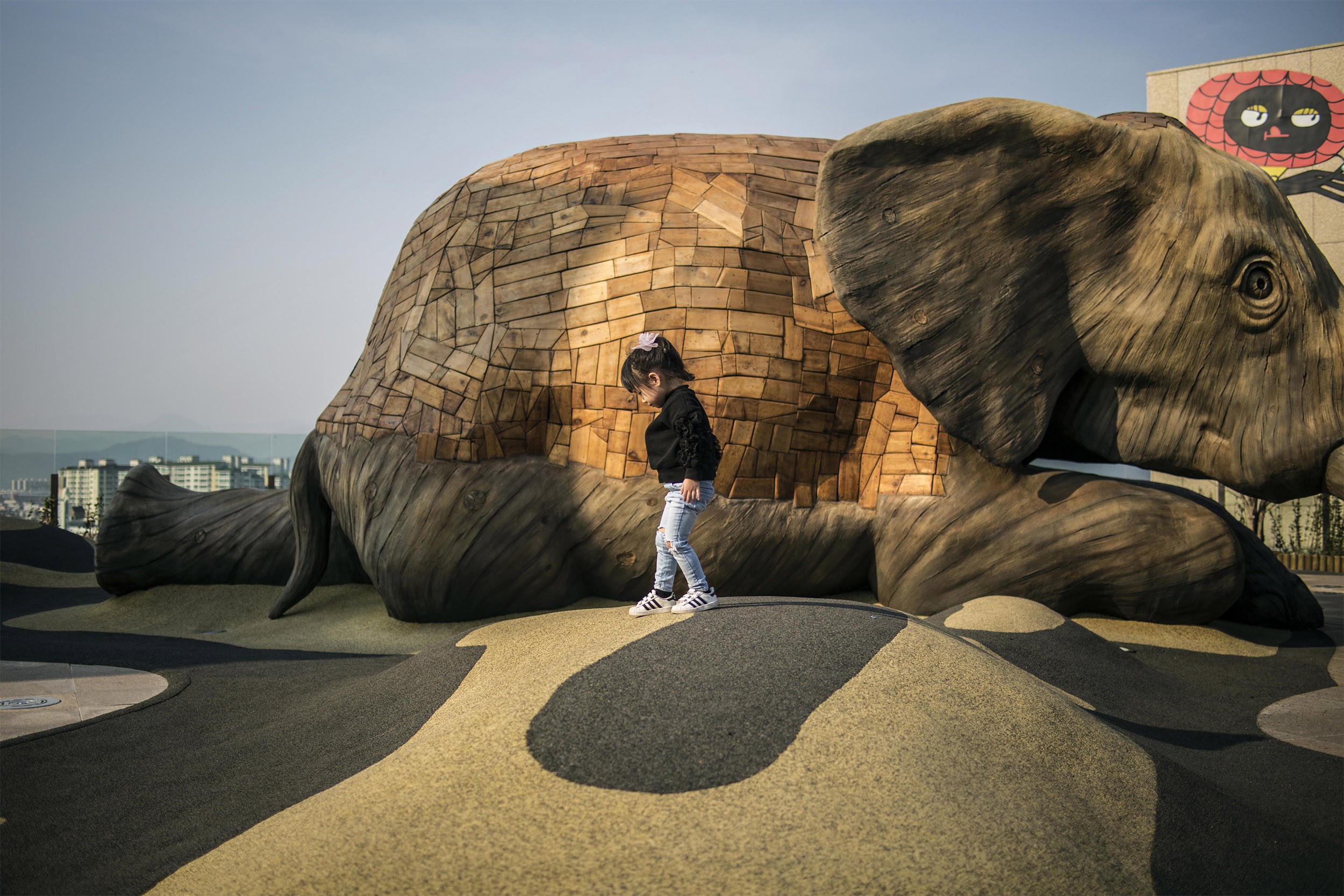
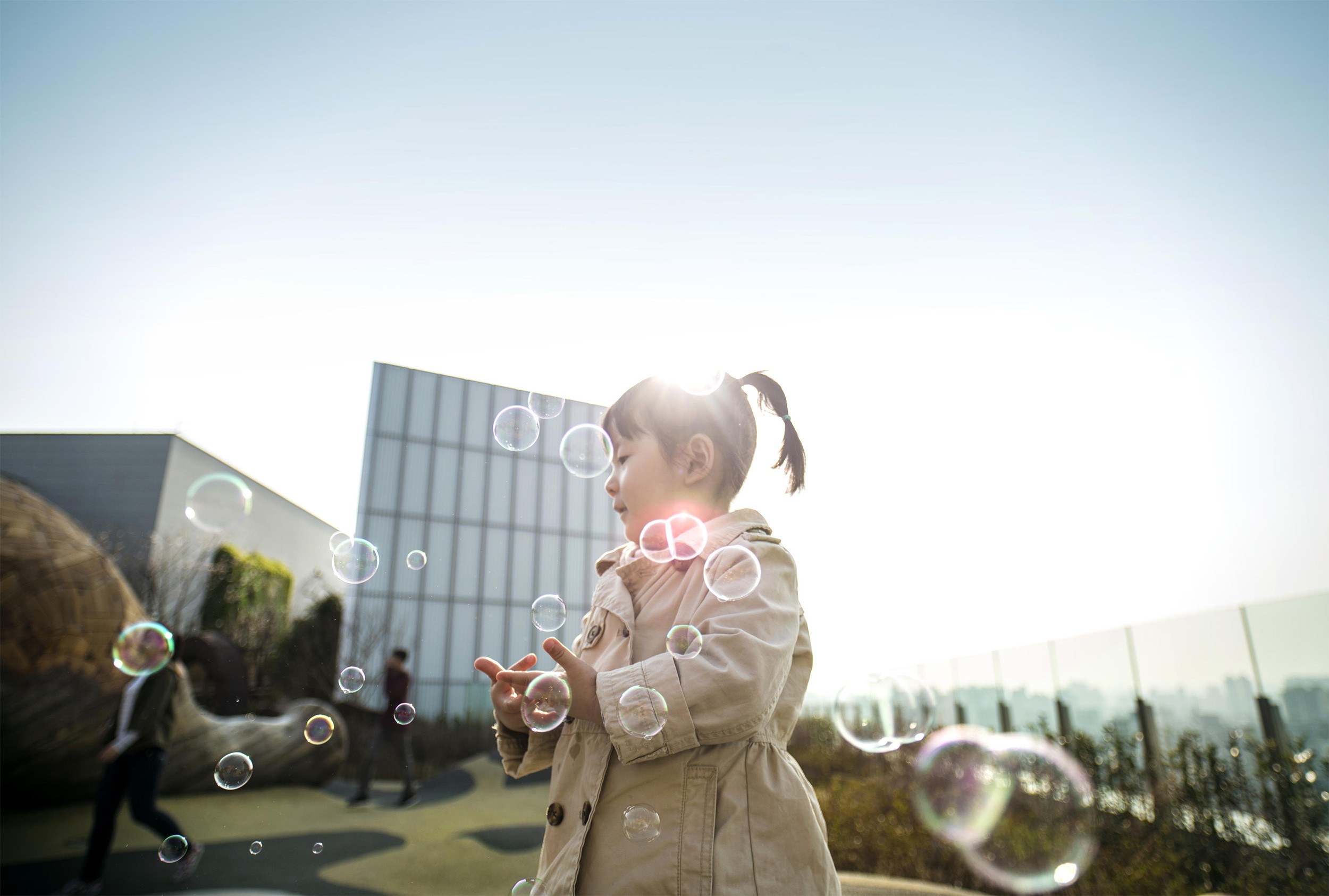
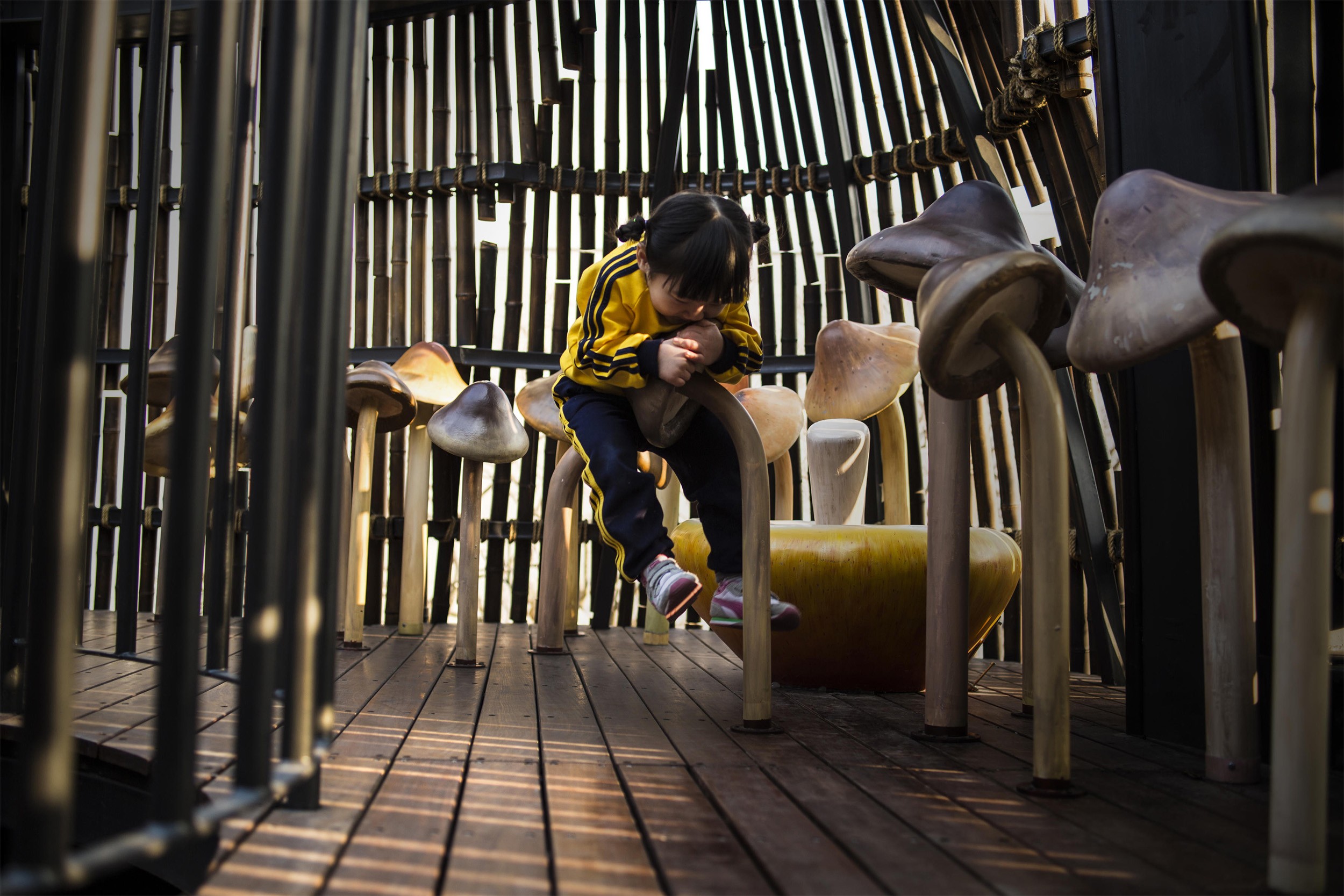
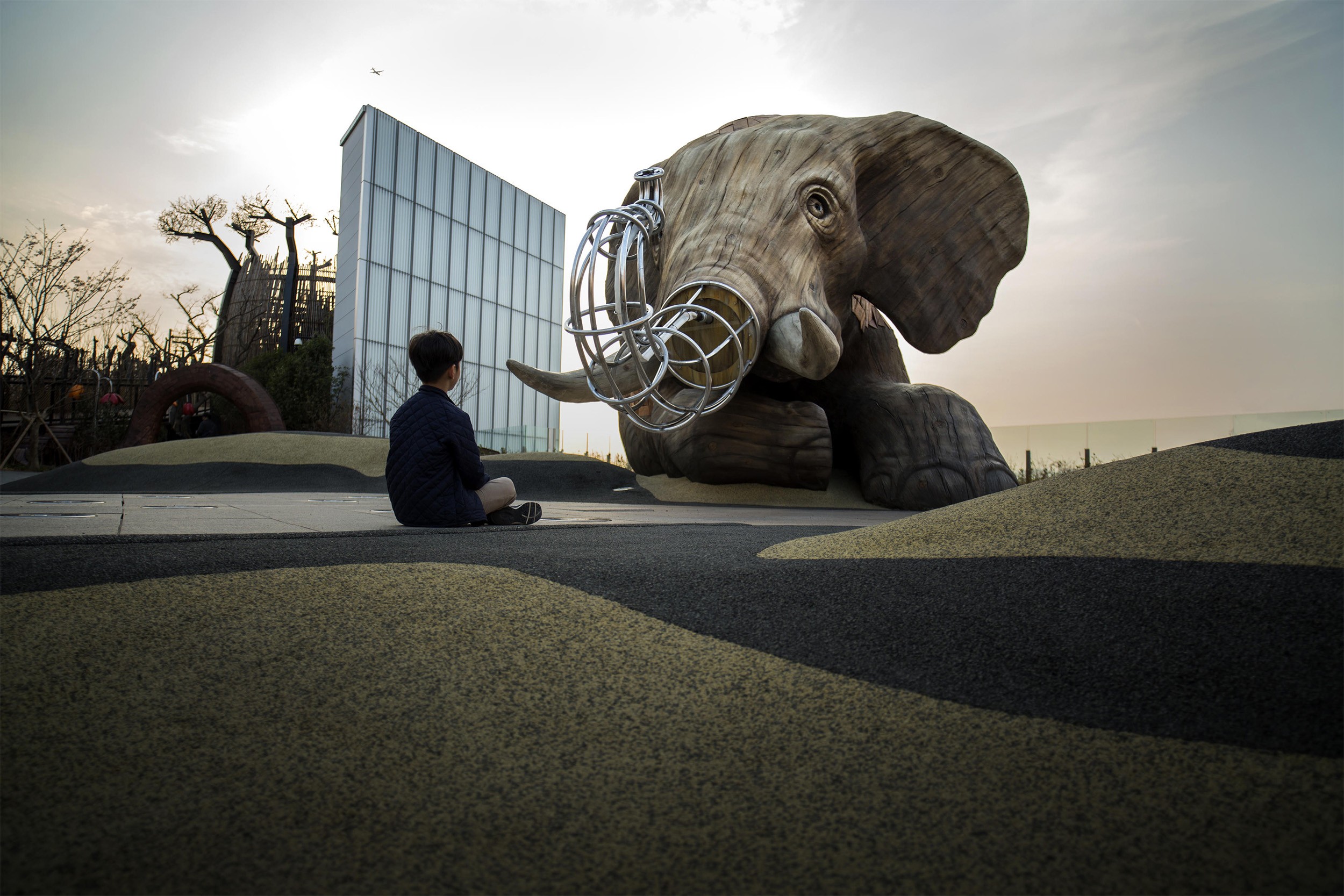
This rooftop park in South Korea immerses children and families in a life-size story of wonder through the melding of architecture, exhibits, narrative and found objects that transcend culture to inspire. Photo©:Austin Wilson TheZooraji Rooftop Garden in Daegu, South Korea, is the third in a series of roofscapes that Design Principal Alan Maskin has created in the country. Zooraji explores aspects of scale and storytelling through an interactive set of outdoor experiences. Located on the 9th floor of a shopping and transit center, the rooftop park is an urban oasis with unusual and engaging spaces for visitors to explore. Photo©:Austin Wilson Photo©:Austin Wilson Inspired by the Aesop fable The Town Mouse and the Country Mouse, Maskin designed the park to be an immersive fantasy world that blurs the boundaries demarcating architecture, exhibits, landscape and narrative. Photo©:Austin Wilson Photo©:Austin Wilson Throughout, a skewed sense of scale makes young visitors feel like the mice in the Aesop tale as they play in and among oversized animal sculptures, towering treehouses, interactive water features and live baobab trees. Photo©:Austin Wilson Photo©:Austin Wilson Many of the animals are handcrafted from re-purposed and found objects such as wine casks and car parts. Photo©:Austin Wilson Photo©:Austin Wilson Reality and fantasy become blurred in the active outdoor play space, with live shrubs, bushes and climbing plantsinterspersed with artificial climbing boulders, fiber-reinforced plastic fungi and steel-and-bamboo treehouses, transforming the rooftop into an allegorical playland. Photo©:Austin Wilson Photo©:Austin Wilson Photo©:Austin Wilson. The project reflects a contemporary approach to public architecture and workplace design that balances programmatic efficiency with a strong sense of place, using material honesty, natural light, and spatial flexibility to support the evolving needs of occupants. Its successful delivery demonstrates how thoughtful design can align commercial or institutional goals with the well-being of the people who use the space on a daily basis.





 Editor's Pick
 Latest Design
 Best Idea


