Text description provided by the architects
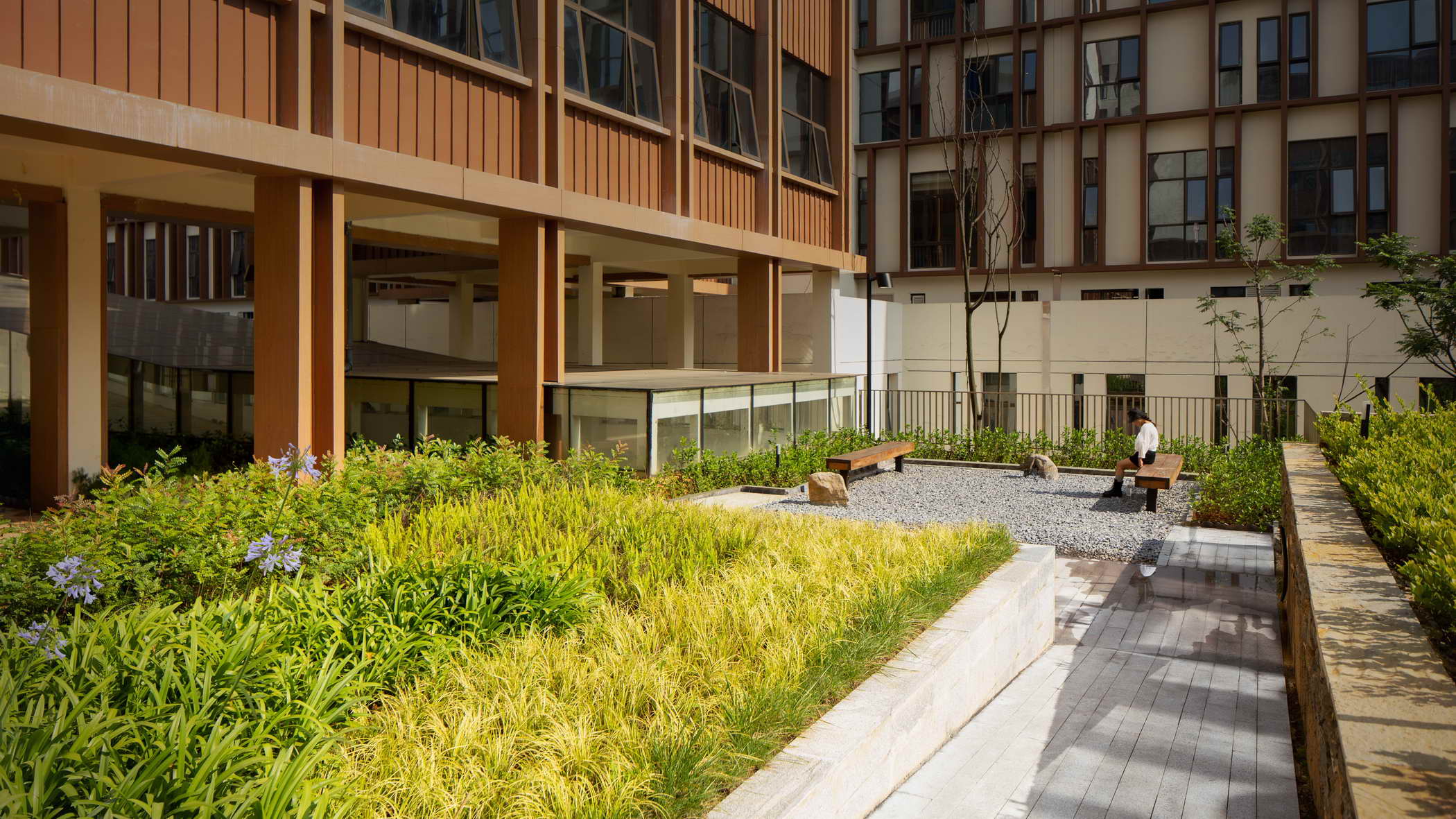
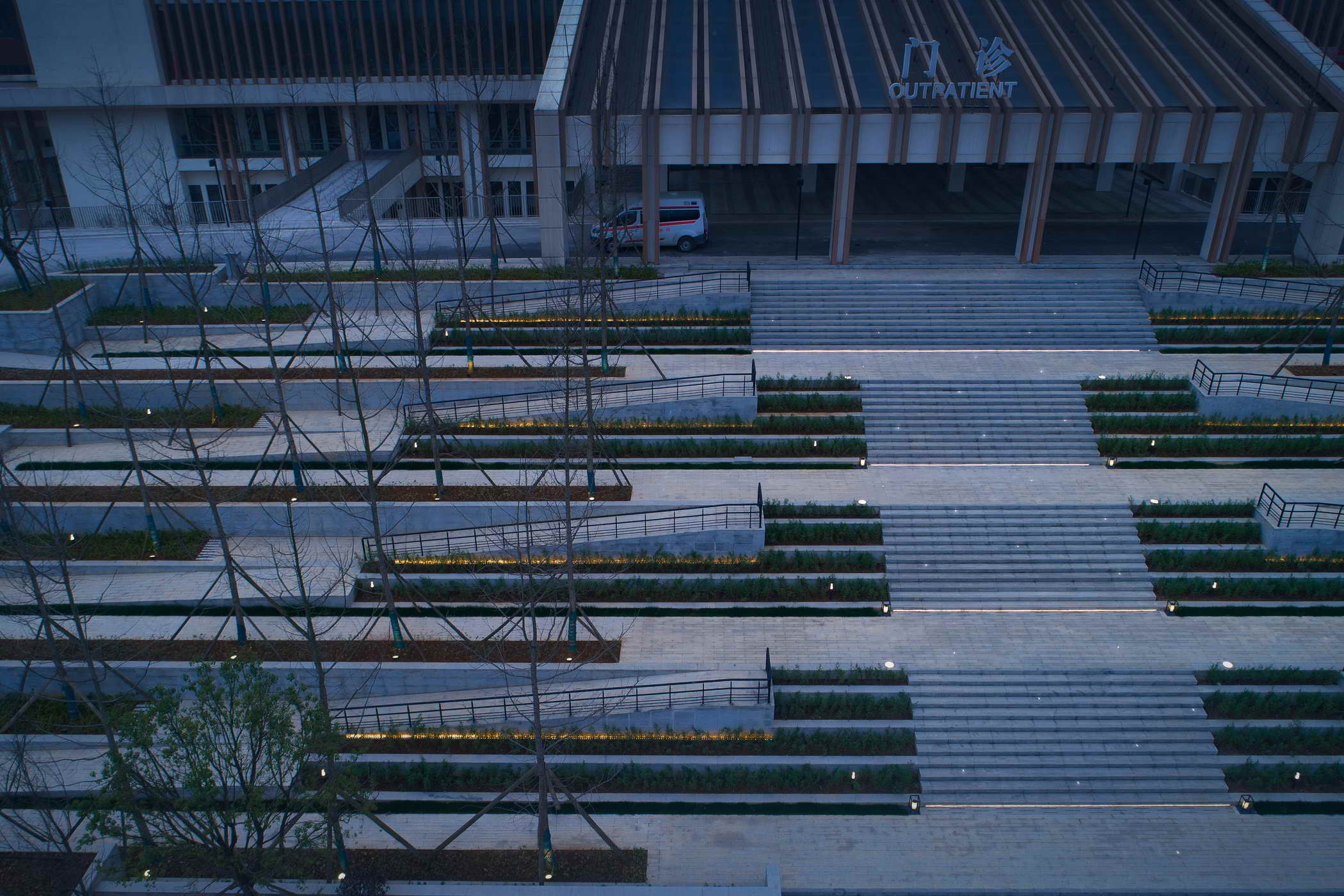
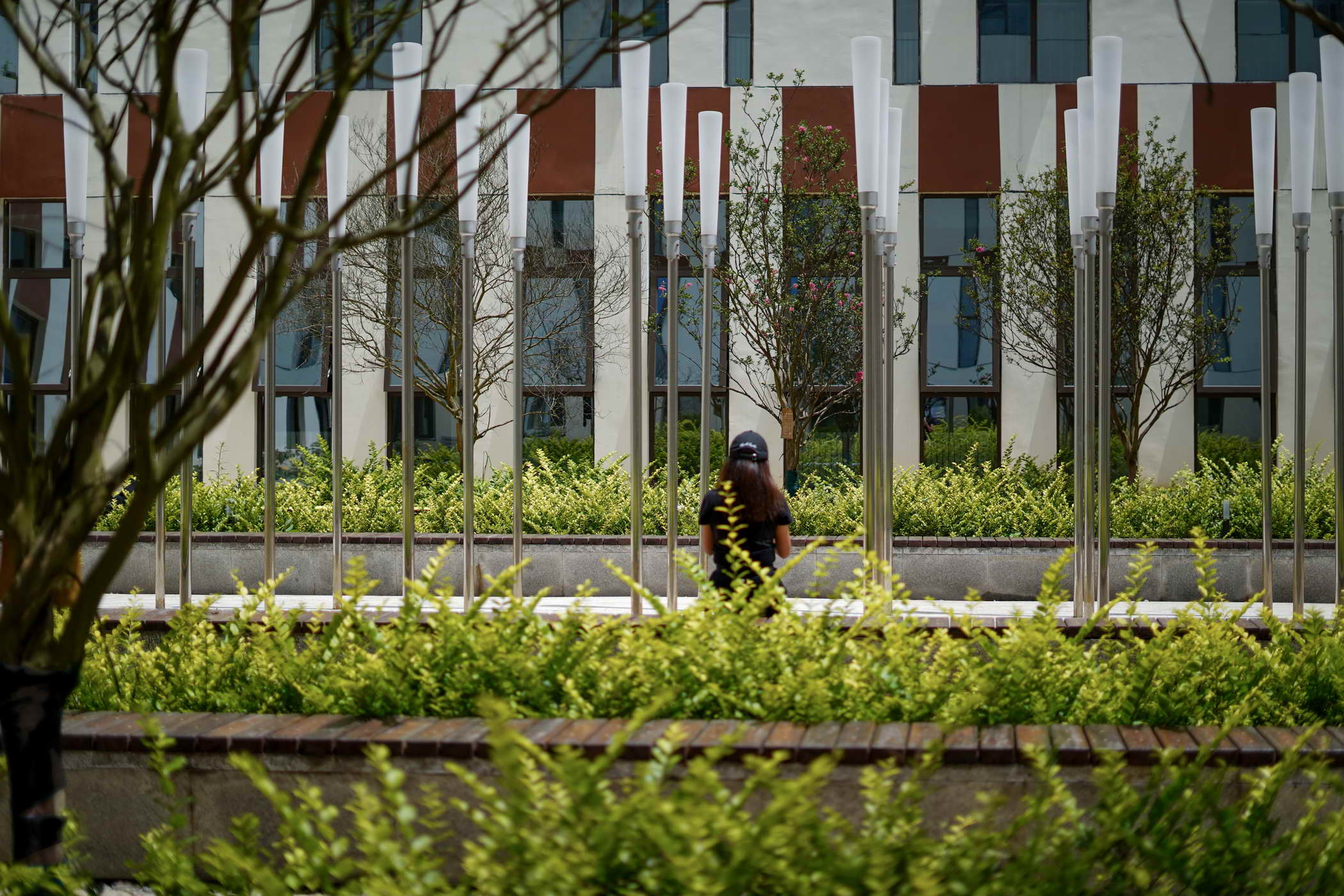
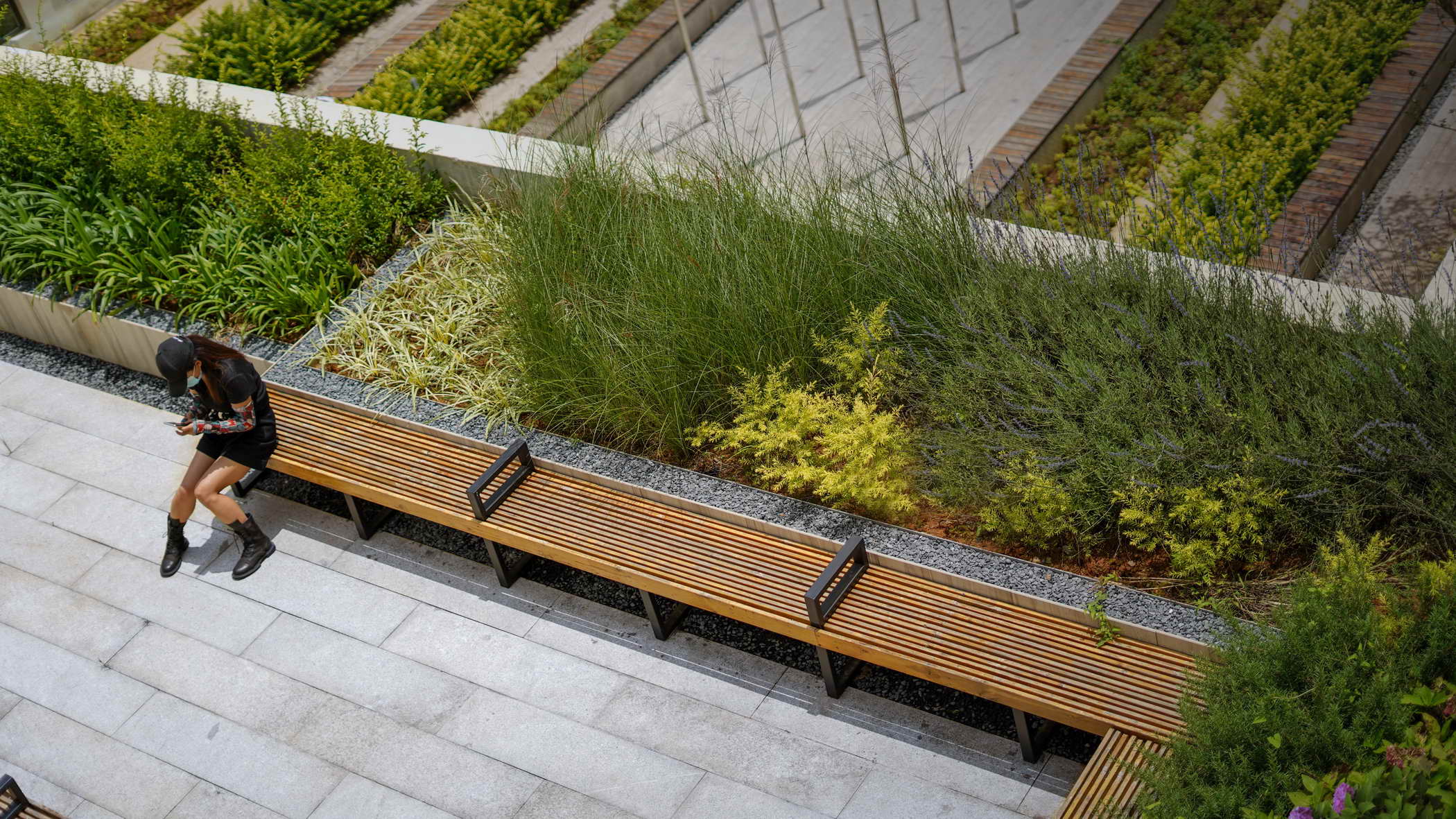
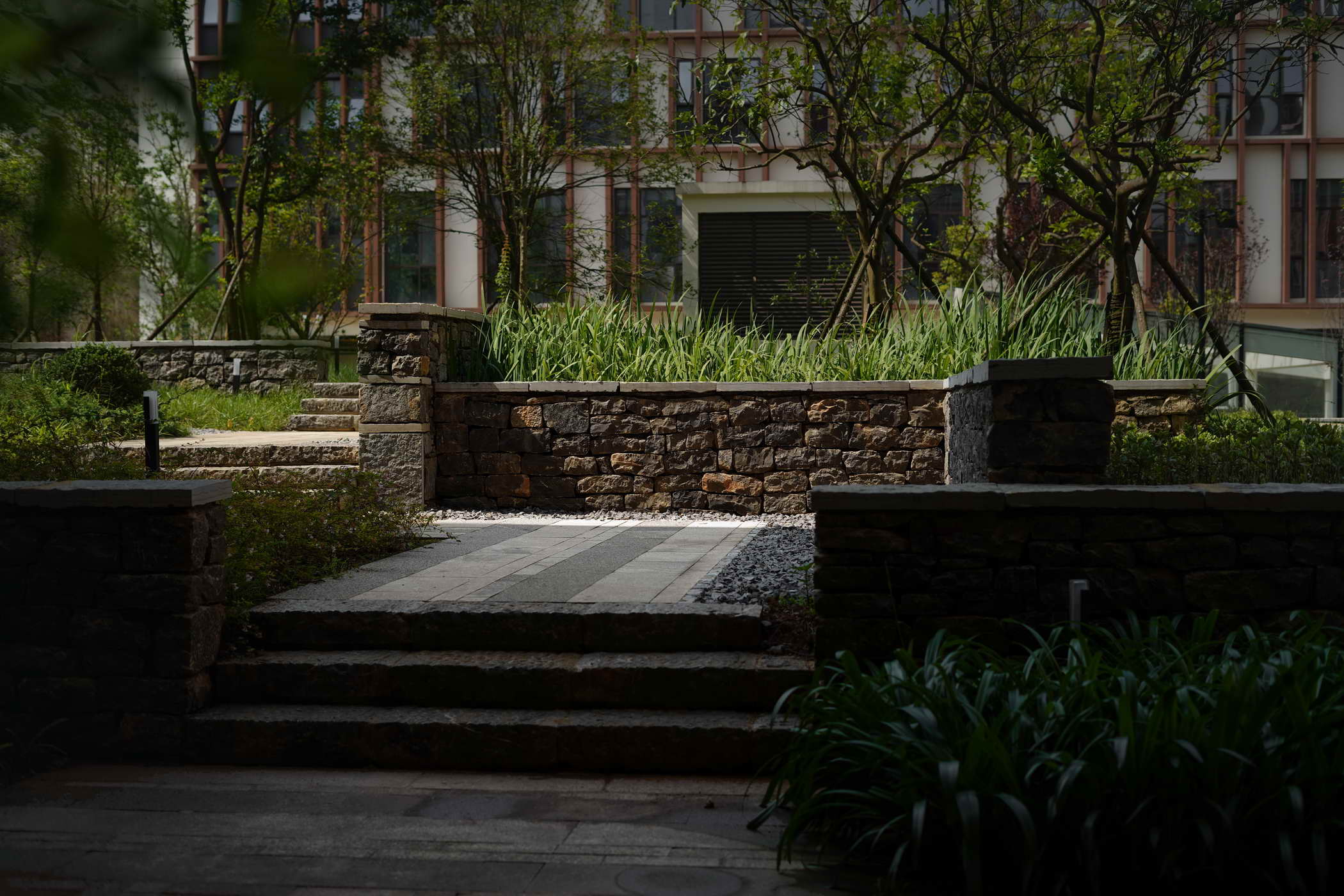
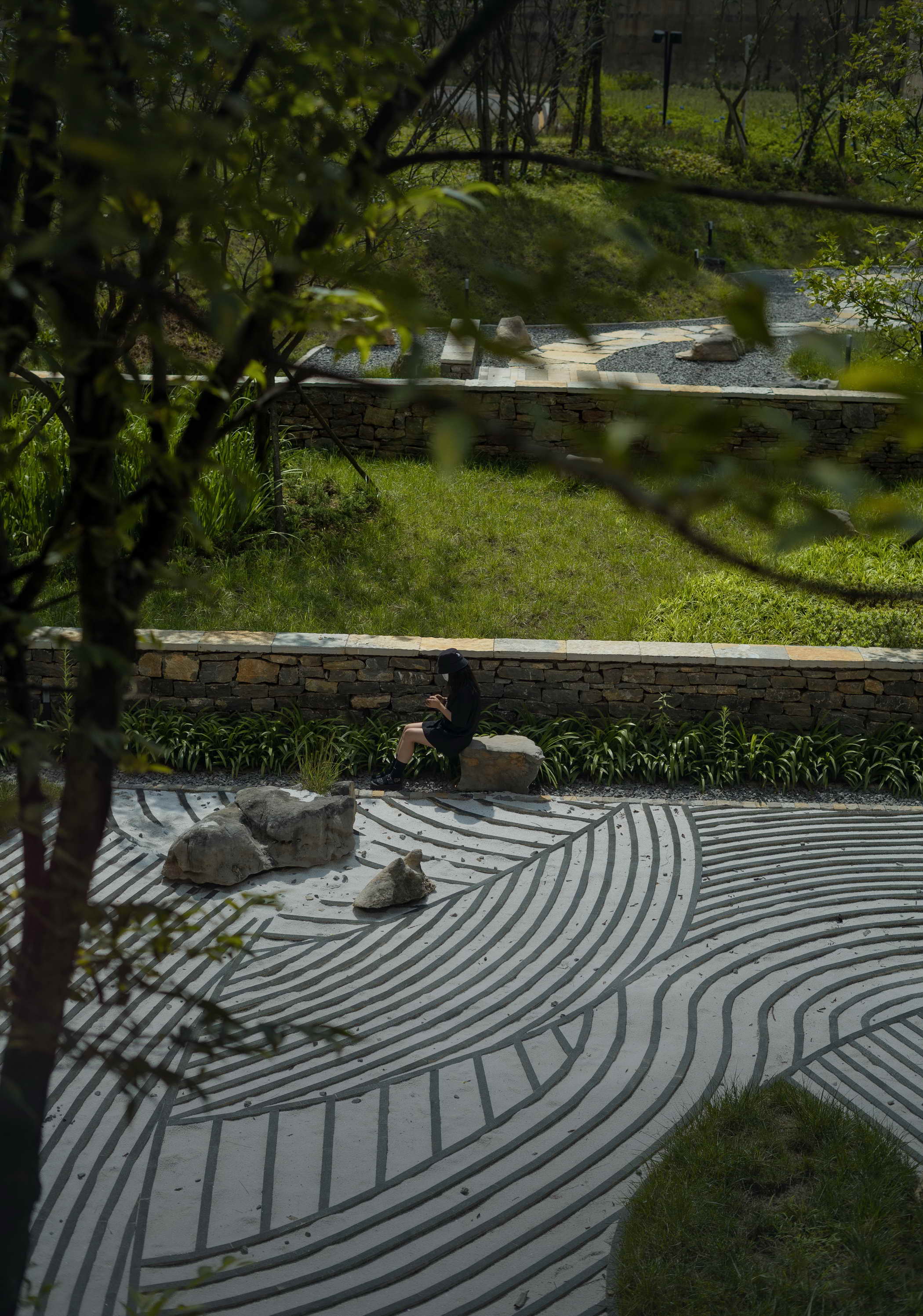
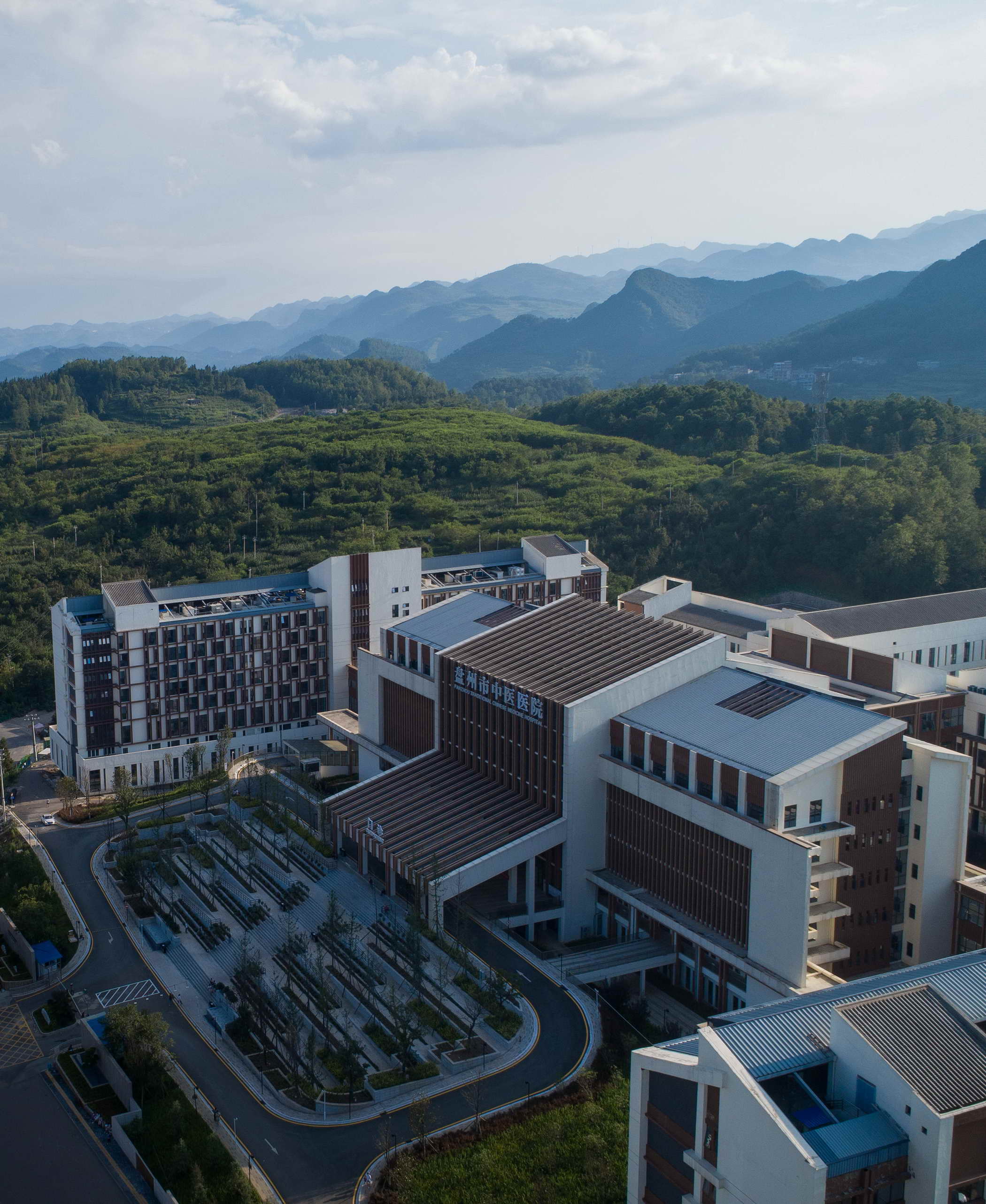
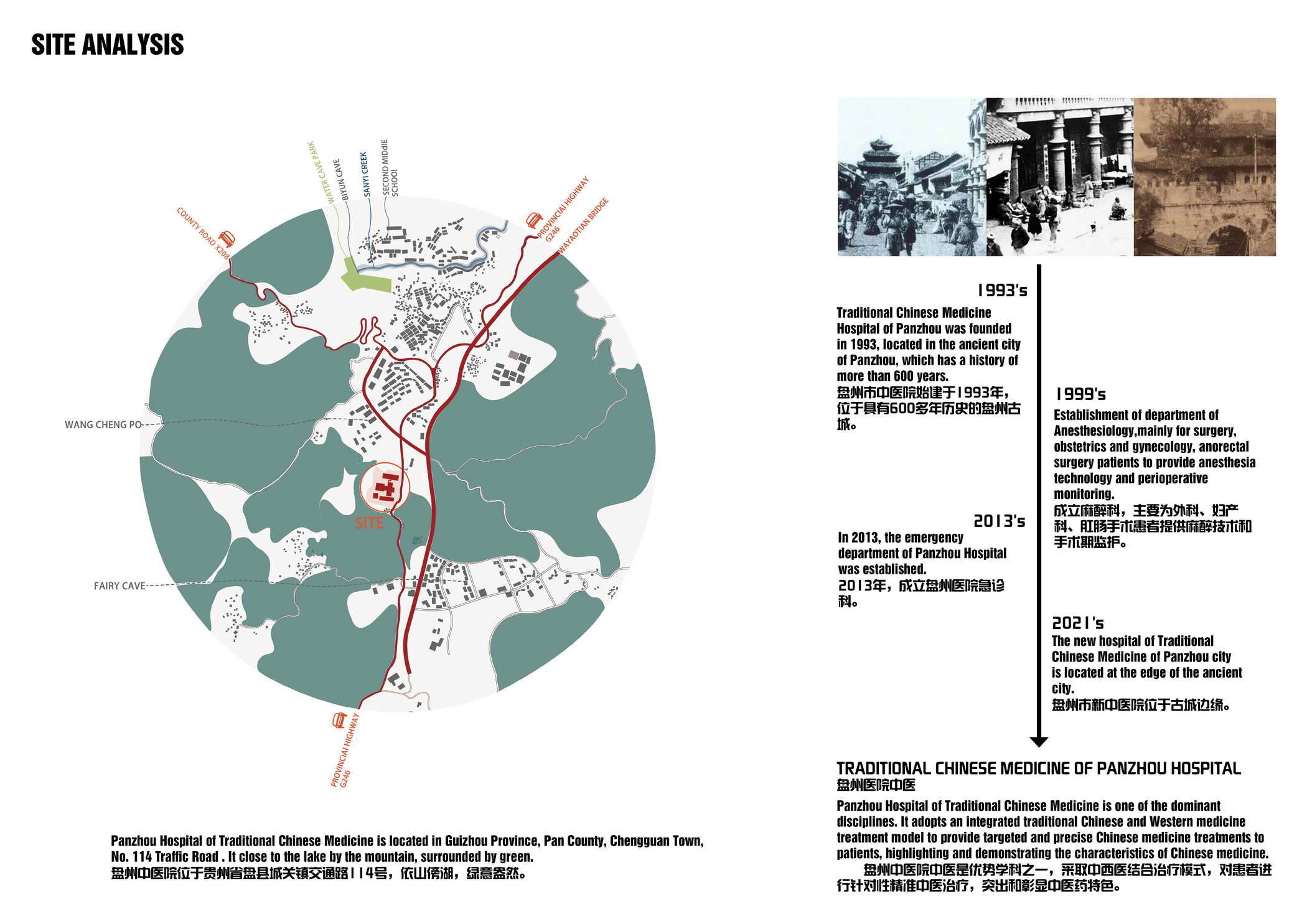
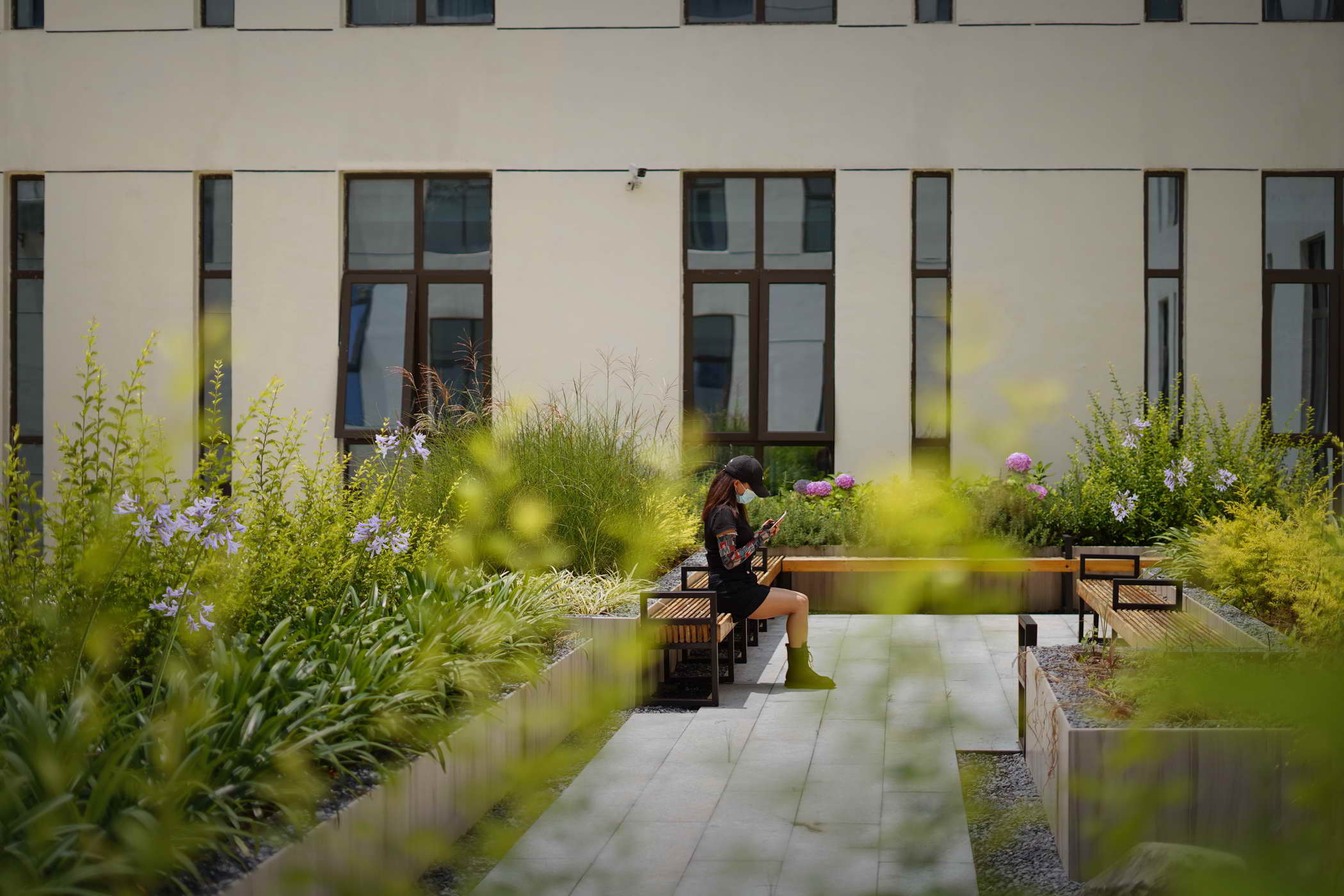
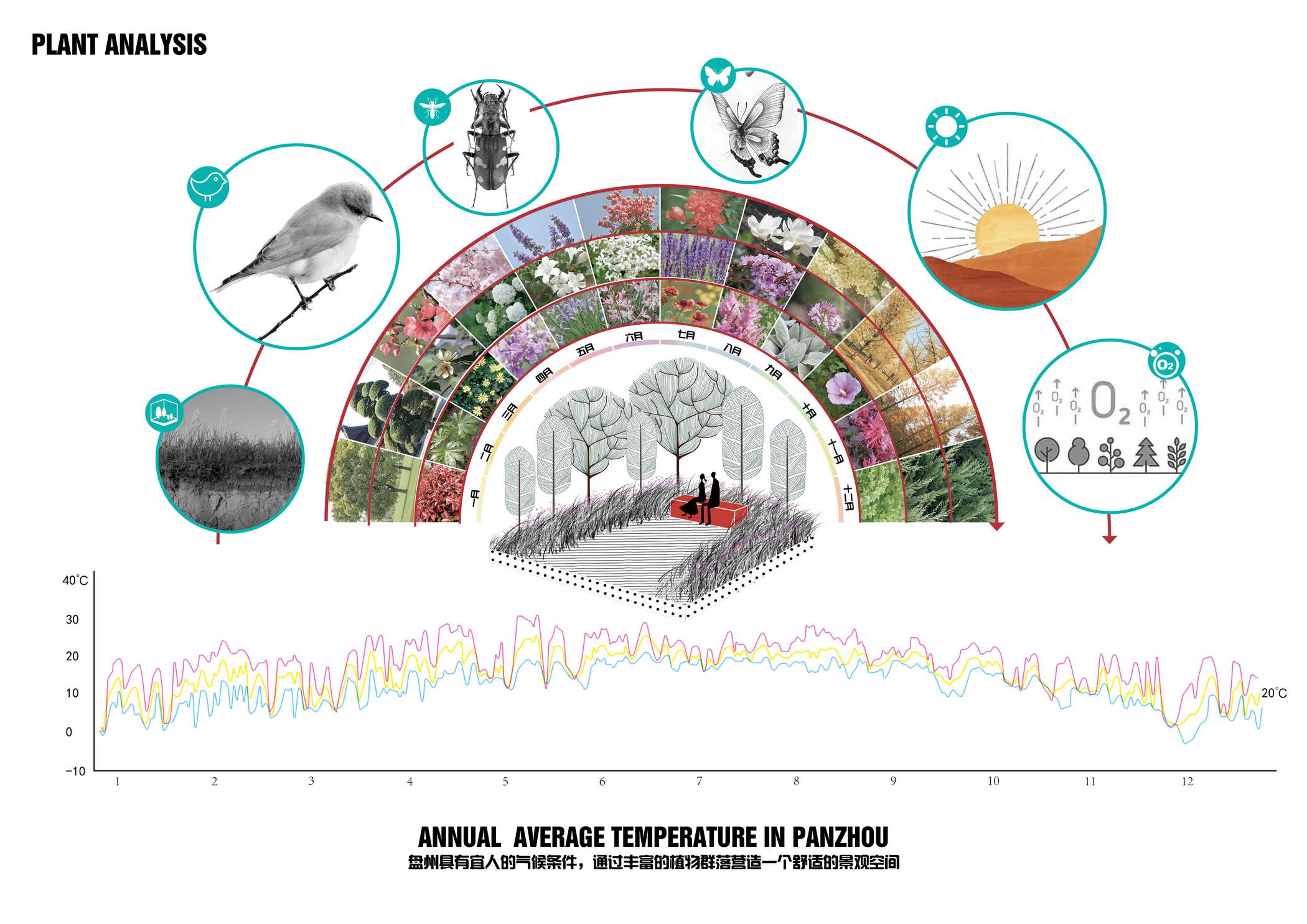
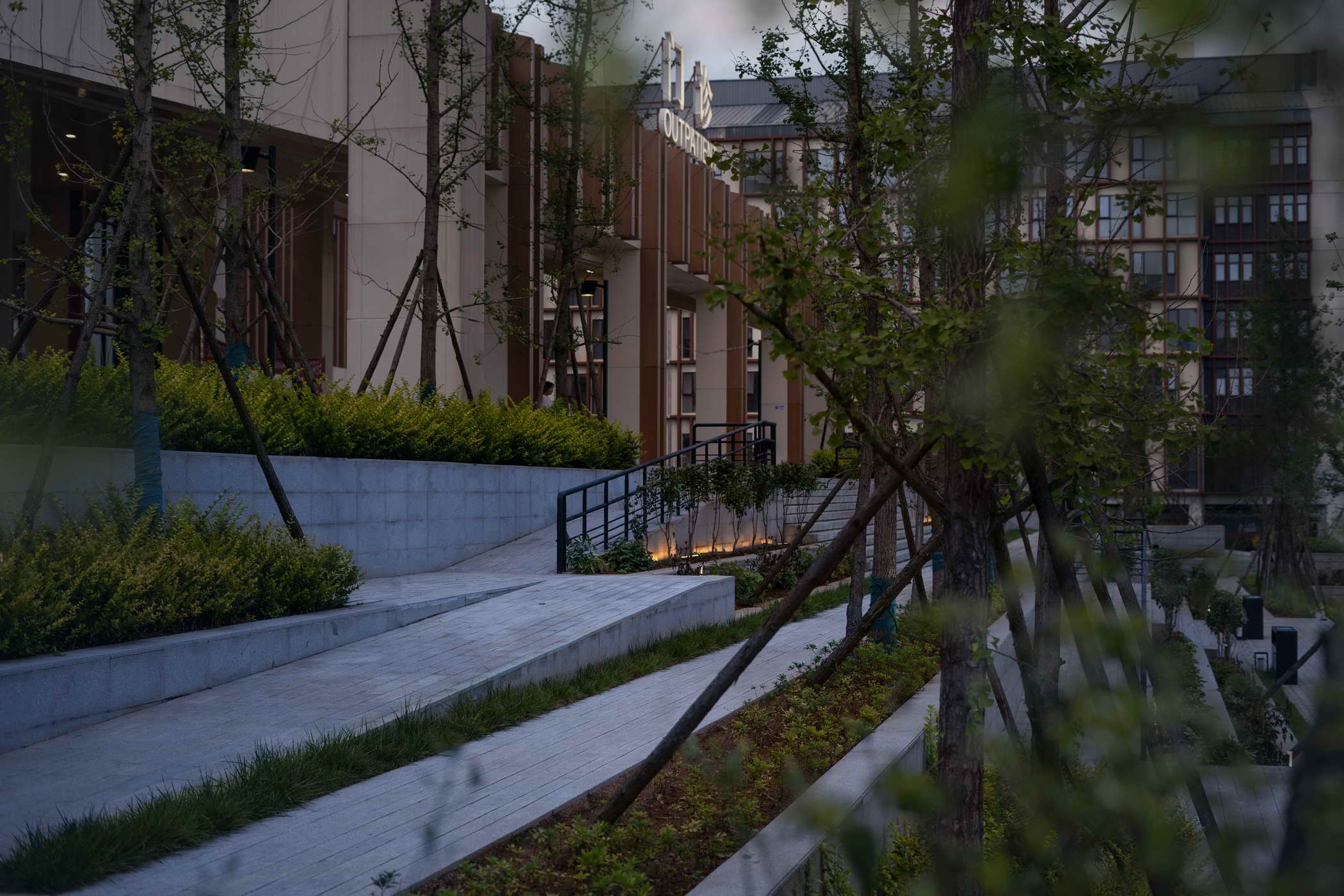
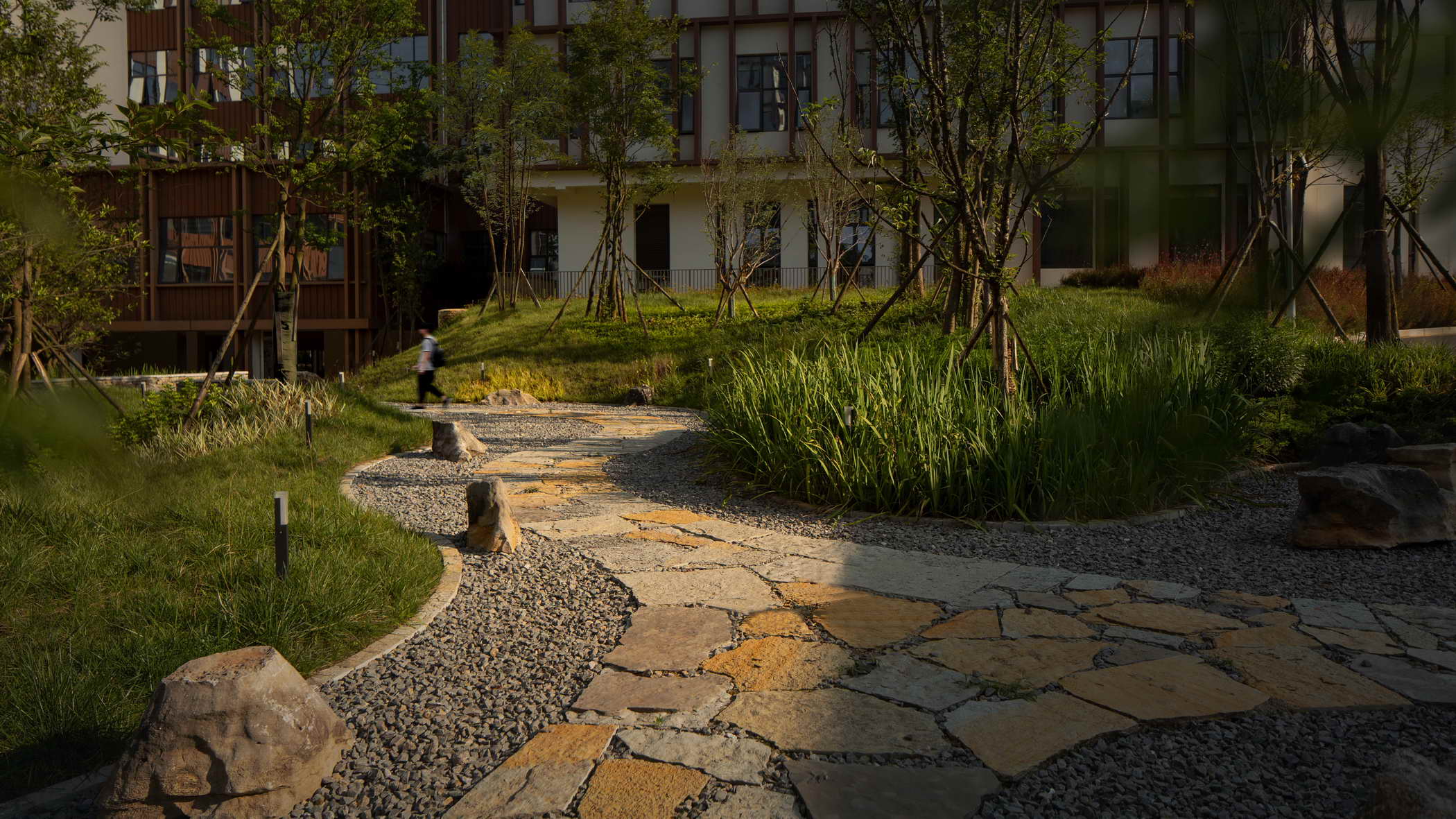
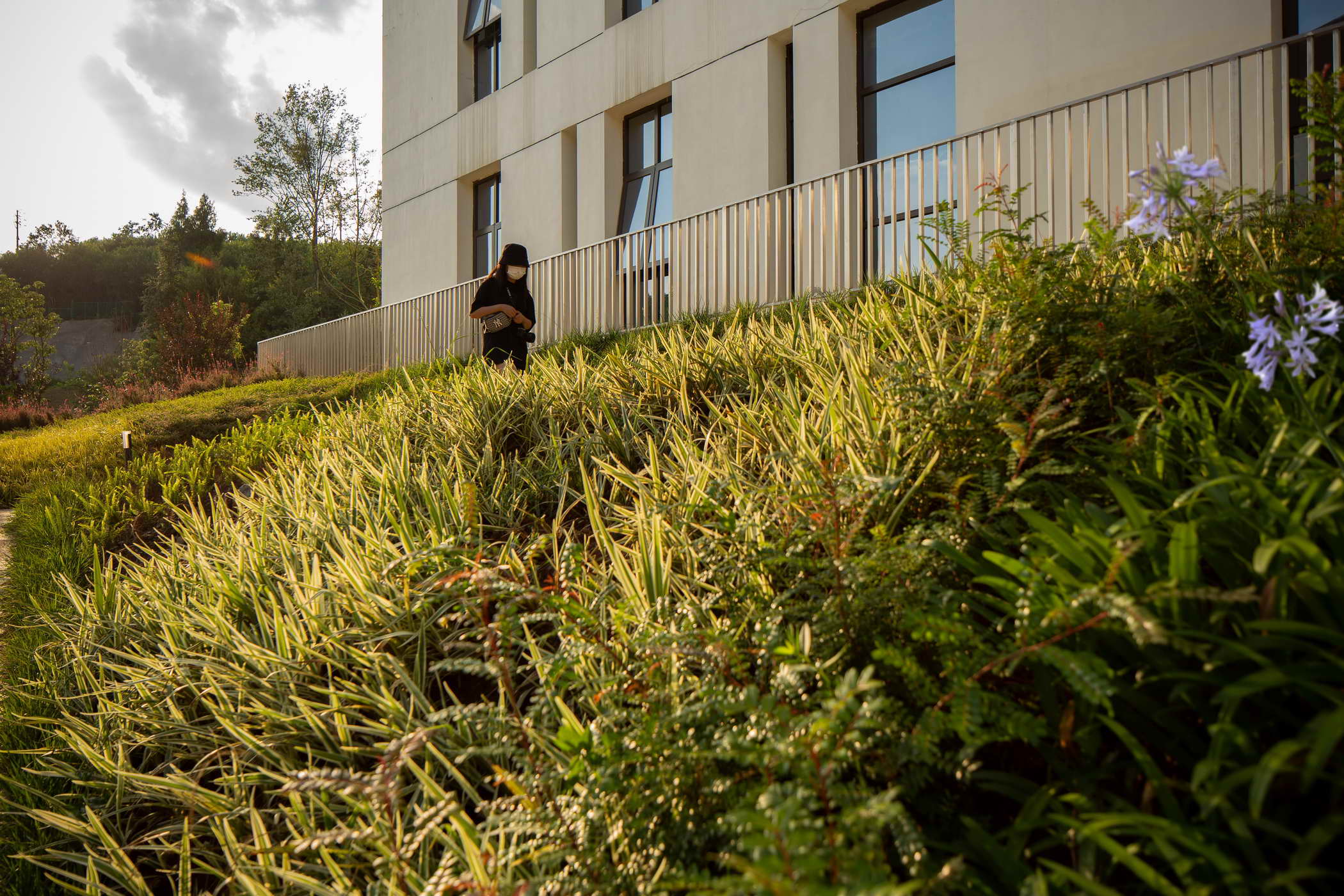
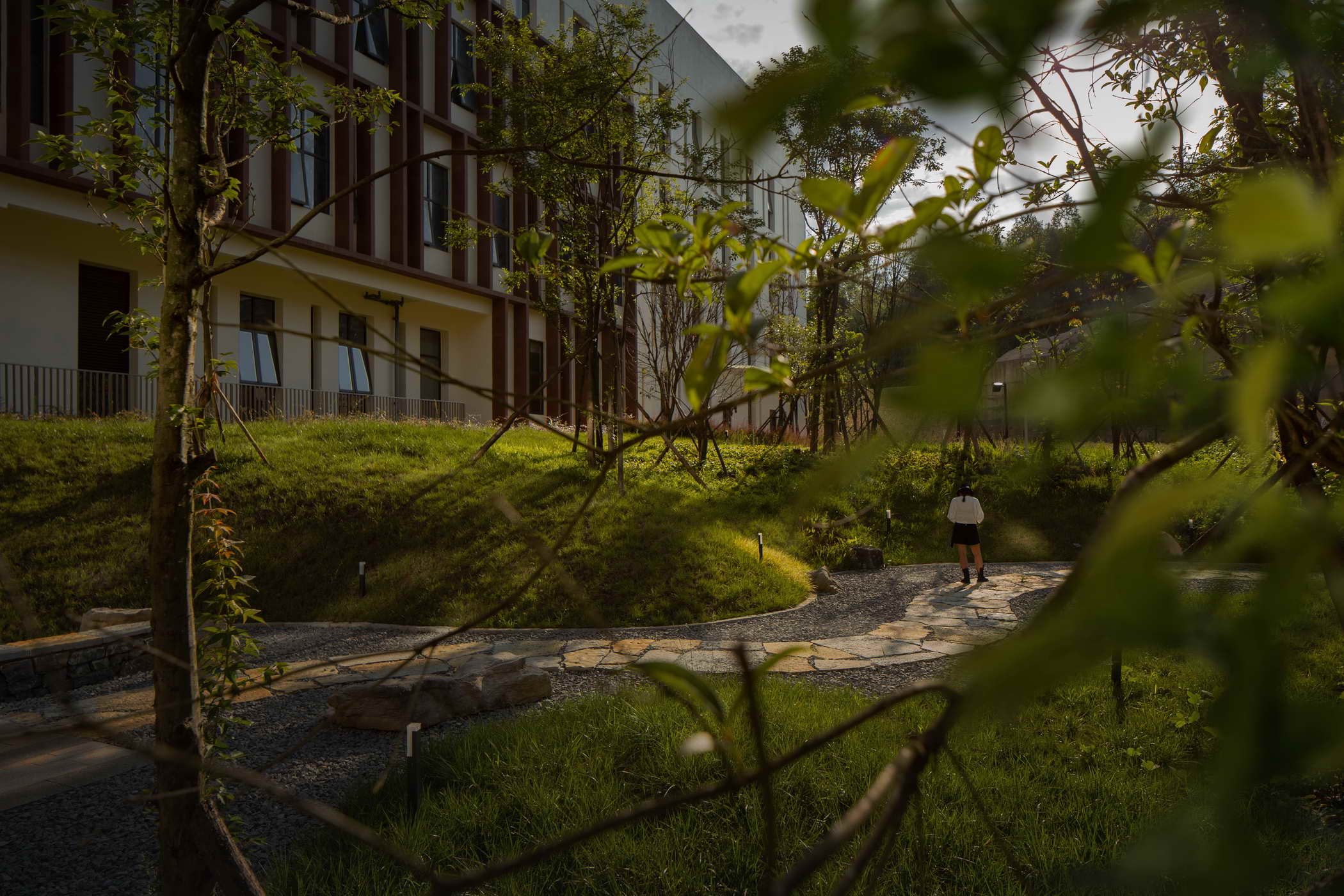
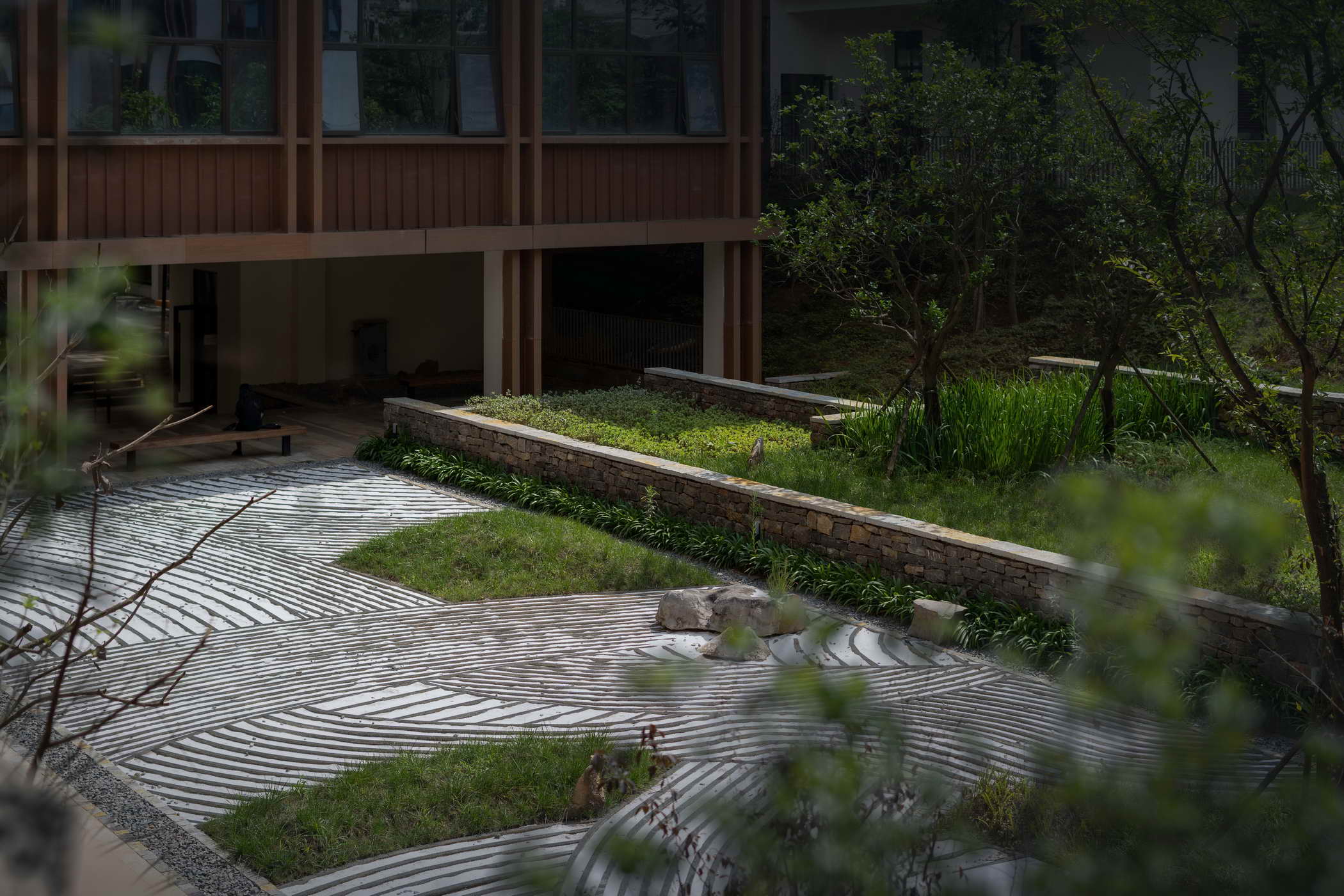
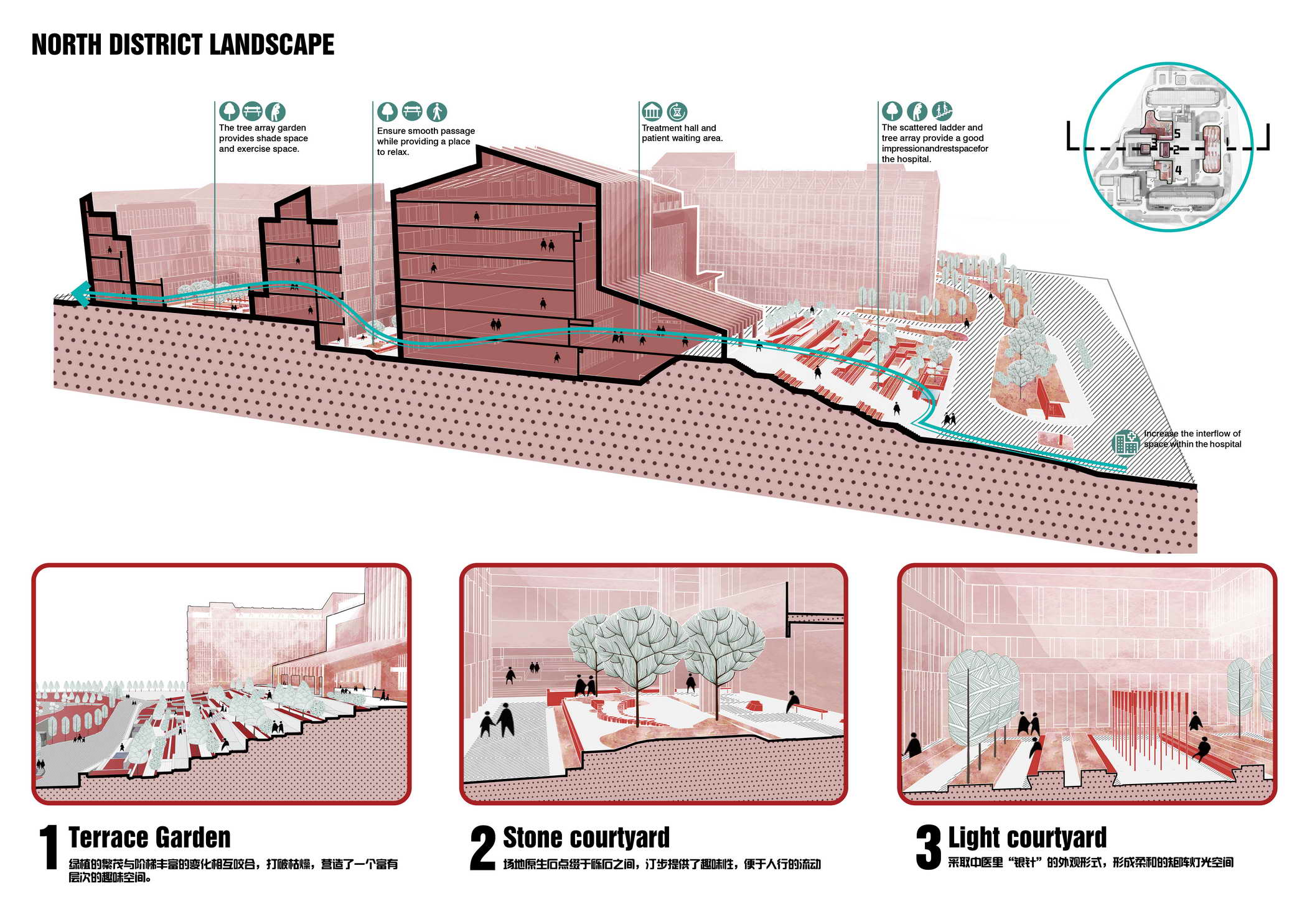
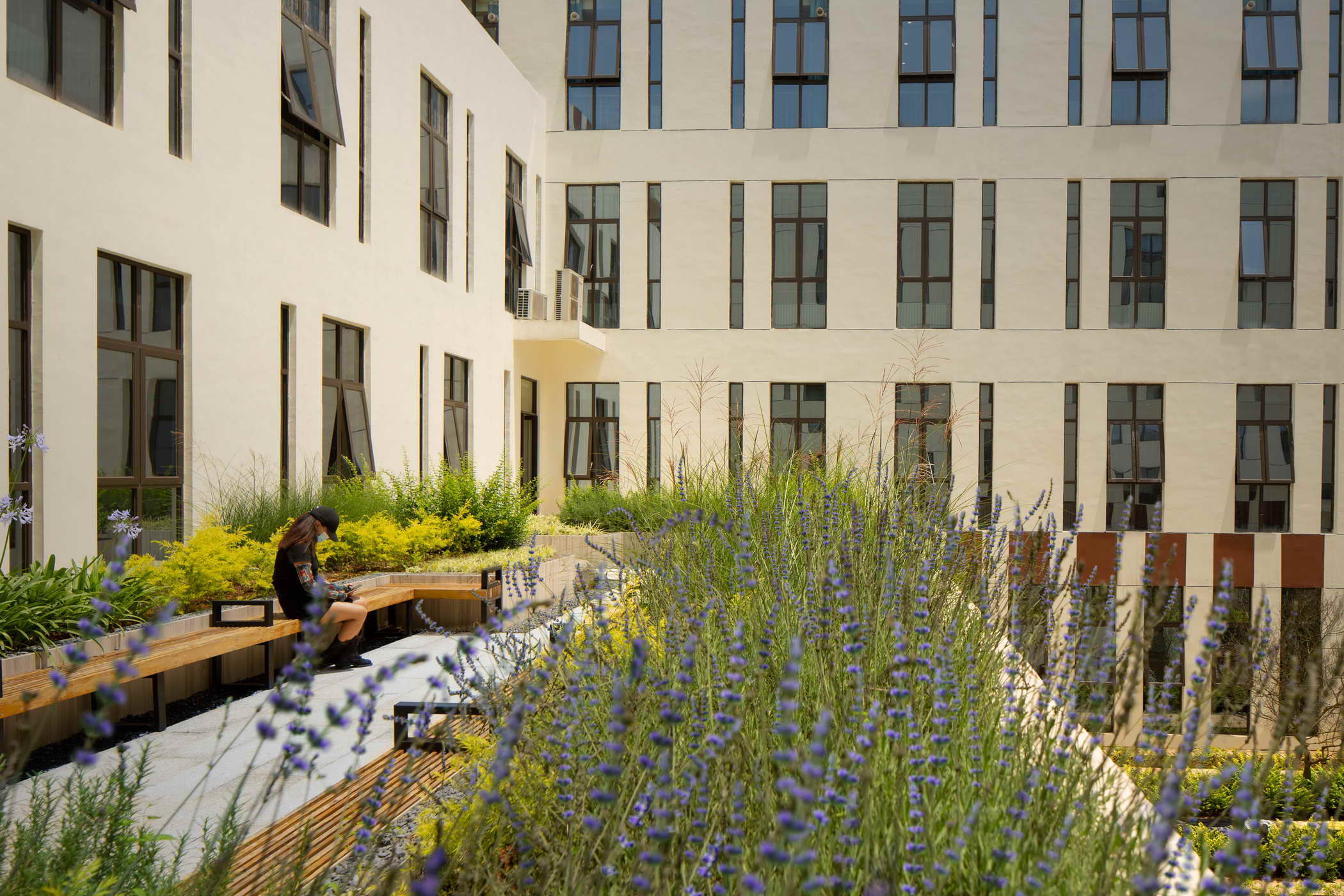
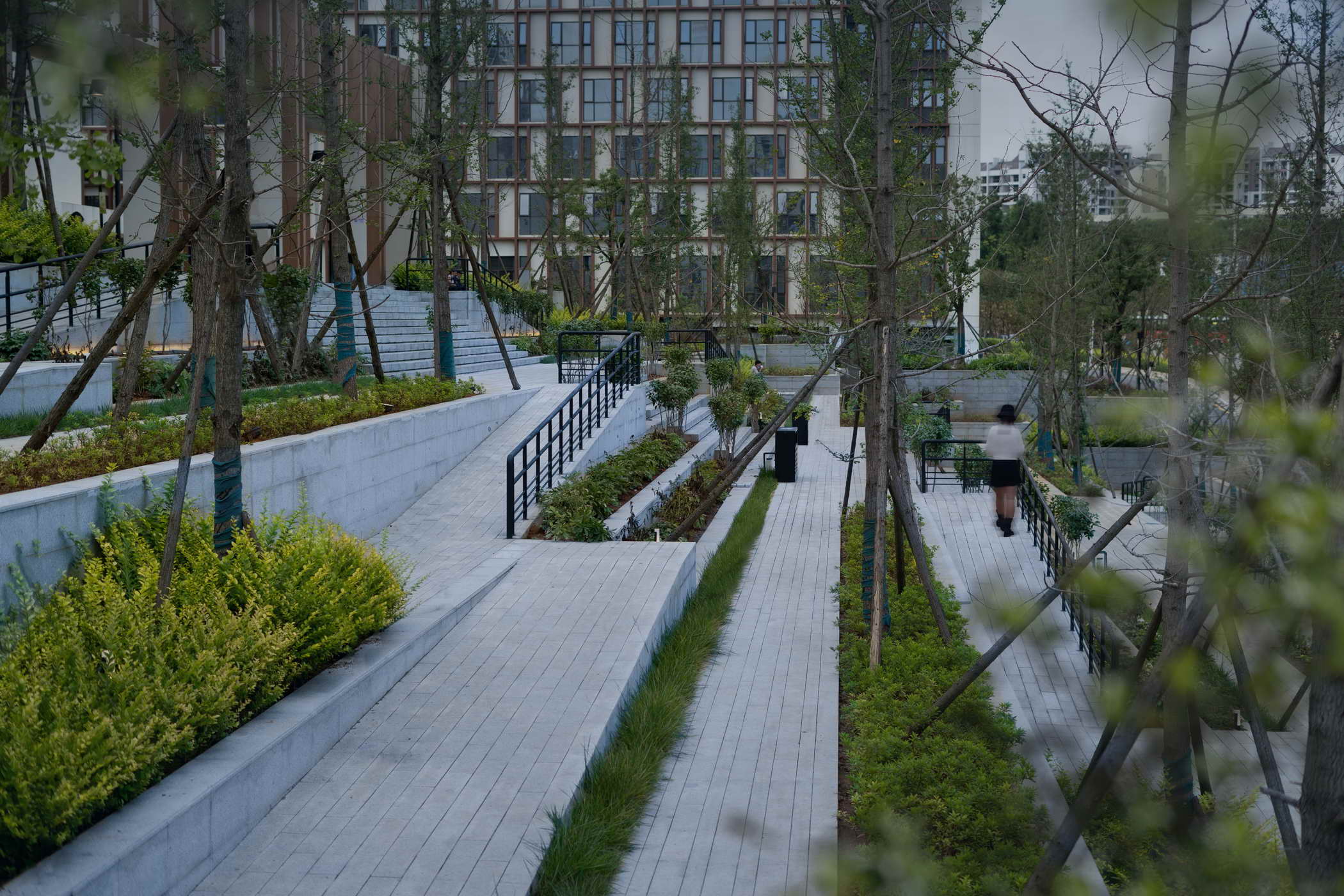
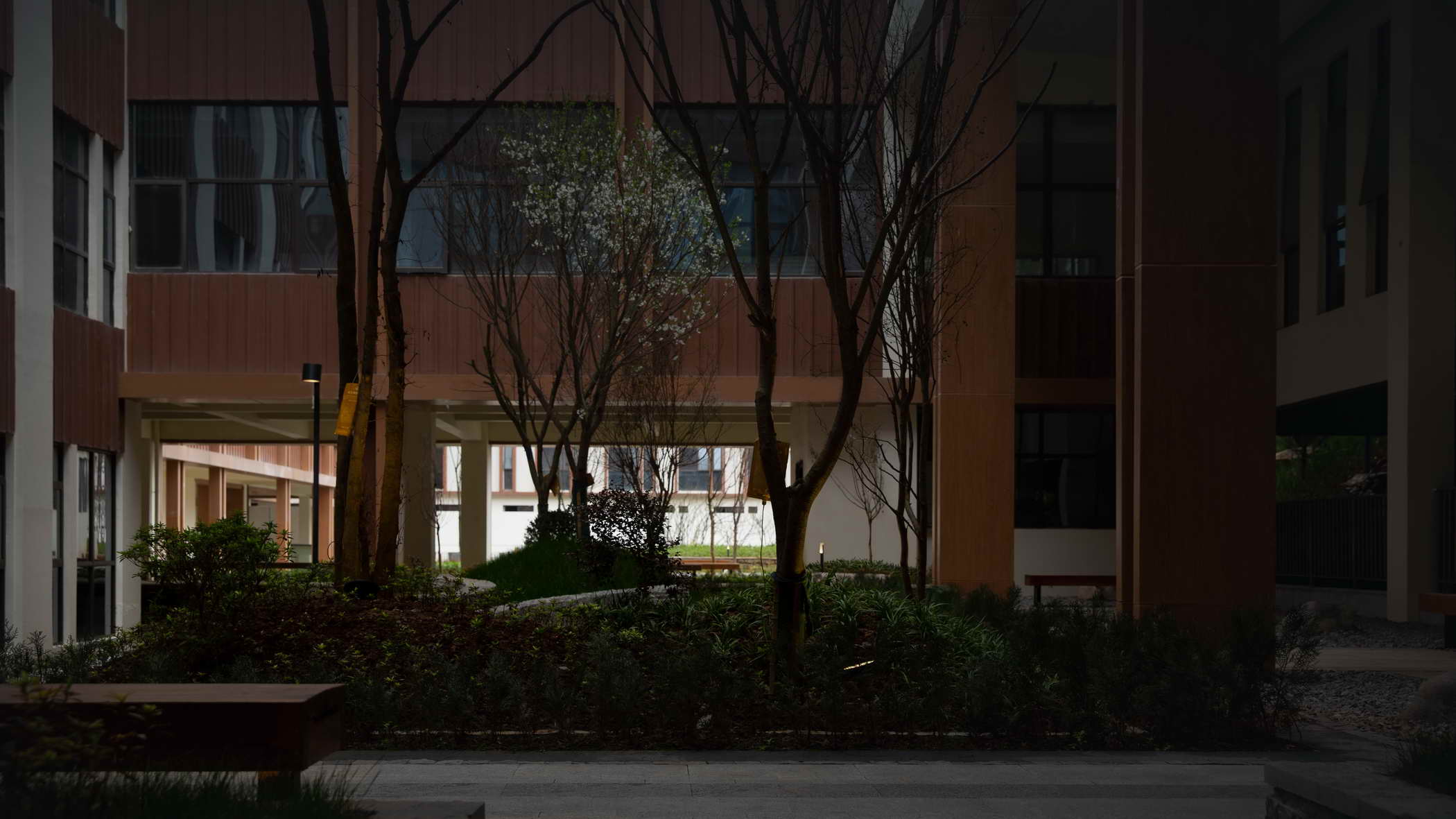
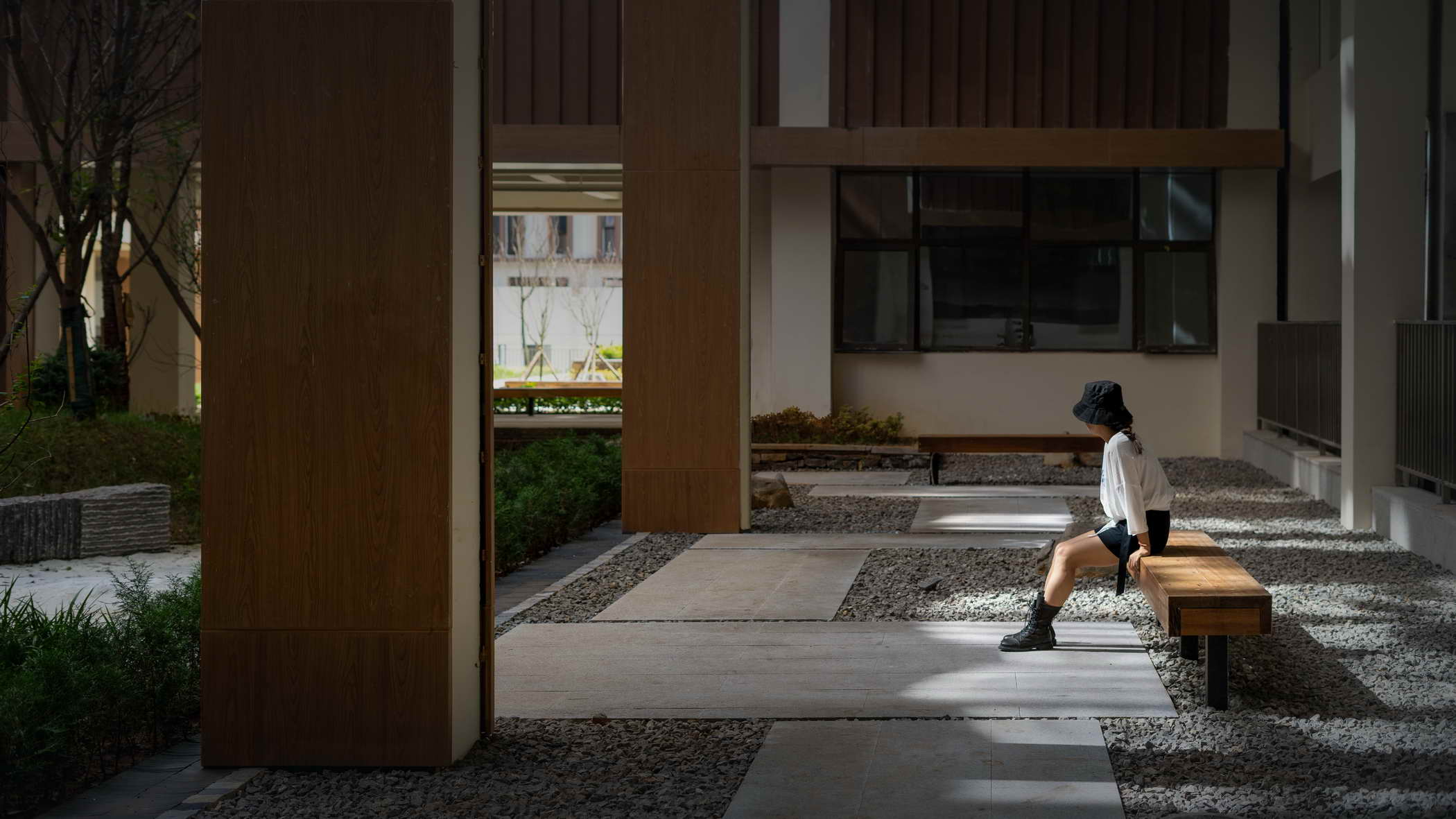
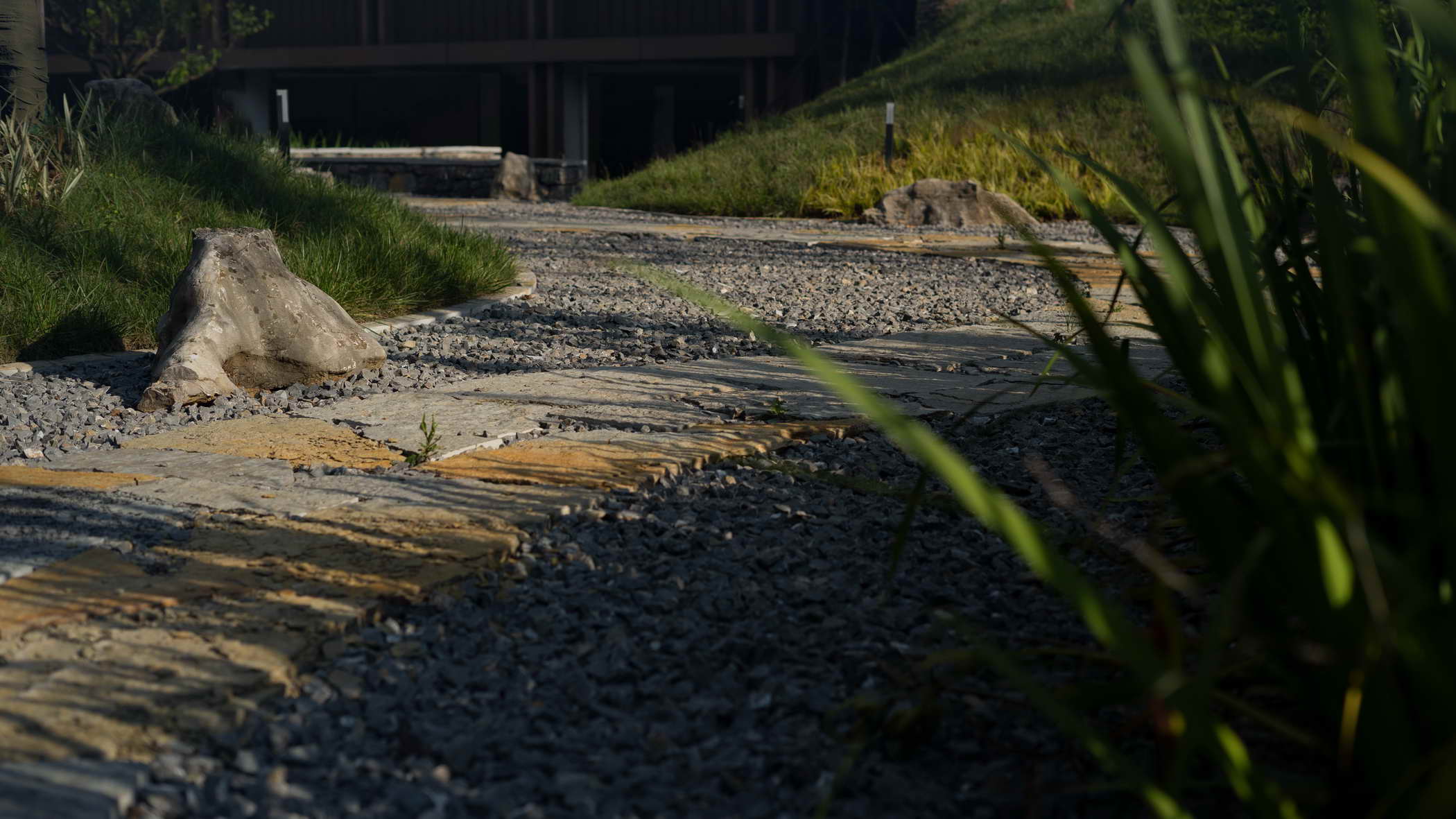
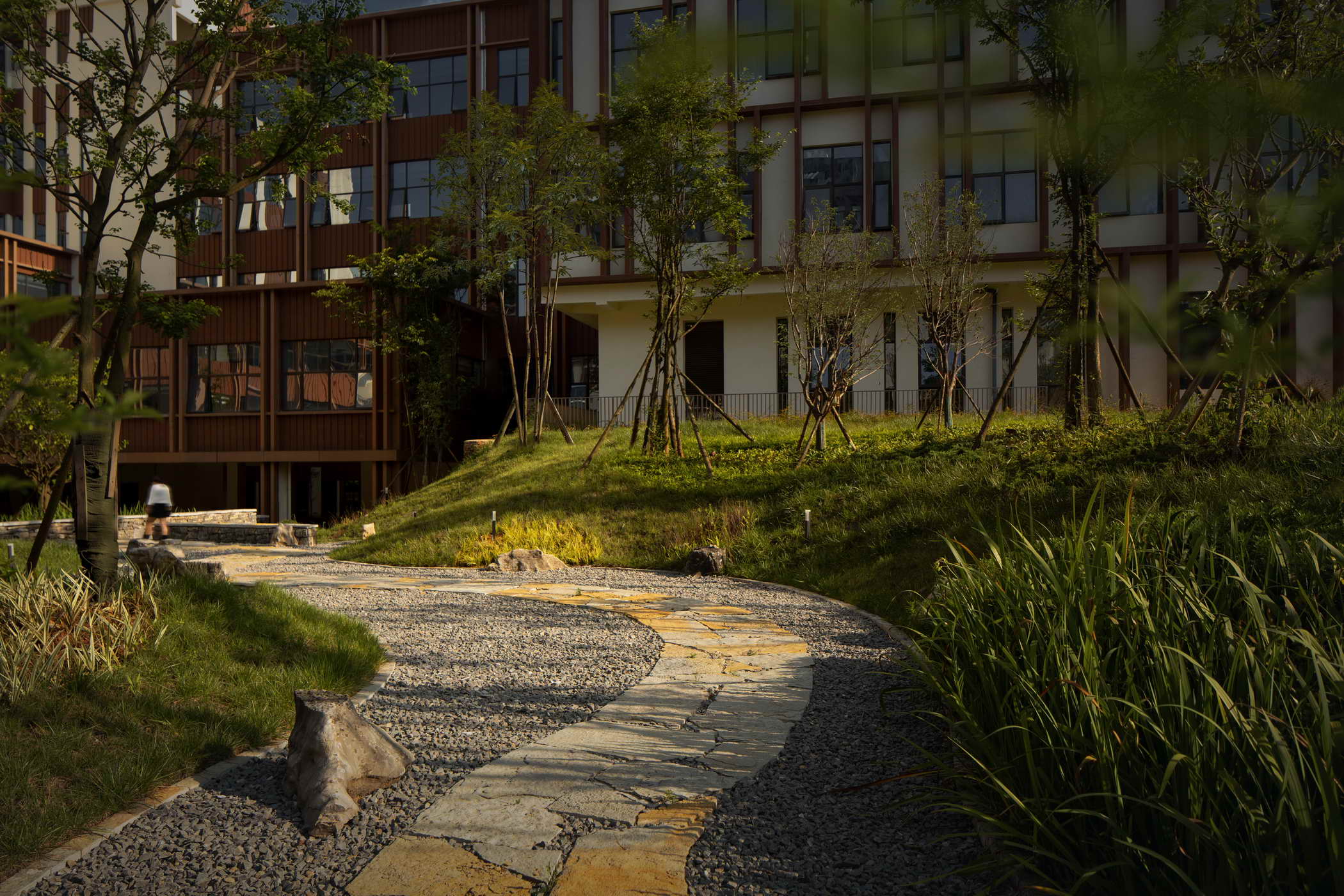
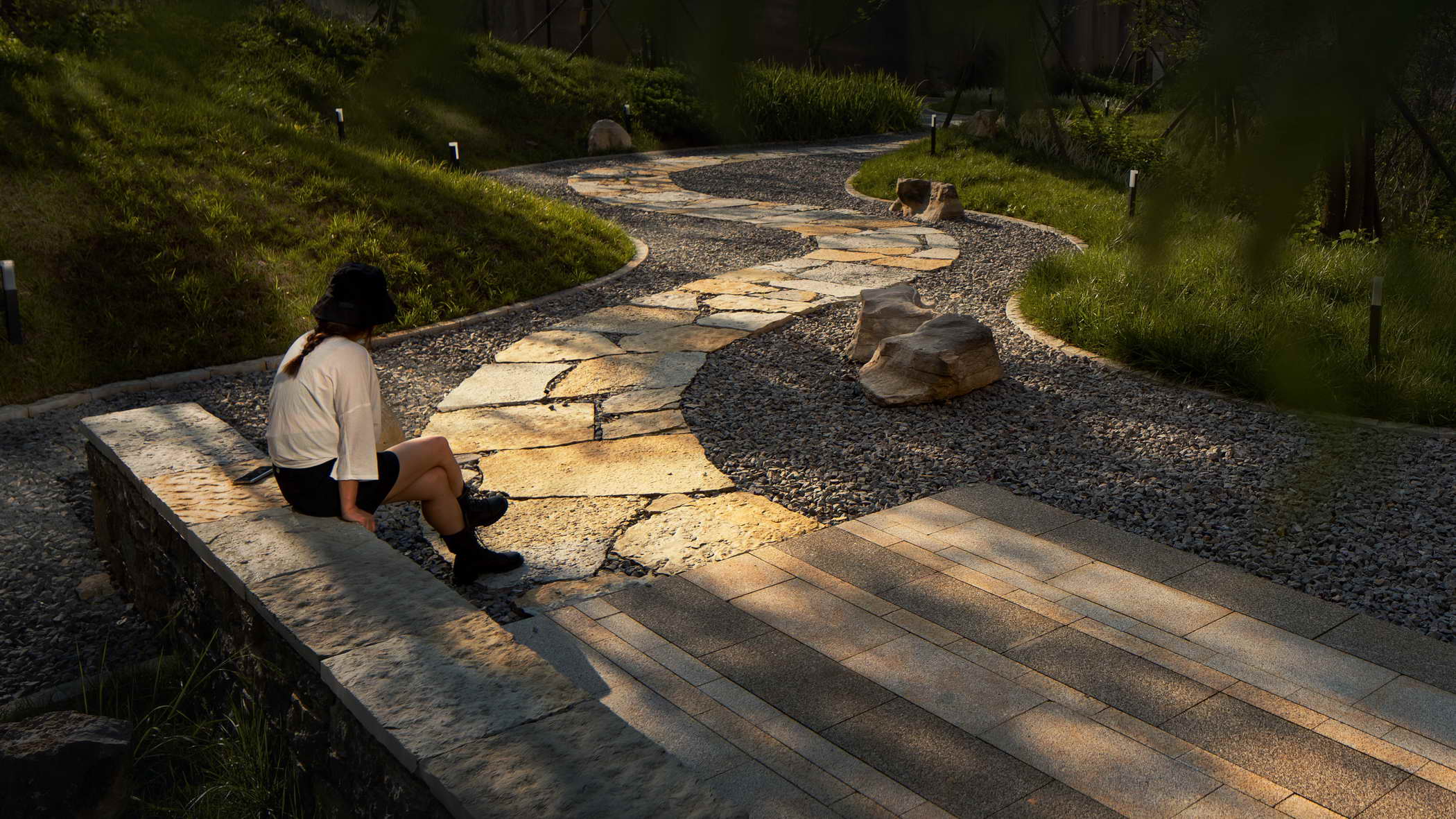
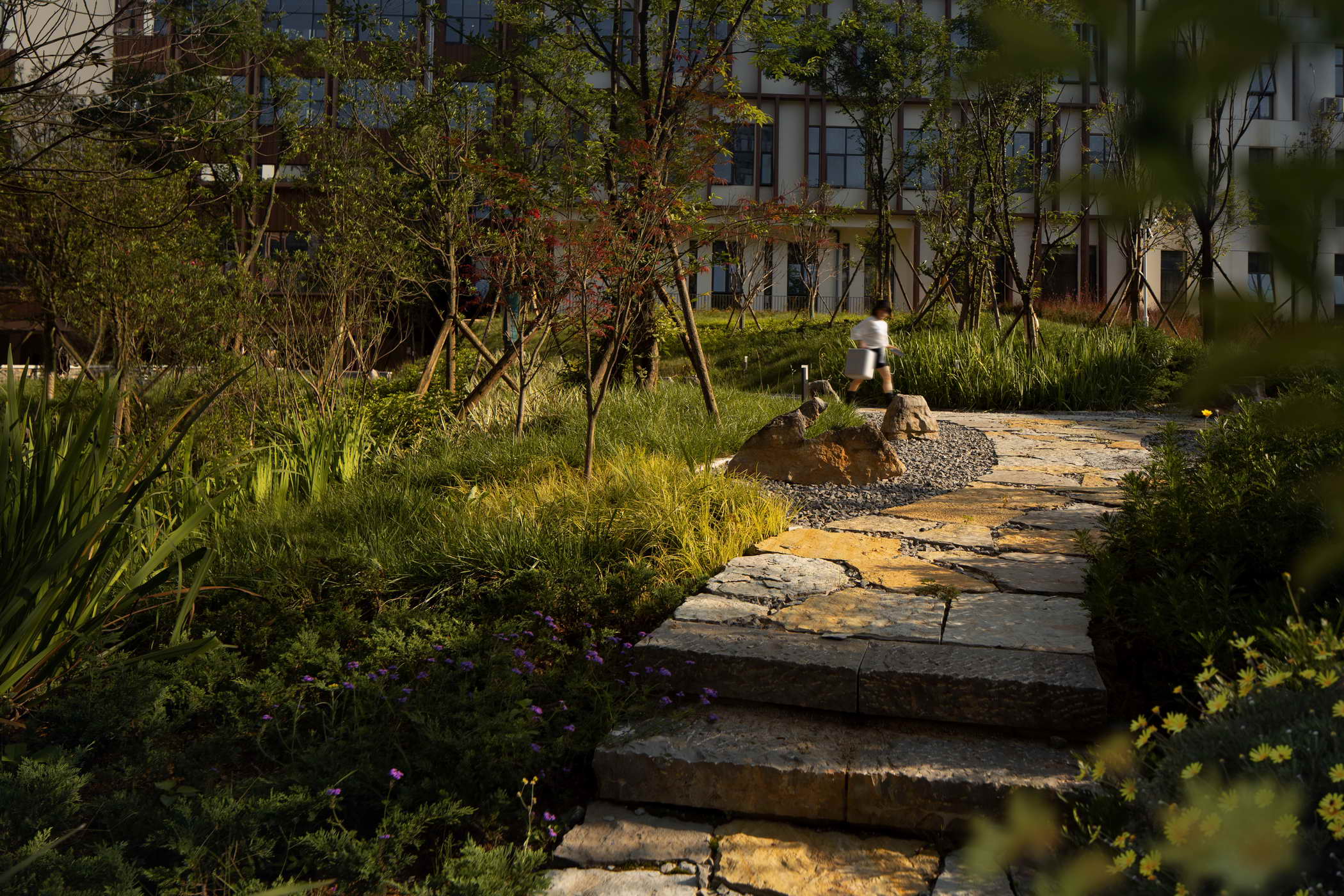
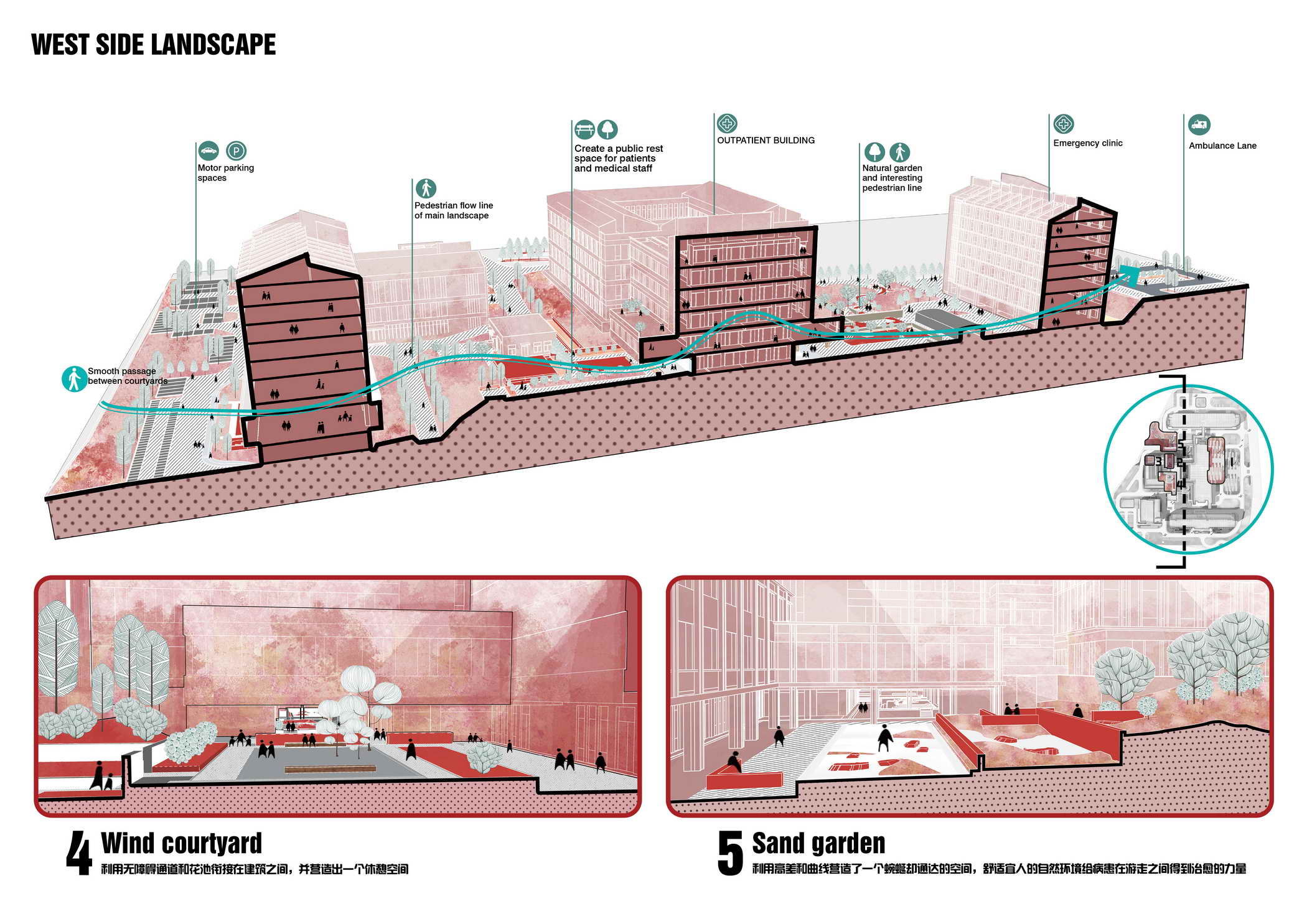
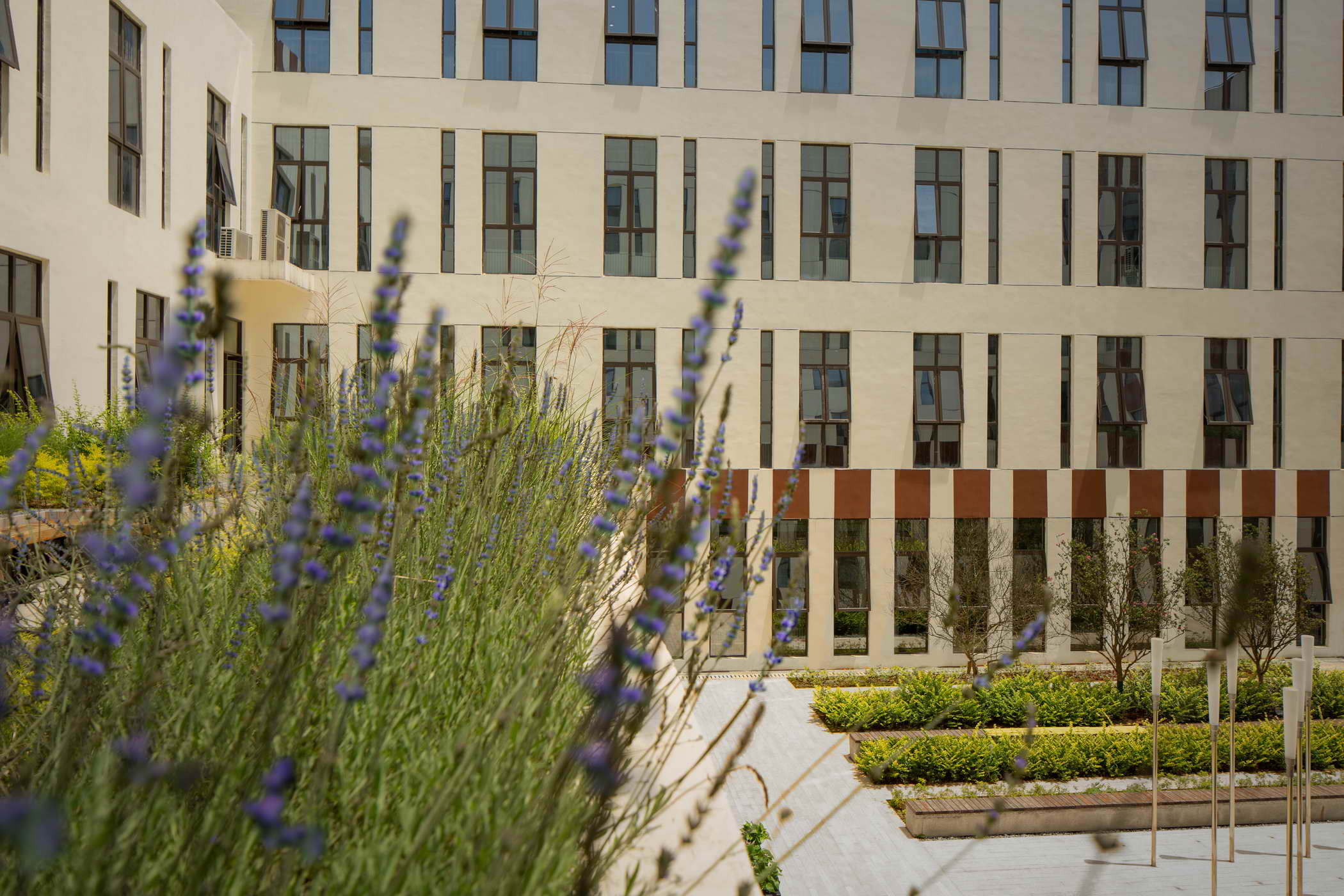
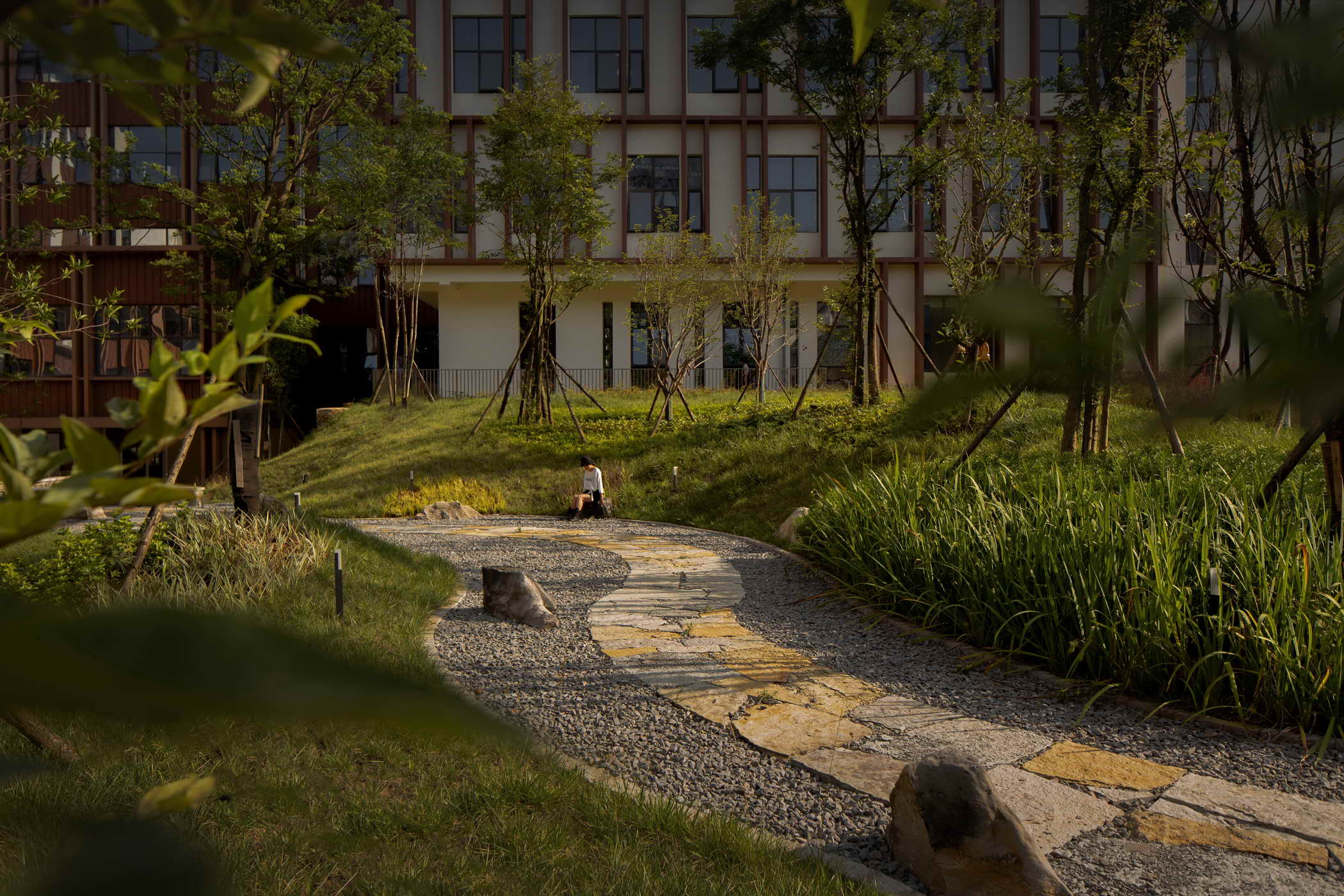
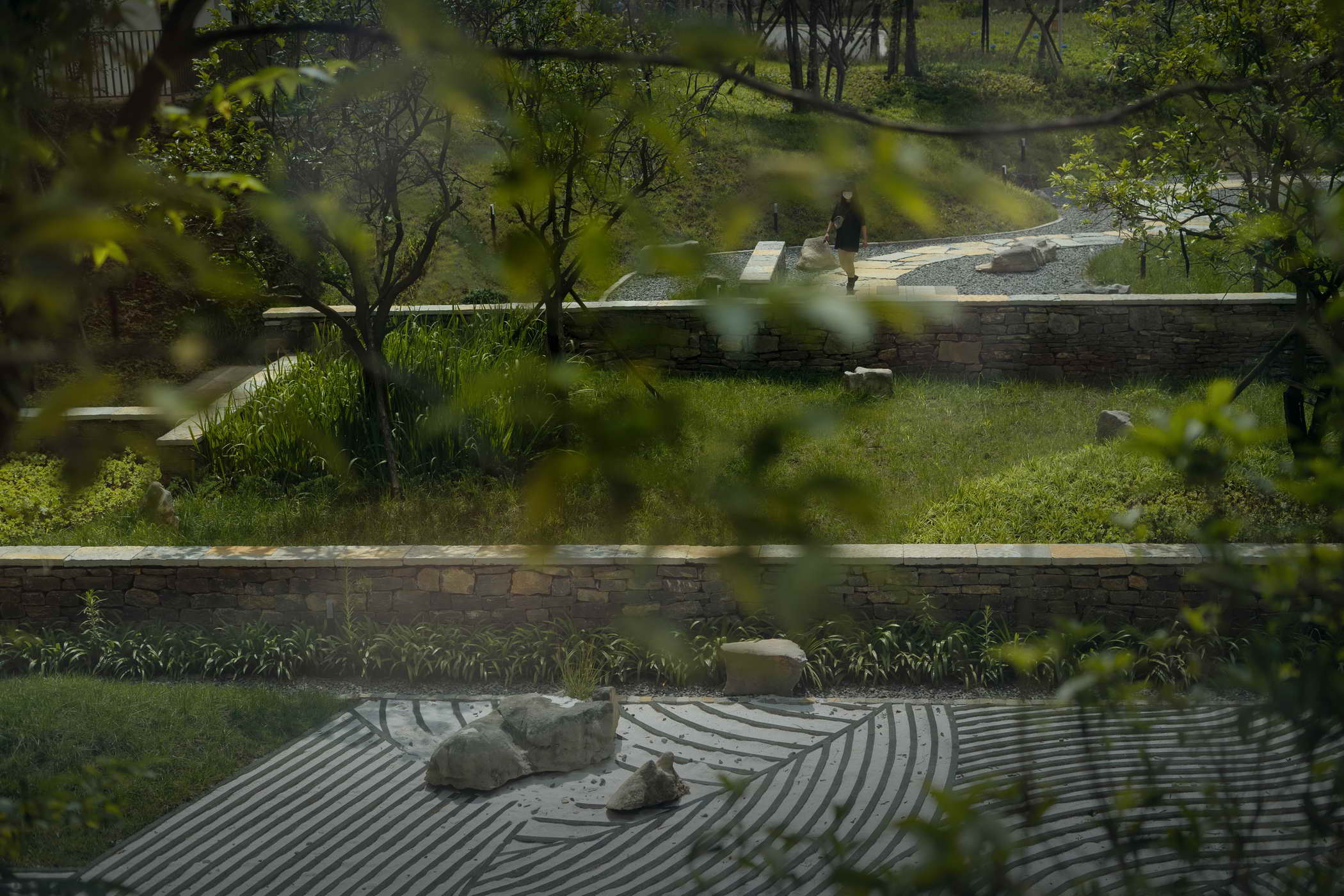
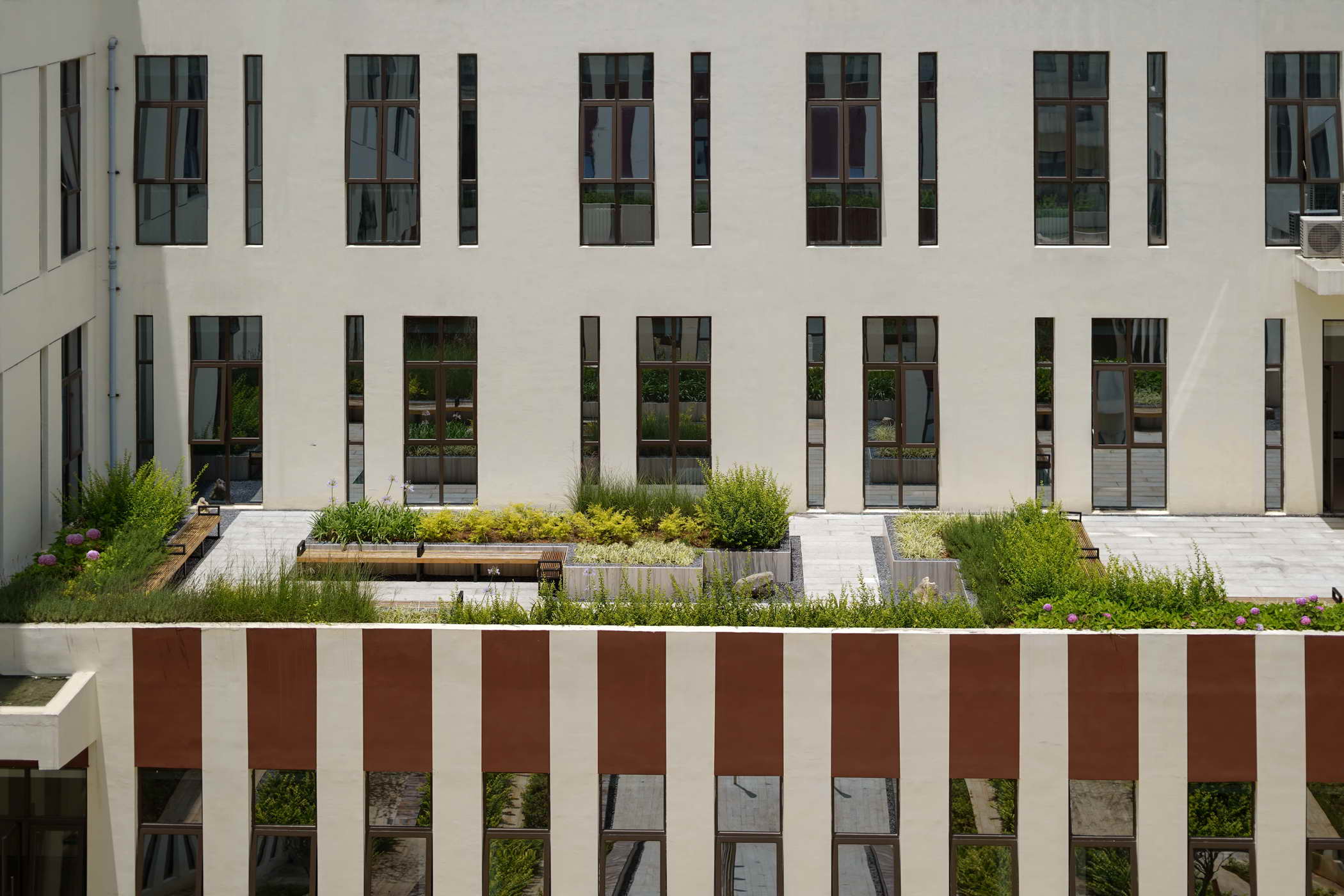
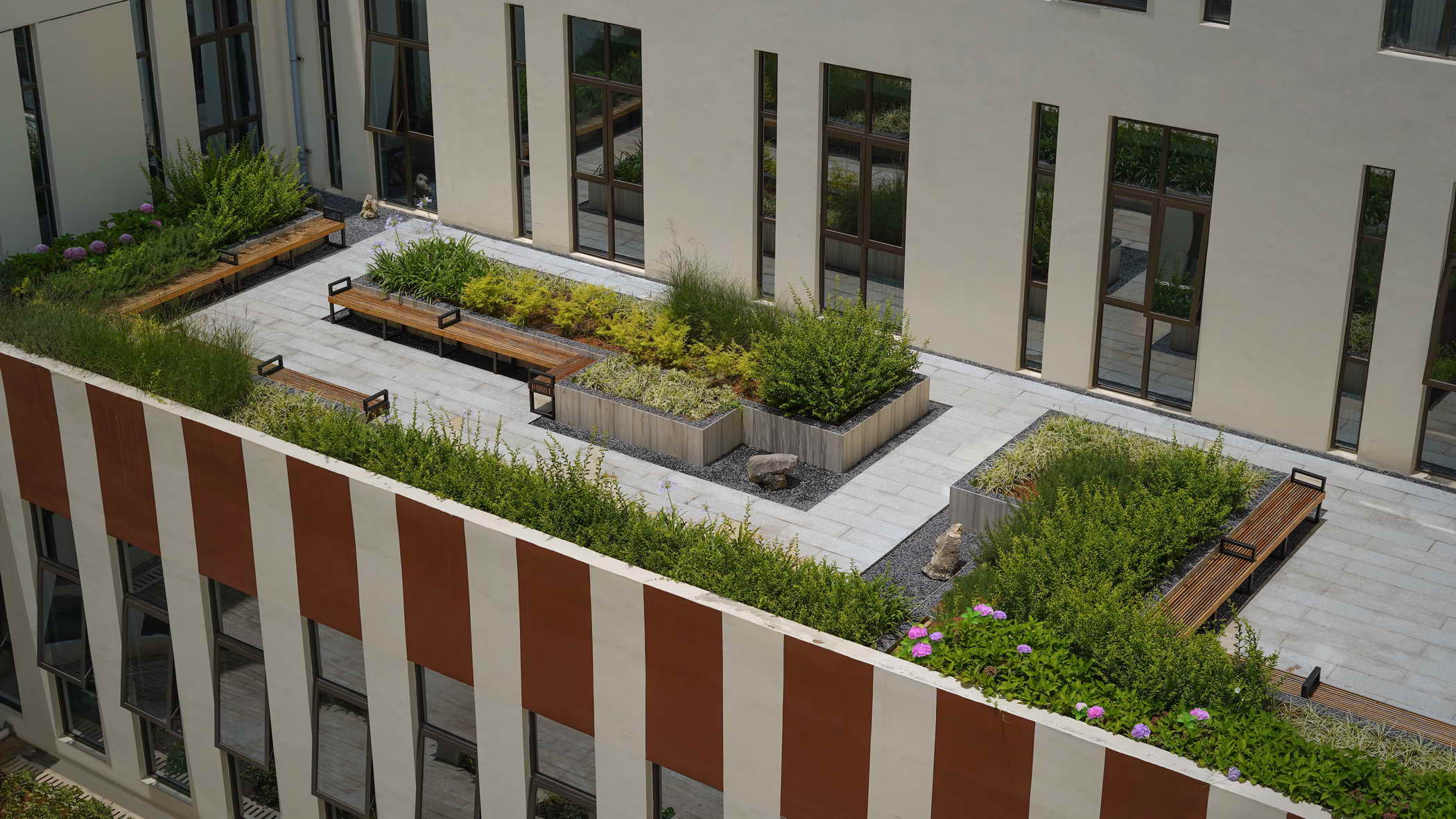
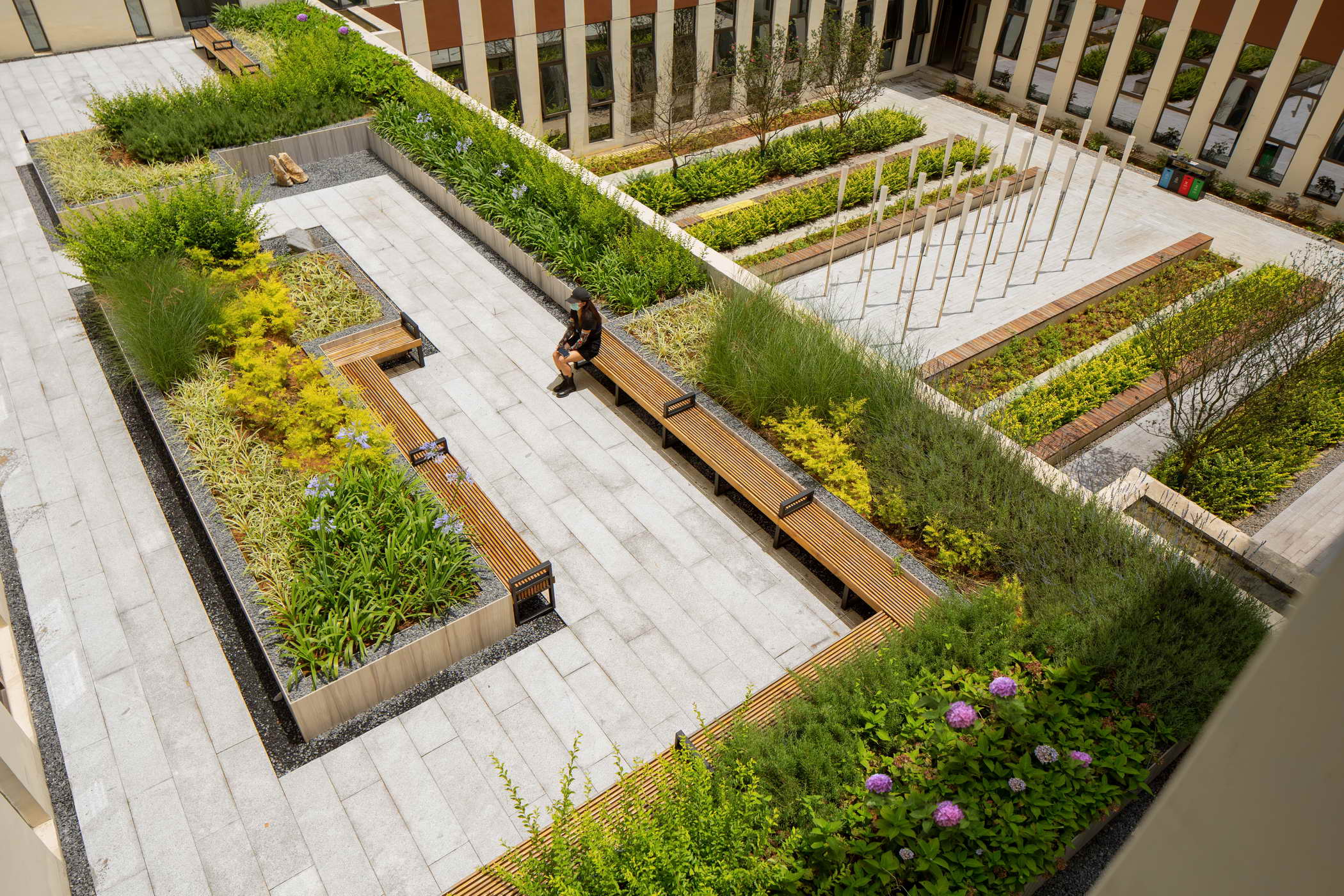
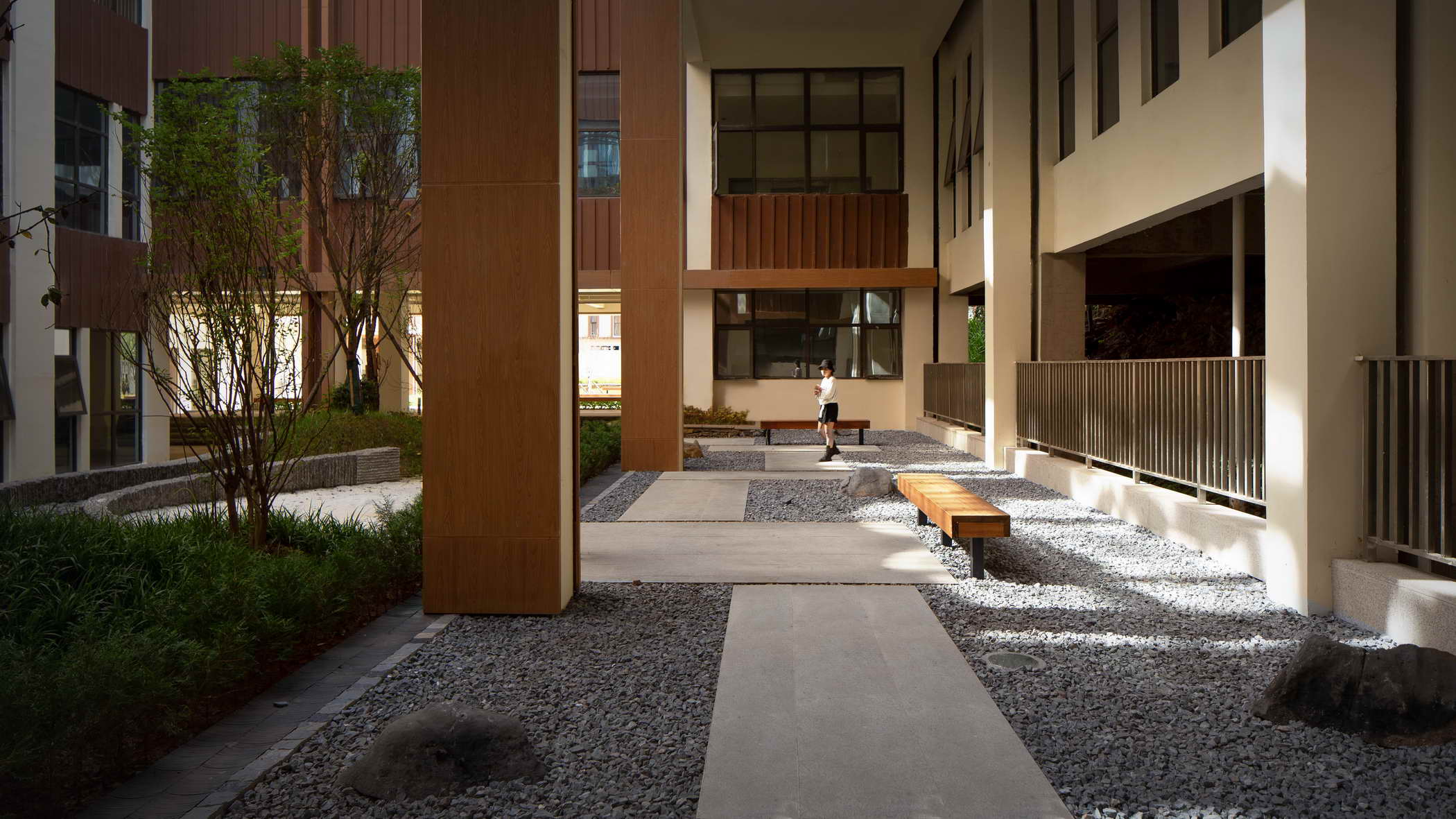
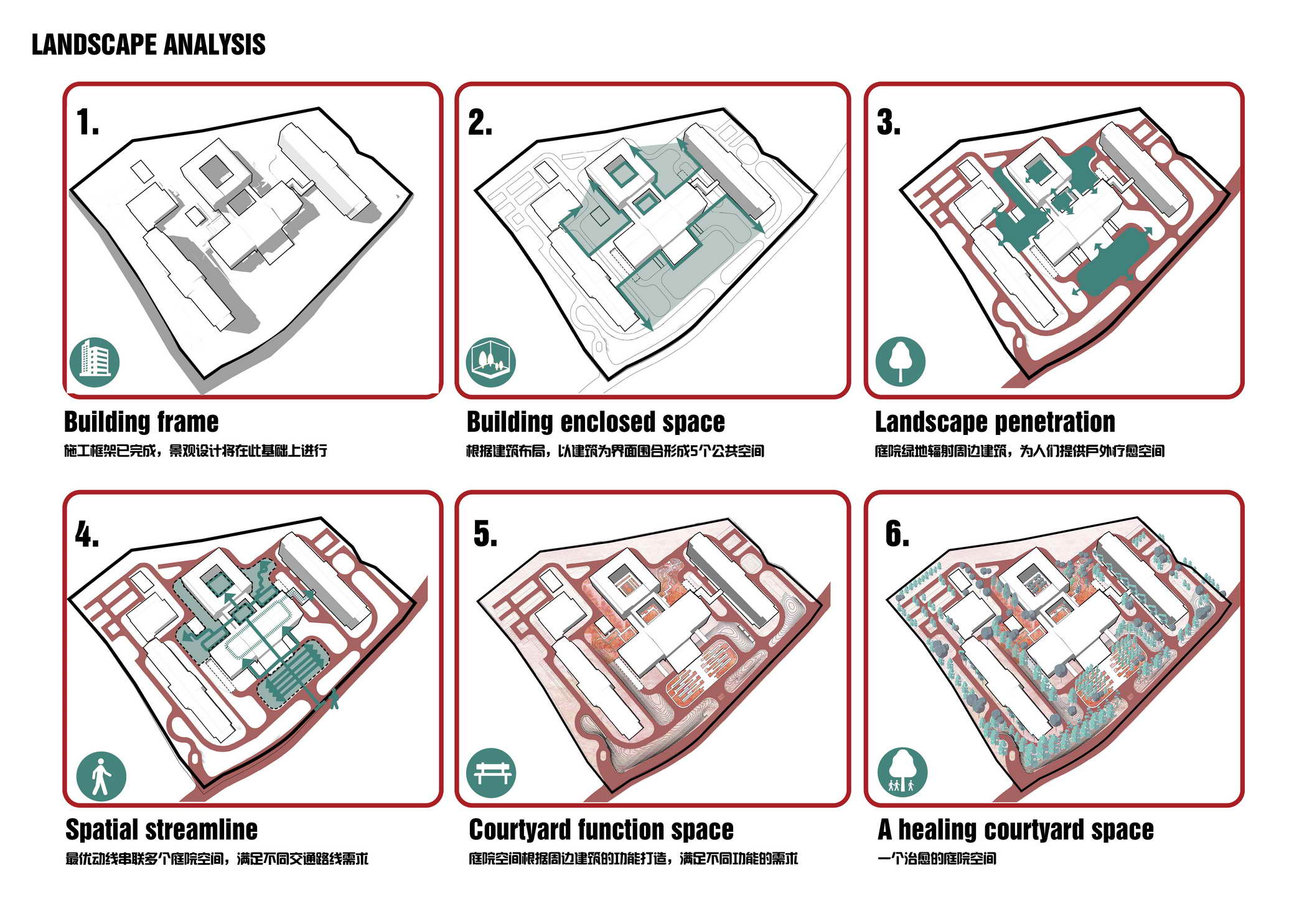
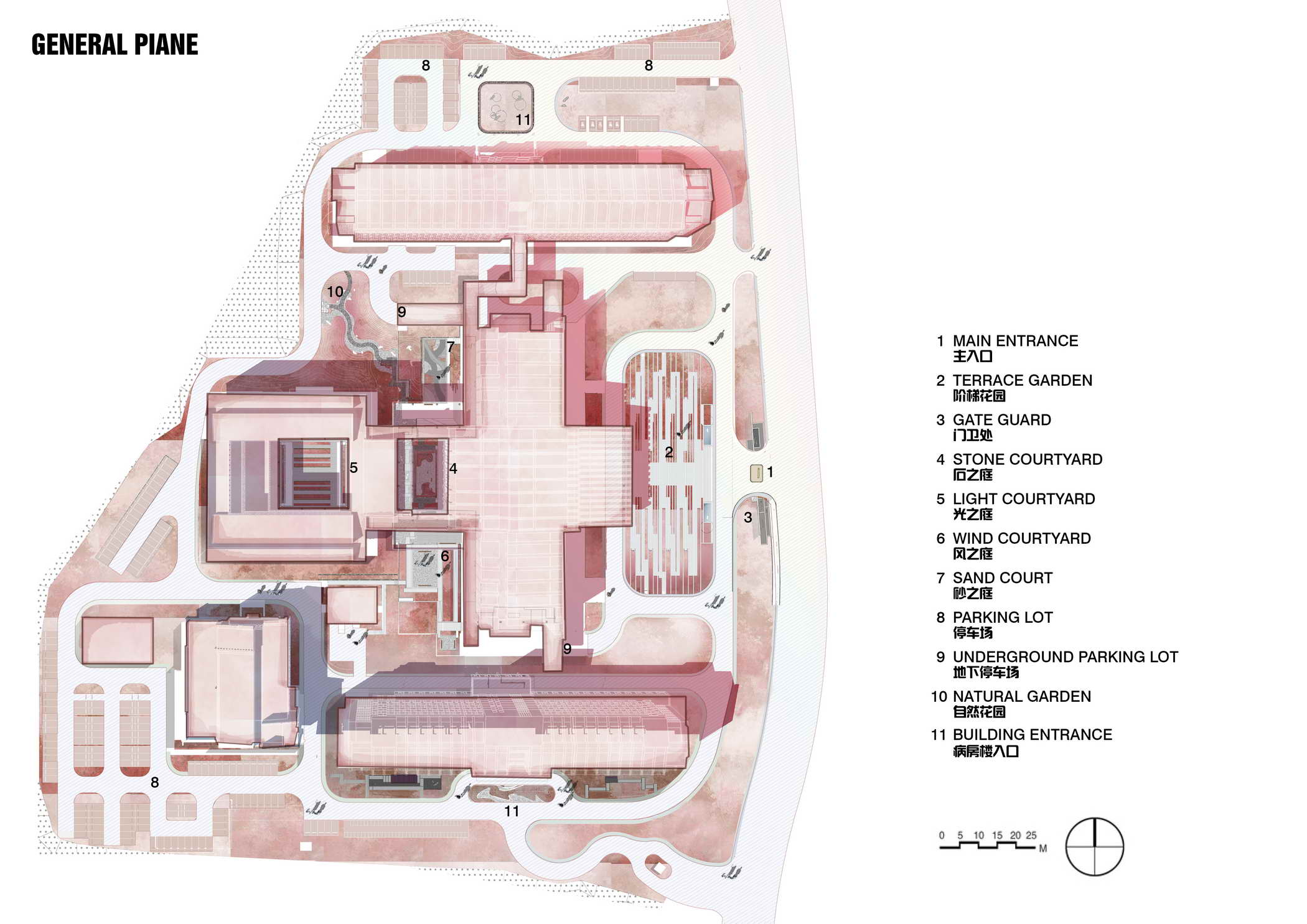
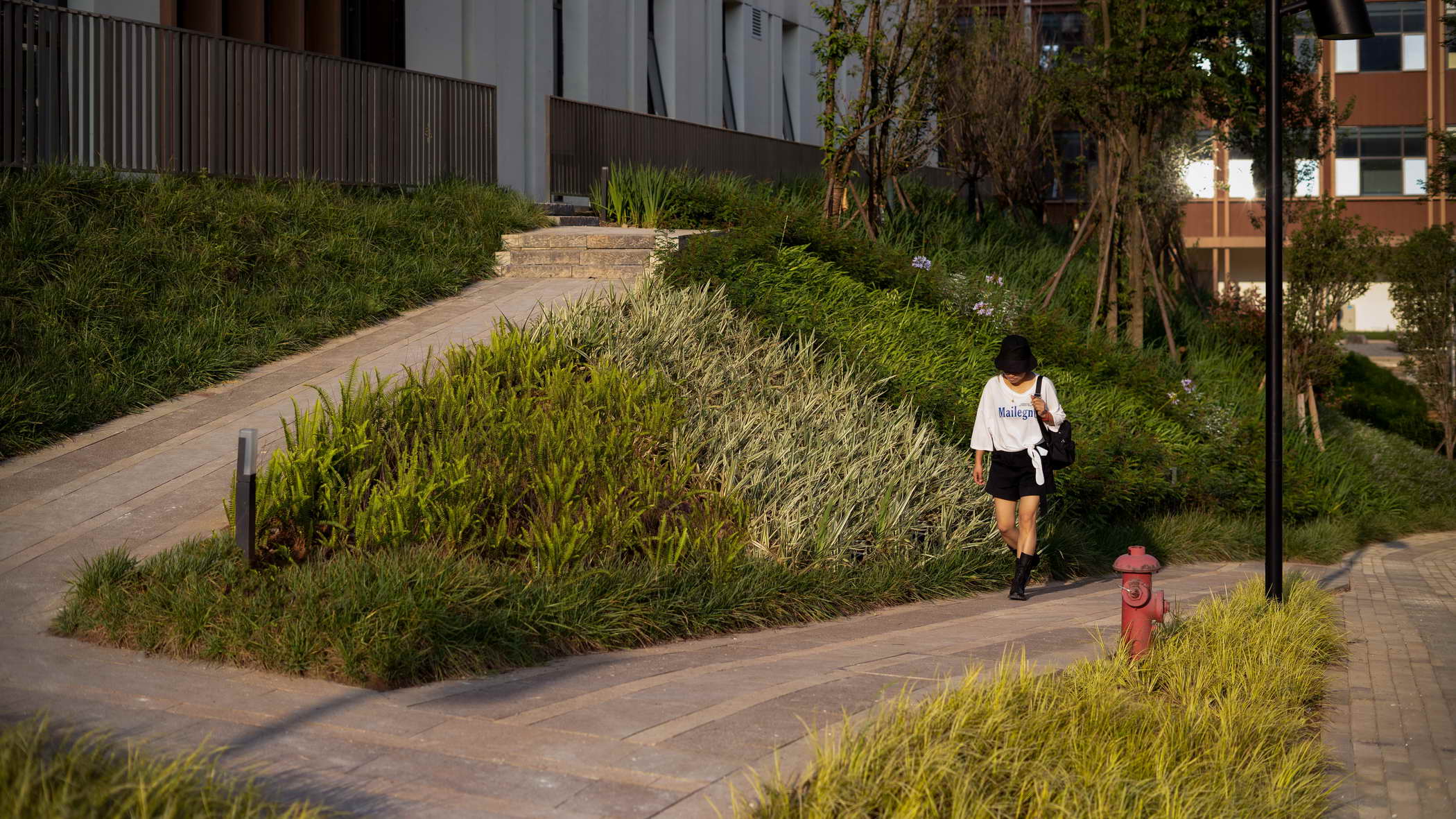
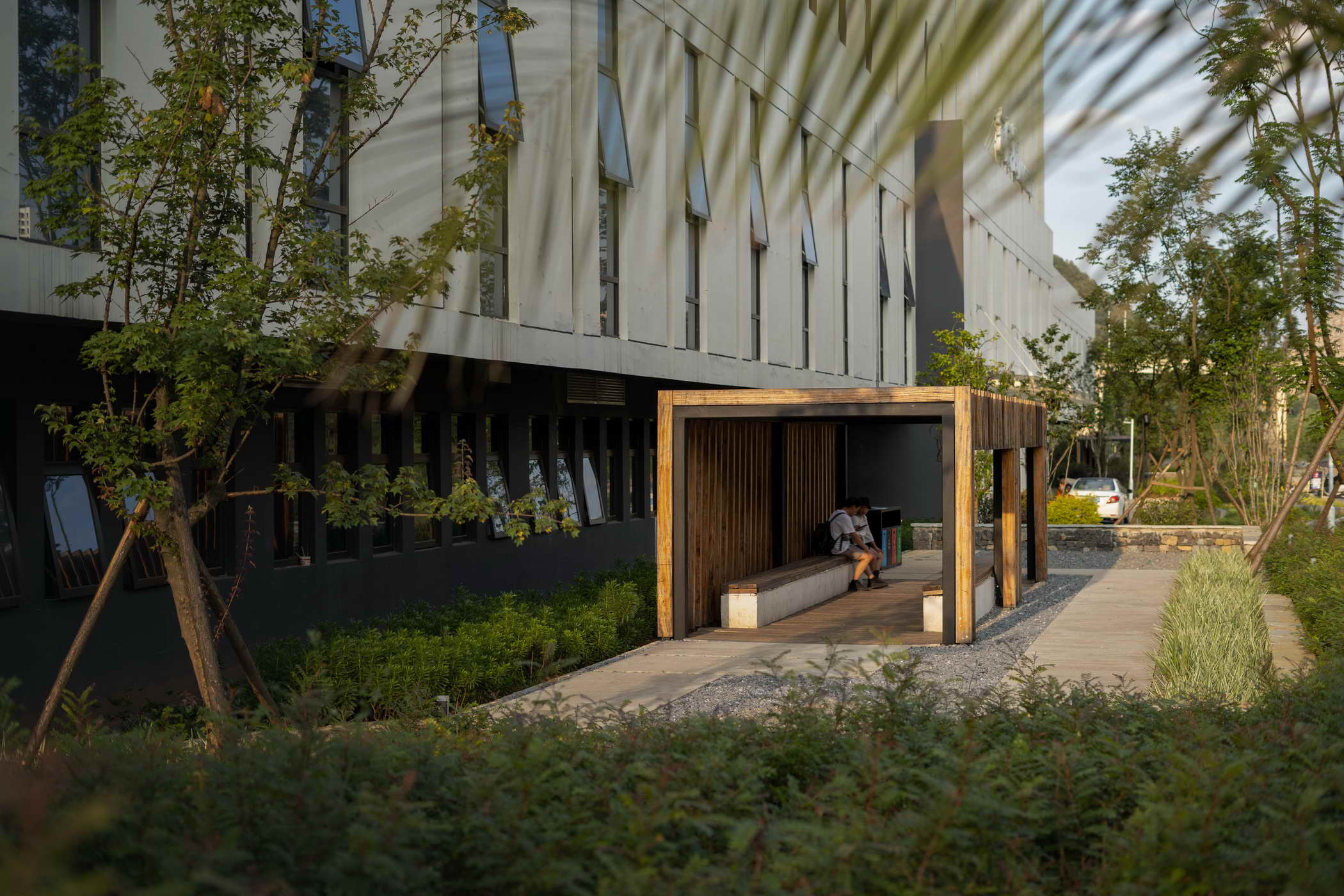
Panzhou Traditional Chinese Medicine (TCM) Hospital, located one kilometer away from the central area of Panzhou Old Town with a history of more than 600 years, is one of the universal urban-level TCM hospitals in China. Chinese medicine emphasizes philosophical thinking to understand the universe believing the heals from nature land. The holistic concept and dialectical clinical thinking of Chinese medicine are gradually gaining worldwide recognition. Presenting the harmony between nature and humans in Chinese medicine theory, "Qi" is the primary material that constitutes the universe, and "Earth" is the environment in which the universe is located. Therefore, "Qi" and "Earth" are essential mediums in healing. This project satisfied the functional needs and refined healing space with TCM concepts of "Qi" and "Earth," following the philosophy of the five elements coexist and tolerance, which encourages the interpretation with nature through plants growth, seasonal changes, and other environmental factors changes. The design team established a modern-styled therapeutic space for patients and healthcare workers to rest, relax and meditate utilizing local materials. Background and design challenges The only hospital located in the Panzhou Old City had to provide healthcare services for the surrounding area covered 200 thousand people. The lack of healthcare service called an emergency need in constructing a new hospital to provide medical resources with therapeutic gardens. The massive building structure of the Panzhou TCM hospital left disconnected and fragmented green spaces throughout the site. How to increase the accessibility and connection of green spaces under the dramatic elevation differences on site came to be one of the significant challenges. Design strategies The design team understood the functional relationships among building clusters firstly and connected landscape nodes in series via pedestrian flow. The design details showed Chinese medicine concepts through herbal plants and the abstraction of acupuncture and moxibustion as landscape elements. The design presented harmony between nature and human and locality by three perspectives: 1) created a practical and humanistic environment based on the relationship among building clusters; 2) established a harmonious relationship between human and nature in each garden; 3) used native materials, including rusty rock slabs, rubble, crushed stones, and scenery stones, to tie in the local landscape. Space design A series of landscape nodes composed of entrance ladder garden, courtyard garden, sky terrace garden, connected separate buildings while providing outdoor space for healthcare workers and paint to enjoy nature. The entrance ladder garden embedded ADA ramps with terrace planting beds solved the ten-meter elevation difference in front of the outpatient building providing an attractive open green space for resting and communication. The Stone Garden, a patio enclosed by the outpatient and medical technology buildings, is quiet and peaceful in experiencing nature healing power as trees' subtle shadows change through the day. The Sandy Garden, as the largest green space on site, introduced wild nature with low-maintenance mixed wood forest and local materials to convey the beauty of natural growth in the universe. However, the Wind Garden provided a space for social communication with bright sunlights and well-maintained lawns, shade trees, and flowers bordering areas. The array of lamp posts in the center of the Light Garden is the abstract representation of the traditional element of Chinese medicine, "acupuncture and moxibustion. " Five terrace gardens located in the Medical Technology Building and the Sanatorium Building designed with lush local plants and wooden benches provided alternative places for patients and staff to intercept with nature. Social Service As one of China's important traditional cultural symbols, TCM embodies the long-standing concept and practical experience of health preservation of the Chinese nation. The design team hopes to interpret the therapeutic landscape following the TCM philosophy of "Qi" and "Earth," providing a brand-new healing space for residents in Panzhou, and conveying Chinese philosophy and traditions to the world.




 Editor's Pick
 Latest Design


