Text description provided by the architects
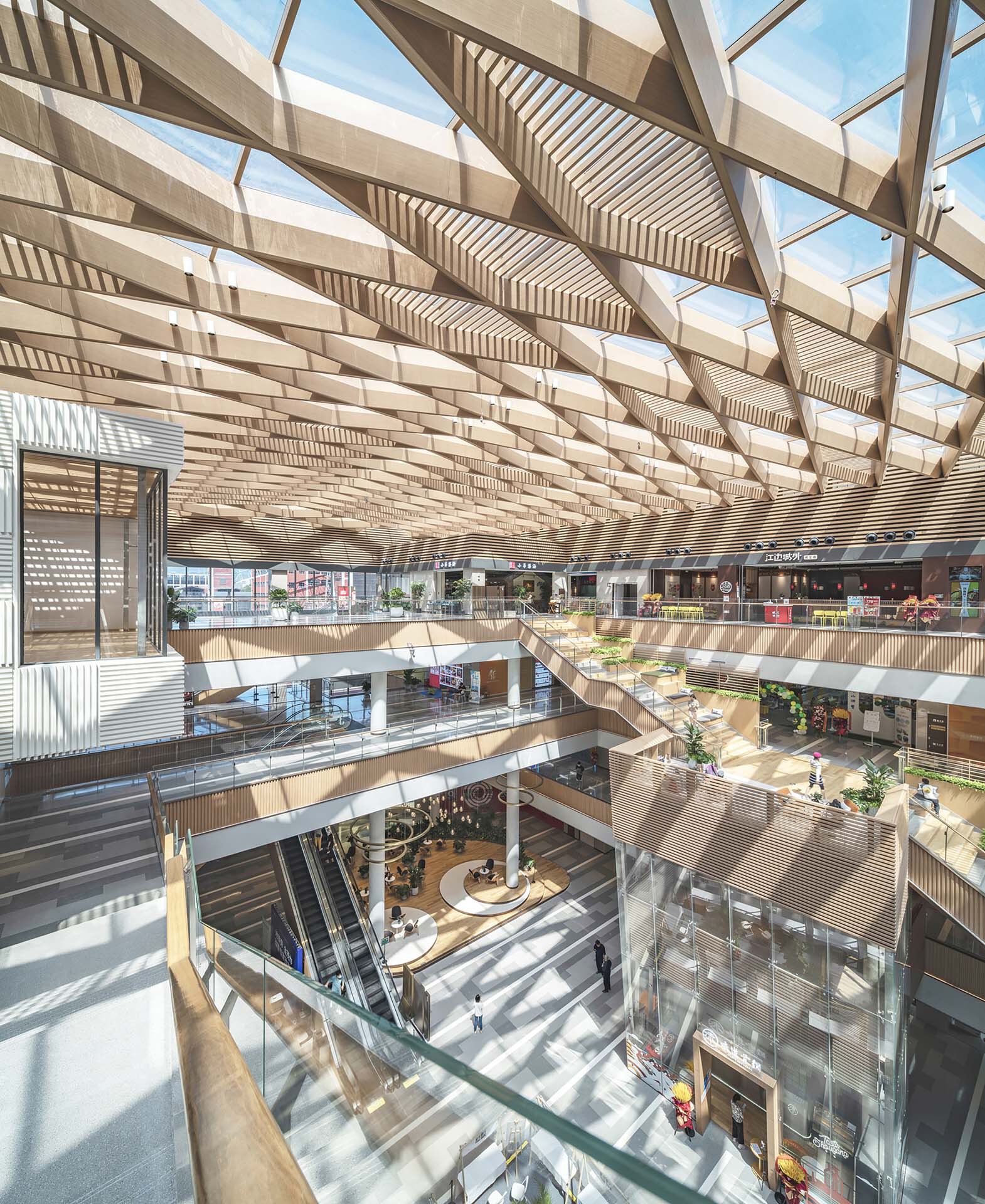
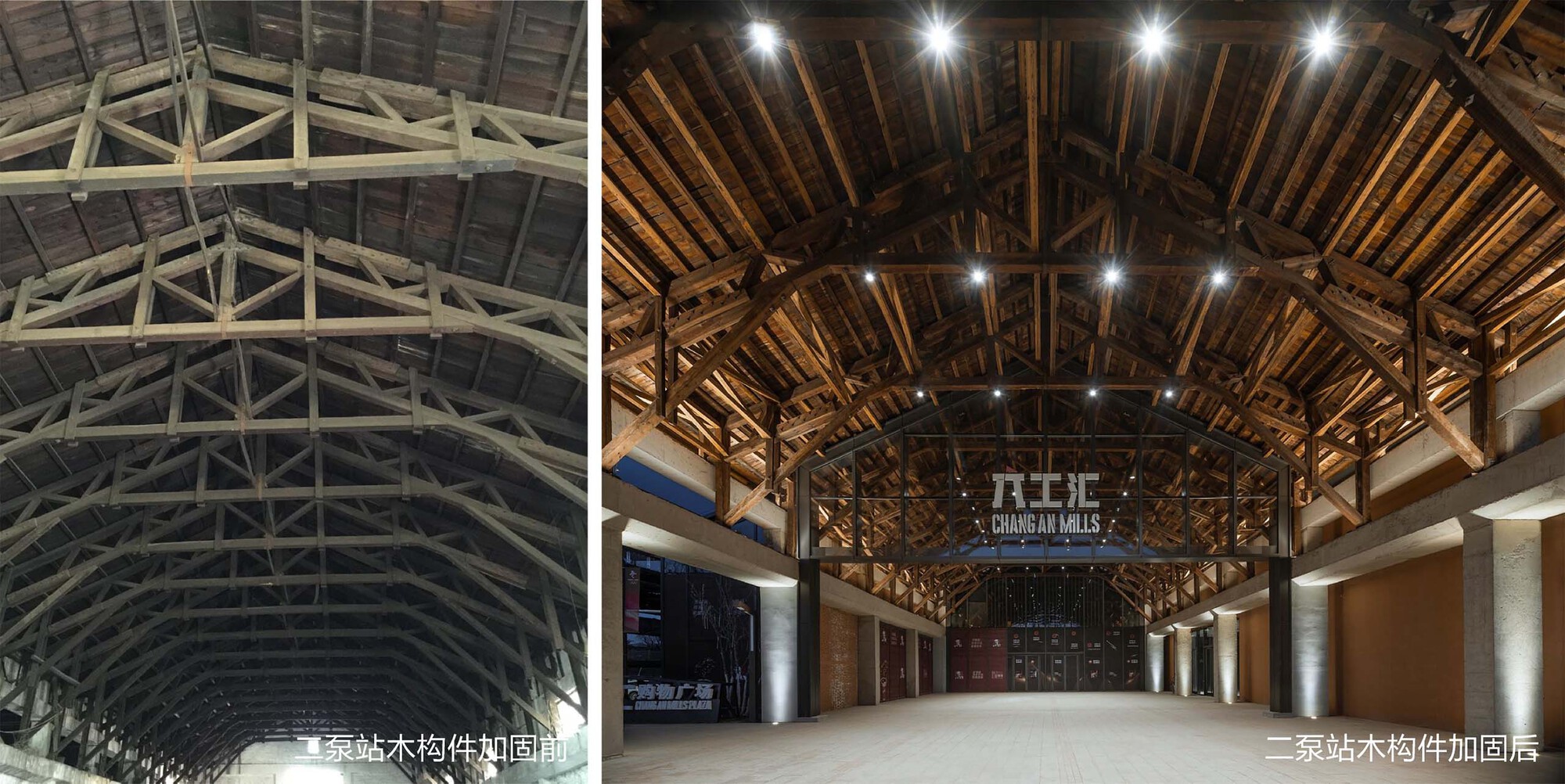
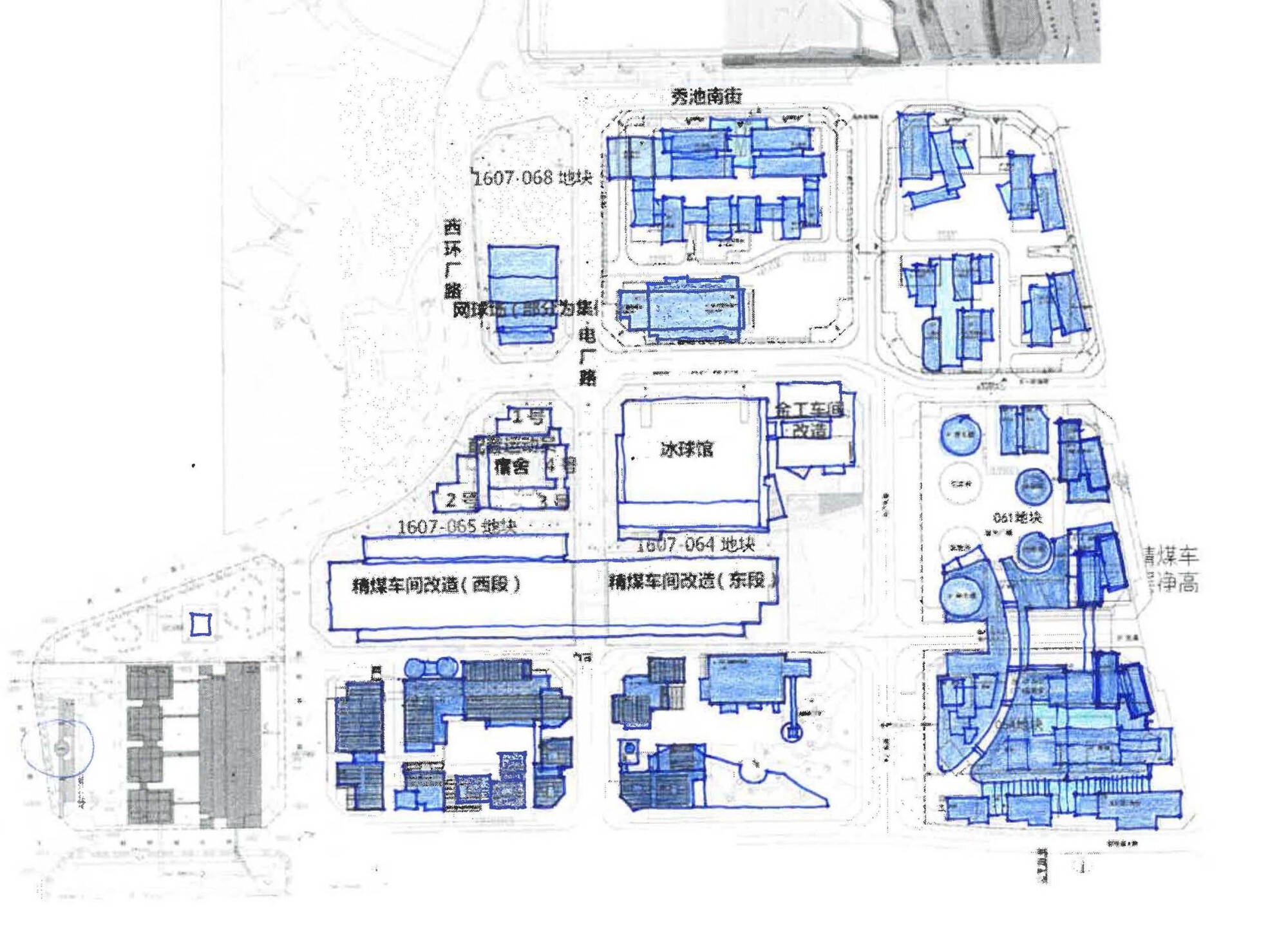
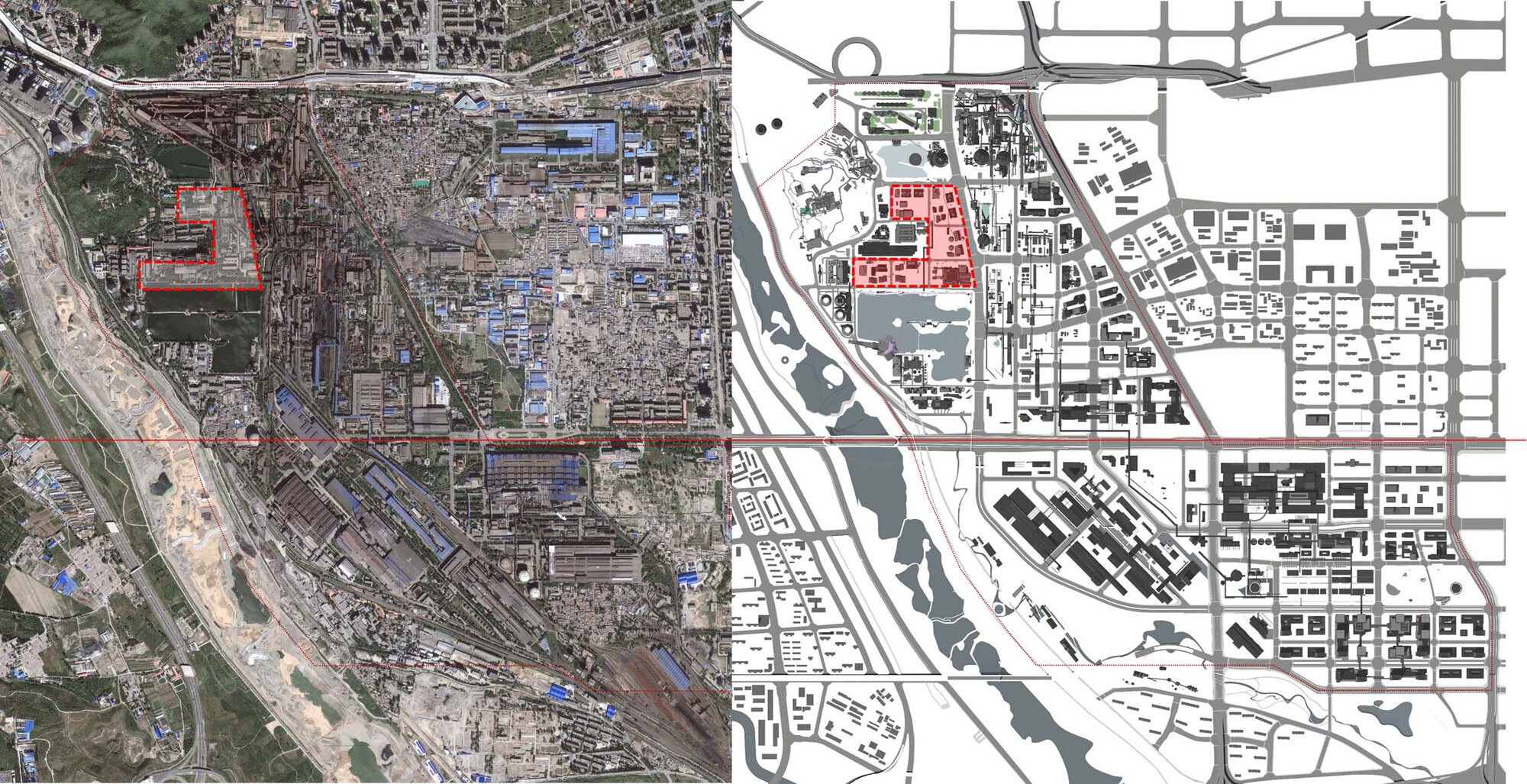
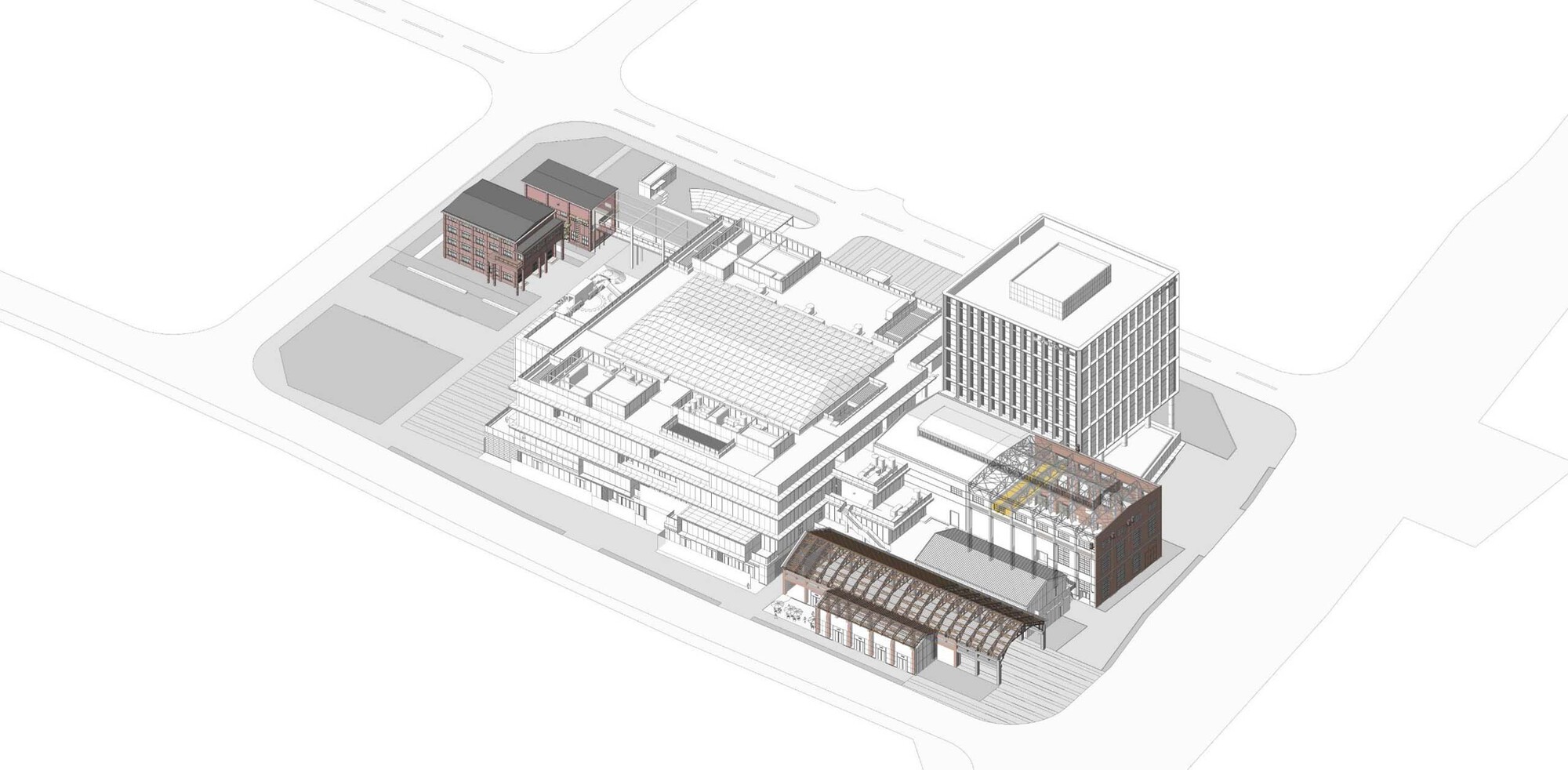
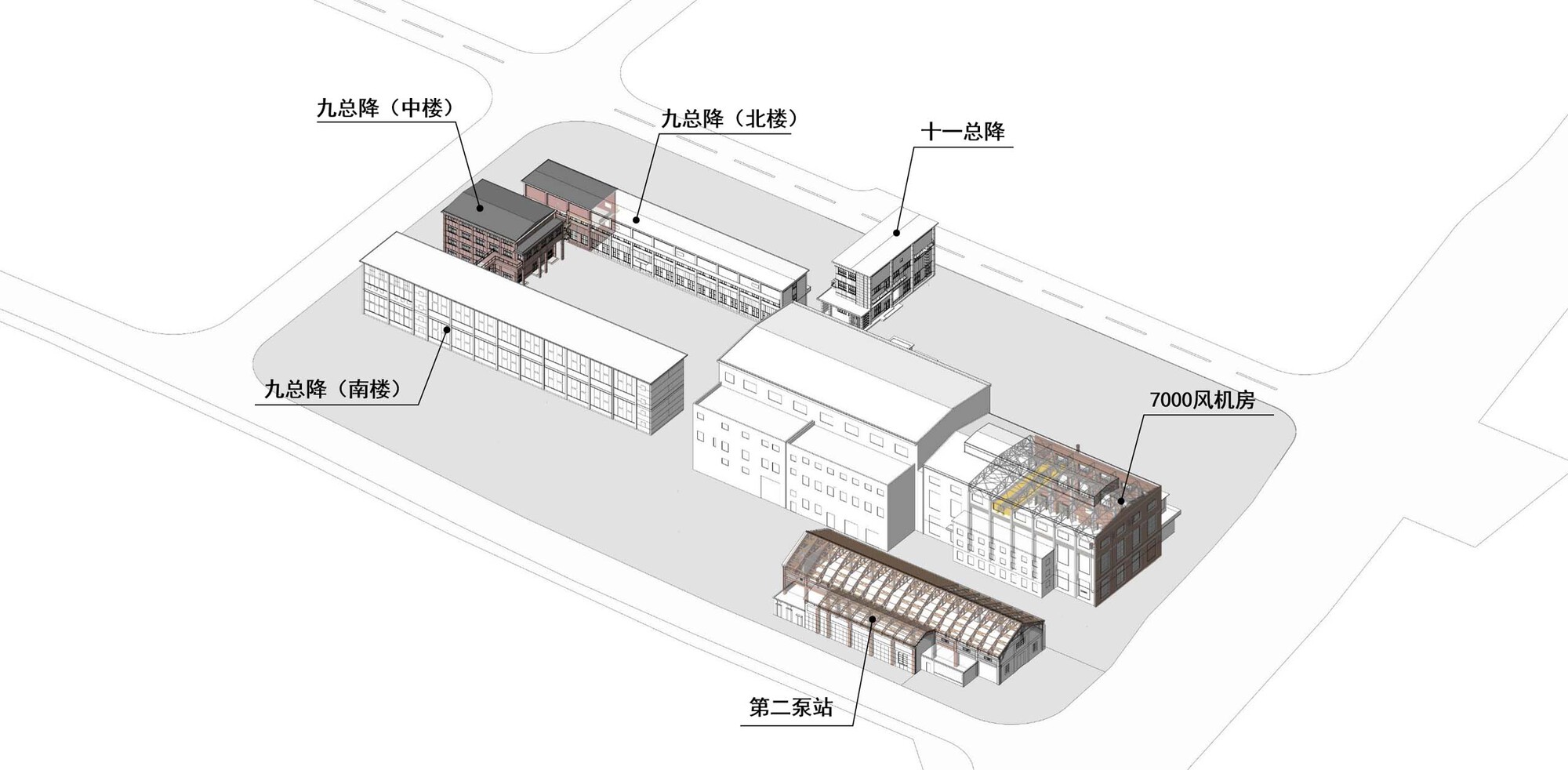
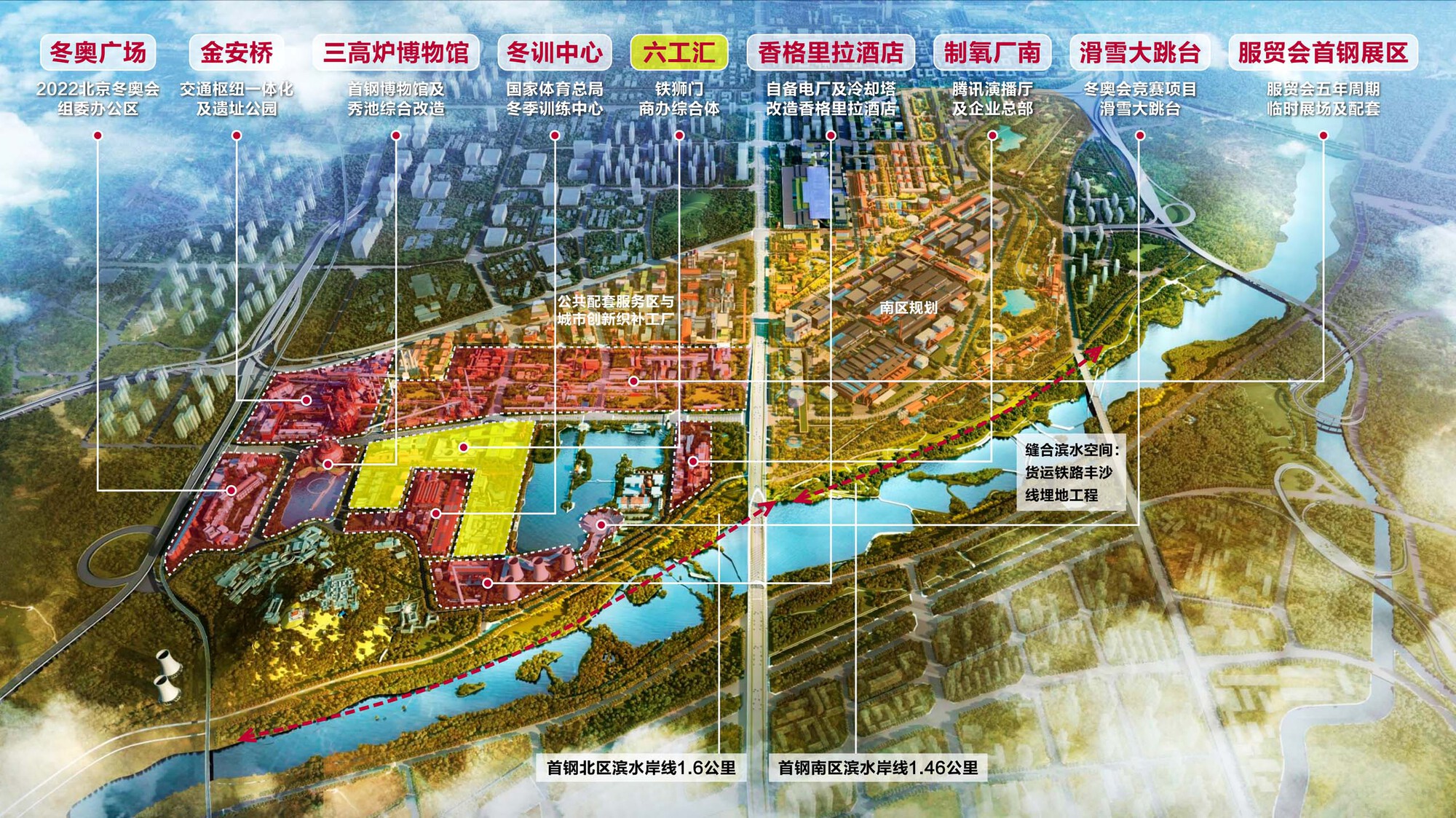
The Liugonghui project is located in the middle of the two lakes area, Qunming Lake and Xiuchi Pool, of the Shougang park in Shijingshan, western Beijing, with a total floor area of 223,753 square metres. This area became famous at home and abroad for serving the 2022 Winter Olympics; it was here that Eileen Gu and Su Yiming made history, achieving China's great breakthrough on the big air slope. Now, in the post-Olympic era, urban renewal at Shougang continues, and Liugonghui is born against this temporal and spatial background. On 18 June of this year, the Liugonghui shopping plaza opened. The associated office parcels have been delivered and put into operation one after another, marking the start of Shougang's renewal from sports-plus to city-plus. Returning to the block to recreate urban vitality. Neighbourhood activity brings urban vitality. After industry and the Olympics, the generation and sustainability of urban vitality is the great challenge of area renewal. Jane Jacobs advocacy of the meaning of urban space remains instructive for the activation of contemporary urban space. A block with neighbourhood activity can achieve long-term spatial value; urban design therefore makes a typological choice based on TND, Traditional Neighbourhood Development, using these design elements as the underlying logic to organise Liugonghui. The project is a mixed-use redevelopment of the former Shougang industrial plant, combining retail, offices, cultural venues and public space around the retained industrial structures. It is a model of post-Olympic urban renewal, showing how a heavy-industry site can become a living mixed-use quarter that serves both the local community and visitors from across Beijing.















 Editor's Pick
 Latest Design




