Text description provided by the architects
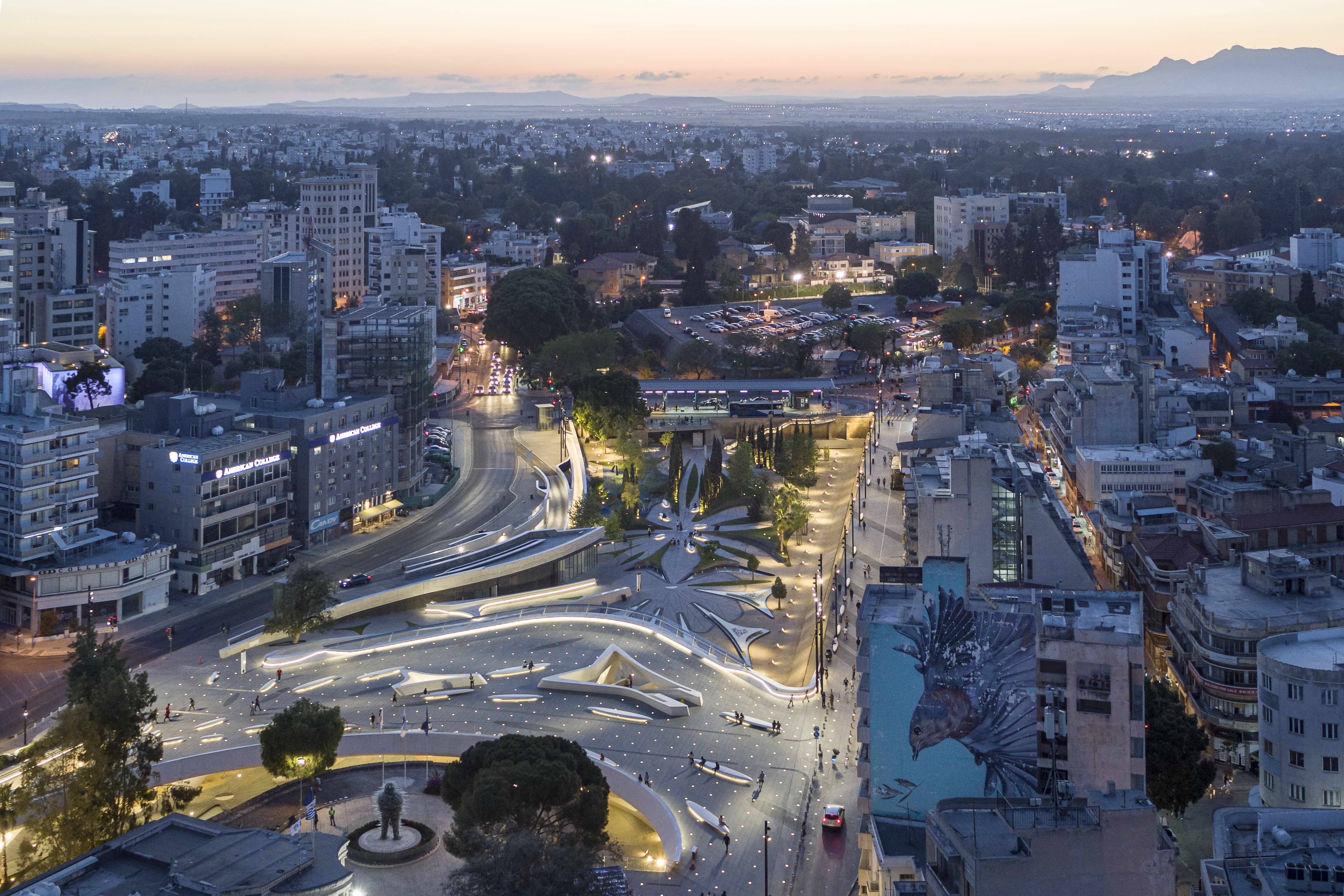
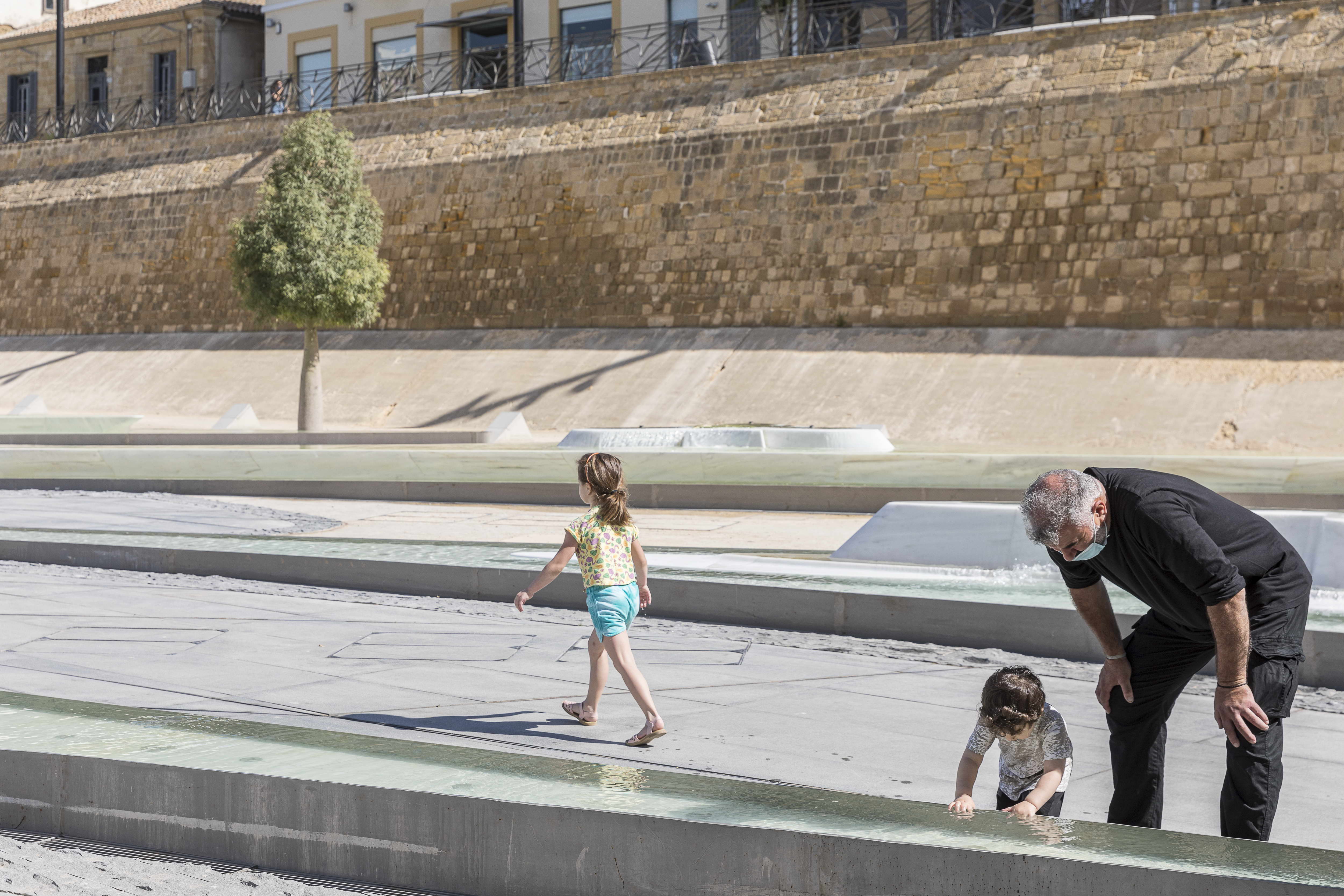
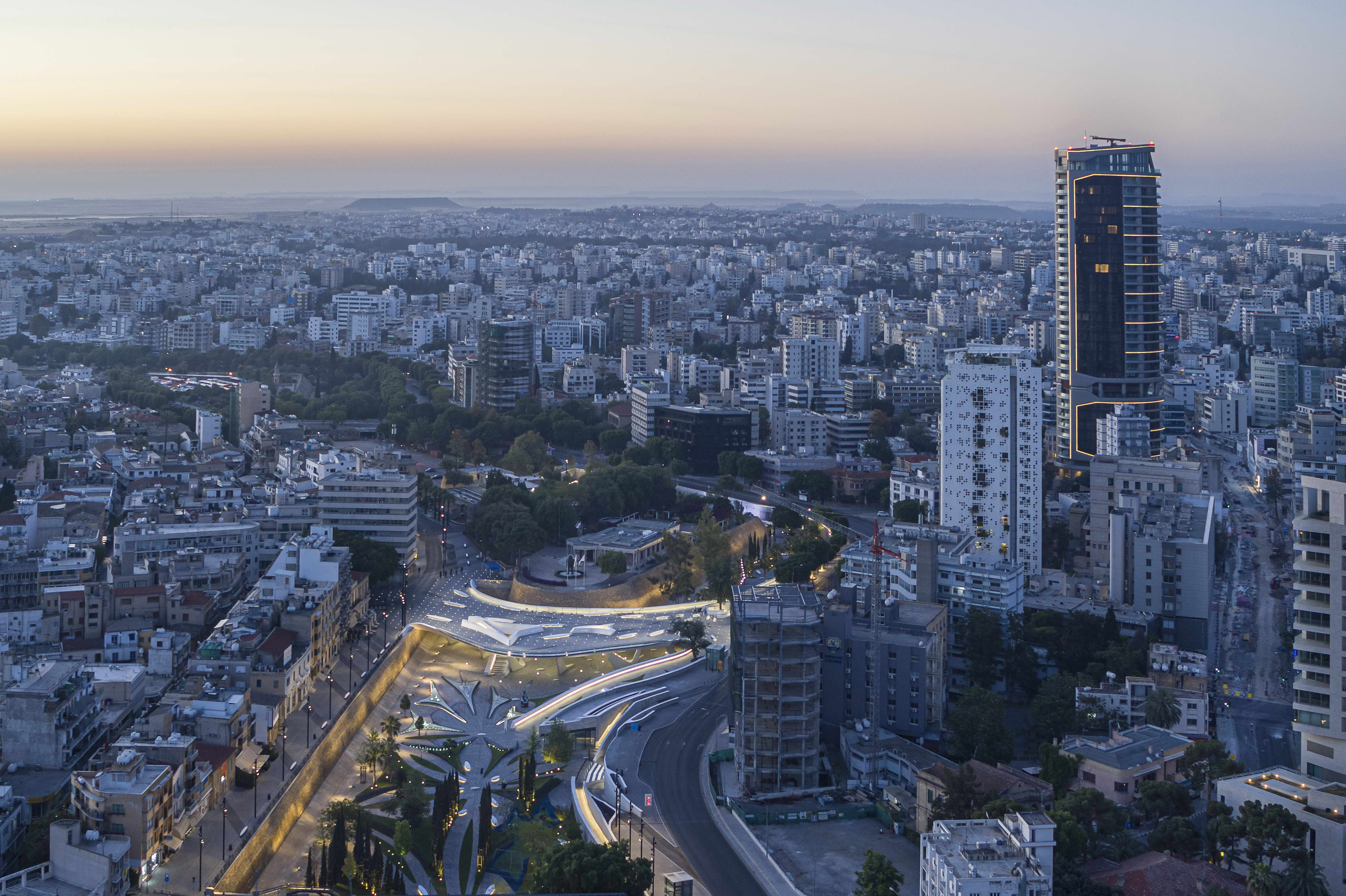
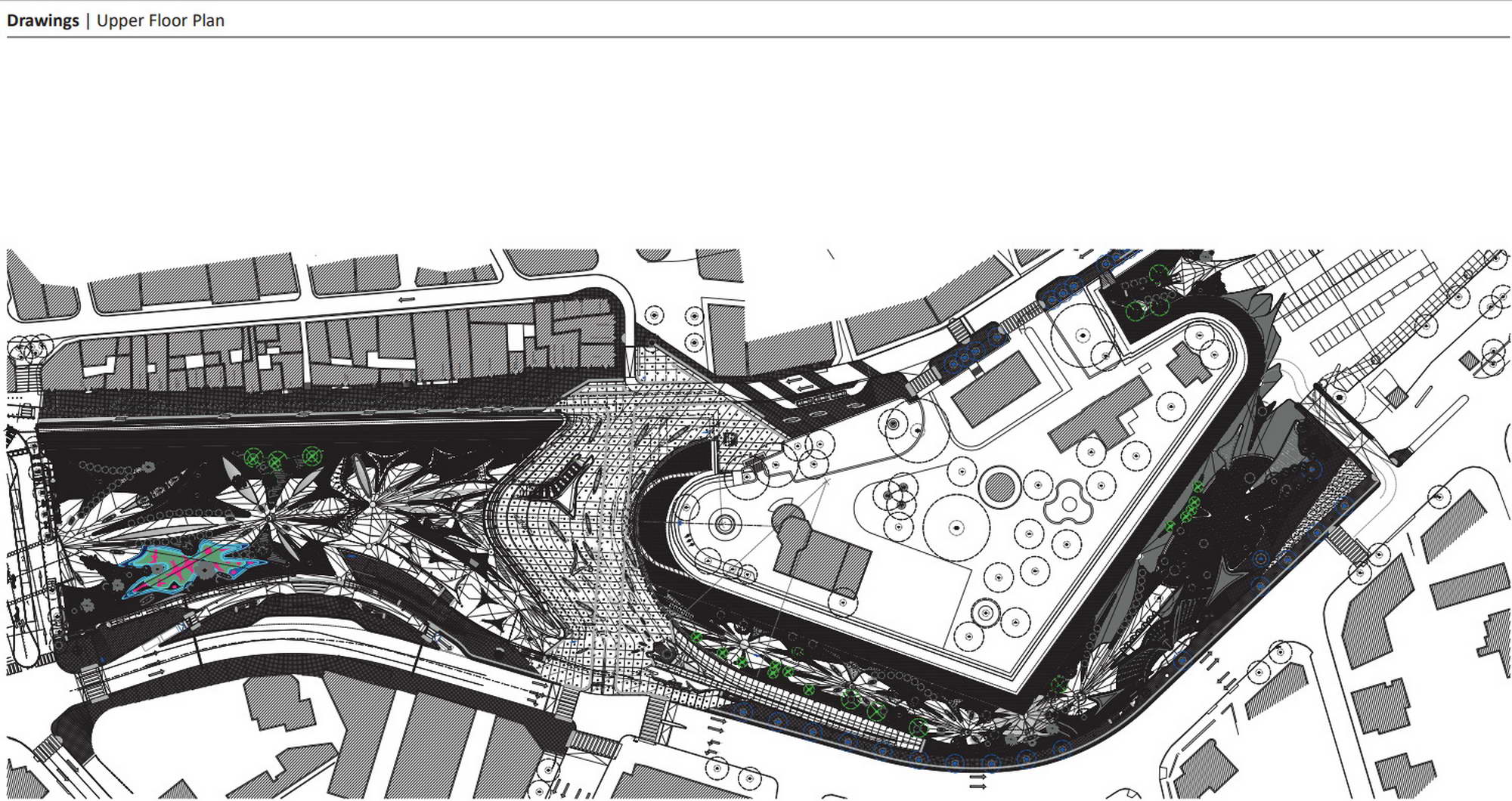
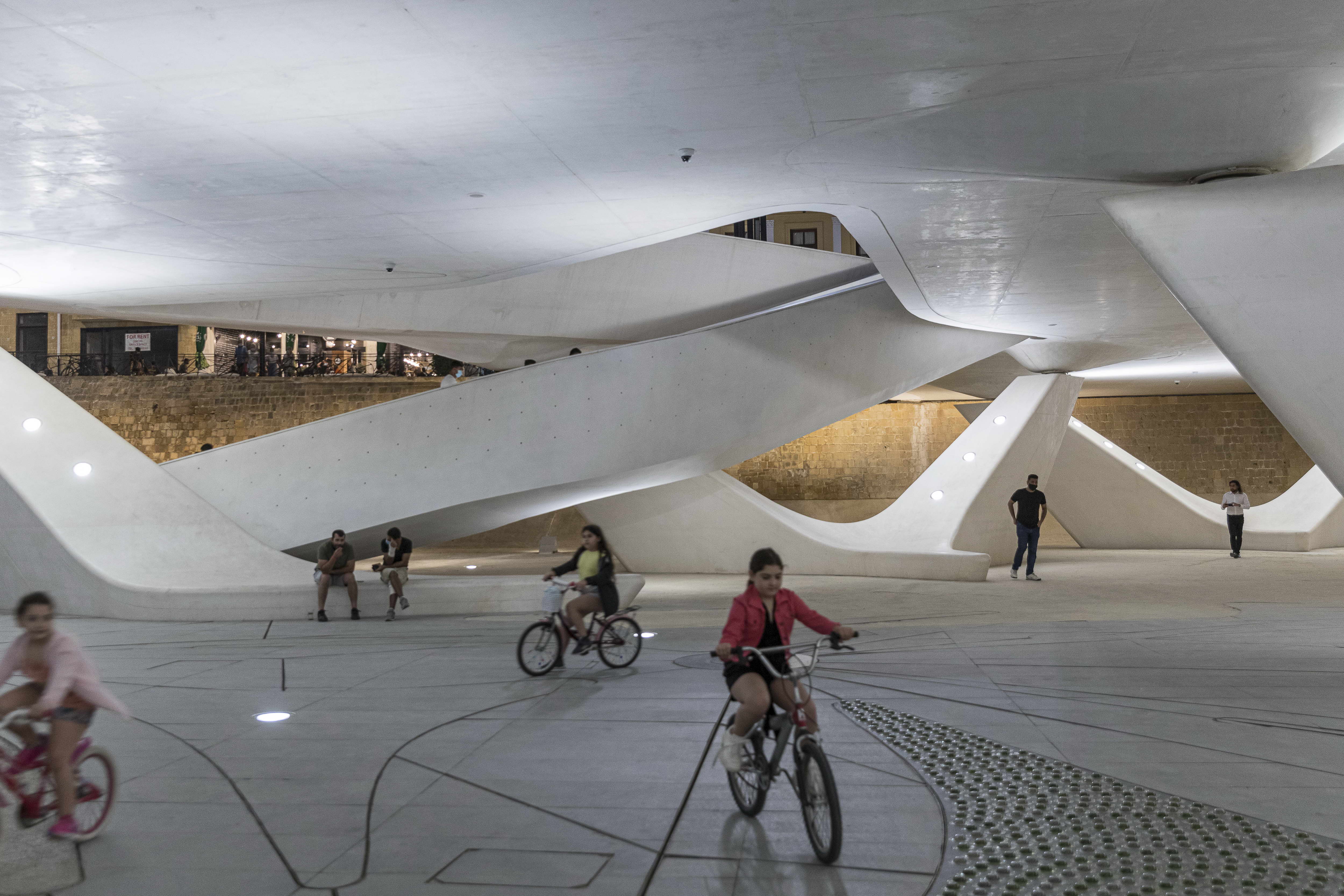
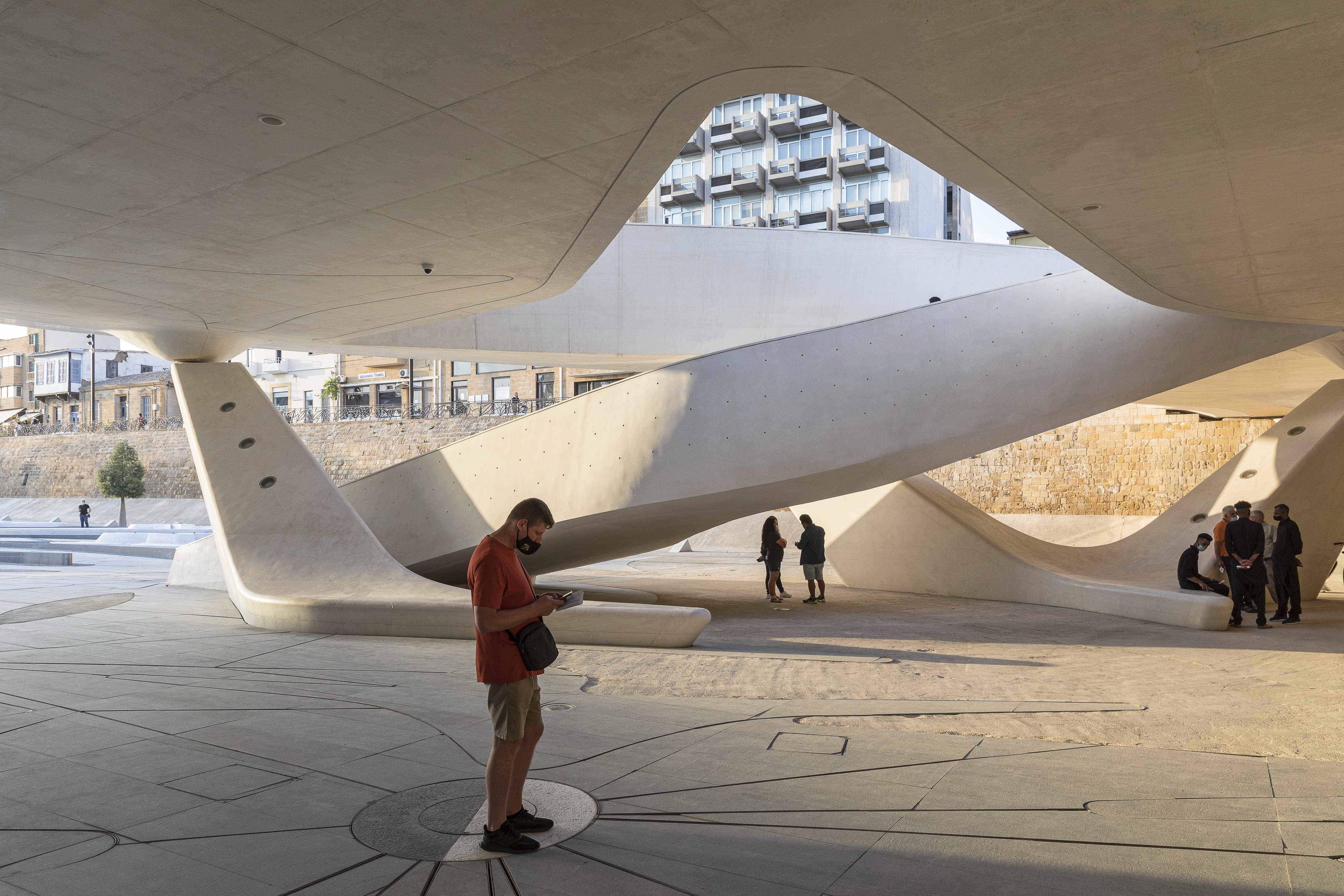
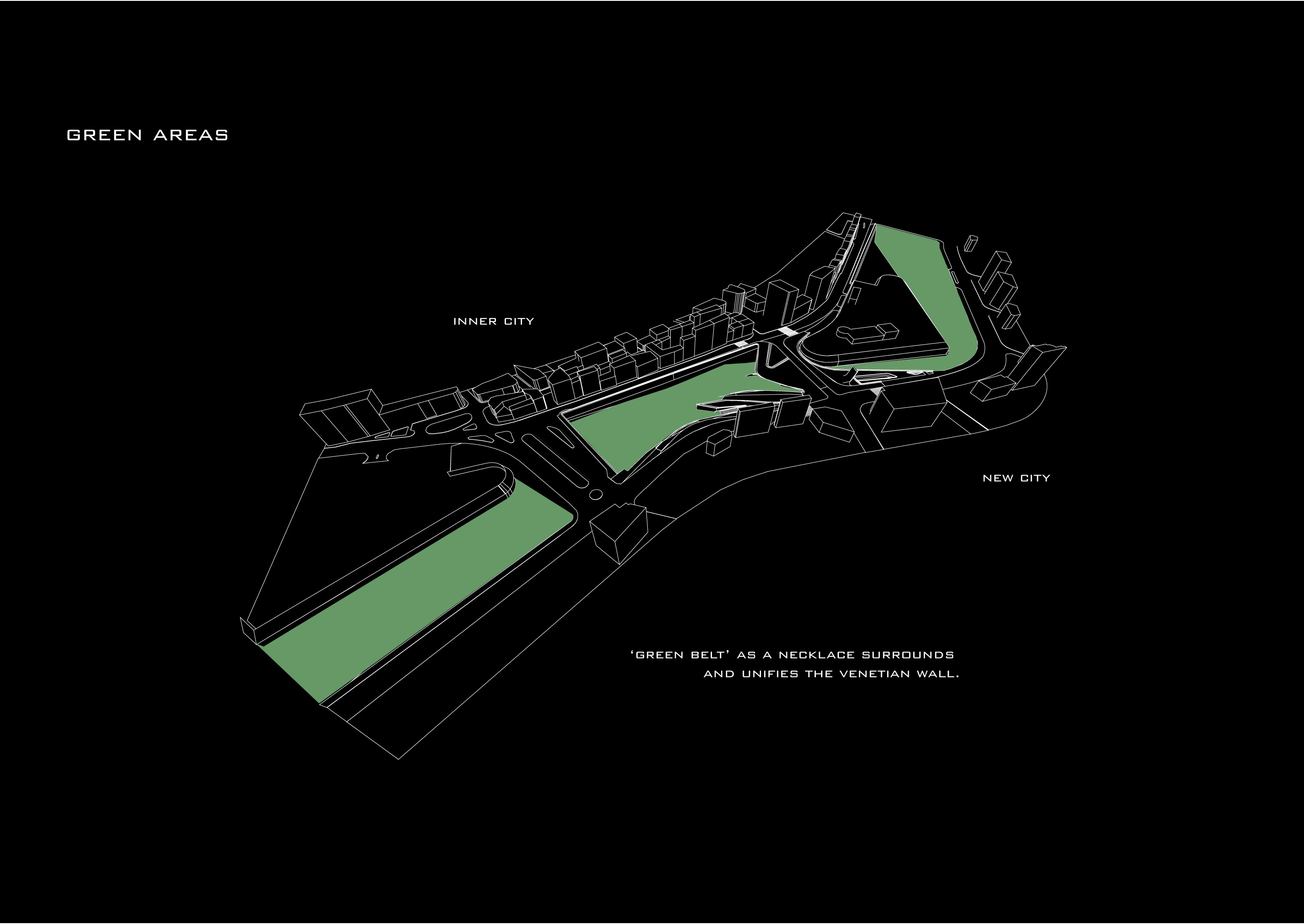
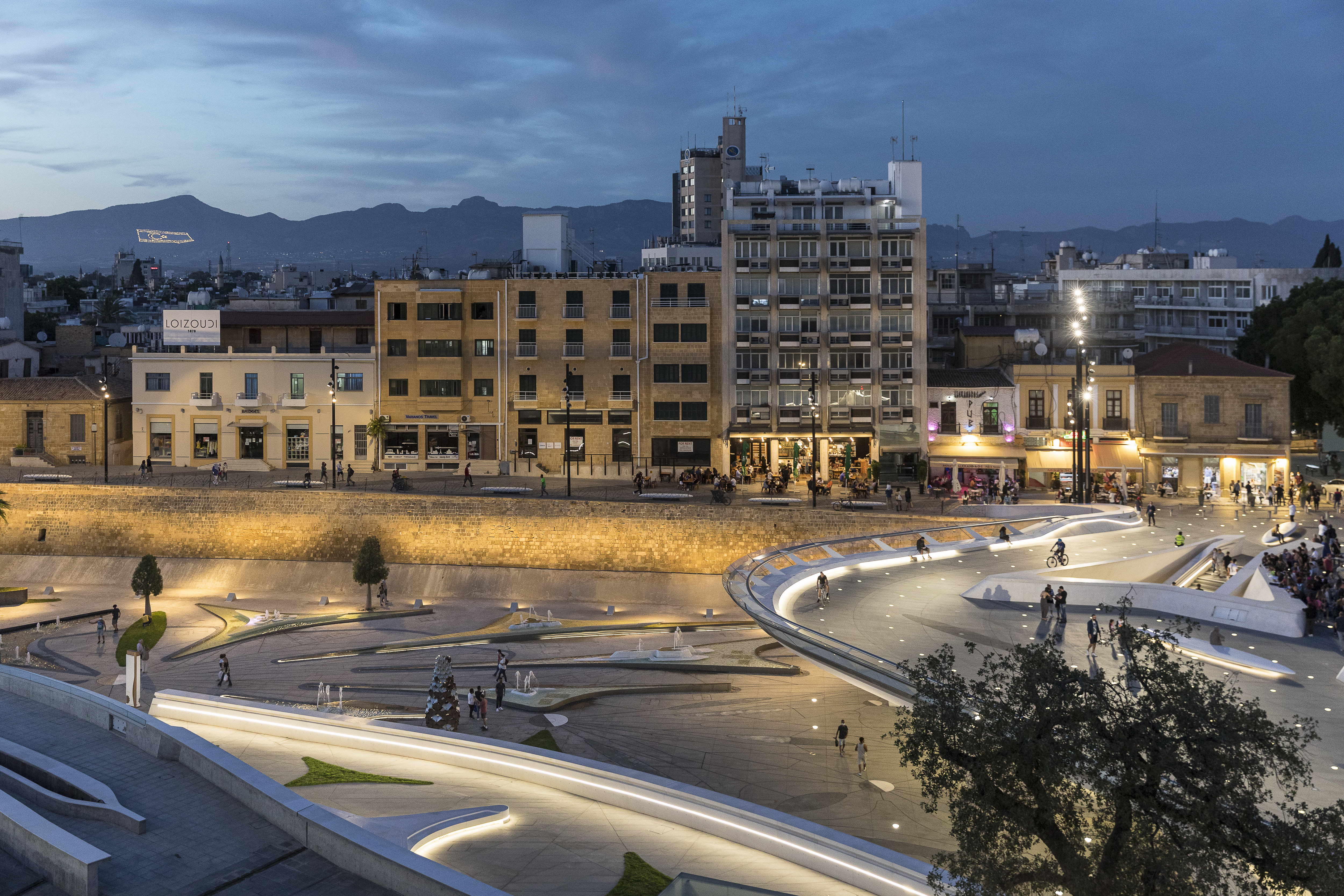
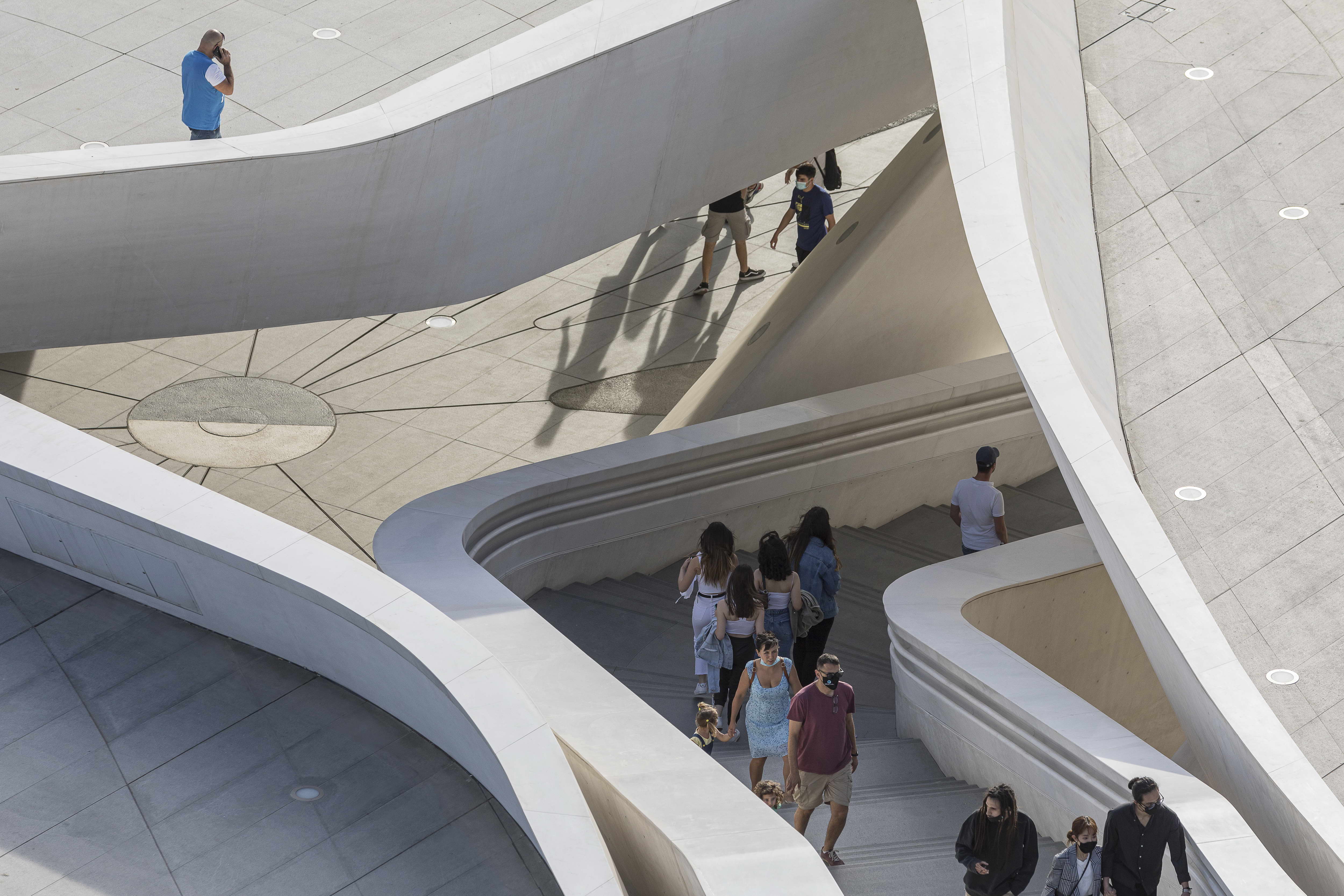
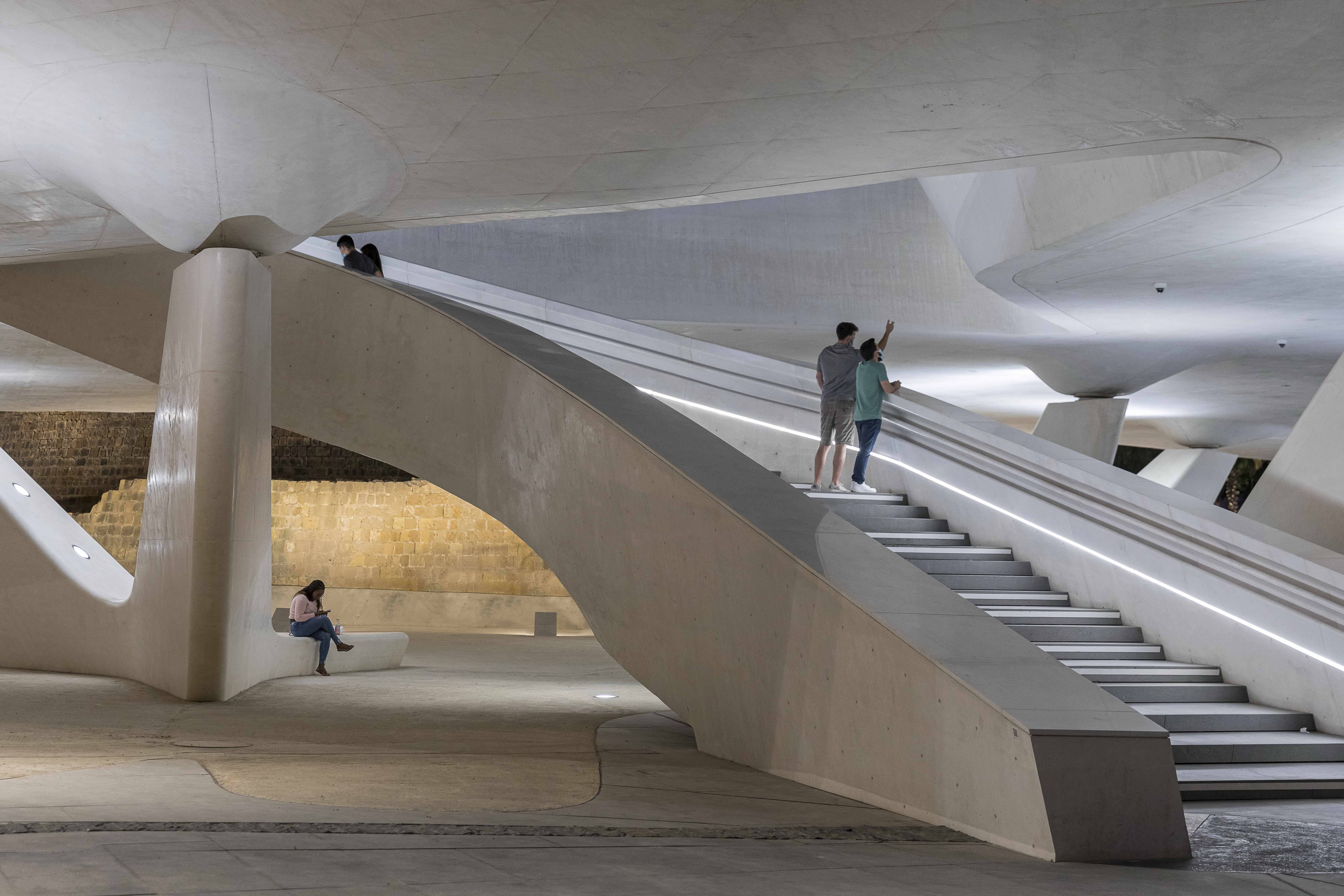
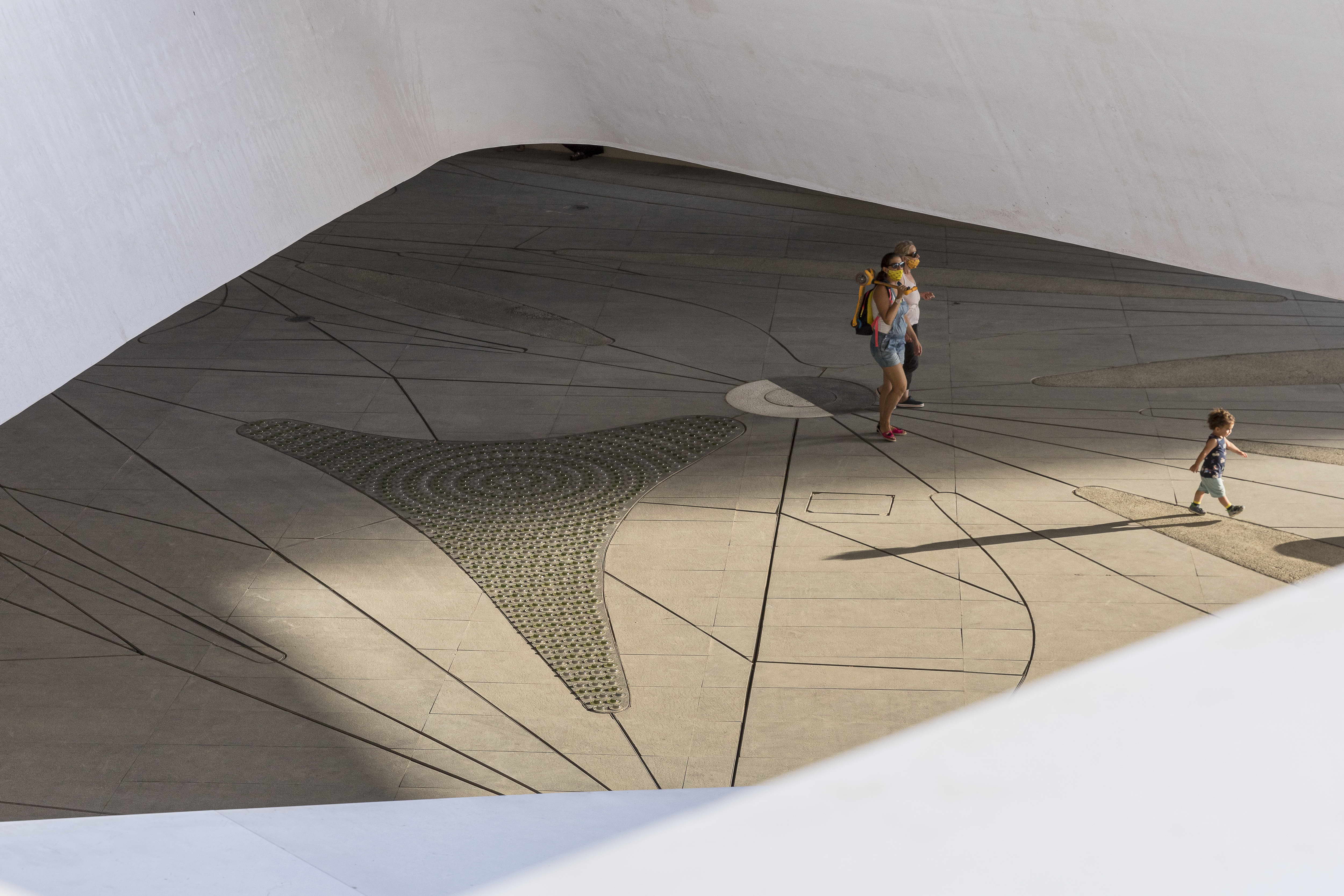
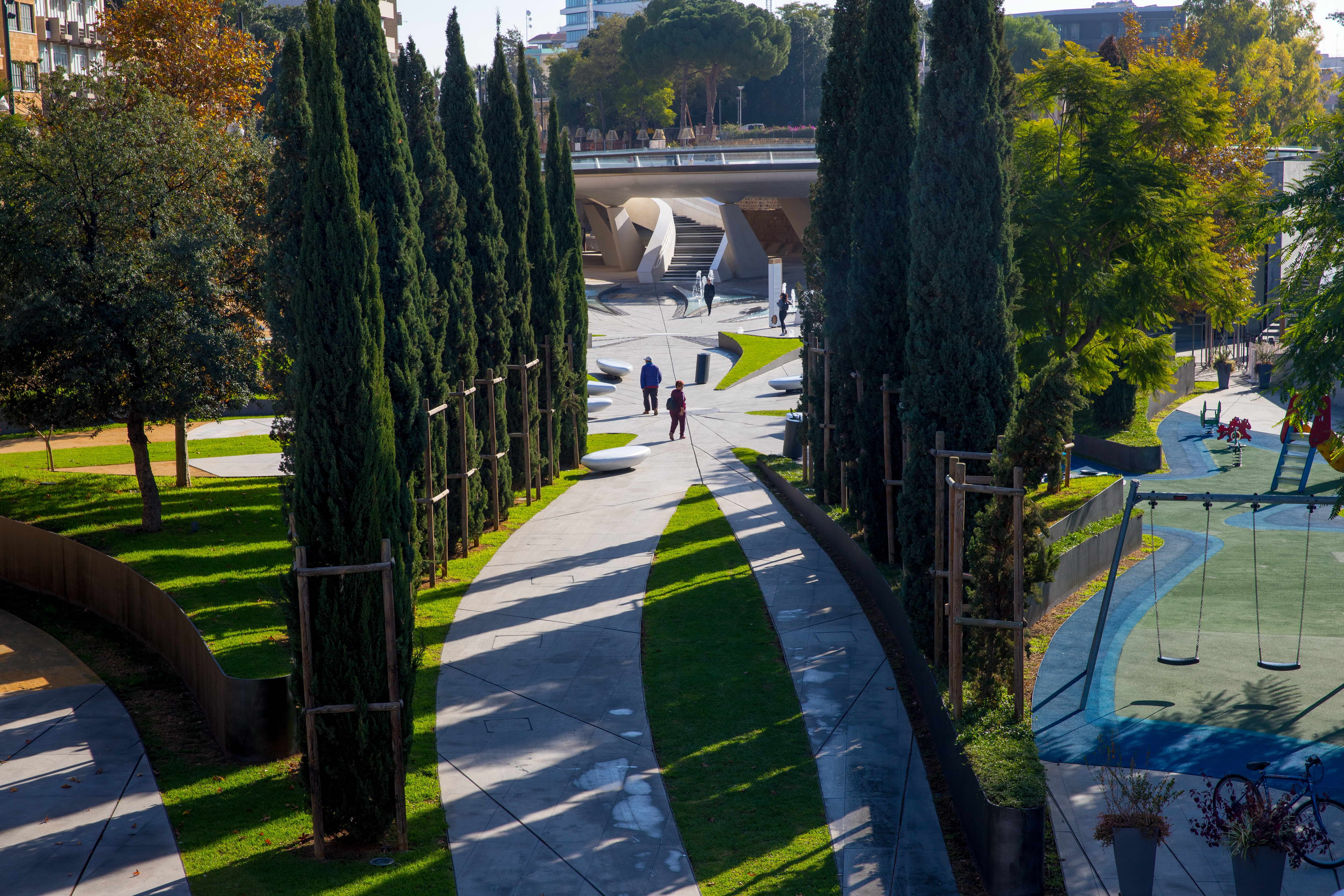
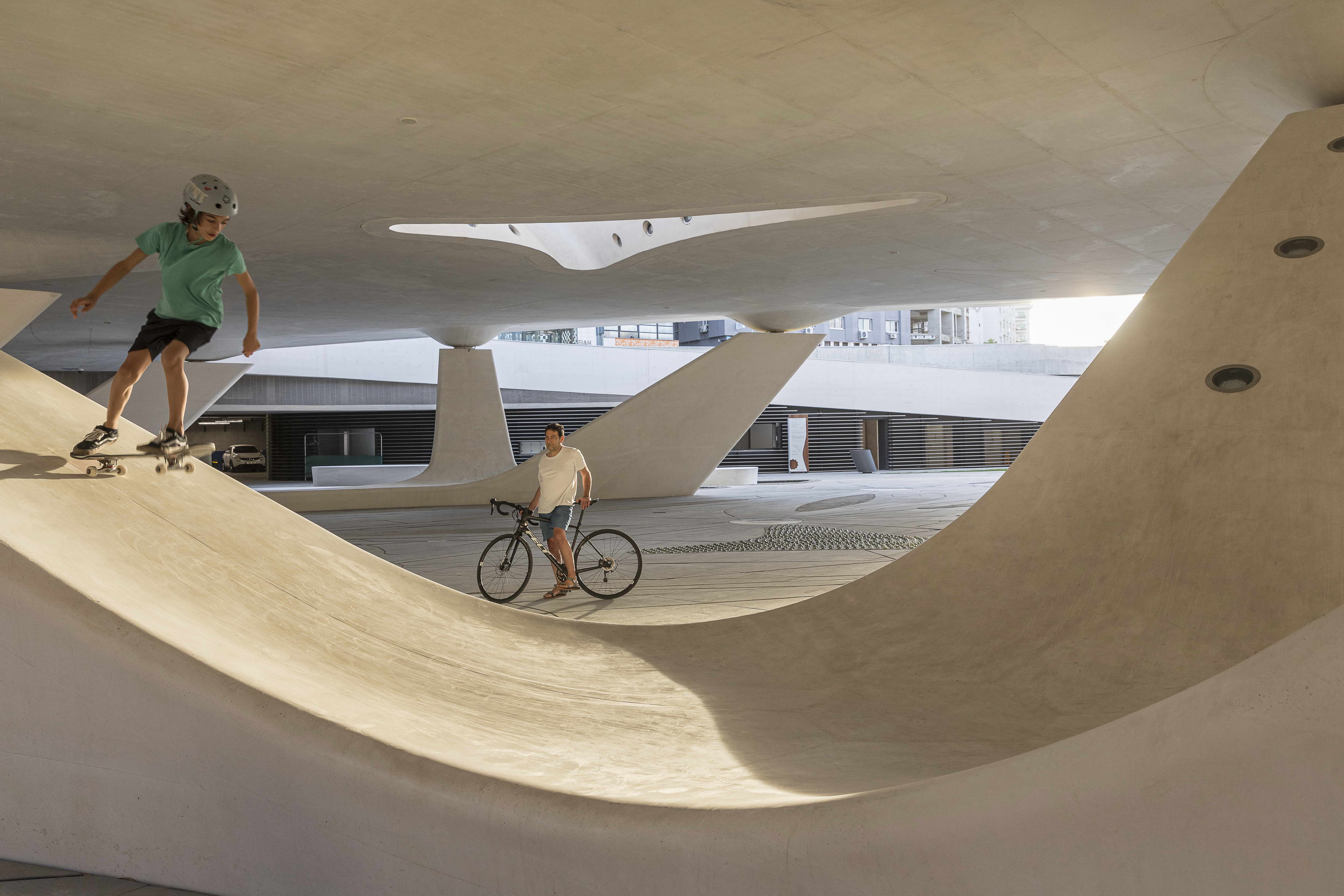
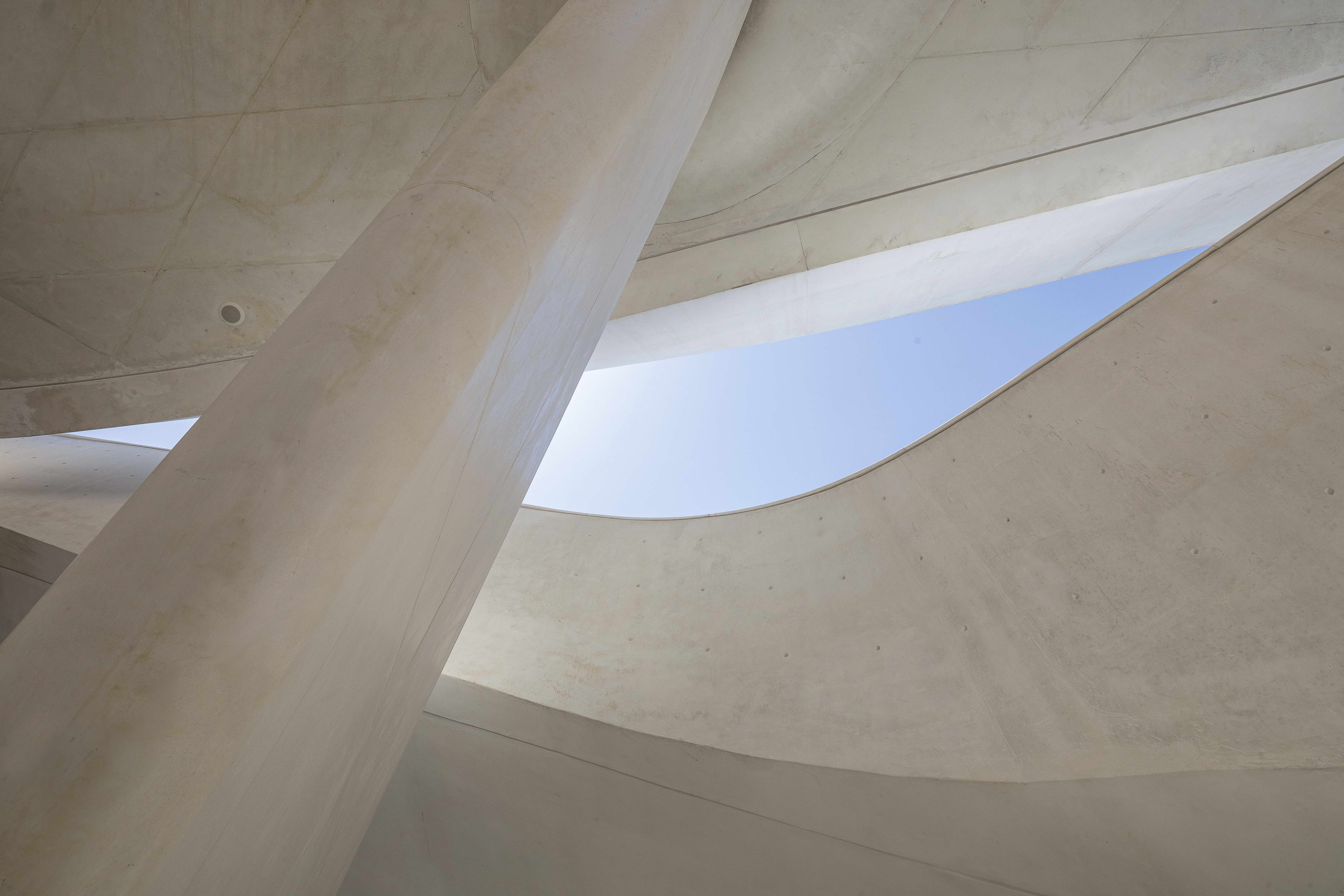
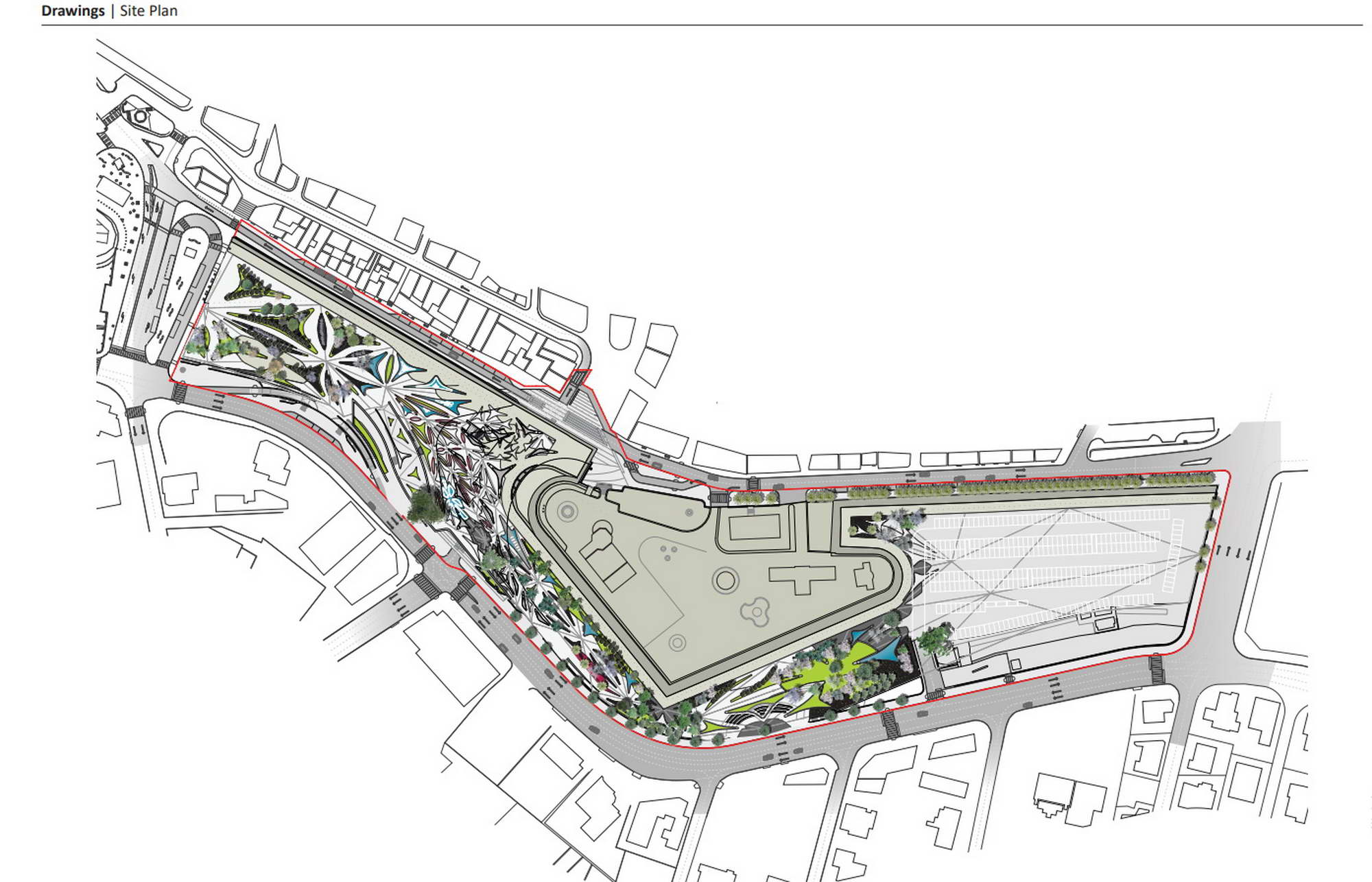
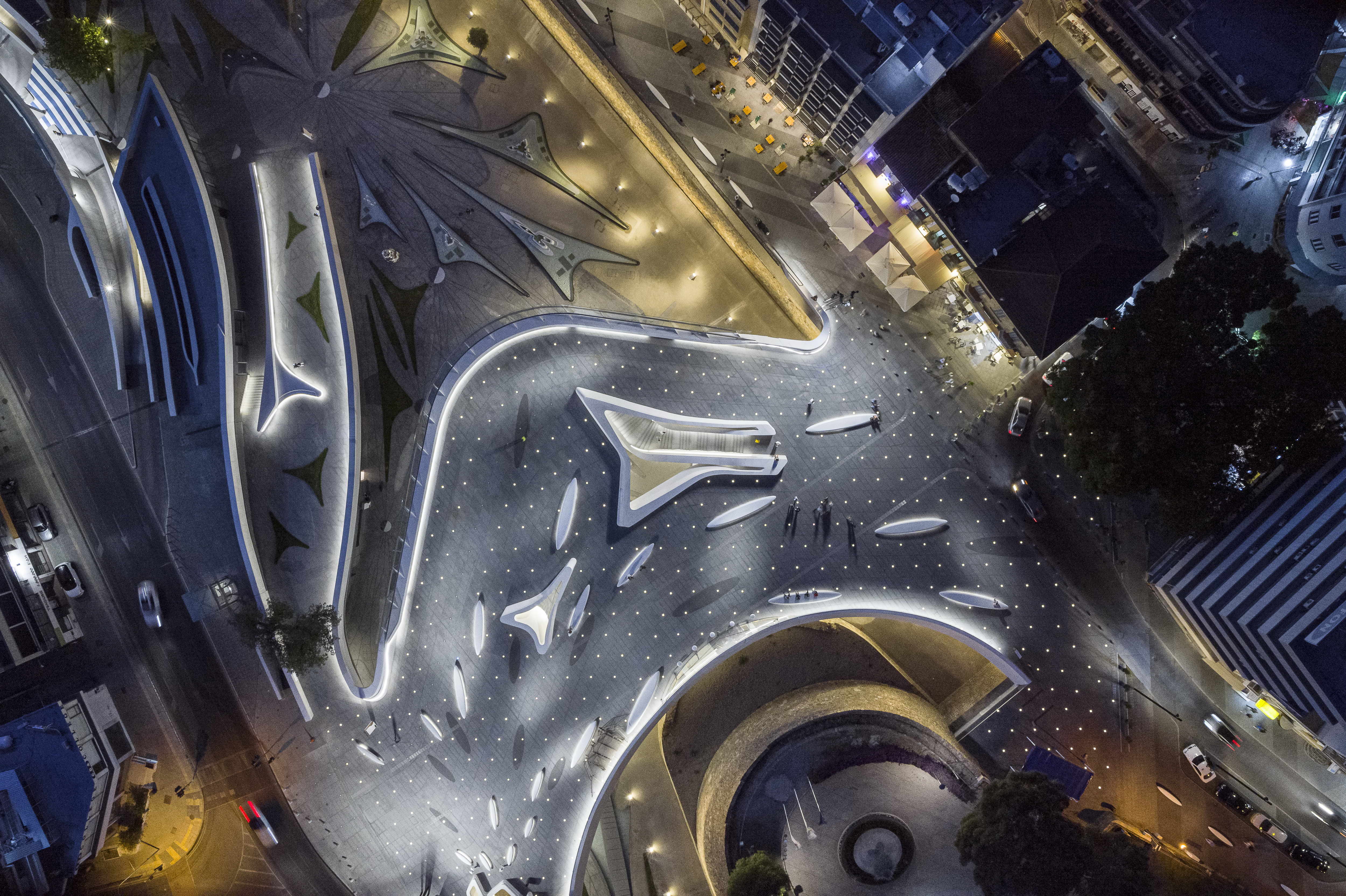
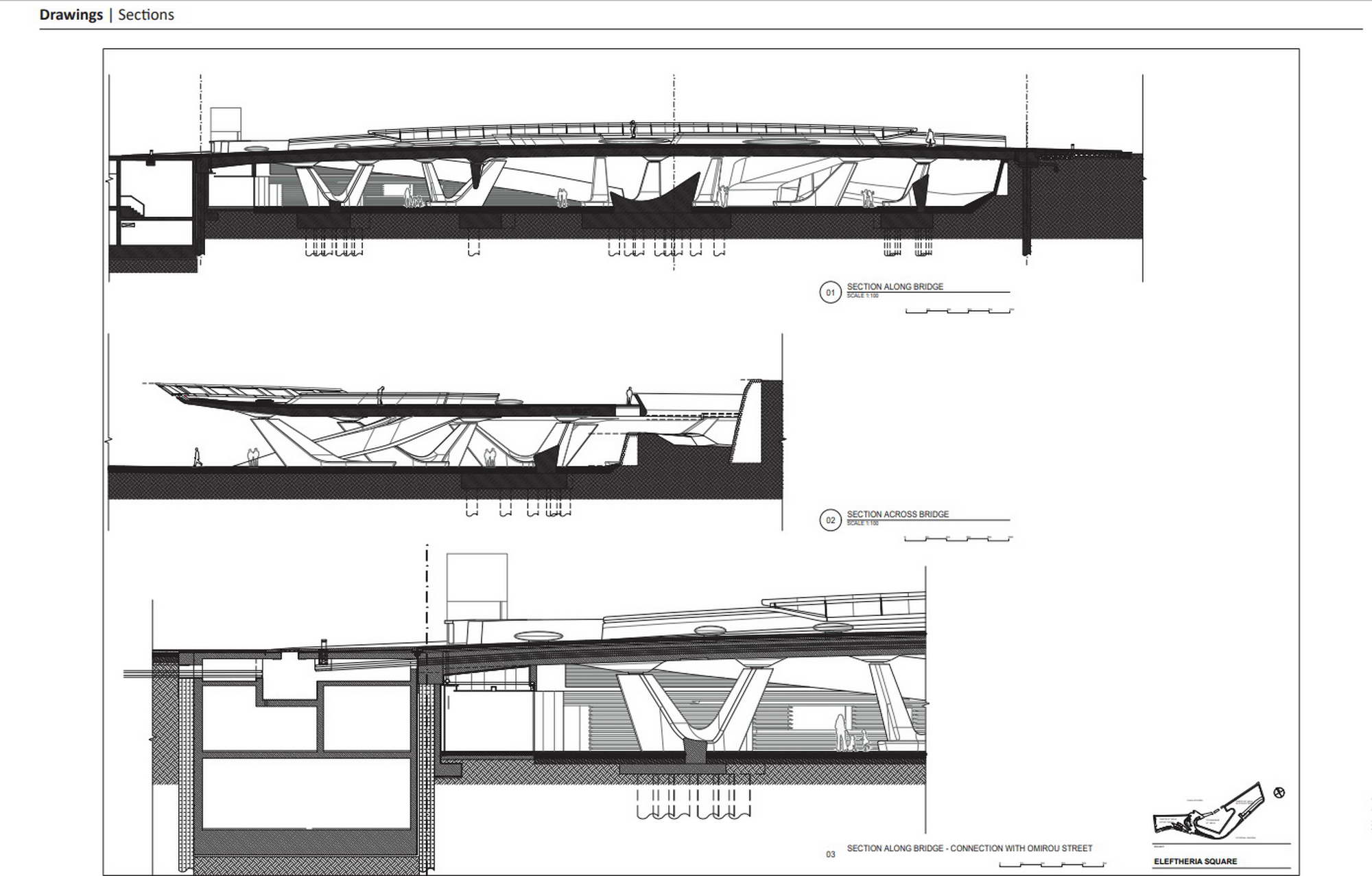
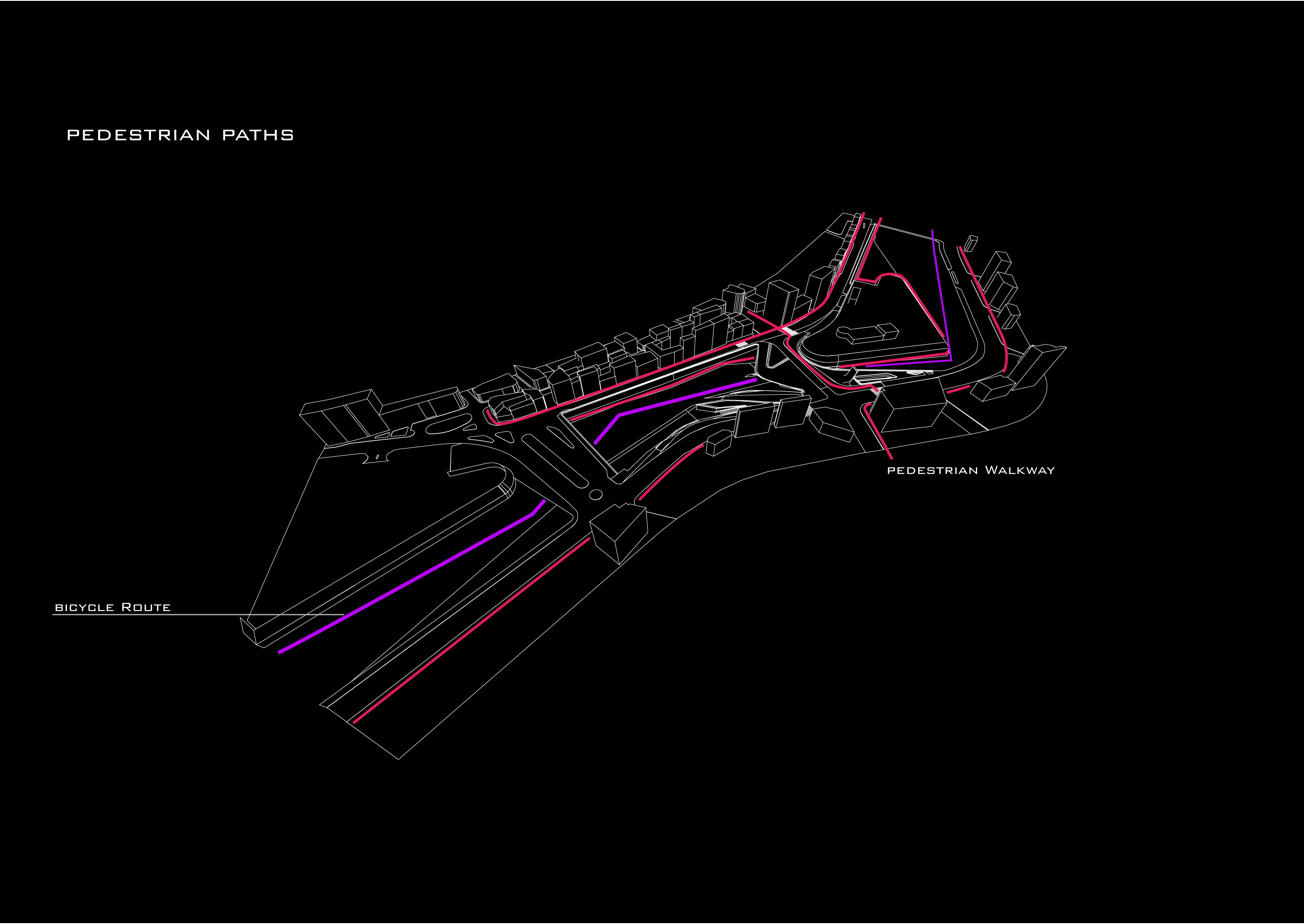
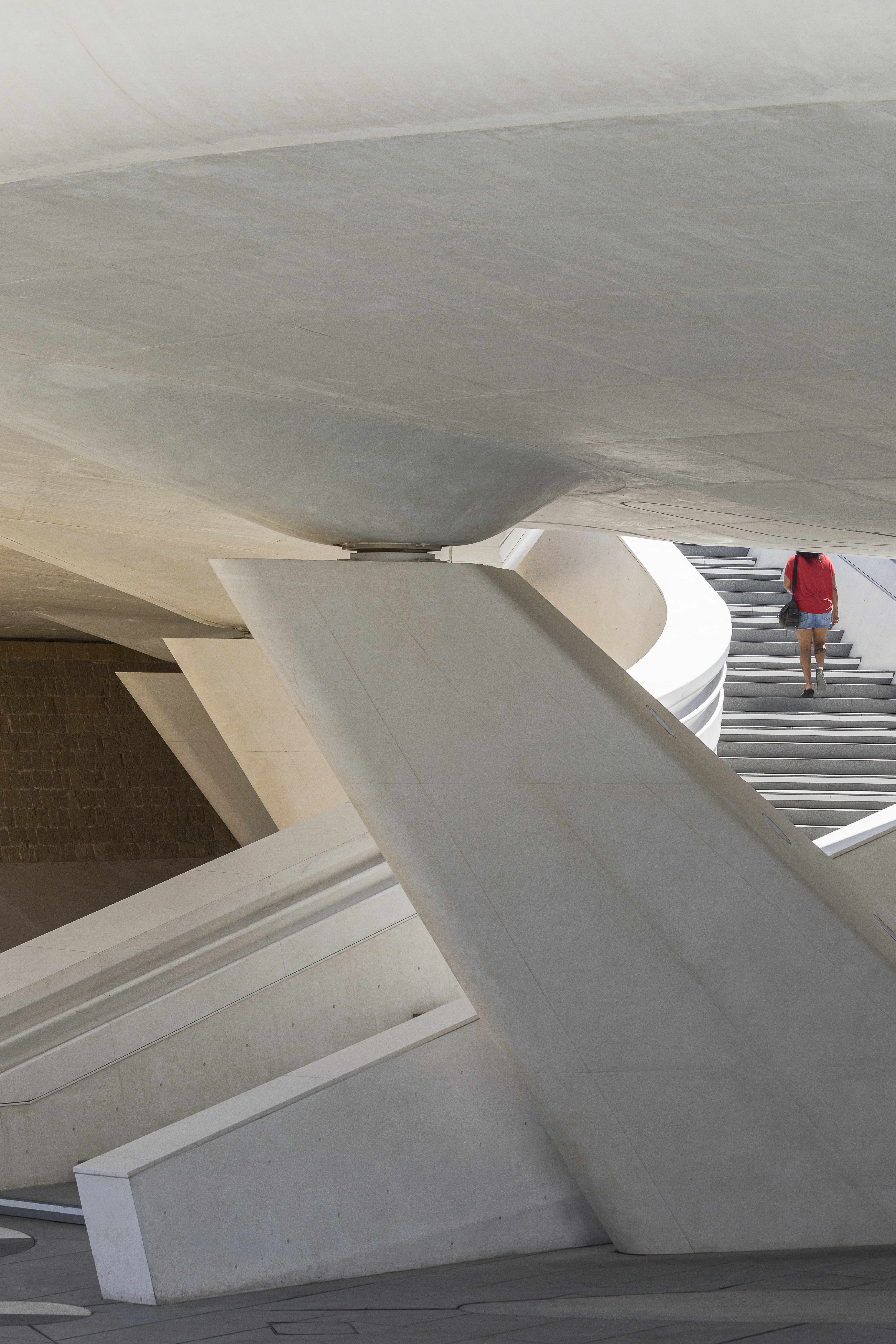
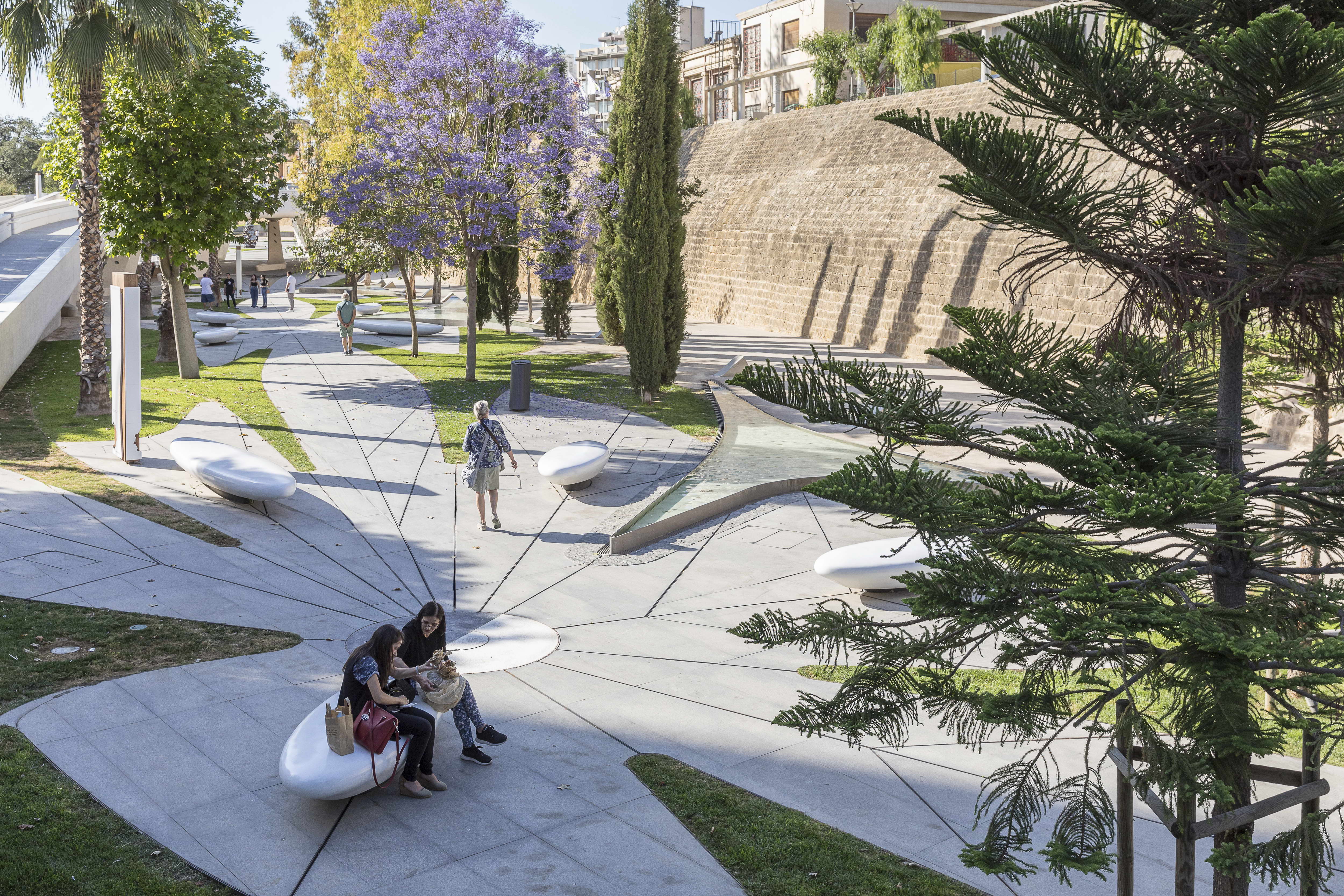
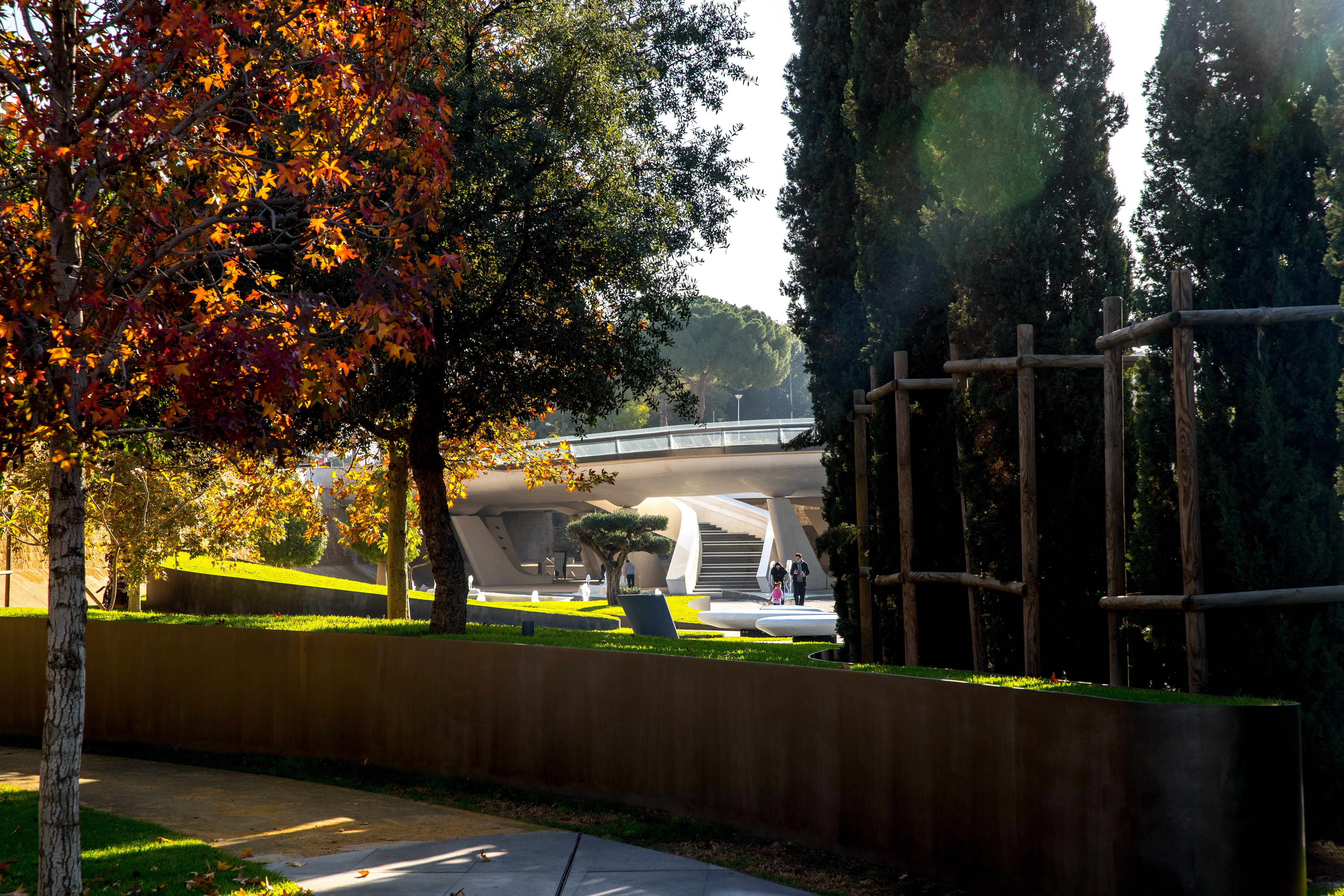
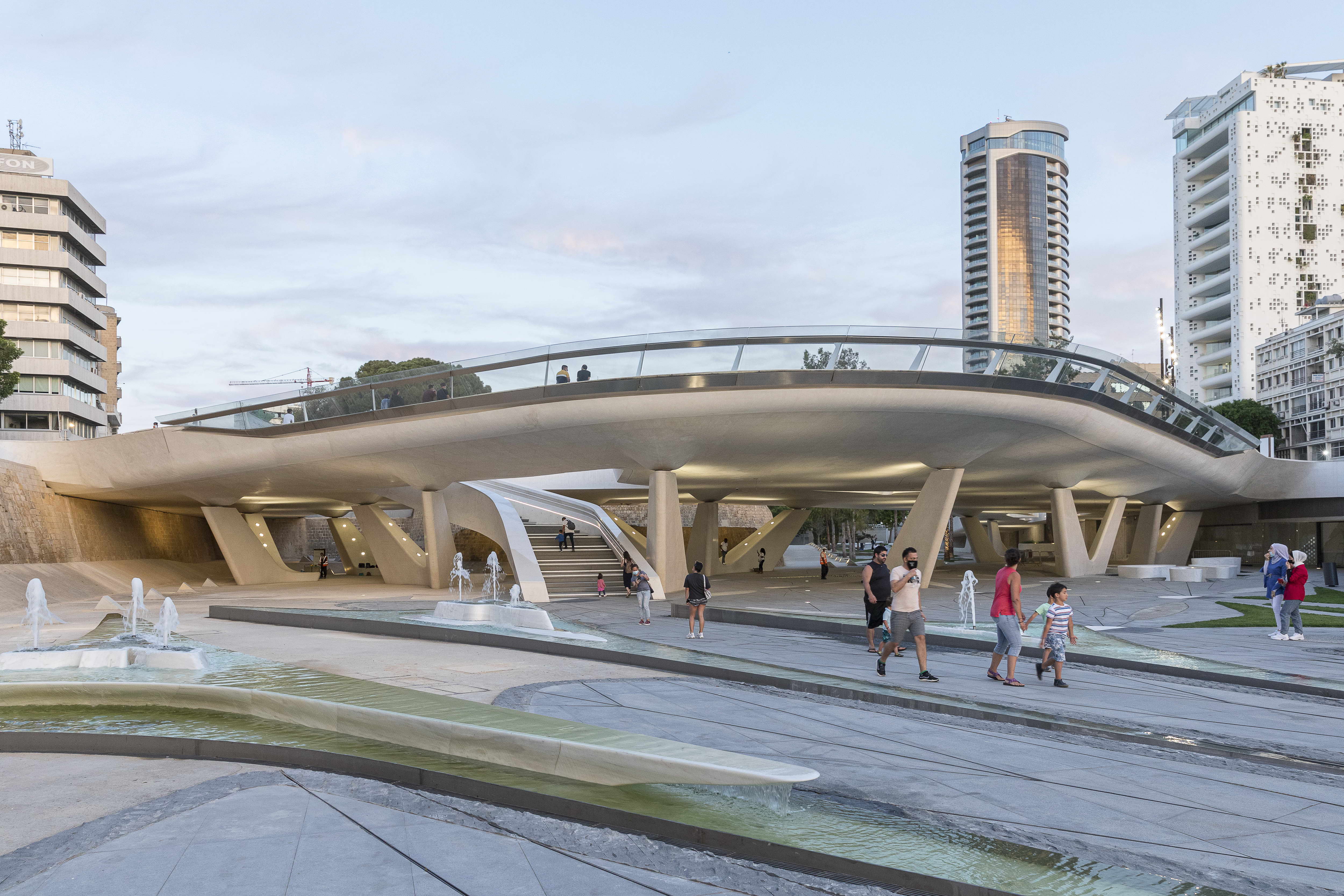
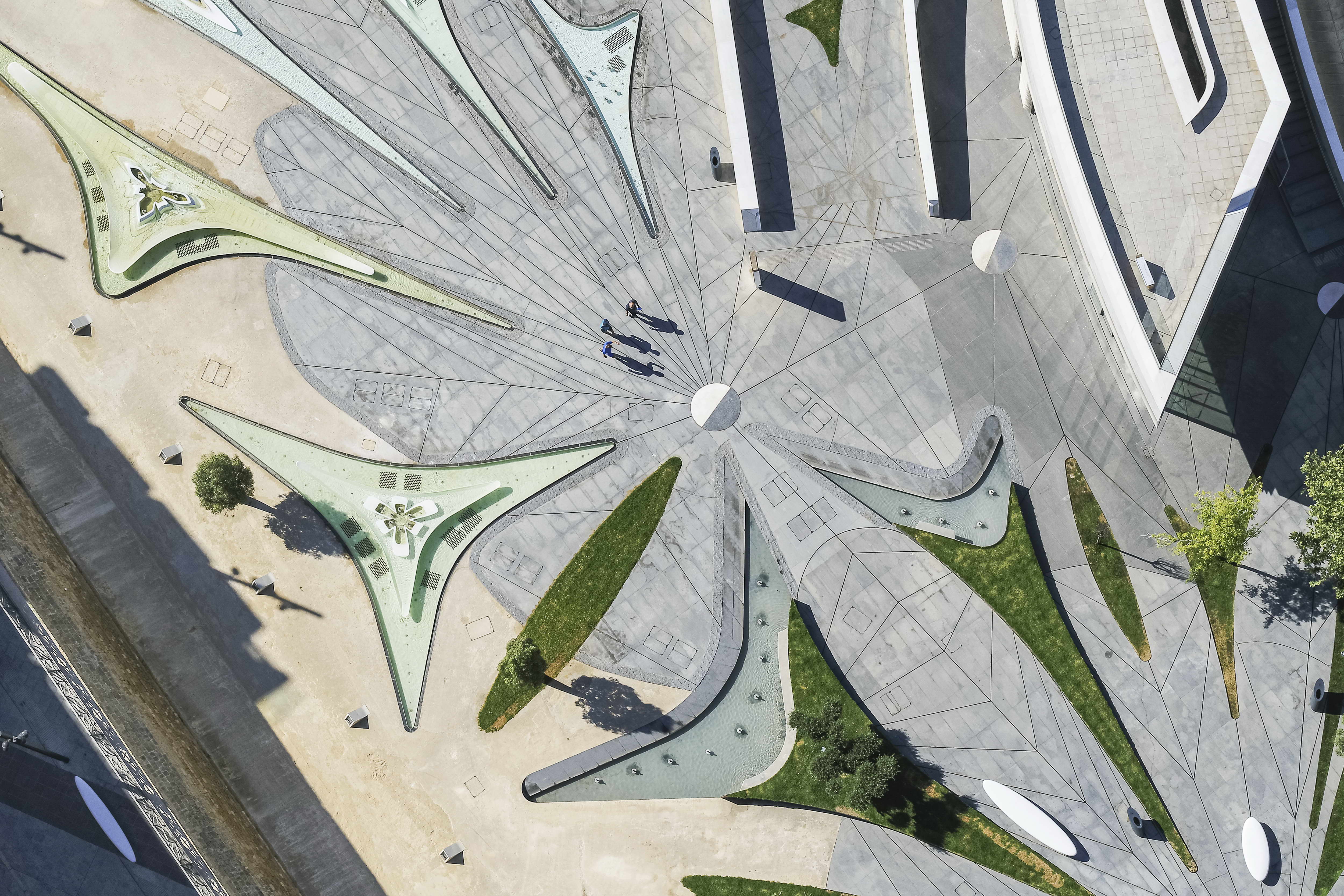
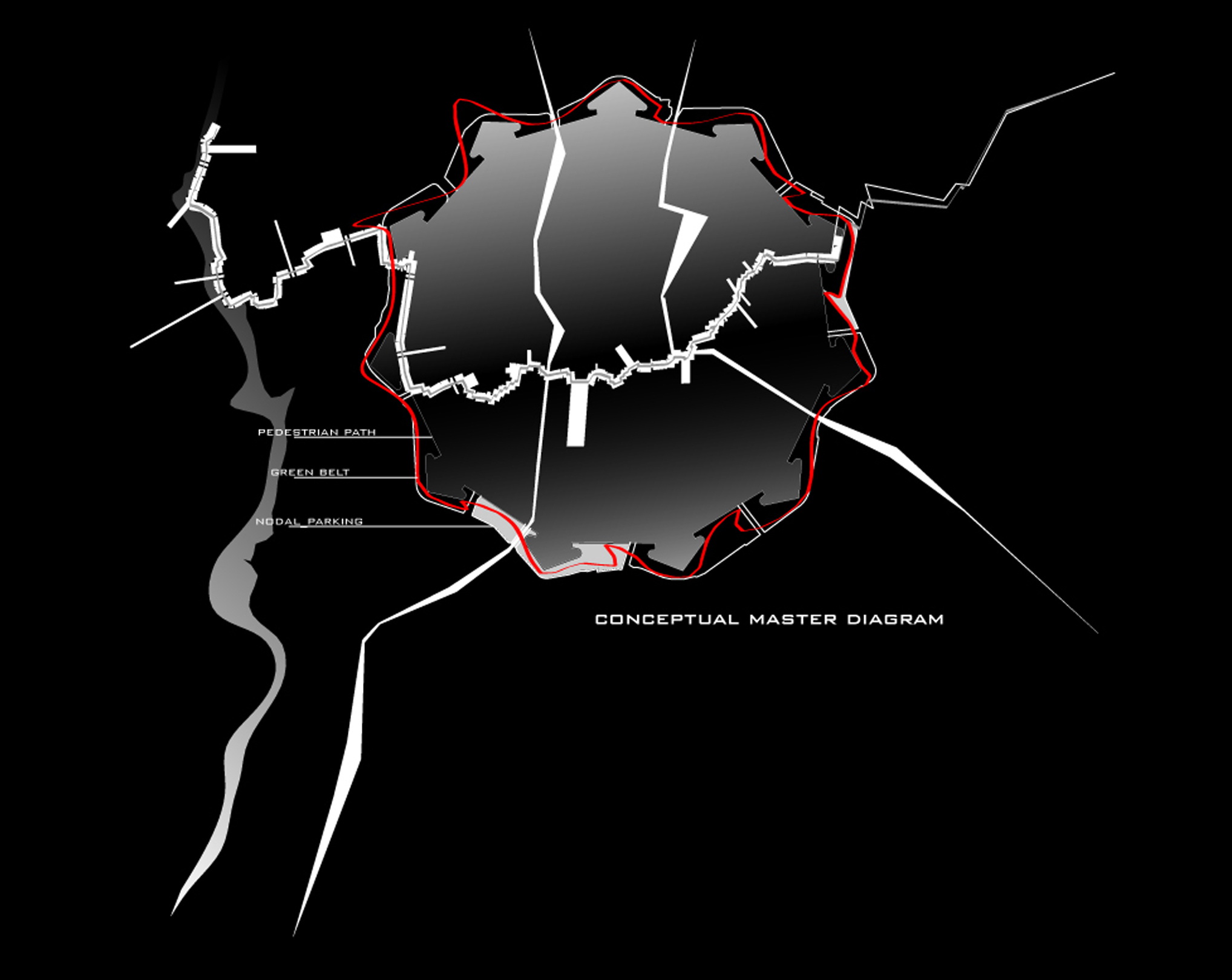
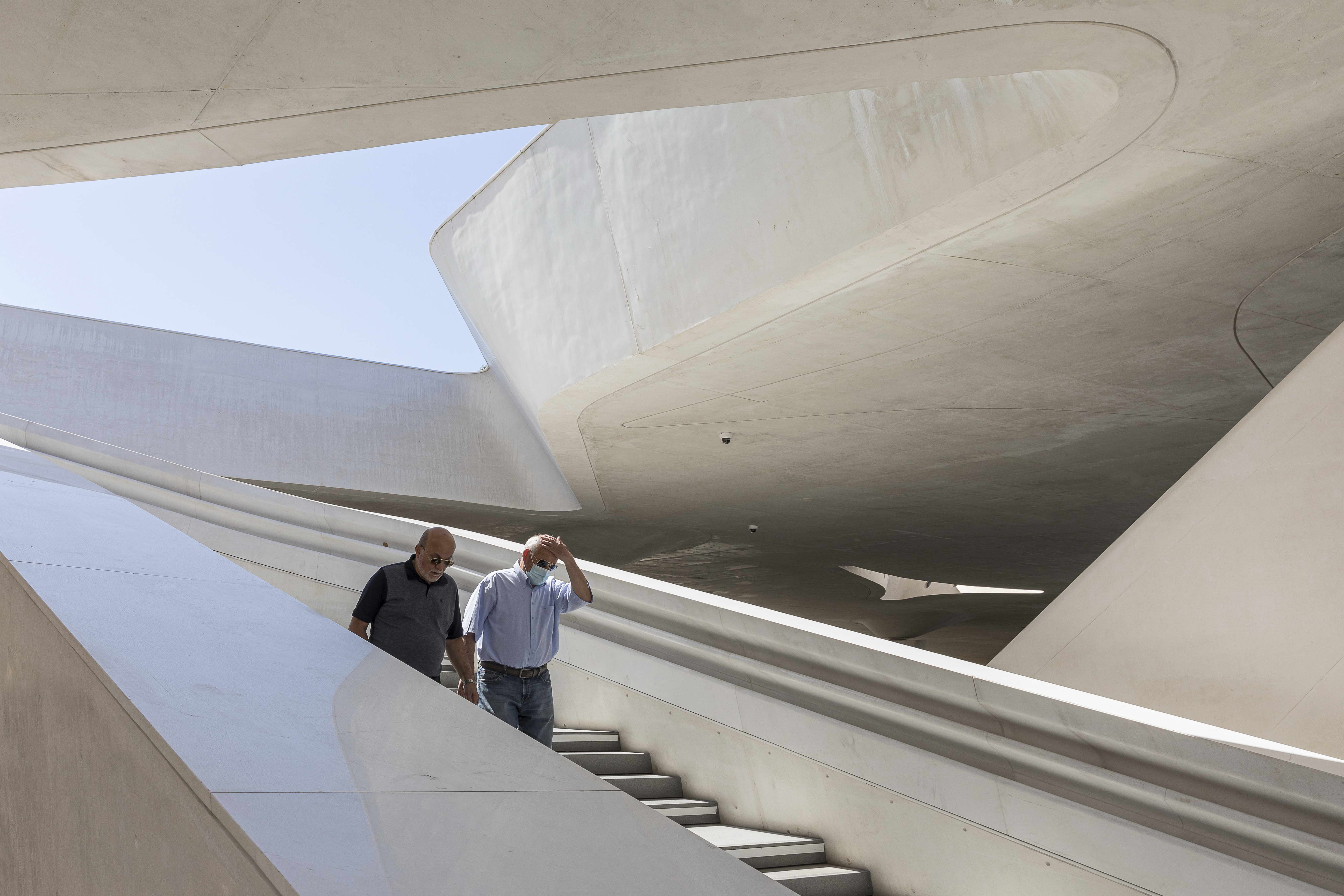
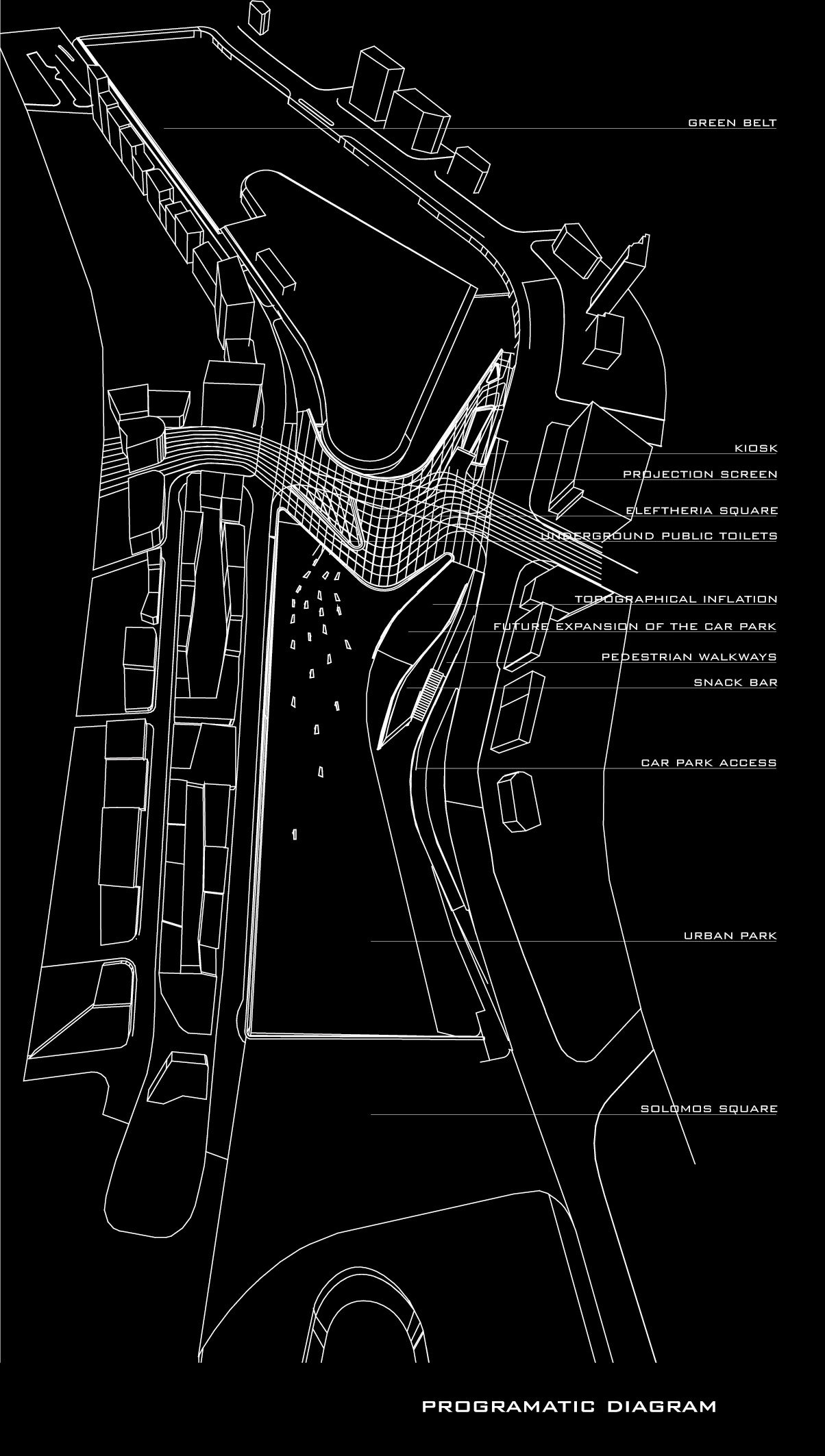
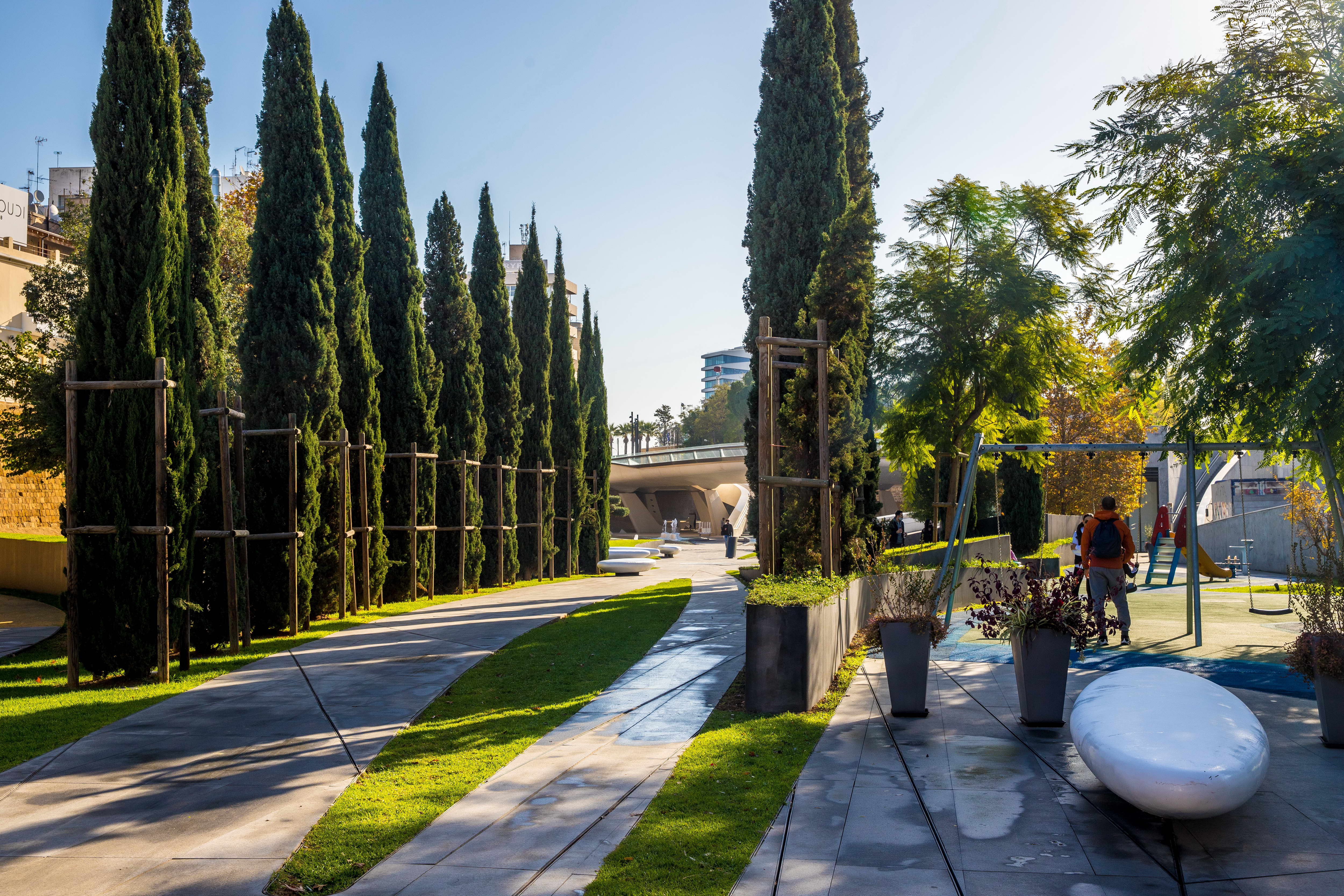
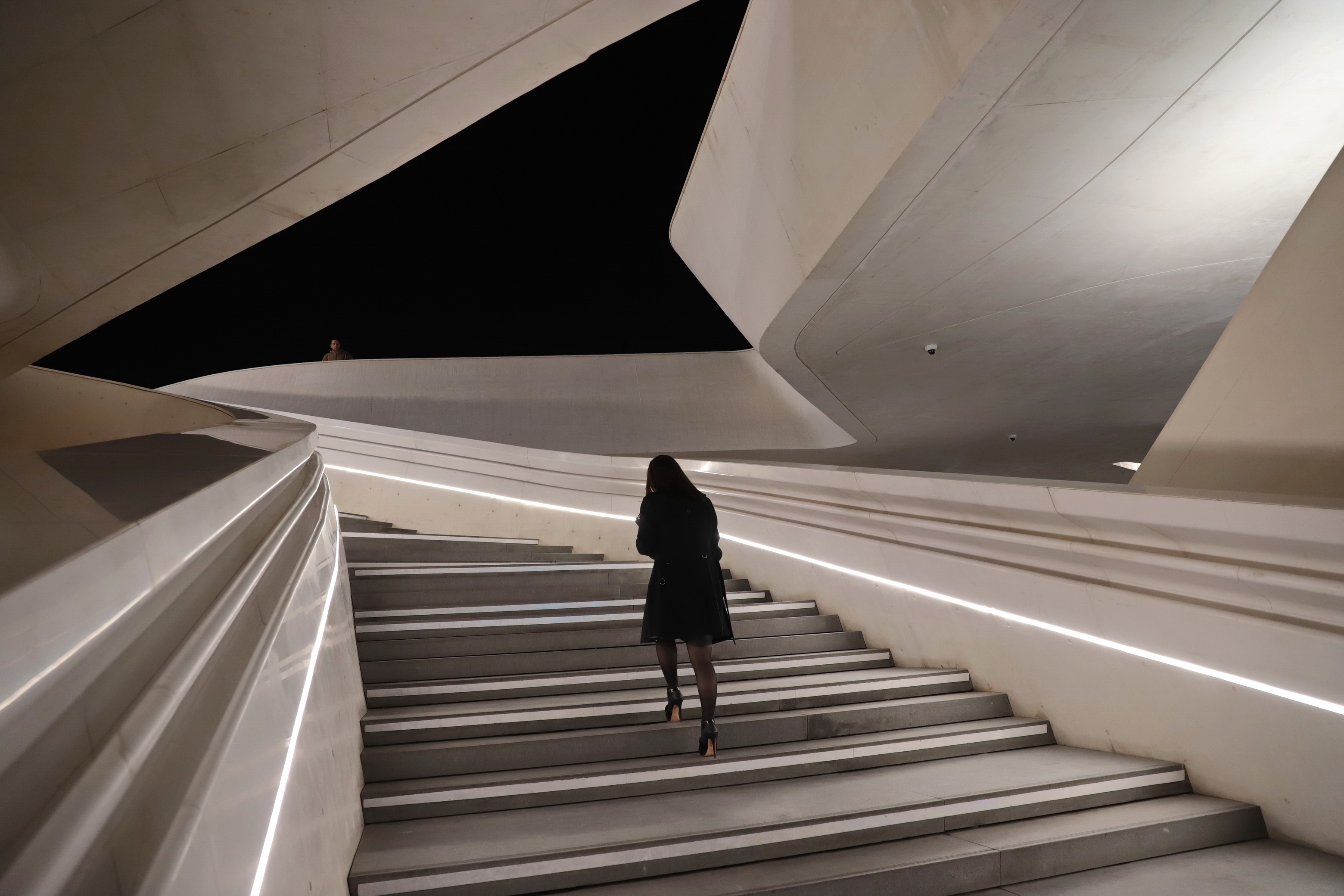
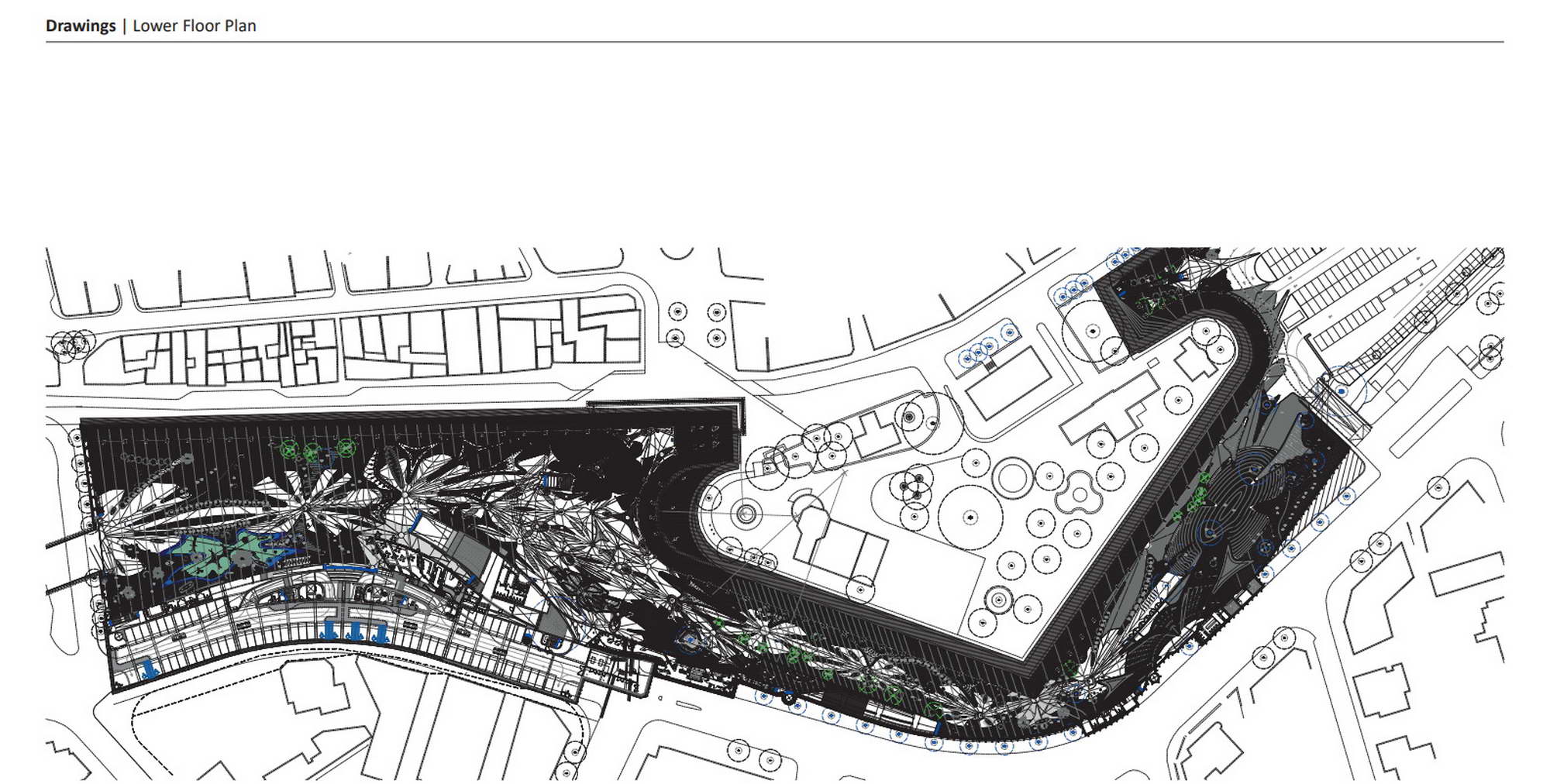
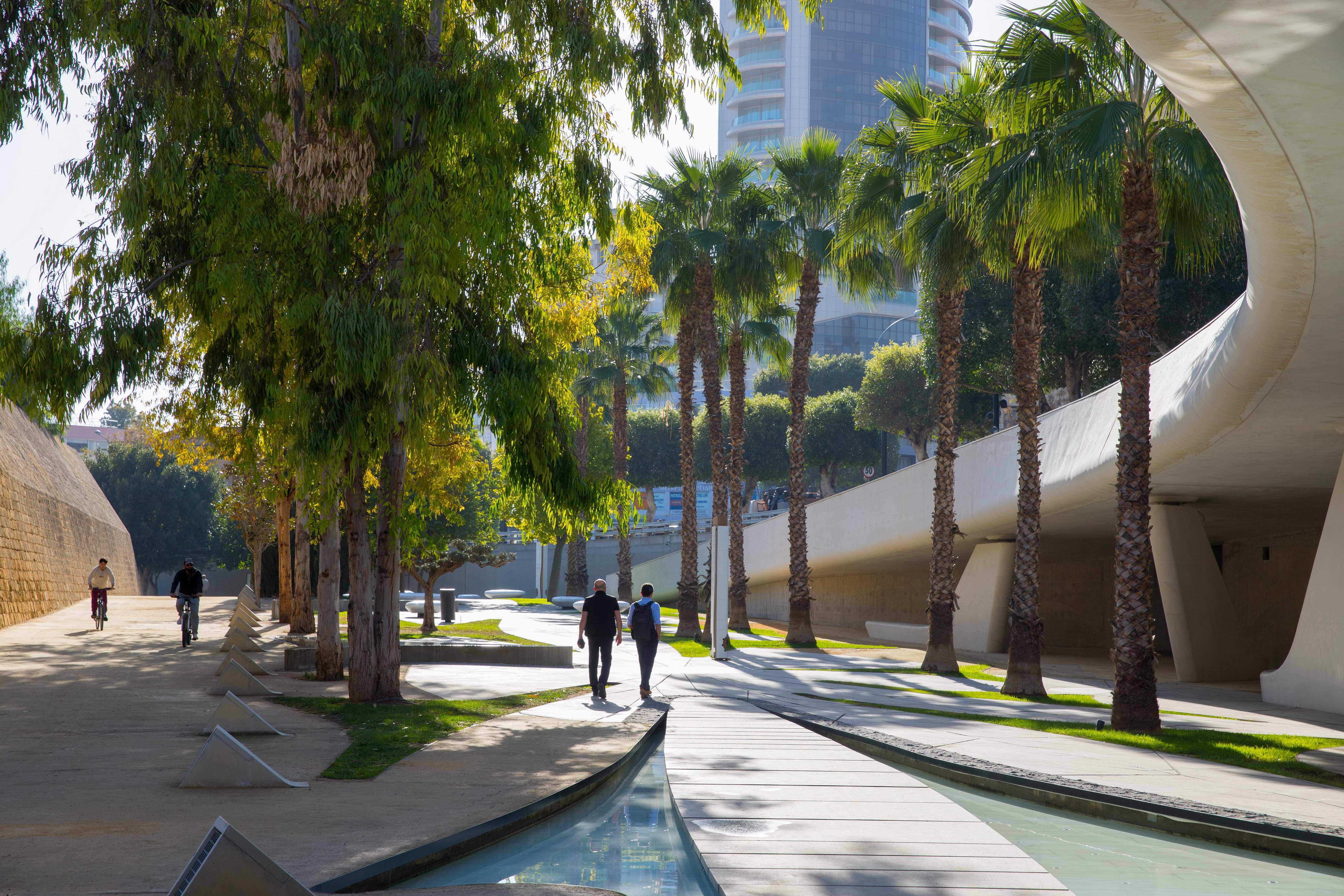
Establishing Eleftheria Square as thecity s primary gathering space, Zaha Hadid Architects (ZHA) design creates newconnections intended to unite a divided capital. Nicosia s massive Venetianfortifications separate the old city from its modern districts, while thecity s Green Line divides the capital into two disparate communities. Located near the centre of Nicosia,Eleftheria Square is adjacent to the Venetian Walls and the dry moat thatencircles the city. Constructed in the Middle Ages and extensively rebuilt bythe Venetians in the 16th century, these substantial defensive walls define theboundary of the oldest part of the capital, dividing the ancient city from thenew districts outside the walls. ZHA envisioned Eleftheira Square as theinitial phase of a much larger urban plan that could be a catalyst for thereunification of the capital. The design ensures unobstructed views of theVenetian Walls, establishing these fortifications as an integral part ofNicosia s identity, while also opening the dry moat for public use to create anorbital park that surrounds the city. Transforming previously inaccessible areasof the moat with new civic plazas, gardens and palm [1] linedpromenades, the moat can become a green belt around the city. ZHA s design proposesthese new public spaces within the moat are extended to follow the ancient citywalls and encircle Nicosia, reconnecting communities of this divided capital. The Eleftheria Square design elevates thetopography of the moat to create an upper level bridge that meets thesurrounding streetscape, establishing direct connections with the city s urbanfabric and defining a new public square in the heart of the capital. Transformed into an urban park, the moat s fluid geometries have been createdthrough the process of triangulating the irregular forms of the ancientfortifications to establish points of intensity that define seating,flowerbeds or water features within the new park. The moat s granite paving conveys atimeless solidity, while open joints between the granite slabs create a passiverainwater drainage system that allows the new trees planted within the moat tonaturally balance groundwater levels and reduce erosion of the medieval walls foundations. As the largest civic plaza in Nicosia, EleftheiraSquare has been designed to host festivals and public events; its upper levelbridge and supporting columns are crafted in concrete, their sculptural formsensure structural integrity in this seismic region and the base of each columnmorphs into seating. The renovation of the square involvedextensive archaeological excavations together with works to repair and protectthe historic Venetian Walls. The redevelopment also includes two cafes withinthe square and the new underground parking lot with access ramp on OmirouAvenue. Stairs and elevators directly connect with the bus terminal in SolomosSquare. ZHA s transformation of Eleftheria Squareweaves together Nicosia s rich history with an unwavering optimism for thefuture. Bridging the Venetian Wall and moat, the square becomes an importantgateway to the old city, its underground parking removing cars from the ancientcity s streets to enable further pedestrianisation that enhances the urbanrealm of this historic district while also creating new public gardens andplazas to be enjoyed by residents and visitors to the city.




 Editor's Pick
 Latest Design
 Best Idea